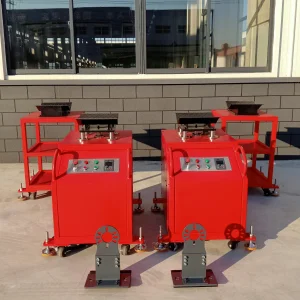
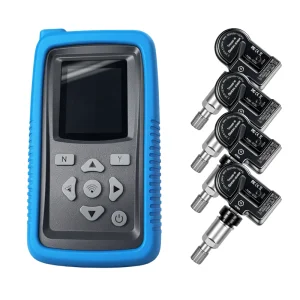
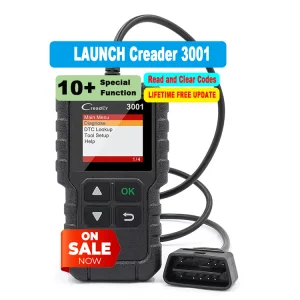
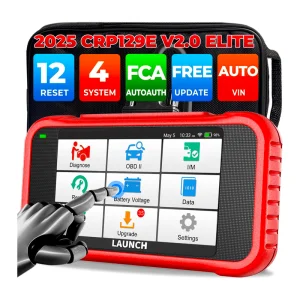
Explore our foundational diagnostic units, OEM program interfaces, and solar storage solutions engineered for industrial and workshop operations.
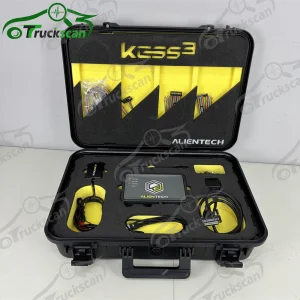
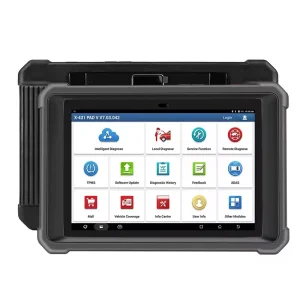
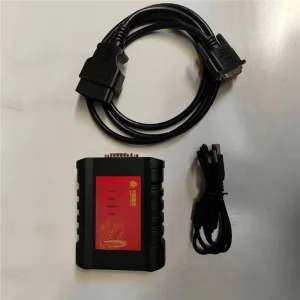
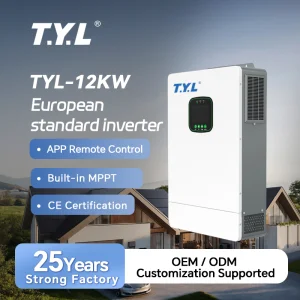
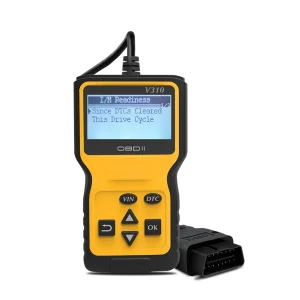
A professional China automotive diagnostic tools manufacturer specializing in the development, production, and global supply of advanced vehicle diagnostic solutions for the automotive aftermarket industry.
Driven by continuous investment in research and development to keep pace with the rapidly evolving automotive industry, including electric, hybrid, and connected vehicle diagnostic configurations.
Serving professional customers throughout Europe, North America, South America, Asia, the Middle East, and Africa with flexible OEM/ODM integration and localized diagnostic solutions.
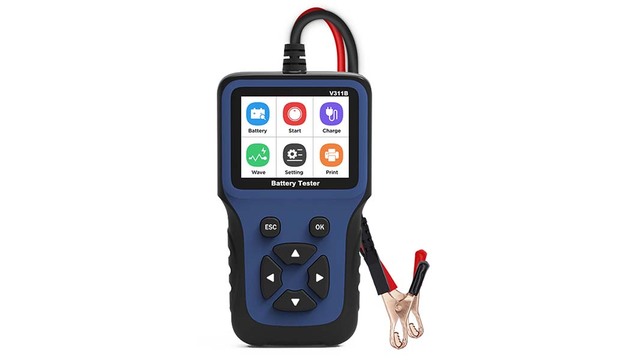
In the contemporary industrial ecosystem, electrical energy storage systems have transitioned from passive backup elements to dynamic assets critical for operational continuity. High-performance battery load testers serve as the primary diagnostic gates in determining state-of-health (SOH), state-of-charge (SOC), and reserve capacity metrics. As a premier China battery load tester manufacturer, Shenzhen Kore Auto Co., Ltd. focuses on developing diagnostic systems that move beyond simplistic open-circuit voltage calculations, utilizing sophisticated digital conductance algorithms, dynamic load profiling, and micro-impedance spectroscopy.
The global demand for energy security, combined with the rapid transition toward zero-emission transportation, has transformed the scope of battery maintenance. In industrial logistics, massive warehouse fleets rely on continuous lead-acid and lithium-ion traction batteries. A single unexpected battery failure in a material-handling forklift can freeze distribution operations, incurring significant financial losses. Consequently, preventative testing utilizing micro-processor controlled battery load testers is standard operational protocol.
In grid-scale energy storage and telecommunication backups, technicians monitor battery banks composed of hundreds of Absorbent Glass Mat (AGM) or Gel cells. Here, battery testing is no longer merely a maintenance checklist item; it is a regulatory requirement to prevent catastrophic thermal runaway events. Modern utility operators utilize high-capacity load banks to periodically simulate real-world draw requirements, revealing high-resistance cell links and weak structural components before they cause system-wide outages.
Battery diagnostics have evolved through several technological generations, each offering improved accuracy and diagnostic speed:
Applying a true physical resistive load directly across the battery terminals. While highly accurate for simulating high-current cranking requirements, it generates significant thermal energy and requires substantial cooling cycles between test procedures.
Utilizing low-frequency AC signals to measure plate surface area. This method provides swift health indications without discharging the battery, making it highly effective for field-technicians doing rapid checks.
Our upcoming engineering roadmap introduces Electrochemical Impedance Spectroscopy (EIS). By scanning the battery with multiple frequencies, the system can distinguish between electrolyte degradation, plate sulfation, and internal grid corrosion.
Understanding these mechanisms is crucial for engineers managing large fleets. Under load, a healthy battery maintains stable terminal voltage, whereas a sulfated or degraded plate structure experiences a steep voltage drop. By capturing this curve digitally at microsecond intervals, Shenzhen Kore Auto’s testing algorithms extract the precise internal resistance (mΩ) and calculate Cold Cranking Amps (CCA) relative to standard rating scales such as DIN, SAE, IEC, EN, and JIS.
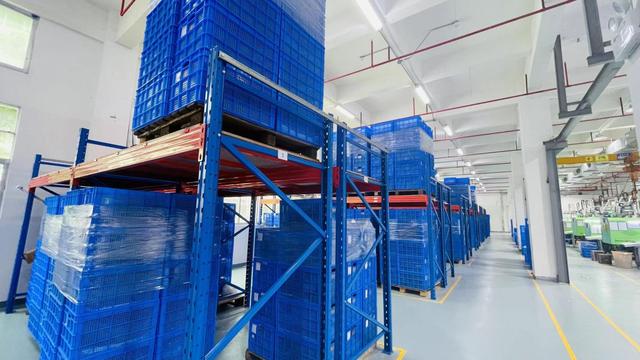
Leveraging vertical integration, advanced component sourcing, and high-performance production lines in Shenzhen to deliver reliable diagnostic electronics.
Shenzhen Kore Auto Co., Ltd. operates in the heart of China’s advanced electronics manufacturing cluster. This strategic location enables complete control over our hardware supply chain—from high-grade copper alloy clamp procurement to custom multi-layer PCB fabrication. By maintaining close relationships with regional semiconductor vendors, we protect our clients against global component shortages, maintaining stable lead times even during volatile market cycles.
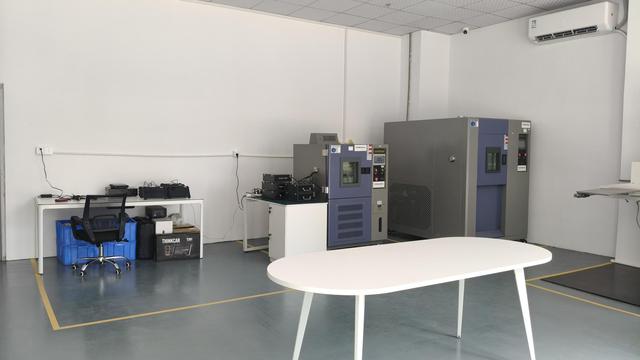
Furthermore, our streamlined manufacturing processes utilize automated optical inspection (AOI) and precise thermal aging chambers to test every diagnostic tool under realistic workshop conditions. This comprehensive quality control protocol minimizes field failures, ensuring that when an exporter ships our equipment to remote markets, the units perform reliably out of the box.
Batteries behave differently under varying environmental conditions. A battery load tester designed solely for mild workshop climates will deliver inaccurate readings in extreme conditions. Shenzhen Kore Auto engineers our testers to meet localized challenges globally:
In sub-zero climates, chemical activity inside lead-acid and AGM batteries drops significantly. Our testing devices incorporate real-time temperature compensation sensors. By detecting ambient and case temperature, the integrated software automatically adjusts the conductance thresholds, preventing premature battery replacement and securing reliable cold starts for freight fleets and municipal vehicles.
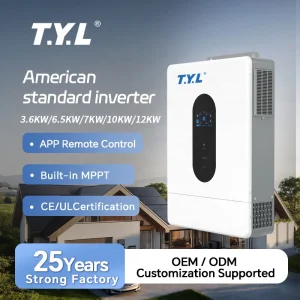
With the rapid installation of residential and commercial photovoltaic arrays (often utilizing advanced hybrid inverters such as the TYL-6KW Hybrid Solar Inverter), localized operators must evaluate the health of deep-cycle storage batteries. Our diagnostic platforms feature specialized test parameters for deep-cycle gel and lithium-iron-phosphate (LiFePO4) storage banks, providing clear health profiles without draining precious solar reserves.
Exporting complex electrical test equipment requires strict adherence to international safety and electromagnetic compatibility standards. Shenzhen Kore Auto Co., Ltd. guarantees that all exported products comply with major global regulations, including the CE Mark for European economic areas, FCC certification for North American markets, and RoHS directives to limit hazardous substances in construction materials.
To support our global distributors and commercial partners, we offer comprehensive OEM and ODM solutions. Our development team works directly with large automotive parts groups, battery manufacturers, and test equipment brands to customize outer casing designs, integrated diagnostic firmware, user interfaces, and localized language packs. With post-purchase technical support, online firmware updates, and comprehensive hardware warranty coverages, Kore Auto functions as an integrated technology partner rather than a simple supplier.
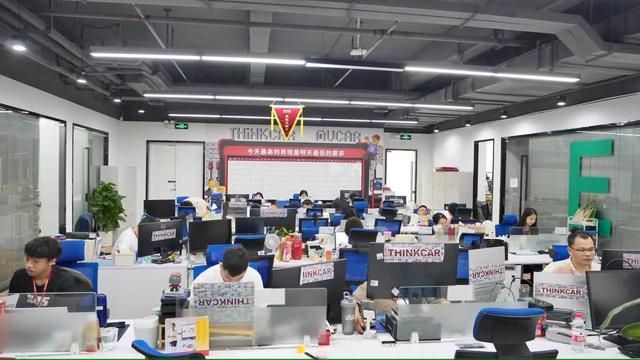
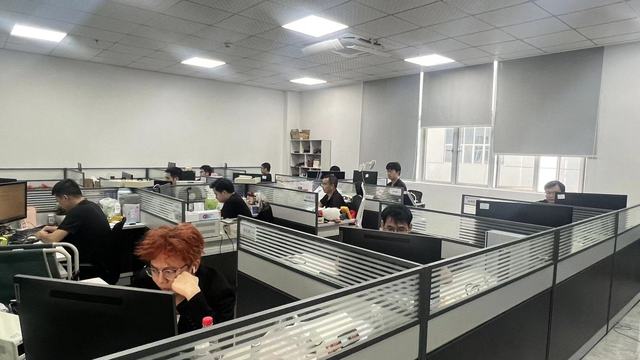
A pictorial insight into our manufacturing processes, PCB assembly, quality control procedures, and enterprise operations.


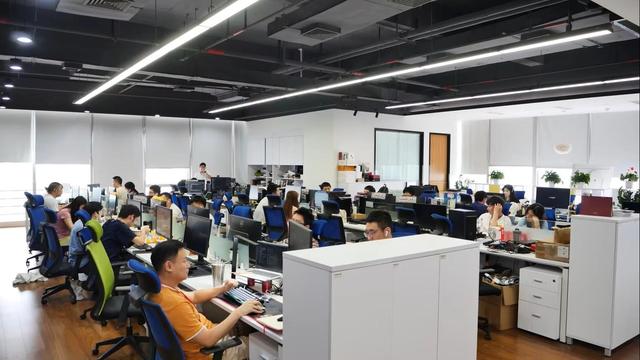
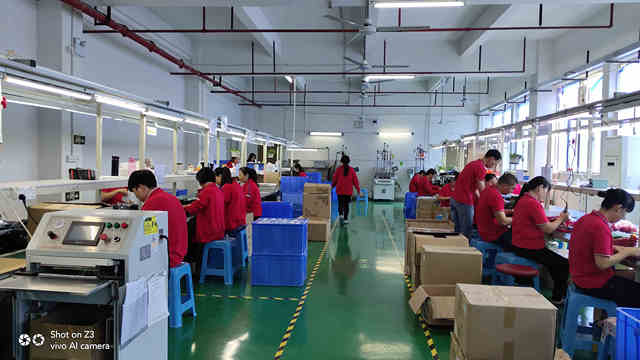
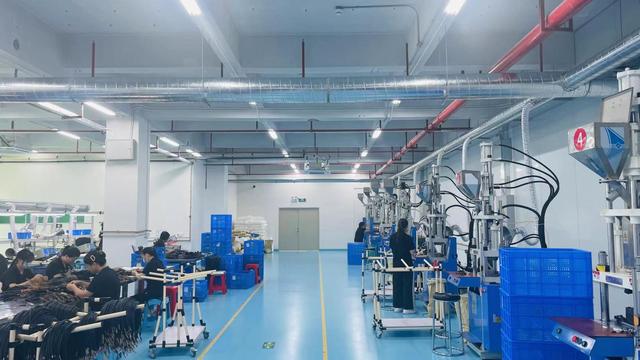
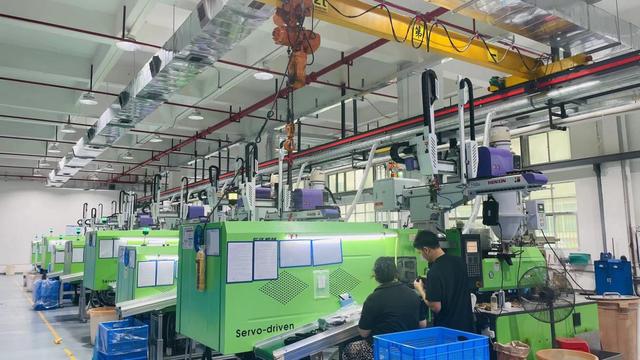
In-depth responses to technical queries frequently posed by global distributors, diagnostic engineers, and fleet managers.
A Carbon Pile Tester applies a physical electrical load directly to the battery, drawing substantial current (typically half the CCA rating for 15 seconds) while measuring voltage sag. This is highly effective for testing starting capability under simulated heavy strain. A Conductance Tester applies low-power alternating current frequency signals across the terminals to measure internal plate resistance and surface capacity without discharging the cell. Conductance testing is faster and safer for in-vehicle diagnostics.
A degraded or heavily sulfated battery can display a surface charge showing normal terminal voltage (e.g., 12.6V) when idle. However, the moment a heavy load is applied, the high internal resistance restrict current flow, causing terminal voltage to plummet. Measuring internal resistance directly identifies internal plate degradation, mechanical damage, and sulfation that voltage readings alone will fail to detect.
Cold temperatures decrease chemical reaction speeds within batteries, artificially lowering their capacity and CCA output. Warm temperatures speed up these reactions, potentially masking a weak battery. Our testers include automatic temperature compensation algorithms. Users input ambient temperature, or the tool measures it via built-in thermal sensors, allowing the microprocessor to correct values to standard reference points.
Yes, our software profiles contain targeted algorithms for Absorbent Glass Mat (AGM Flat Plate, AGM Spiral) and Enhanced Flooded Batteries (EFB) utilized in start-stop vehicles. These batteries feature lower internal resistance compared to standard flooded batteries. Our diagnostic tools use specialized parameters to test these designs without damaging the sensitive micro-porous separators.
All tester variants feature integrated Reverse Polarity Protection, which prevents circuit damage if clamps are accidentally connected to the wrong terminals. Additionally, our units include Over-Voltage Protection, Spark-Free Clamp Connections, and Thermal Shutdown limits to prevent overheating during high-amp carbon-pile testing.
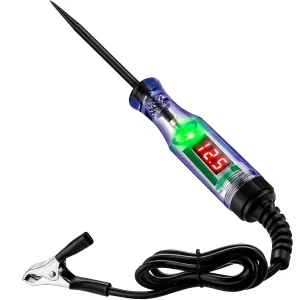
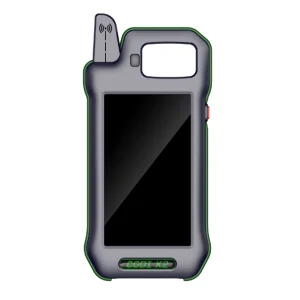
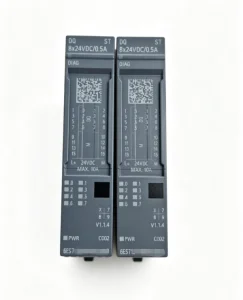
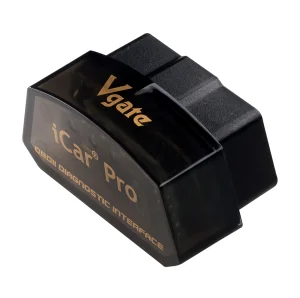
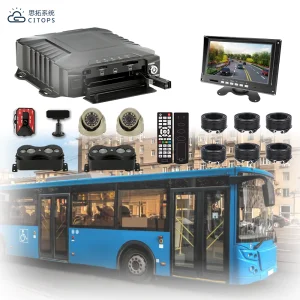
Our complete range of OBD scanners, key programming platforms, circuit testers, and localized fleet monitoring hardware.

 Kore Auto