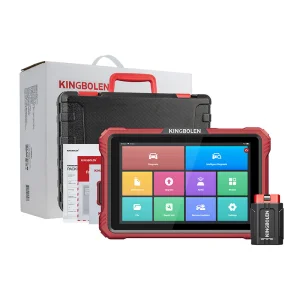
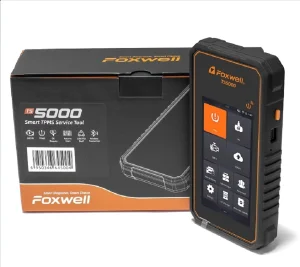
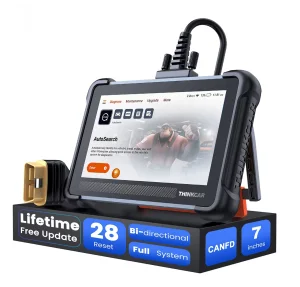
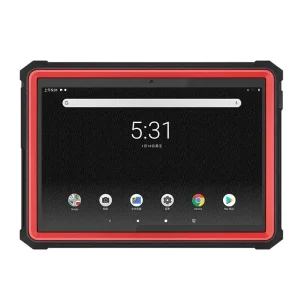
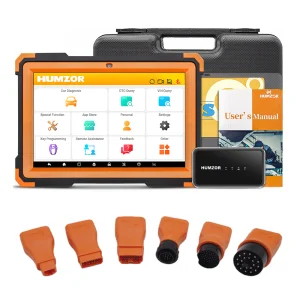
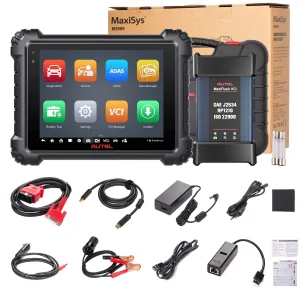
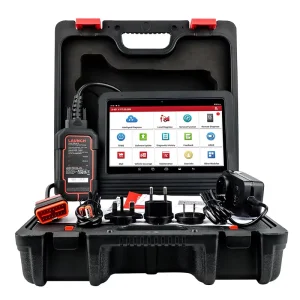
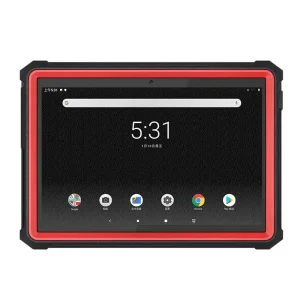
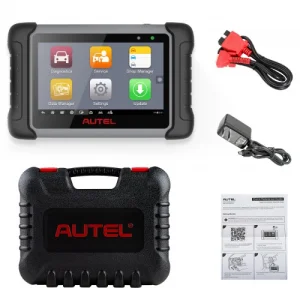
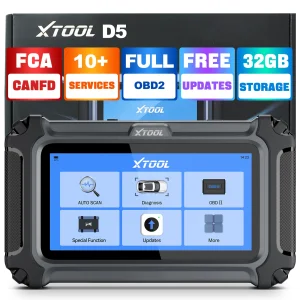
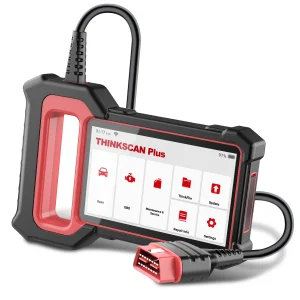
The global automotive aftermarket is undergoing a structural transition. Mechanical setups have transitioned into complex, firmware-driven mobile computing ecosystems. As cars evolve with intricate advanced driver assistance systems (ADAS), electric powertrains, and secure software-gateway networks, the demand for enterprise-grade vehicle diagnostic tablets has surged exponentially.
Industrial operations and service fleets no longer rely on simplistic OBD code readers. Today’s automotive engineers and maintenance centers utilize diagnostic tablets functioning as computing hubs. These systems execute cloud-based topology mapping, bypass OEM security blocks (such as FCA Secure Gateway), and flash ECUs dynamically over-the-air. The current global landscape demands continuous integration between rugged hardware architecture and evolving diagnostic protocols.
"By 2028, the global automotive diagnostic equipment market is projected to reach USD 18.5 Billion. This growth is driven by the mandate for CAN FD & DoIP protocol compliance across high-end workshop operations."
For distributors and procurement officers, selecting the right supply partner is critical. Heavy-duty vehicles, hybrid passenger cars, and electric vehicles require differentiated software platforms. Systems must support international protocol guidelines including J2534, RP1210, D-PDU, and DoIP (Diagnostic over Internet Protocol).
Furthermore, workshops face intense turnaround pressures. A diagnostic device must execute system-wide scans in under 60 seconds, present direct actionable repair suggestions, and support remote diagnostics. This allows Tier-1 technicians to access the vehicle interface from thousands of miles away, reducing machine downtime in logistics and fleet management.
Analyzing how Shenzhen Kore Auto Co., Ltd. integrates vertical supply ecosystems to deliver exceptional cost efficiency, R&D agility, and product reliability.
Operating in Shenzhen allows direct connection to top-tier semiconductor suppliers and hardware designers. New protocols like CAN FD are integrated into current tablet lineups within months of industry release, bypassing the multi-year development cycles of competitors.
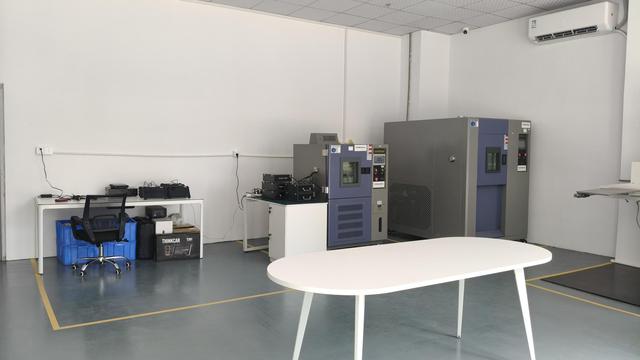
Every diagnostic tablet undergoes extensive environmental testing, including drop test protocols, extreme temperature thermal shock tests, and vibration simulation. This ensures performance stability in harsh automotive workshops and industrial construction environments.
Whether you require customized branding, local language operating systems, specialized diagnostic APIs, or unique ruggedized casing, Kore Auto supports custom specifications for enterprise contracts and national distributors.
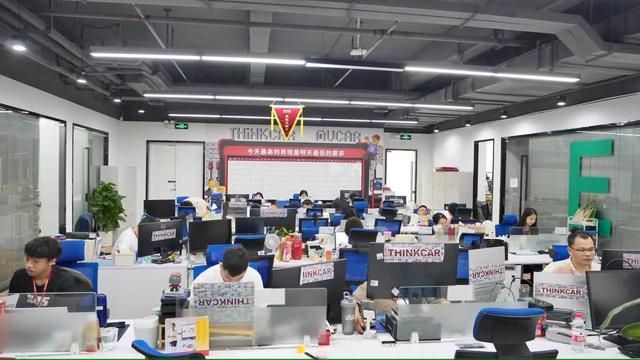
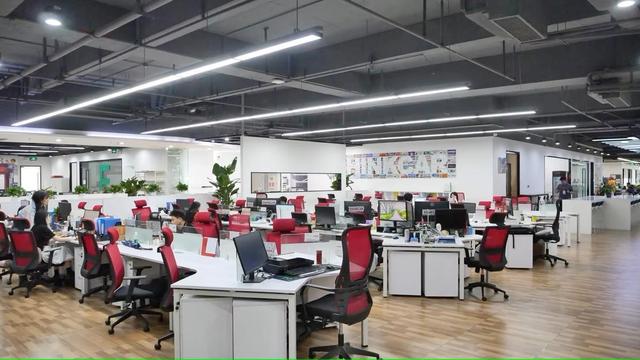
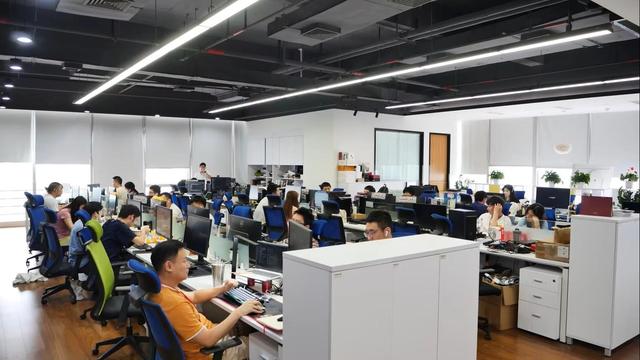
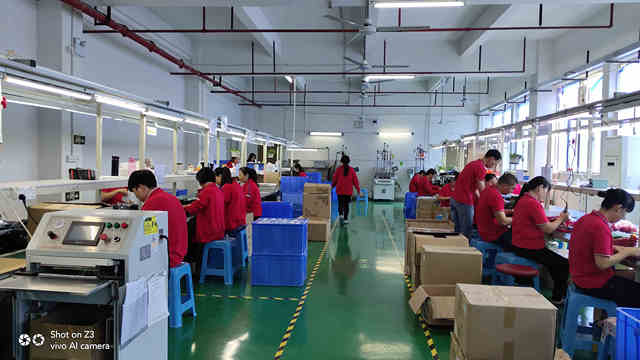
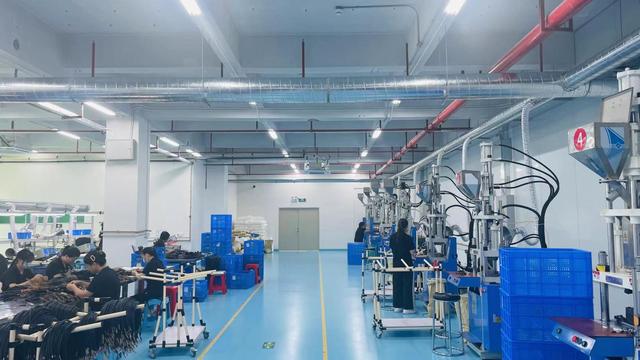
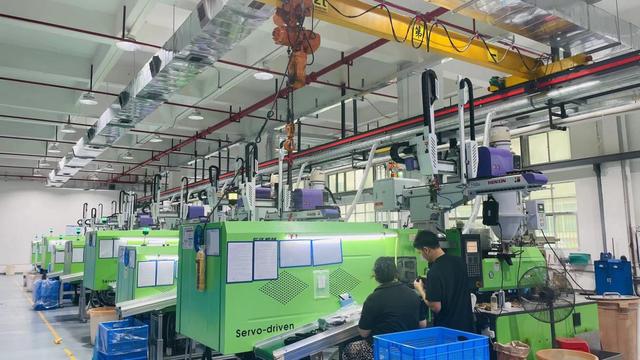
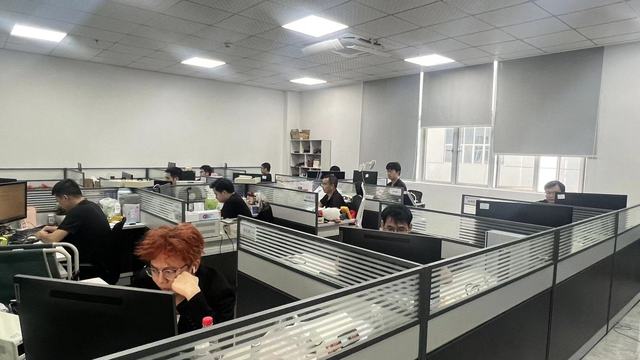
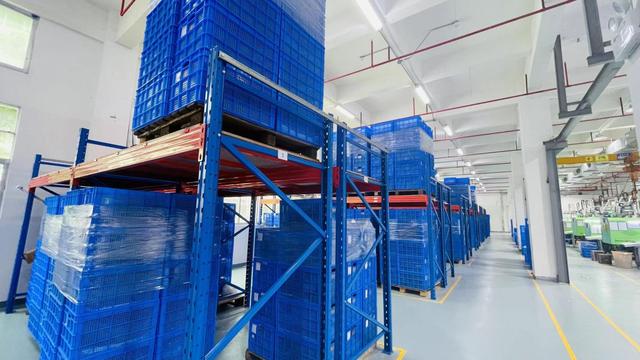
Our state-of-the-art facilities guarantee high precision, component-level testing, and streamlined logistics for international distribution.

Operating a diagnostic brand globally requires adapting to localized infrastructure demands. In North America and Europe, strict vehicle cybersecurity laws require tablets to feature direct, licensed APIs for Secure Gateway (SGW) systems. Modern vehicles from Stellantis, Renault, and Mercedes-Benz cannot be serviced without authenticated cloud handshakes through authorized tablet diagnostics.
For fleet management and heavy-duty logistics, diagnostic software requires integrated tools for commercial vehicle configurations. In regions like APAC, the Middle East, and Africa, tablets must feature robust multi-language firmware, dustproof layouts, and offline capability to allow comprehensive diagnostic execution when cloud access is unavailable.
Additionally, the shift toward electric vehicles (EVs) has changed diagnostic requirements. Technicians need battery pack status readings, motor controllers analysis, and insulation resistance measurement tools. The core diagnostic ecosystem is evolving from a physical OBD interface to a network-centric telemetry hub.
The industry is moving toward open-architecture platforms where a single rugged tablet can interact with multiple VCIs and software subscriptions. Key developments include:
Key technical specifications procurement managers evaluate when purchasing diagnostic tablets for distribution, retail, or fleet maintenance.
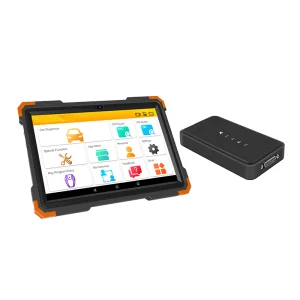
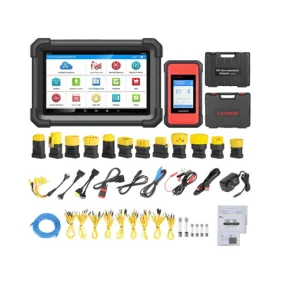
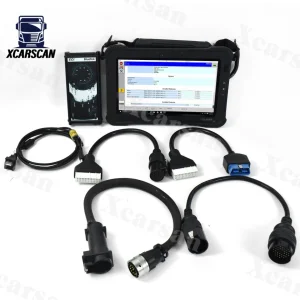
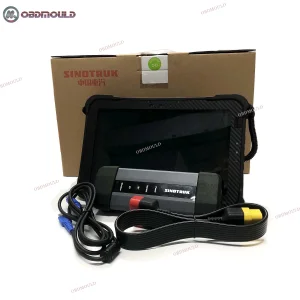
Modern diagnostic software requires significant computing power. Look for devices running Android 10.0 or higher with quad-core or octa-core processors and a minimum of 3GB RAM/128GB ROM to handle large vehicle databases.
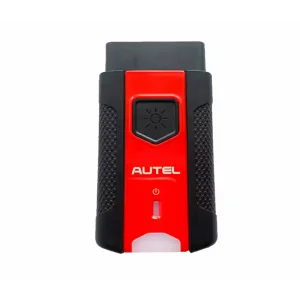
Ensure the VCI (Vehicle Communication Interface) supports dual-band Wi-Fi and Bluetooth 5.0. VCIs equipped with integrated screens and support for DoIP/CAN FD provide future-proof capabilities for upcoming vehicle models.
Evaluate the lifetime update structure of the software. Platforms that offer 2-year free software updates or lifetime free basic system diagnostics significantly lower the total cost of ownership for professional mechanics.
Common questions from distributors, B2B procurement managers, and professional service centers.
 Kore Auto