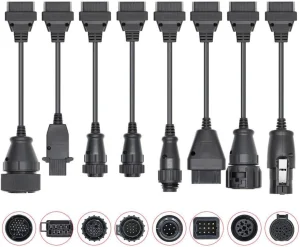
Explore our industrial-grade automotive OBD-II, diagnostic modules, and control platforms engineered for high reliability, hot-swap operations, and live diagnostic monitoring.
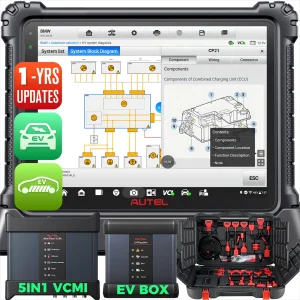
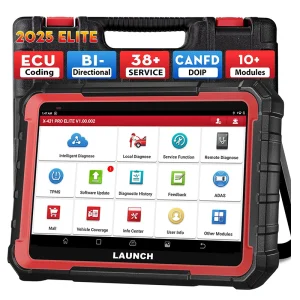
The convergence of industrial automation, automotive electronics, and telecommunications has catalyzed a shift from localized maintenance architectures to unified, cloud-native Remote Diagnostic Systems (RDS). Once restricted to reading localized Diagnostic Trouble Codes (DTCs) in workshop bays, today's diagnostic systems operate at the edge of network nodes. They act as critical endpoints in both mobile automotive fleets and stationary industrial microgrids.
Across North America, Europe, and the Asia-Pacific region, the integration of cellular IoT standards (such as NB-IoT and 5G LTE-M) has allowed manufacturers to secure near-zero-latency telemetry. In heavy industry, high-voltage battery diagnostic platforms and PLC automation subsystems (such as ATEX-certified modular I/O cabinets) maintain continuous links with SCADA systems. This prevents catastrophic downtime, which costs companies thousands of dollars per minute in sector operations like wind energy generation and autonomous fleet logistics.
Modern remote diagnostics bridge hardware standards. They interface with high-performance protocols like CAN FD, FlexRay, DoIP (Diagnostics over Internet Protocol), and industrial Modbus/PROFINET. This ensures seamless communication between edge processors and centralized monitoring nodes.
Moving beyond reactive code checking, modern systems use edge analytics to analyze trends. By tracking operating temperatures, voltage fluctuations, and transient signals, systems identify component failures before they result in system-wide shutdowns.
Deployments in chemical processing, oil & gas, and heavy manufacturing require compliance with ATEX and IECEx standards. Intrinsically safe architectures isolate inputs and outputs, protecting remote diagnostic modules from hazardous gas mixtures.
As remote diagnostic hardware evolves, manufacturers face the challenge of unifying disparate systems. The migration path points toward standardized software-defined diagnostic platforms that support over-the-air (OTA) programming, secure gateway authentication, and unified power-grid telemetry. Below is the projected milestone roadmap for the integration of remote automotive and industrial diagnostic frameworks.
Widespread adoption of Diagnostic over IP (DoIP) interfaces that process high-density telemetry from EV platforms. Real-time battery diagnostic modules inspect high-voltage cell balancing and State of Health (SOH) remotely. This reduces workshop diagnostic timelines by up to 70%.
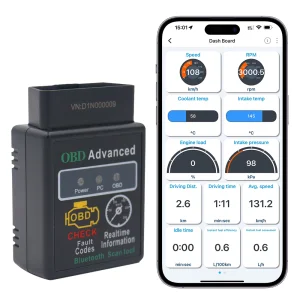
Integration of low-power AI cores directly into physical OBD-II dongles and PLC fieldbus couplers. Real-time sensor fusion combines physical vibration data, thermals, and bus communications. This enables local fault detection at the edge without requiring constant cloud connectivity.
Fully automated local systems where hybrid solar inverters, battery management systems, and wind turbine PLCs utilize peer-to-peer diagnostic layers. Automated fault isolation switches operations away from damaged cells or modules, correcting anomalies before field technicians are dispatched.
The applications for modern diagnostics vary widely across industries. Below, we examine three specific field scenarios where remote diagnostic devices are critical for performance, safety, and business continuity.
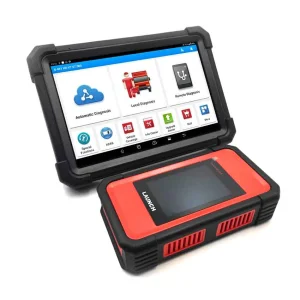
For operations using heavy diesel trucks and multi-brand utility fleets, down-time affects delivery schedules and customer satisfaction. Operators deploy high-voltage diagnostic tools and bidirectional ECU coding scanners directly in the vehicle cab. Via telemetry, the fleet dispatcher receives real-time diagnostic reports, dynamic fault codes, and emissions data. This allows workshops to prep replacement parts before the truck arrives for service, reducing dwell times and overall maintenance costs.
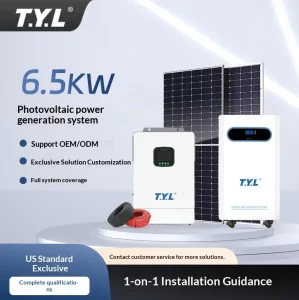
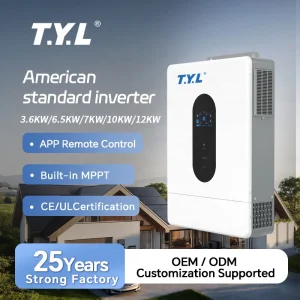
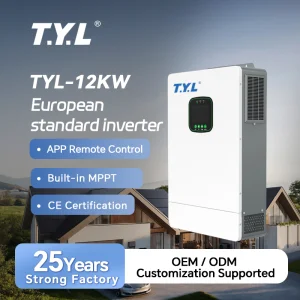
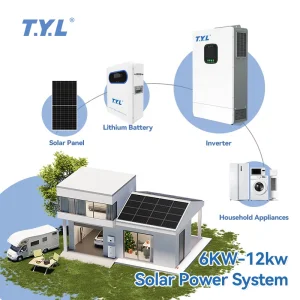
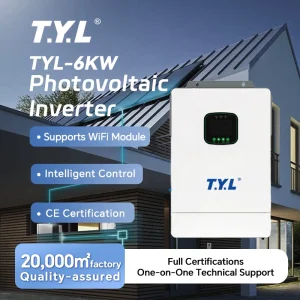
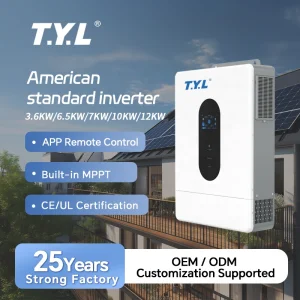
In distributed energy resource (DER) setups, single-phase and three-phase hybrid solar inverters are spread over large geographical areas. By connecting these systems to WiFi-monitored gateways and remote PLC networks, operators can monitor MPPT efficiency, track zero-export limits, and identify insulation faults in battery storage banks. If a fault occurs, diagnostics pinpoint the exact string or inverter module responsible, preventing full-system dropouts.
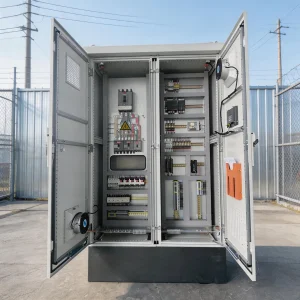
Wind turbines operate in harsh marine and rural environments under heavy physical stress. If the pitch control system fails, the turbine can overspin and suffer structural damage. Remote diagnostics integrated directly into the pitch control PLC cabinet collect continuous feedback from analog and digital input modules. These systems run self-tests, check for sensor faults, and communicate diagnostics over SCADA networks, maintaining safe operation even in remote offshore locations.
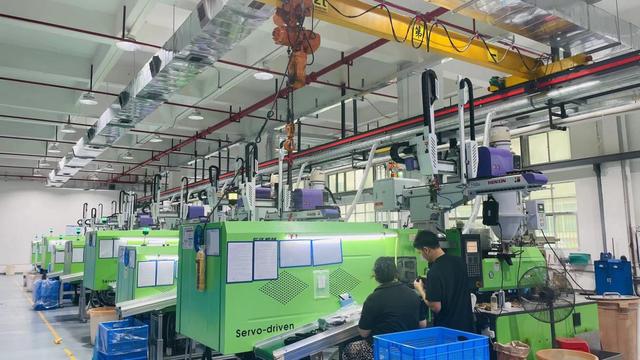
Shenzhen Kore Auto Co., Ltd. is a professional China automotive diagnostic tools manufacturer specializing in the development, production, and global supply of advanced vehicle diagnostic solutions for the automotive aftermarket industry. With extensive experience in automotive electronics and diagnostic technology, Kore Auto is committed to delivering intelligent, reliable, and high-performance diagnostic equipment to customers worldwide.
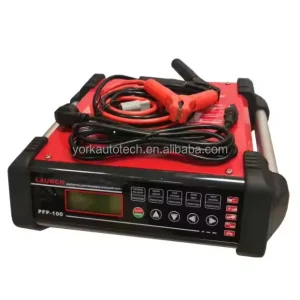
Our comprehensive product portfolio includes automotive diagnostic scanners, OBD diagnostic tools, ECU programming equipment, TPMS diagnostic systems, ADAS calibration equipment, battery testing devices, vehicle inspection systems, automotive oscilloscopes, remote diagnostic platforms, and customized diagnostic solutions. These products are widely used by automotive repair workshops, dealerships, fleet operators, vehicle inspection centers, and maintenance service providers.
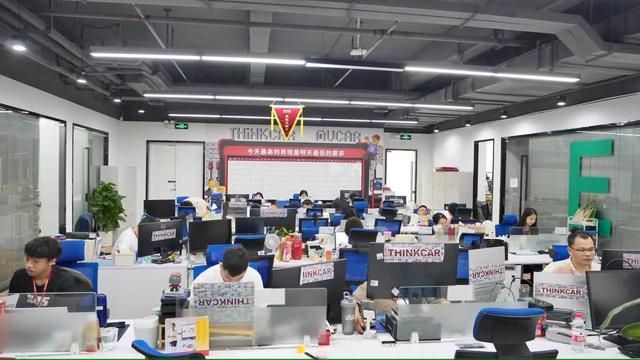
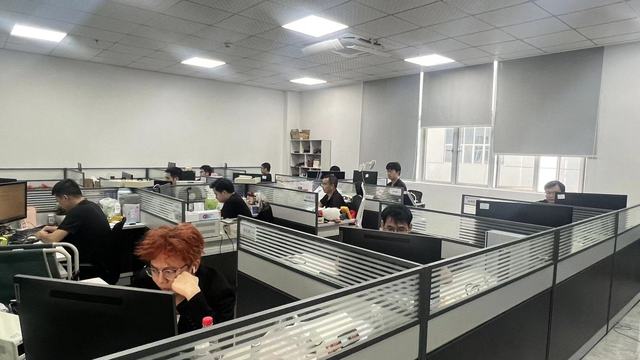
Driven by innovation, Shenzhen Kore Auto continuously invests in research and development to keep pace with the rapidly evolving automotive industry, including electric and connected vehicles. Our experienced engineering team develops cutting-edge diagnostic technologies featuring comprehensive vehicle coverage, fast data processing, intelligent fault analysis, wireless connectivity, and user-friendly software interfaces.
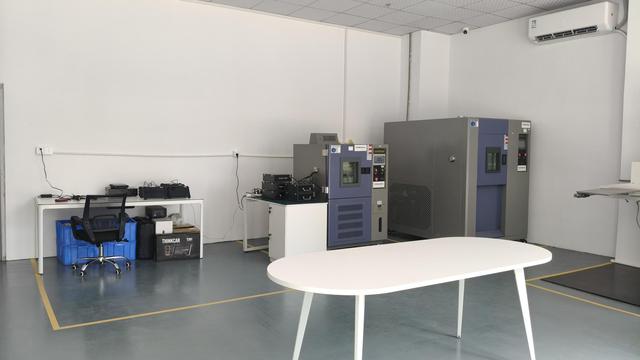
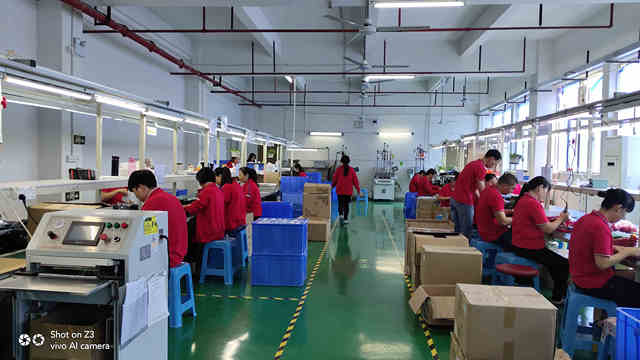
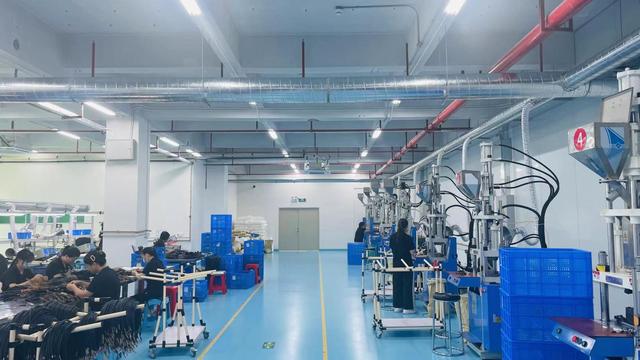
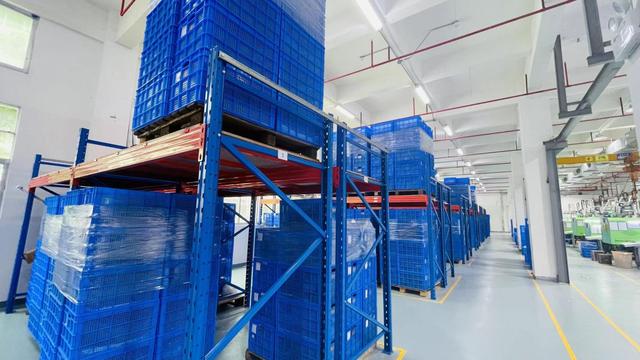
Quality and reliability are fundamental to our success. Every product is manufactured under strict quality control standards and undergoes rigorous testing procedures to ensure stable performance, accuracy, and durability in demanding workshop environments. We also provide flexible OEM and ODM services, helping customers develop customized automotive diagnostic products tailored to specific market requirements.
Serving customers throughout Europe, North America, South America, Asia, the Middle East, and Africa, Shenzhen Kore Auto Co., Ltd. has established long-term partnerships with distributors, automotive service providers, and industry professionals worldwide.



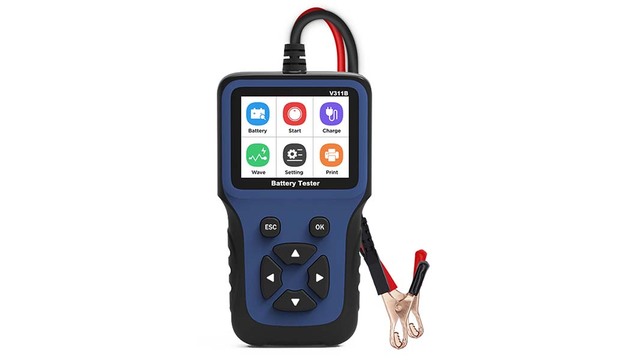
To support high-reliability operations, remote diagnostic platforms need to bridge automotive interfaces and industrial controller area networks (CANs). By linking fieldbus systems to cloud architectures, Kore Auto solutions help bridge this gap. This connectivity enables unified diagnostics across fleet operations, industrial automation, and renewable energy sectors.
Our tools support J2534, DoIP, and CAN-FD protocols, giving repair workshops and dealerships the ability to run complete system tests, program ECUs, and calibrate ADAS systems. By offering high-voltage battery diagnostic kits, we also support automotive workshops servicing EV fleets.
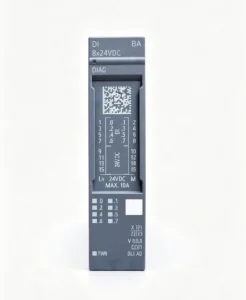
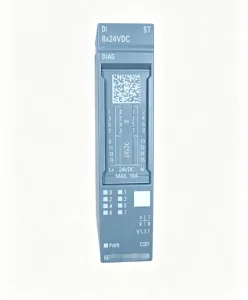
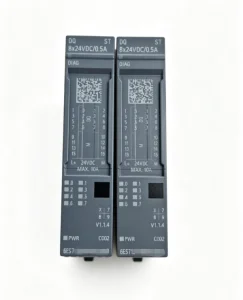
We supply modular analog and digital input/output units designed for harsh environments (including ATEX Zone 2 certifications). These modules support hot-swapping and provide built-in fault detection. This allows operators to service systems under voltage without risking unplanned outages.
Our solutions for the green energy sector include remote SCADA cabinets for wind farms and single-phase/three-phase hybrid solar inverters. Built-in WiFi monitoring, zero-export controls, and automated isolation tools help keep microgrids balanced and running efficiently.
Find technical answers below about protocols, industrial compliance, EV battery diagnostics, and security configurations.
Browse our hybrid energy controllers, backup power units, digital output diagnostics, and specialized diagnostic accessories.
 Kore Auto