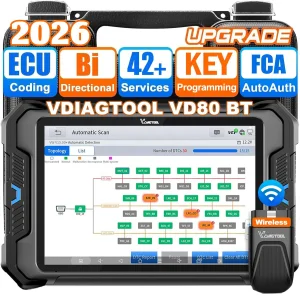
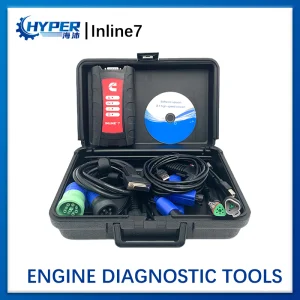
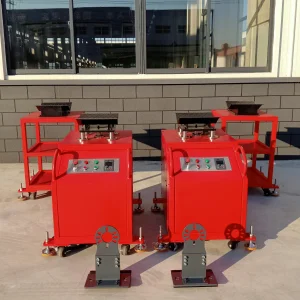
Explore our high-performance automotive testing kits, Electric Vehicle diagnostic systems, and advanced ADAS calibration solutions built to international standards.
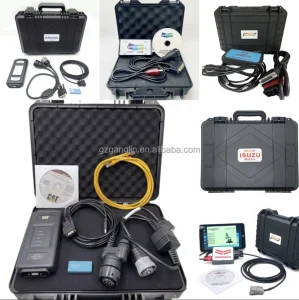
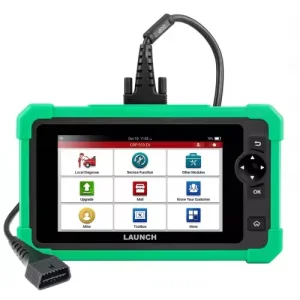
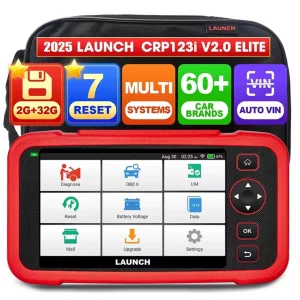
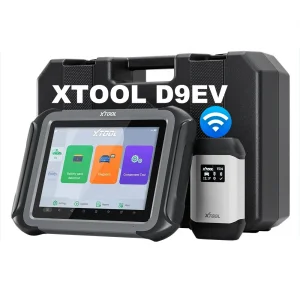
In the era of autonomous vehicles, Advanced Driver Assistance Systems (ADAS), and Electrification (EV), Speed Sensor Testers have evolved from simple continuity checkers into sophisticated signal analyzers. Wheel speed, crankshaft position, transmission input/output speed, and motor resolvers dictate how safety systems behave. When a sensor reports an incorrect value or experiences signal drift, technologies like Anti-lock Braking Systems (ABS), Electronic Stability Control (ESC), and regenerative braking fail immediately.
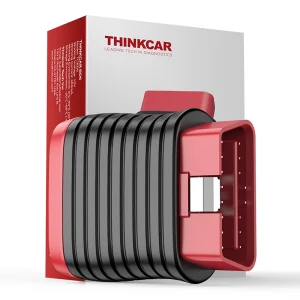
As vehicles transition to high-voltage architectures, diagnosing speed sensors requires specialized tools that isolate signals without exposing technicians to hazardous voltage levels. Global automotive exporters and Tier-1 procurement offices look to China’s industrial ecosystem to source speed sensor calibration machines and comprehensive OBD2 diagnostics. Leading manufacturers, such as Shenzhen Kore Auto Co., Ltd., have established advanced R&D lines that support complex signal waveforms—such as Hall Effect square waves, active magnetoresistive (AMR) currents, and high-frequency digital outputs.
Automotive speed sensors are shifting from passive inductive coils to active sensors using AMR (Anisotropic Magnetoresistive), GMR (Giant Magnetoresistive), and TMR (Tunnel Magnetoresistive) technologies. Inductive sensors generate an analog AC voltage proportional to target speed, whereas active sensors contain semiconductor components powered by the ECU, outputting a precise digital current or square-wave voltage signal.
Modern testers must output simulated signal protocols (like PWM and SENT) to mimic real-world rotation speed directly to the ECU, verifying diagnostic trouble codes without turning the wheels physically on a lift.
Analyzing transient glitches, missing teeth on a magnetic tone ring, or EMI (Electromagnetic Interference) noise requires high-frequency sampling rates (100MHz+), such as those found on advanced 4-channel scopeboxes.
Electrical vehicle motors spin at up to 20,000 RPM. Resolvers that monitor motor speed require dynamic phase alignment and microsecond-level delay testing, requiring high-voltage isolations in the tester circuitry.
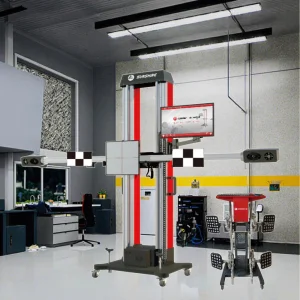
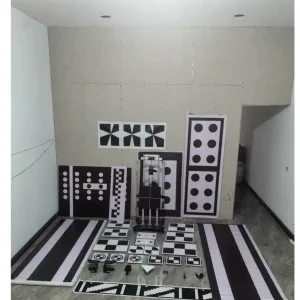
Additionally, the integration of speed sensor diagnostics with ADAS Calibration Devices is critical. If a wheel speed sensor is uncalibrated, ACC (Adaptive Cruise Control) and LDW (Lane Departure Warning) systems calculate braking distances incorrectly, leading to sudden disengagement. Therefore, modern ADAS rigs are engineered to check chassis geometry, alignment, and speed sensor accuracy in one workflow.
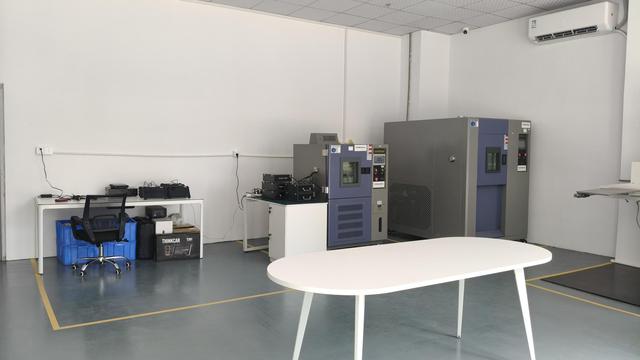
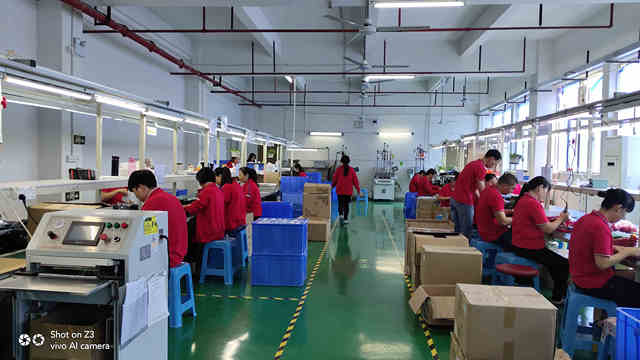
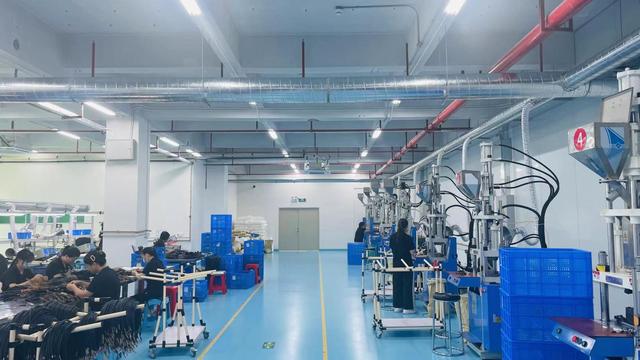
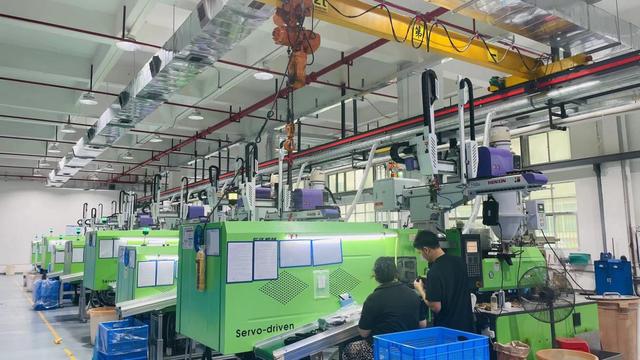
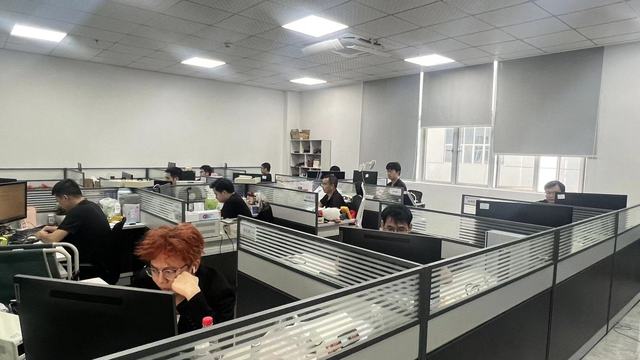
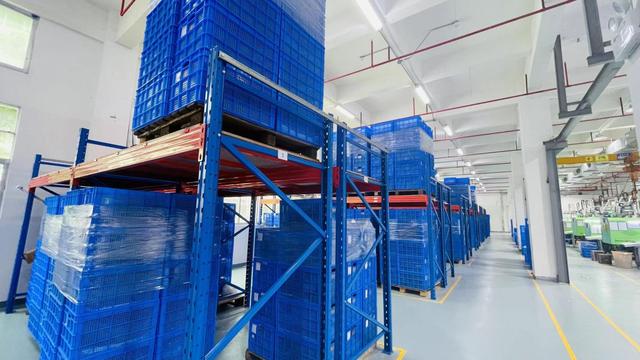
Choosing speed sensor testing tools from Chinese factories like Shenzhen Kore Auto Co., Ltd. gives global procurement officers access to a robust raw-material and manufacturing ecosystem. Our factory floor operates on advanced lean-manufacturing principles, incorporating Surface Mount Technology (SMT) lines, Automated Optical Inspection (AOI), and multi-stage quality assurance chambers.
By co-locating R&D labs with electronic components suppliers in Shenzhen—the Silicon Valley of hardware—we dramatically shorten the development lifecycle. This allows us to rapidly integrate new vehicle databases, including the latest EV models from BYD, Geely, and global automakers, into our scanner interfaces. This integration ensures our diagnostic platforms are always updated.
Diagnostic problems are rarely confined to a single car or a single sensor. Commercial logistics, heavy-duty mining operations, and public transport networks need diagnostic platforms that read sensors across mixed fleets. Heavy machinery (Caterpillar, Komatsu, Volvo, JCB) operates under extreme vibrations and dirty environments, causing frequent wheel speed and hydraulic sensor failures.
Our multi-system commercial scanners and oscilloscope scopeboxes allow fleet managers to connect to the vehicle bus (using protocols like SAE J1939, ISO 14229 UDS, and CAN-FD) and read raw sensor frequencies in real time. Armed with this high-fidelity data, technicians can easily distinguish between a failed speed sensor, a corroded harness connector, or an internal ECU driver error. This reduces vehicle downtime and saves maintenance budgets.
Global automotive tool importers must meet strict international standards before selling diagnostic equipment into local markets. Buying from uncertified factories poses risks, including customs seizures, safety liabilities, or poor software support. Shenzhen Kore Auto Co., Ltd. ensures full compliance with international standards:
All diagnostic instruments pass strict electromagnetic compatibility (EMC) testing, ensuring they neither emit harmful RF noise nor malfunction due to external radio interference.
Our manufacturing lines use non-hazardous, lead-free, and environmentally sustainable materials, ensuring compliance with strict environmental import rules in Europe and North America.
For workshop tools exposed to oil, dirt, and water splashes, we offer IP54-rated enclosures to extend tool service life in tough real-world environments.
Excellent hardware is only half the battle; high-quality diagnostic platforms require ongoing software support. Vehicle communication databases change constantly as manufacturers release new firmware updates. We provide extensive updates for our diagnostic scanners, with several systems offering lifetime free software updates. This ensures workshops can service brand-new vehicle models immediately.
We also support our global distributors with dedicated technical training, localization services, multi-language system translations, and customized user guides. For high-volume buyers, our team offers tailored ODM/OEM branding services, custom case designs, and custom-configured OBD connector kits.
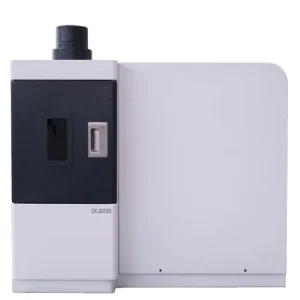
Explore our specialized tools, heavy-duty vehicle interfaces, high-end oscilloscopes, fluid testers, and lab-grade spectrometers.
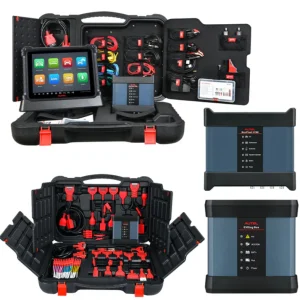
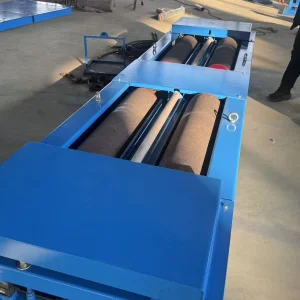
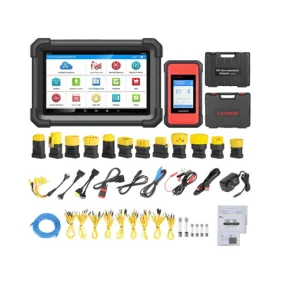
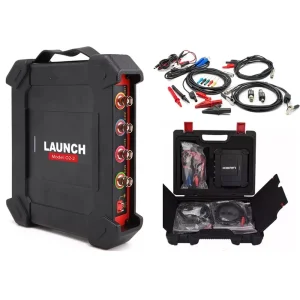
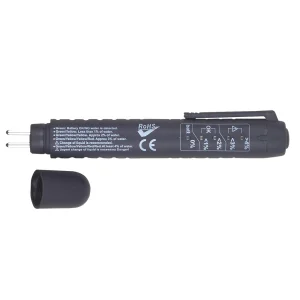
Shenzhen Kore Auto Co., Ltd. is a professional China automotive diagnostic tools manufacturer specializing in the development, production, and global supply of advanced vehicle diagnostic solutions for the automotive aftermarket industry. With extensive experience in automotive electronics and diagnostic technology, Kore Auto is committed to delivering intelligent, reliable, and high-performance diagnostic equipment to customers worldwide.
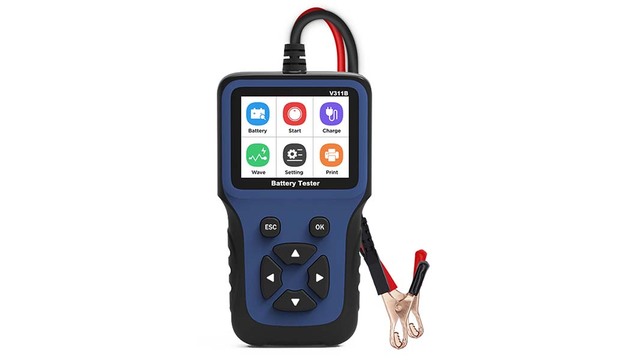
Our comprehensive product portfolio includes automotive diagnostic scanners, OBD diagnostic tools, ECU programming equipment, TPMS diagnostic systems, ADAS calibration equipment, battery testing devices, vehicle inspection systems, automotive oscilloscopes, remote diagnostic platforms, and customized diagnostic solutions. These products are widely used by automotive repair workshops, dealerships, fleet operators, vehicle inspection centers, and maintenance service providers.
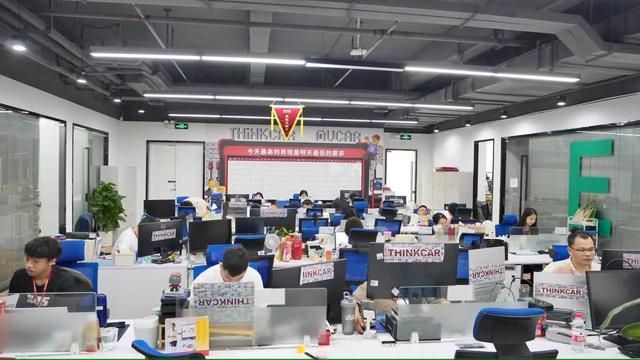
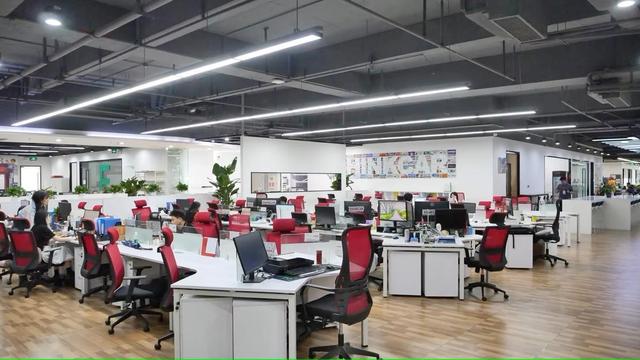
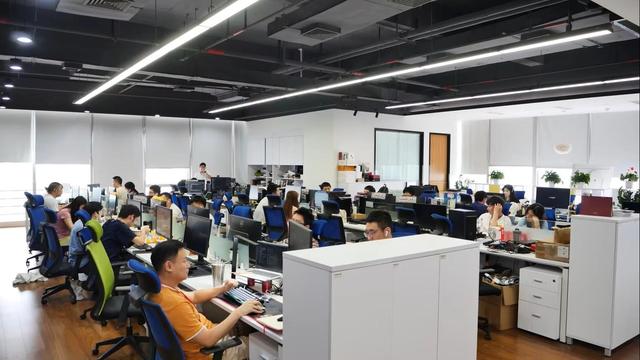
Driven by innovation, Shenzhen Kore Auto continuously invests in research and development to keep pace with the rapidly evolving automotive industry, including electric and connected vehicles. Our experienced engineering team develops cutting-edge diagnostic technologies featuring comprehensive vehicle coverage, fast data processing, intelligent fault analysis, wireless connectivity, and user-friendly software interfaces.
Quality and reliability are fundamental to our success. Every product is manufactured under strict quality control standards and undergoes rigorous testing procedures to ensure stable performance, accuracy, and durability in demanding workshop environments. We also provide flexible OEM and ODM services, helping customers develop customized automotive diagnostic products tailored to specific market requirements.
Serving customers throughout Europe, North America, South America, Asia, the Middle East, and Africa, Shenzhen Kore Auto Co., Ltd. has established long-term partnerships with distributors, automotive service providers, and industry professionals worldwide.

 Kore Auto