Explore our premium diagnostic devices, code scanners, and automotive electronics built for workshops and fleets worldwide.
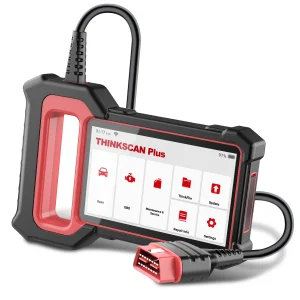
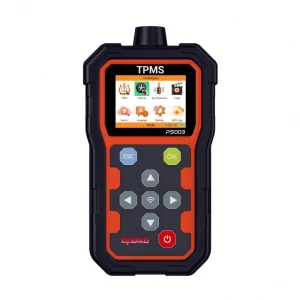
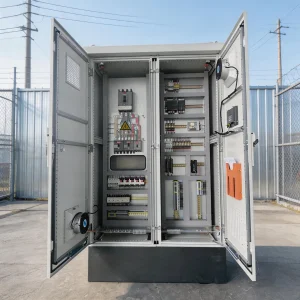
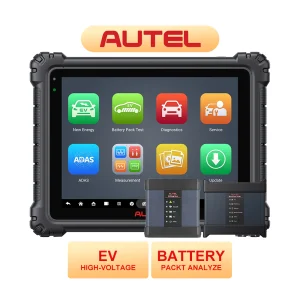
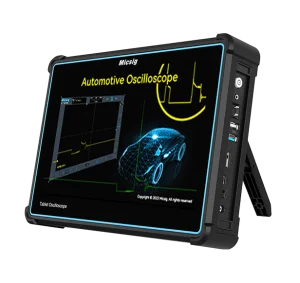
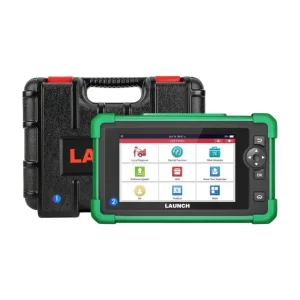
Shenzhen Kore Auto Co., Ltd. is a professional China automotive diagnostic tools manufacturer specializing in the development, production, and global supply of advanced vehicle diagnostic solutions for the automotive aftermarket industry. With extensive experience in automotive electronics and diagnostic technology, Kore Auto is committed to delivering intelligent, reliable, and high-performance diagnostic equipment to customers worldwide.
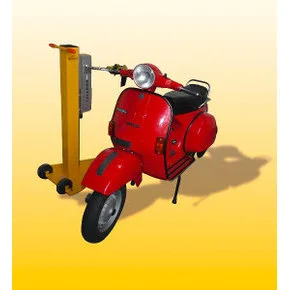
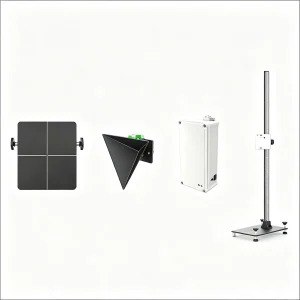
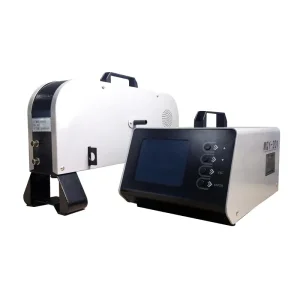
Our comprehensive product portfolio includes automotive diagnostic scanners, OBD diagnostic tools, ECU programming equipment, TPMS diagnostic systems, ADAS calibration equipment, battery testing devices, vehicle inspection systems, automotive oscilloscopes, remote diagnostic platforms, and customized diagnostic solutions. These products are widely used by automotive repair workshops, dealerships, fleet operators, vehicle inspection centers, and maintenance service providers.
Our experienced engineering team develops cutting-edge diagnostic technologies featuring comprehensive vehicle coverage, fast data processing, intelligent fault analysis, wireless connectivity, and user-friendly software interfaces.
Quality and reliability are fundamental to our success. Every product is manufactured under strict quality control standards and undergoes rigorous testing procedures to ensure stable performance, accuracy, and durability in demanding workshop environments.
We also provide flexible OEM and ODM services, helping customers develop customized automotive diagnostic products tailored to specific market requirements. Serving Europe, North America, South America, Asia, the Middle East, and Africa, we have established long-term partnerships with distributors and industry professionals worldwide.
A comprehensive overview of state-of-the-art charging topologies, intelligent safety features, and battery recovery algorithms.
Modern battery maintainers utilize high-speed microcontrollers running advanced 8-stage charging cycles (Desulfation, Soft Start, Bulk, Absorption, Analysis, Recondition, Float, and Maintenance Pulse). These stages ensure minimal thermal stress and optimal cell health.
Over time, lead-acid batteries accumulate lead sulfate crystals that degrade capacity. Our maintainers send high-frequency voltage pulses that dissolve these crystals, successfully restoring battery impedance and extending product lifespan by up to 2.5 times.
Equipped with short circuit protection, reverse polarity safeguards, over-temperature throttling, over-current limits, and spark-proof systems. These fail-safes are essential for maintaining unattended operation in commercial depots and showrooms.
In addition to these core architectures, advanced battery maintainers must provide multi-chemistry compatibility. Modern fleet garages manage a diverse fleet containing not only traditional Flooded (wet) lead-acid batteries, but also Sealed Lead-Acid (SLA), Absorbed Glass Mat (AGM), Gel cells, and modern Lithium-Iron Phosphate (LiFePO4) systems. Each of these chemistries demands precise charging curves; utilizing a standard lead-acid algorithm on a LiFePO4 battery, for example, can result in cell degradation or terminal safety events. Thus, Kore Auto's intelligent charging systems feature active chemistry detection, automatically adjusting voltage cut-offs and monitoring thermal dynamics in real-time.
| Battery Chemistry | Nominal Voltage | Absorption Stage Voltage | Float Stage Voltage | Critical Safety Parameter |
|---|---|---|---|---|
| Standard Flooded / Wet Cell | 12.0V | 14.4V - 14.6V | 13.2V - 13.5V | Water loss, venting check |
| Absorbed Glass Mat (AGM) | 12.0V | 14.7V - 14.8V | 13.5V - 13.8V | Thermal runaway prevention |
| Gel Cell (GEL Chemistry) | 12.0V | 14.1V - 14.4V | 13.5V - 13.8V | Precise voltage limit control |
| Lithium Iron Phosphate (LiFePO4) | 12.8V | 14.4V - 14.6V | 13.5V - 13.6V | Low-temperature charge cutoff (<0°C) |
The manufacturing ecosystem in Guangdong, particularly Shenzhen, provides unprecedented advantages for global OEM/ODM sourcing. Understanding these localized efficiencies allows procurement managers to mitigate supply chain bottlenecks and maximize cost-to-quality performance ratios.

Adapting electrical configurations, user interfaces, and certification matrices to meet the distinct legal requirements of different target jurisdictions.
Must comply with UL 1236 standard for battery chargers, California Energy Commission (CEC) efficiency standards, and FCC Part 15 Class B electromagnetic interference rules.
Adherence to the Low Voltage Directive (LVD) 2014/35/EU, EMC Directive 2014/30/EU, and RoHS hazardous materials limits to guarantee safe, Eco-friendly operational lifetimes.
Specific national requirements, such as SAA certifications in Australia, PSE circle/diamond marks in Japan, and KC certifications in South Korea, each requiring specialized external labeling.
Providing customized plug types (NEMA 1-15, Schuko, BS 1363) alongside temperature-resistant heavy-duty AWG cabling, designed to handle sub-zero garage temperatures without cracking.
Shenzhen Kore Auto Co., Ltd. continuously submits all hardware revisions to international testing bodies (such as TÜV SÜD, Intertek, and SGS) to assure commercial customers of the safety of our electrical components. We understand that a failure in a workshop battery maintainer can compromise high-value customer vehicles, make showrooms vulnerable to electrical hazards, and interrupt daily operations. Hence, every shipment is backed by a comprehensive QA testing report and trace numbers linked back to our Shenzhen facility.
A structured approach for international distributors, car dealerships, and fleet managers to identify the ideal supplier partners.
Ensure the manufacturer can send functional engineering samples for long-term load testing prior to wire transfer of deposits. Confirm compatibility with local grid fluctuations.
Inquire about Minimum Order Quantities (MOQ) for custom silk-screen logos, custom color plastics, customized packaging, and localized manuals translated by industry linguists.
Identify clear SLA agreements on defective rates. Premium suppliers like Kore Auto offer direct replacement credits or 1-2% spare units included with bulk containers to minimize shipping costs.
The convergence of electric powertrains, wireless communications, and predictive analytics is reshaping vehicle power management systems. As vehicle components become more interdependent, battery chargers can no longer act as isolated power bricks.
Integration of Wi-Fi and Bluetooth low energy (BLE) allows maintenance managers to review charging metrics, real-time temperatures, and battery health indexes remotely via cloud-based dashboards. This helps prevent vehicle down-time in active transport depots.
Even high-voltage electric cars (EVs) utilize a standard 12V auxiliary system to run control computers, displays, and ADAS sensors. While traction packs are durable, 12V lithium or AGM backup systems frequently experience parasitic drain. Specialized EV low-voltage maintainers are becoming essential in repair shops worldwide.
How specialized diagnostic chargers adapt to distinct commercial, residential, and industrial environments.
Vehicle headlights, interior systems, and interactive panels drain batteries when shown on showroom floors. Invisible, silent trickle charging keeps auxiliary systems active without showing unsightly cables.
In regions such as Scandinavia, Northern US, and Canada, winter temperatures degrade battery output by up to 50%. Automatic thermal compensation models increase charger voltage output during sub-zero temperatures, preventing sulfation.
Heavy-duty transport trucks, municipal ambulances, and police fleets rely on rapid vehicle dispatch. Reliable, hardwired battery maintainers assure maximum cranking power for critical responses.
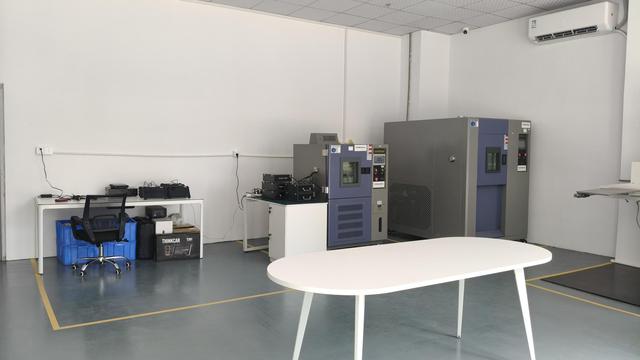
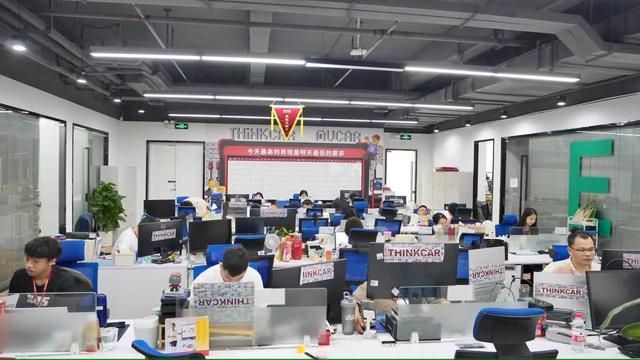
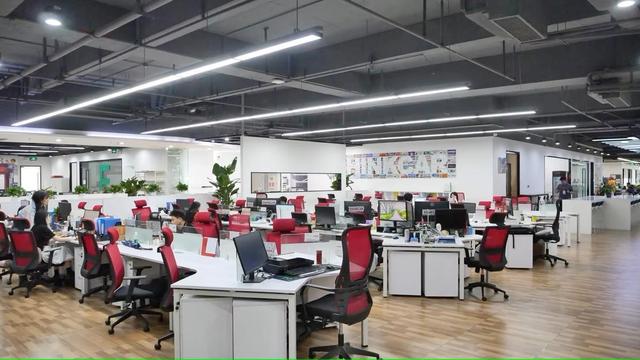
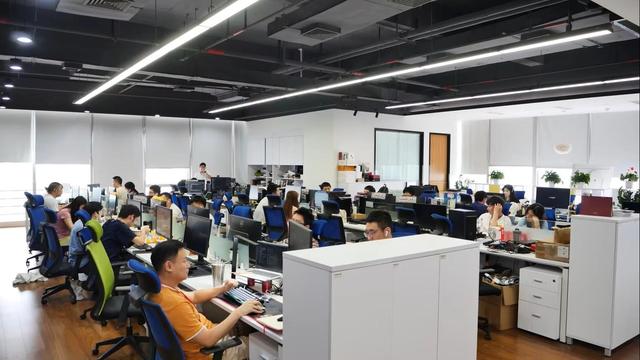
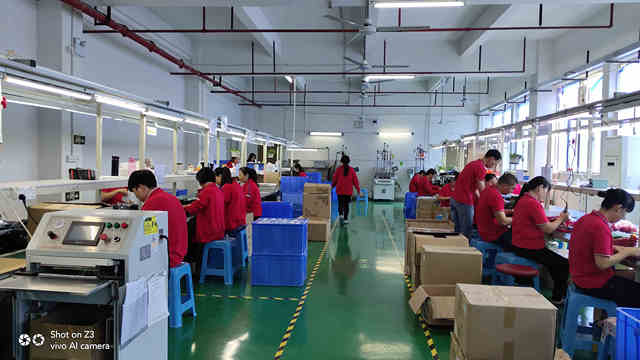
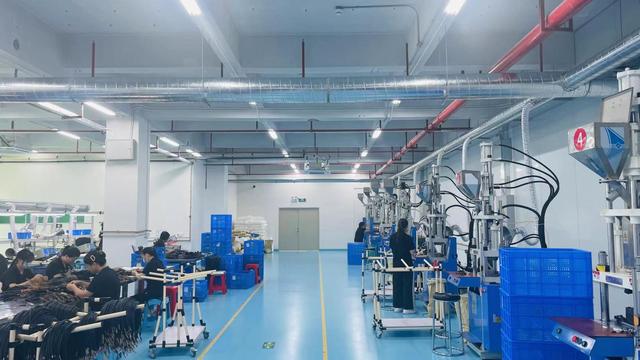
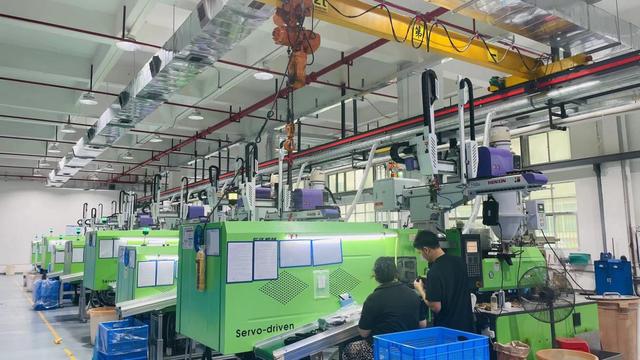
Take a closer look at our cleanrooms, testing labs, and assembly workshops located in the heart of Shenzhen.
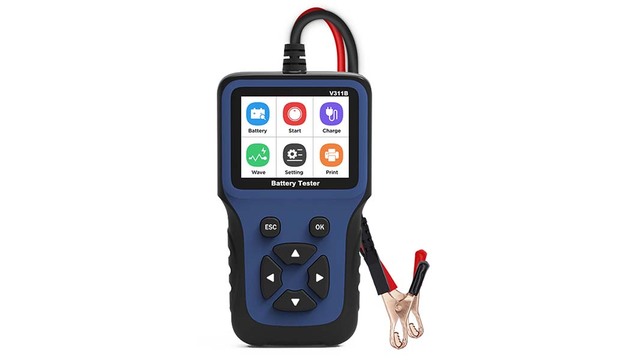
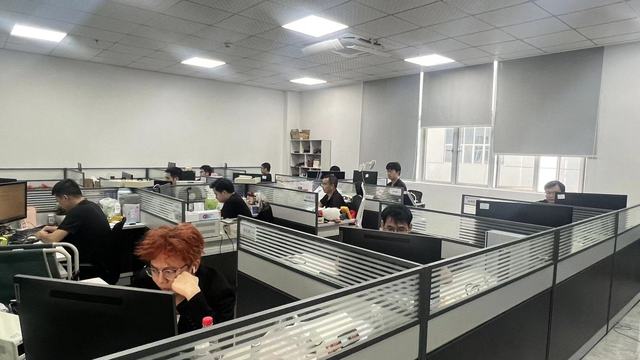
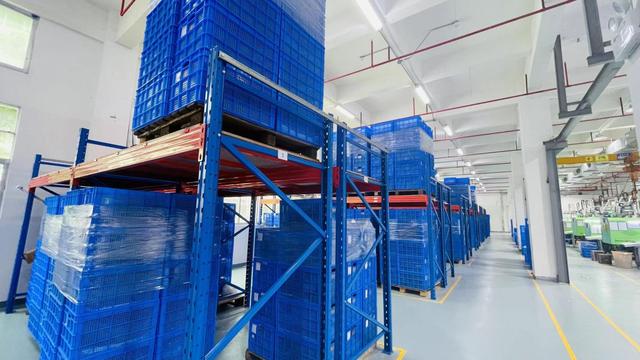
Clear, direct answers regarding diagnostic technology, battery chargers, OEM development, and logistics.
A standard charger delivers high current to replenish a flat battery as quickly as possible. An intelligent battery maintainer features real-time diagnostics that monitor the state of charge, automatically transitioning to a low-amperage "float" or "pulse" stage once the battery is full. This prevents overcharging and allows the maintainer to remain connected indefinitely without harming the cells.
Chemical reactions inside lead-acid and lithium batteries vary based on ambient temperature. In cold environments, the battery requires a higher charging voltage limit to reach full capacity. In hot climates, charging voltages must be decreased to prevent water boil-off, venting, and thermal runaway. A maintainer with thermal compensation uses an internal or external temperature probe to automatically adjust voltage parameters.
Yes. Our intelligent diagnostic chargers have dedicated profiles for AGM, GEL, Standard Wet, Calcium, and Lithium (LiFePO4) chemistries, selectable via interface button or automatically determined by the internal diagnostic module.
Our products carry UL, CE, FCC, RoHS, and PSE certifications, depending on the target market. We supply complete test reports and declarations of conformity with every bulk shipment.
Absolutely. Shenzhen Kore Auto Co., Ltd. provides customized plastic molding color options, silk-screen logos, custom packaging, and firmware customization (such as startup logo screens on smart LCD maintainers).
Standard OEM production ranges from 25 to 40 days depending on component availability and customization requirements. Standard products can ship within 10 to 15 business days.
Our quality control includes 100% SMT optical testing (AOI), automated functional tests (ATE), and a minimum of 4 hours of full-load burn-in testing for every battery system to identify early components wear-out before dispatch.
Yes. Built-in spark-proof connections, reverse polarity protection, and a thermal-runaway detection algorithm ensure that if any cell anomalies occur, the system shuts down and lights a red warning indicator to alert personnel.
Standard battery chargers cannot detect batteries discharged below 8-9V. However, Kore Auto’s maintainers are equipped with a low-voltage recovery mode that can detect and pulse-charge batteries drained down to 1.5V, helping workshops salvage deeply discharged assets.
For major fleet operators and network dealerships, we provide Bluetooth API structures and SDK integration options. This allows you to collect data from our diagnostic devices and integrate it with your centralized enterprise fleet management dashboards.
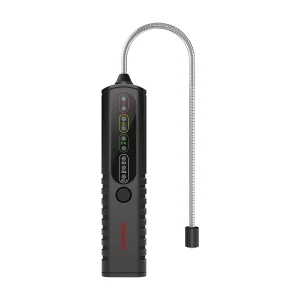
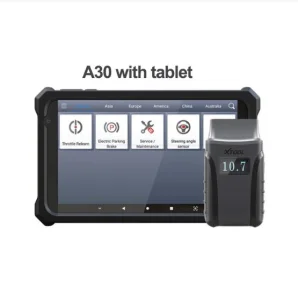
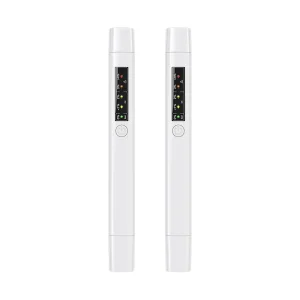
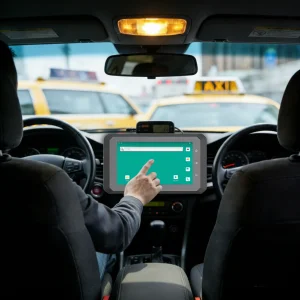
Premium auxiliary devices, digital testers, and heavy-duty inspection tools for automotive specialists and energy storage facilities.
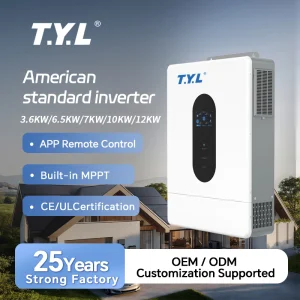
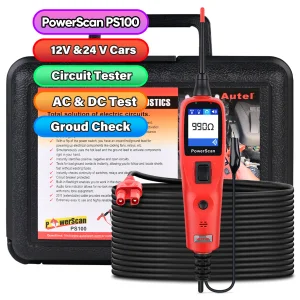
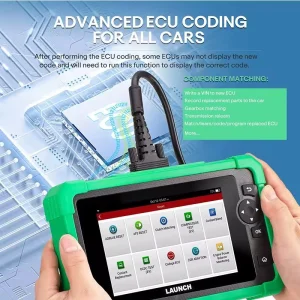
 Kore Auto