Explore our state-of-the-art diagnostic scanners, sensor simulators, and EV testers engineered for modern vehicle service departments and global wholesale channels.
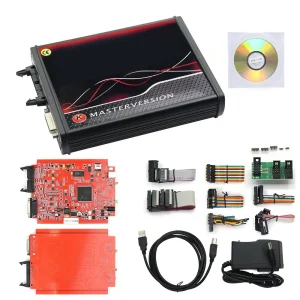
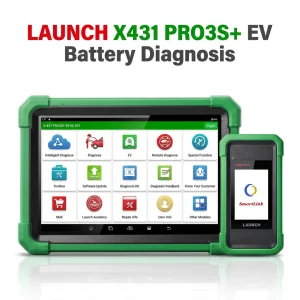
The automotive industry is undergoing a monumental transition, driven by the emergence of Software-Defined Vehicles (SDVs), Advanced Driver Assistance Systems (ADAS), and Electrification (EVs). Consequently, the requirement for highly precise, reliable, and multi-protocol vehicle component testers has reached unprecedented levels. Modern automotive diagnostic tools are no longer simple code readers; they are sophisticated computing platforms that interface directly with complex distributed gateway architectures, high-performance computing (HPC) nodes, and localized vehicle control modules (ECUs).
As a leading supplier of automotive testing systems, Shenzhen Kore Auto Co., Ltd. sits at the heart of this industrial transformation. We manufacture and supply high-precision components designed to scan, analyze, and flash components across varying bus systems including CAN, CAN-FD, LIN, FlexRay, and automotive Ethernet (DoIP). This technological capacity is crucial for automotive distributors, independent workshop chains, and fleet managers who require comprehensive coverage across legacy internal combustion engines (ICE) and the latest new energy vehicle (NEV) platforms.
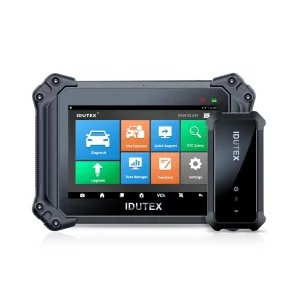
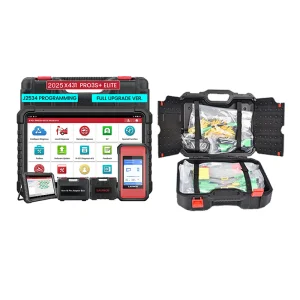
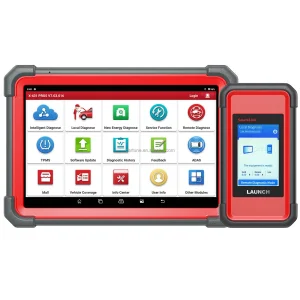
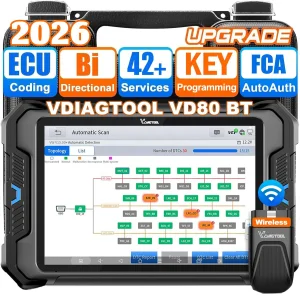
Diagnostic equipment must resolve DTCs across all primary computers: Engine, Transmission, ABS, SRS, ADAS, and BMS modules. Our tools support deep-level diagnostic functions including bi-directional control, adaptive learning, and actuation testing.
EV maintenance demands structural analysis of high-voltage batteries. Our EV-dedicated tools scan cell voltages, temperature gradients, and insulation resistances, ensuring State of Health (SoH) and State of Charge (SoC) evaluation.
Enabling independent operators to perform high-level OEM software flashing. By conforming to international communication standards, our hardware serves as a secure bridge for remote technician interfaces.
For international wholesalers and professional diagnostic brands, sourcing from an integrated manufacturer provides immense supply-chain advantages. The automotive aftermarket is highly localized, requiring products that comply with regional requirements such as FCC (North America), CE (European Union), UKCA (United Kingdom), and KC (South Korea). China's wholesale cluster for vehicle component testers offers unparalleled economies of scale, coupled with high-tech assembly pipelines that integrate robust software engineering.
Shenzhen Kore Auto Co., Ltd. addresses these pain points by offering modular hardware architecture and customizable software APIs (SDKs). Our manufacturing floor integrates automated Surface Mount Technology (SMT) and strict calibration systems to verify oscilloscope tolerances, sensor simulator output ranges, and fuel injection timing signals. By selecting a manufacturer that manages the entire lifecycle—from circuit board design (PCB layout) and firmware compilation to plastic injection molding and packaging—wholesale clients secure stable, long-term market advantages.
Shenzhen Kore Auto Co., Ltd. is a professional China automotive diagnostic tools manufacturer specializing in the development, production, and global supply of advanced vehicle diagnostic solutions for the automotive aftermarket industry. With extensive experience in automotive electronics and diagnostic technology, Kore Auto is committed to delivering intelligent, reliable, and high-performance diagnostic equipment to customers worldwide.
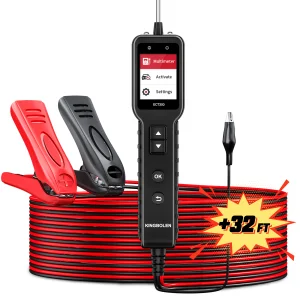
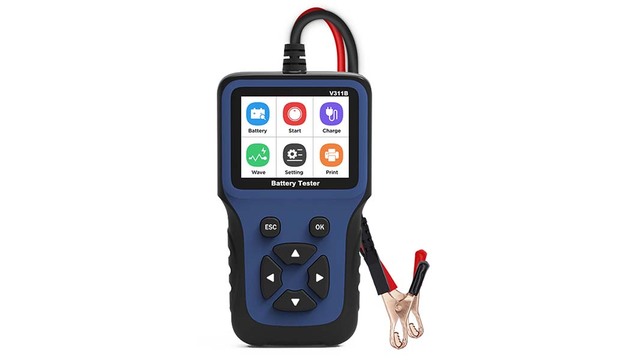
Our comprehensive product portfolio includes automotive diagnostic scanners, OBD diagnostic tools, ECU programming equipment, TPMS diagnostic systems, ADAS calibration equipment, battery testing devices, vehicle inspection systems, automotive oscilloscopes, remote diagnostic platforms, and customized diagnostic solutions. These products are widely used by automotive repair workshops, dealerships, fleet operators, vehicle inspection centers, and maintenance service providers.
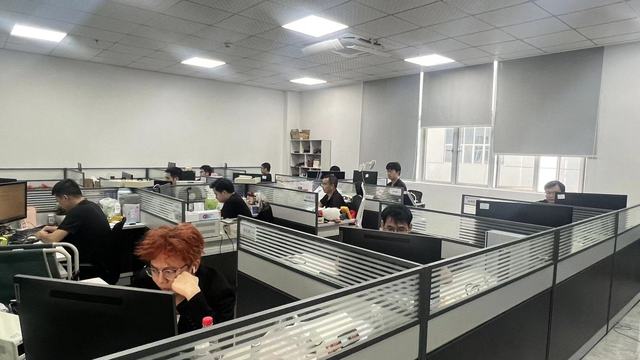
Driven by innovation, Shenzhen Kore Auto continuously invests in research and development to keep pace with the rapidly evolving automotive industry, including electric and connected vehicles. Our experienced engineering team develops cutting-edge diagnostic technologies featuring comprehensive vehicle coverage, fast data processing, intelligent fault analysis, wireless connectivity, and user-friendly software interfaces.
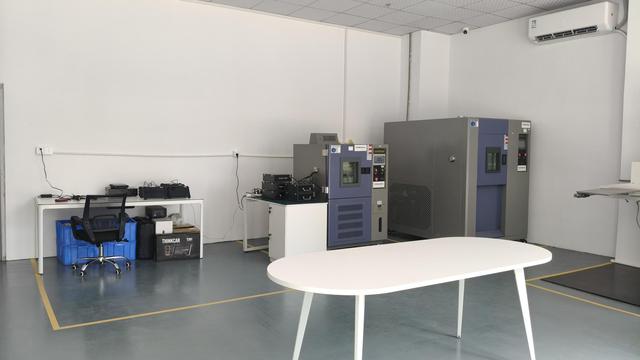
Quality and reliability are fundamental to our success. Every product is manufactured under strict quality control standards and undergoes rigorous testing procedures to ensure stable performance, accuracy, and durability in demanding workshop environments. We also provide flexible OEM and ODM services, helping customers develop customized automotive diagnostic products tailored to specific market requirements.
Serving customers throughout Europe, North America, South America, Asia, the Middle East, and Africa, Shenzhen Kore Auto Co., Ltd. has established long-term partnerships with distributors, automotive service providers, and industry professionals worldwide.
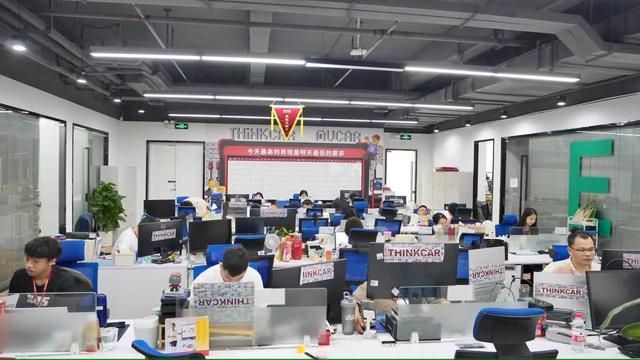
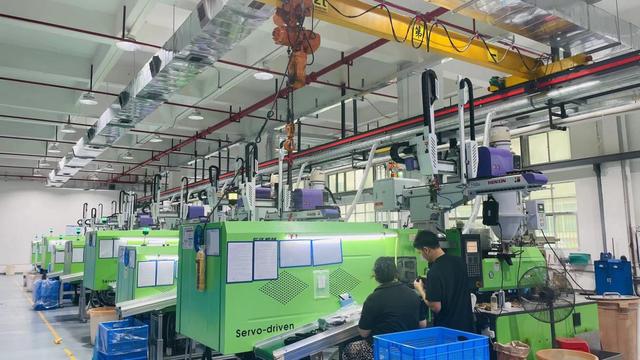
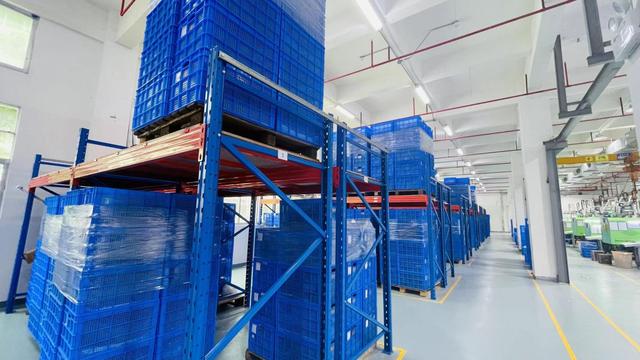
Inside Kore Auto's modern manufacturing lines, SMT clean rooms, assembly zones, and rigorous product testing chambers.

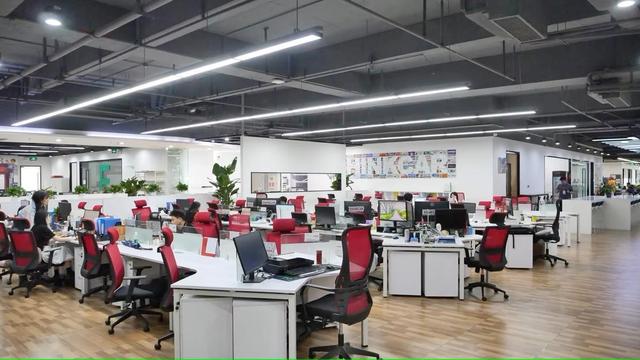
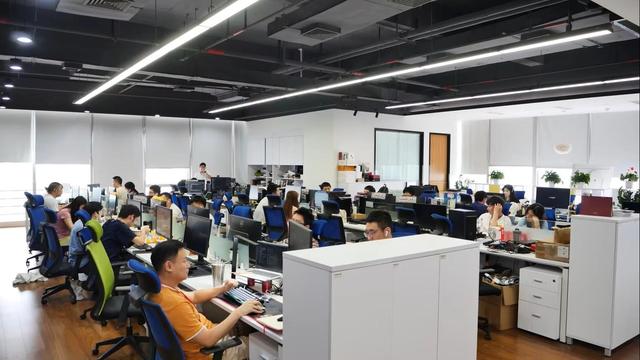
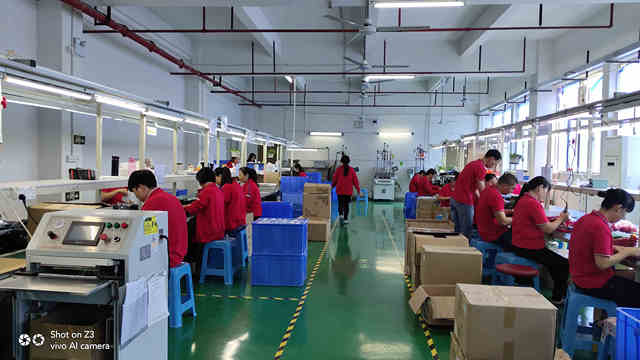
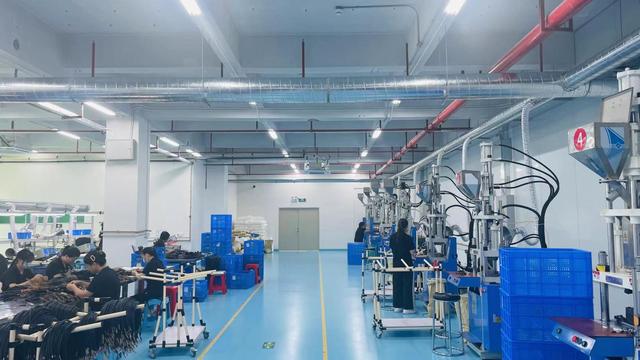
The pace of automotive engineering dictates that diagnostic hardware must adapt faster than ever. Standard legacy architectures (OBD-II via K-Line or classic CAN) are being replaced or augmented by advanced technologies designed to handle complex vehicle operations. To remain competitive, professional workshops and distribution channels need to implement several key technological innovations:
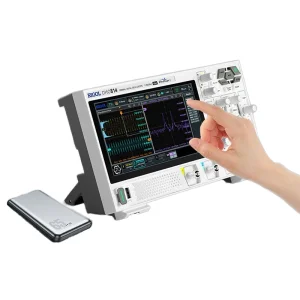
As vehicle buses increase in speed, basic testing probes fail to capture transient anomalies in network lines. Modern diagnostic requirements dictate the use of tools like the RIGOL DHO804/DHO814 high-definition touch screen portable digital oscilloscopes. Operating with up to 100MHz analog bandwidth, these instruments allow engineers and master technicians to visualize tiny voltage drops, clock jitter, and signal distortion in high-speed networks, preventing costly module misdiagnoses.
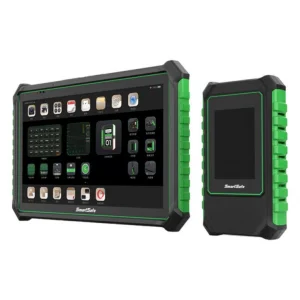
EV battery packs operate at voltages ranging from 400V to over 800V. Traditional battery load testers are entirely inadequate for analyzing these systems. Modern diagnostic kits, such as the LAUNCH X431 EV Add-on Kit or the SmartSafe P13 EV Detector, allow workshops to connect directly to the battery management system (BMS) through specialized communication protocols. This bypasses the centralized gateway to diagnose individual cell voltages, temperatures, internal resistances, and perform specialized battery pack cell balancing processes.
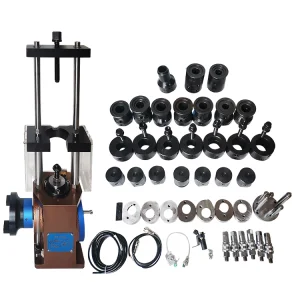
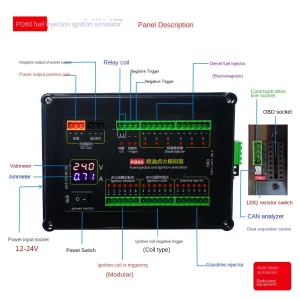
In diesel and gasoline drivetrains, fuel system calibration is critical to achieving strict emissions standards (such as Euro 6 and EPA Tier 4). Equipment like the Cambox Automotive Diagnostic Tool and the PD60 Fuel Injection Ignition Simulator allow technicians to bench-test Electronic Unit Injectors (EUI) and Electronic Unit Pumps (EUP) under simulated running conditions, diagnosing solenoid response speeds, delivery pressure profiles, and injector degradation before assembling the physical engine.
Different markets present distinct legal, environmental, and physical challenges that vehicle component testers must address. Providing a one-size-fits-all solution is no longer viable in the premium aftermarket sector.
Heavy focus on heavy-duty diesel protocols (J1939), OBD-II Evaporative Emissions (EVAP) testing, and strict ADAS calibration alignments to meet NHTSA safety specifications.
Requires full compliance with CE, RoHS, and UKCA, alongside DoIP protocols to handle newer vehicles from VAG, BMW, and Mercedes-Benz using secure diagnostic gateways.
Massive demand for EV battery pack diagnostic equipment supporting brands like BYD, Tesla, and local domestic manufacturers, coupled with local cloud databases.
Expert technical insights to address search intent, focusing on protocols, diagnostics setups, and calibration.
DoIP (Diagnostics over Internet Protocol) uses Ethernet-based physical layers to transfer diagnostic data at speeds up to 100 Mbps, which is essential for flashing large flash memories and handling complex gateway structures. CAN-FD (Controller Area Network Flexible Data-Rate) is an evolution of classical CAN, increasing data packet size from 8 bytes to 64 bytes and speeds up to 5-8 Mbps. Modern diagnostic platforms must support both to service contemporary vehicle networks.
In drivetrain test benches, power loads swing dynamically between motoring and absorbing modes. An ATS safely manages power redirection, preventing sudden voltage feedback surges from damaging expensive dynamometers or the electronics under test, ensuring uninterrupted data acquisition during stress simulations.
Newer vehicles employ Secure Gateways (SGW) to prevent unauthorized OBD modifications. Advanced programming tools use encrypted digital certificates authorized through automaker channels or utilize direct pinout connections (bench/boot mode) to flash the EEPROM/Microcontroller directly, bypassing the security modules.
While voltage levels indicate charging status, the most critical parameters are the temperature variance across cell groupings and the insulation resistance. A high thermal variance indicates potential micro-short circuits inside the cells, which could lead to thermal runaway if left unaddressed.
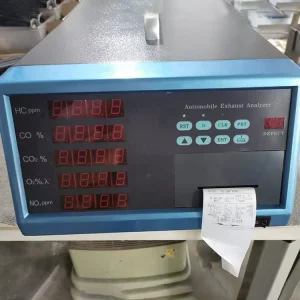
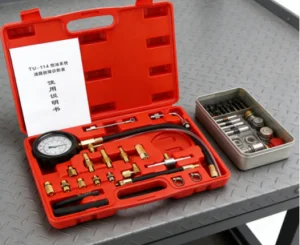
Heavy-duty testing benches, precision oscilloscopes, exhaust analyzers, and locksmith programming tools built for strict industry standards.
 Kore Auto