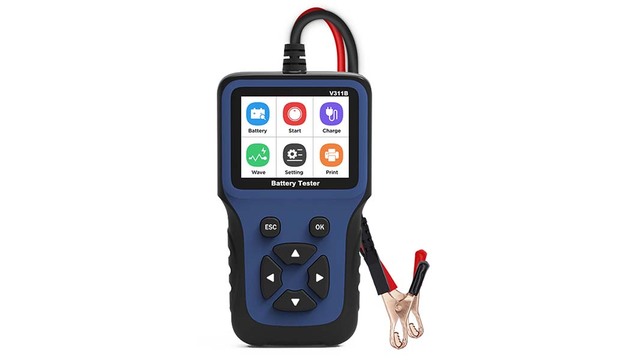
In the contemporary global automotive ecosystem, vehicle diagnostics have evolved from simple physical inspections into highly complex, digital, data-driven workflows. At the heart of this revolution is the Car Battery Analyzer. As vehicles become increasingly reliant on intricate electrical systems, Advanced Driver Assistance Systems (ADAS), and electrified powertrains, the demand for precision diagnostics has surged. High-performance batteries, whether traditional lead-acid, Absorbed Glass Mat (AGM), or advanced Lithium-ion arrays, require sophisticated analysis to determine State of Health (SOH), State of Charge (SOC), and Cold Cranking Amps (CCA) capabilities under extreme conditions. For international procurement managers, distributors, and workshops, identifying a reliable Custom OEM Car Battery Analyzer Exporter is crucial to securing high-performance equipment tailored to localized market requirements.
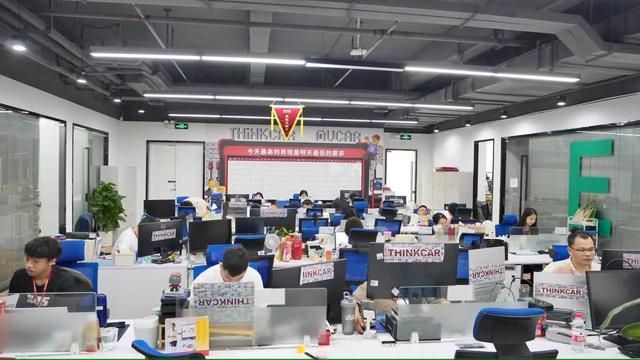
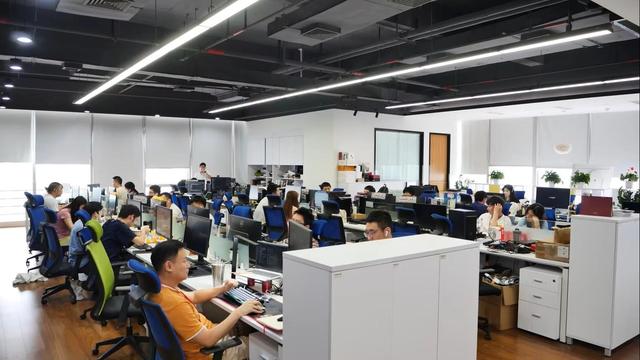
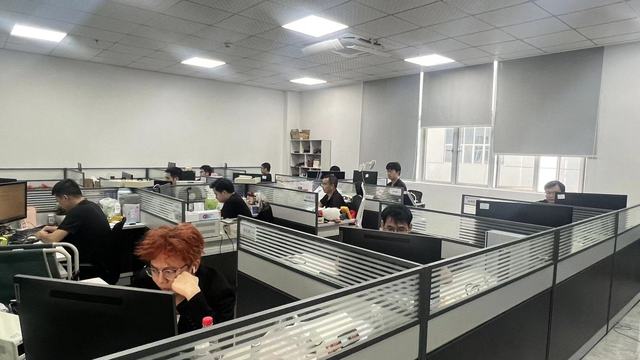
As a global pioneer in this space, Shenzhen Kore Auto Co., Ltd. stands at the forefront of this industrial shift. We design, engineer, and manufacture top-tier diagnostic devices tailored for international importers and distributors. Operating within the manufacturing hub of Shenzhen, China, we combine the efficiency of China's Factory 4.0 infrastructure with rigorous R&D processes, offering highly customizable OEM/ODM diagnostic solutions that meet international standards like CE, FCC, RoHS, and IATF 16949.
"To build a resilient supply chain in automotive aftermarket diagnostics, global buyers must prioritize information transparency, design adaptability, and comprehensive hardware-software integration. Modern diagnostic platforms are no longer standalone readers; they are the gateway to cloud-integrated vehicle maintenance."
Traditional resistive load testing is fast being replaced by dynamic conductance technology, which measures plate surface area to determine battery health without draining charge. This ensures safer, spark-free testing environments for technicians.
Next-gen car battery analyzers sync seamlessly via Bluetooth 5.0 and Wi-Fi to proprietary cloud platforms. This allows for historical battery degradation tracking, central database fleet telemetry, and instantaneous report printing.
Modern service stations require diagnostic units capable of analyzing both standard 12V lead-acid starting batteries and high-voltage 48V/800V Lithium-ion packs used in hybrid and electric vehicles (EVs), requiring unified architectures.
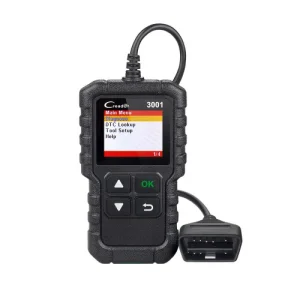
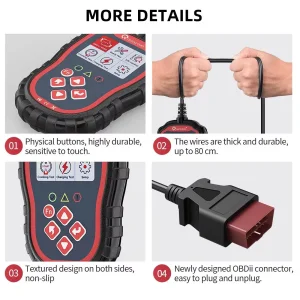
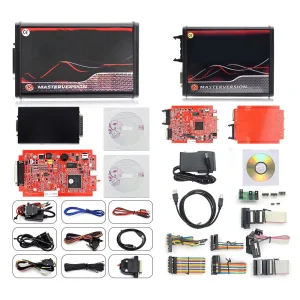
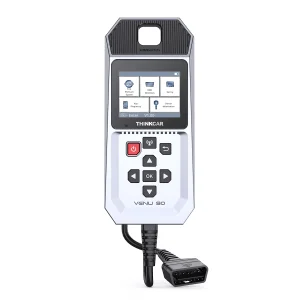
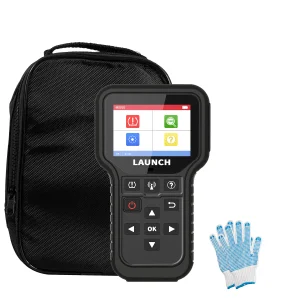
In addition to these trends, global markets are seeing a major shift toward smart integration. Diagnostic tools are no longer isolated hardware units; they are comprehensive data portals. By embedding advanced diagnostic chips, tools like the *Launch Creader 3001* and the *KESS/KTAG ECU Programmers* enable workshops to pinpoint the precise root causes of battery drain, alternator failures, and parasitic ground-fault currents. As an experienced exporter, Kore Auto keeps pace with these technological strides, integrating adaptive testing algorithms into our customized hand-held analyzers to dynamically adapt to various battery chemistries (EFB, AGM Flat Plate, AGM Spiral, and Lithium-ion).
B2B procurement professionals responsible for importing diagnostic tools face distinct challenges when sourcing suppliers from China or other regions. To build a robust supply chain, buyers must balance quality, localization capacity, cost-efficiency, and post-sales technical support. Let us evaluate the core parameters of successful global diagnostics sourcing:
Distributors selling in Latin America, Europe, or the Middle East require software completely localized into Spanish, French, German, Arabic, and more. A versatile exporter must provide firmware flashing capabilities, custom startup logos, and regional diagnostic databases containing localized OBD2 vehicle protocols.
Workshop environments are demanding. Diagnostic tools are exposed to dropped impacts, grease, high heat, and vibrations. Sourcing devices constructed from high-strength ABS/polycarbonate housing with anti-skid rubberized grips prevents early field failures. Furthermore, products must pass international testing criteria like the UN38.3 test shaker for shipping safety and carry CE and FCC declarations.
A battery tester is only as good as its accuracy. Exporters must calibrate their units to international standards, including CCA, DIN, JIS, EN, SAE, IEC, and MCA. Precision testing minimizes warranty claims for workshops and improves customer trust, establishing long-term credibility for your diagnostic tool brand.
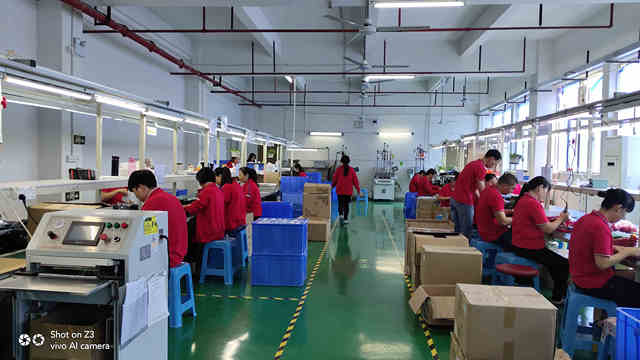
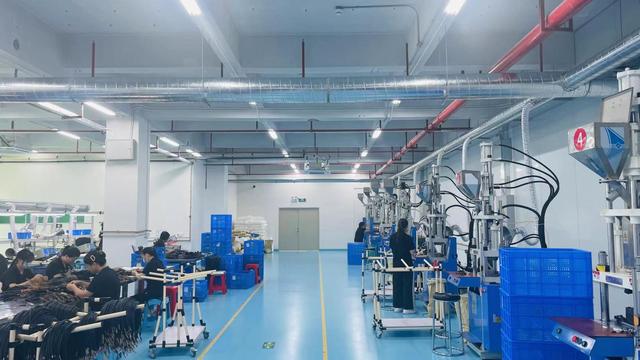
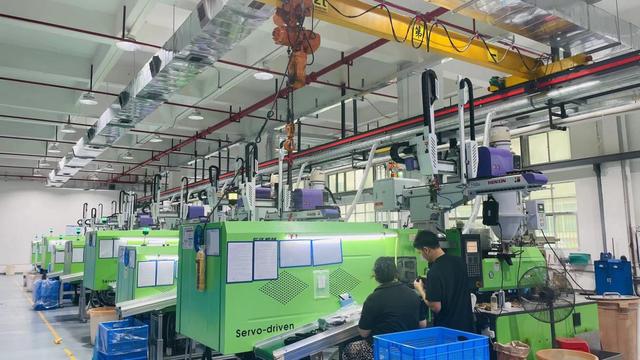
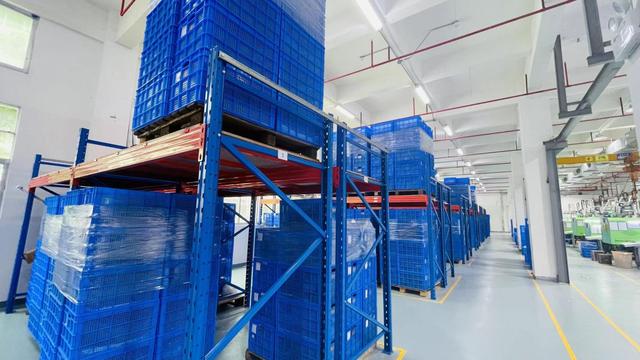
Shenzhen Kore Auto Co., Ltd. represents the peak of Chinese Factory 4.0 automotive electronics manufacturing. Our production lines utilize advanced Surface Mount Technology (SMT) for mainboards, automated component pick-and-place systems, and automated optical inspection (AOI) to eliminate manufacturing defects. Our facility in Shenzhen integrates robust quality management systems (QMS) modeled after IATF 16949 automotive standards.
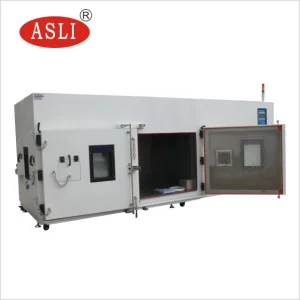
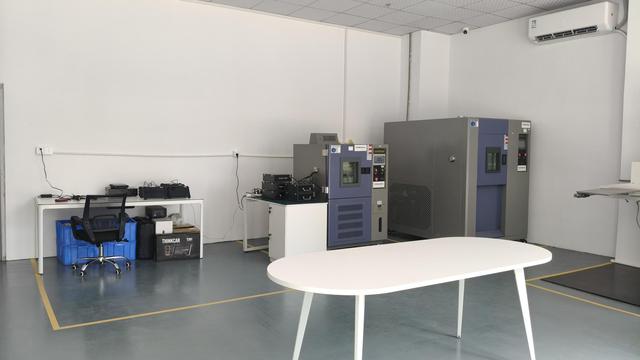
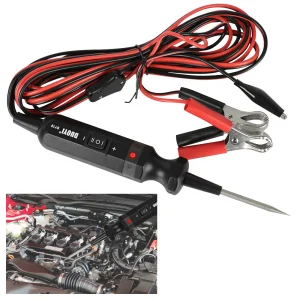
By controlling the manufacturing pipeline from initial PCB design, plastic injection molding, and firmware development to final quality inspection, Kore Auto ensures unmatched cost-efficiency and supply chain stability. Our high-and-low temperature environmental chambers and 3-axis electromagnetic vibration tables ensure that every product, from the simple circuit tester pen to multi-channel battery testing systems, can withstand the most hostile operational environments.


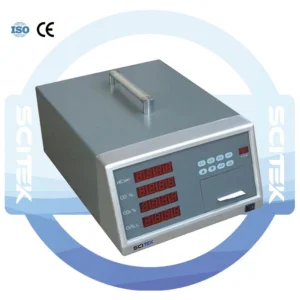
In logistics environments where massive vehicles like Sinotruk HOWO trucks operate daily, engine and battery diagnostic downtime translates directly to significant economic losses. Technicians rely on specialized diagnostic systems like the Sinotruk HOWO Heavy Duty Truck Engine Analyzer to monitor battery starting efficiency, alternator voltage ripple, and starter motor health, ensuring the fleet remains moving across long-distance, cross-border routes.
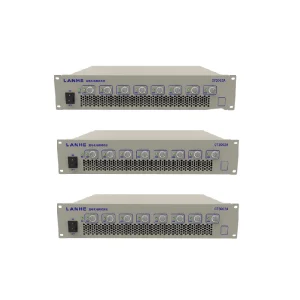
During EV battery pack construction, cells must undergo comprehensive stress testing before integration into battery packs. Advanced testing systems like the 8-channel Lithium Battery Analyzer Tester, combined with environmental high-low temperature chambers, allow manufacturing engineers to determine cells' capacity under varying temperatures, ensuring compliance with global UN38.3 shipping safety guidelines.
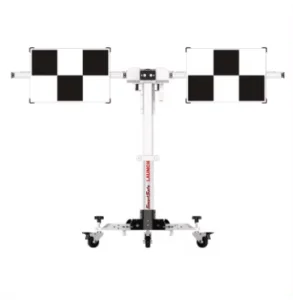
Modern workshops are no longer simple mechanical spaces. With the advent of Advanced Driver Assistance Systems (ADAS), battery health becomes even more critical, as low system voltage can trigger radar and camera alignment errors. Utilizing professional ADAS calibration tools, OBD2 scanners, and battery analyzers together ensures that VW, Audi, and other modern vehicles leave the service center with safe, fully functional, and perfectly calibrated electronic systems.
Dynamic conductance testing passes a low-frequency AC voltage signal through the battery to analyze the internal plate structure. This non-invasive method allows operators to safely test deeply discharged batteries without heating, spark hazards, or diagnostic-induced depletion. It provides an immediate health estimation including exact CCA and internal resistance values.
Yes. As a leading China automotive diagnostic tools manufacturer, Kore Auto specializes in comprehensive OEM and ODM services. We offer custom enclosure colors, private label silk-screen printing, customized startup animation screens, integrated localized databases, and multi-language software packages designed for specific regional target markets.
Absolutely. Our advanced battery simulation and testing systems (e.g., the 8-channel testing units and vibration chambers) are certified under UN38.3 standards. Our manufacturing workflow adheres strictly to ISO 9001 and IATF 16949 systems, ensuring every shipped diagnostic tool meets global security and conformity criteria.
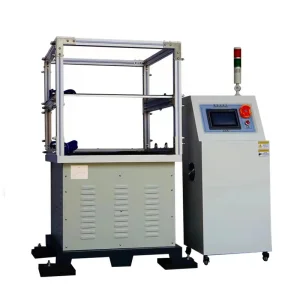
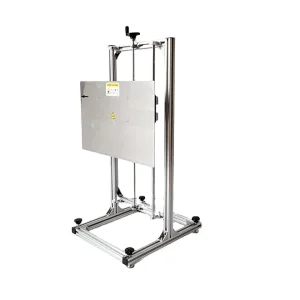
The 3-axis vibration test shakers subject electric vehicle battery packs and components to simulated physical road conditions. This helps identify structural fatigue, connection vulnerabilities, and housing weaknesses, preventing thermal runaway or electrical failure before the vehicles enter public distribution channels.
Typically, standard configurations are dispatched within 7-15 business days. Custom OEM orders, which require hardware modification, localized firmware packaging, and custom printing, have a production cycle of approximately 25-45 days, depending on container scale and exact technical specifications.
 Kore Auto