Premium instruments engineered for high accuracy, workshop reliability, and strict compliance with international testing standards.

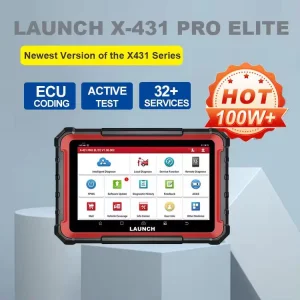
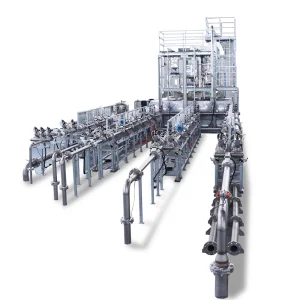
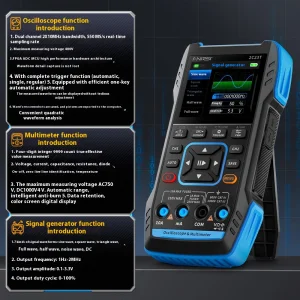
As environmental concerns mount and regulatory systems around the world enforce stricter policies on clean transportation, exhaust gas analysis has evolved from a routine workshop test to a crucial tool for global regulatory compliance. Environmental protection agencies, including the European Union with its Euro 6/VI (and the upcoming Euro 7) standards, the US EPA, and the Ministry of Ecology and Environment of China with China VI, demand highly accurate emission measurements.
Modern automotive exhaust gas analyzers are specialized devices developed to measure the concentrations of key combustion byproducts from internal combustion engines (ICE), hybrids, and alternative-fuel vehicles. Key targets include Hydrocarbons (HC), Carbon Monoxide (CO), Carbon Dioxide (CO2), Oxygen (O2), and Nitric Oxides (NOx). Determining these concentrations is critical to managing environmental quality, verifying catalysts, diagnosing catalytic converter efficiency, and ensuring that passenger and heavy-duty vehicles comply with local environmental tests.
Class 0 & 00 High Accuracy
HC, CO, CO2, O2 & NOx Analysis
Ultra-Low Absolute Error Limits
Exporting Countries & Regions
Automotive emission measurement relies on advanced physical and chemical sensor modules. Understanding the core technologies helps procurement managers specify the correct metrological equipment.
Non-Dispersive Infrared (NDIR) spectroscopy is the industry standard for measuring CO, CO2, and HC. Because these gases absorb specific wavelengths of infrared light, passing infrared light through a sample cell allows the photodetector to calculate precise gas concentrations based on the light absorbed.
Oxygen (O2) and Nitric Oxides (NOx) are typically measured using electrochemical cells. These sensors produce a current directly proportional to the gas concentration, allowing for quick response times and reliable diagnostic metrics, especially during dyno testing.
Advanced microprocessor units use formulas like the Brettschneider equation to calculate the Lambda value (λ) in real-time. This provides workshops and tuning experts with exact data on air-fuel mixtures.
| Gas Element | Measurement Principle | Standard Measuring Range | Typical Accuracy Resolution |
|---|---|---|---|
| Carbon Monoxide (CO) | NDIR (Non-Dispersive Infrared) | 0 ~ 10.0 % | 0.01% vol |
| Carbon Dioxide (CO2) | NDIR (Non-Dispersive Infrared) | 0 ~ 20.0 % | 0.1% vol |
| Hydrocarbons (HC) | NDIR (hexane equivalent) | 0 ~ 10,000 ppm | 1 ppm vol |
| Oxygen (O2) | Electrochemical Cell | 0 ~ 25.0 % | 0.01% vol |
| Nitric Oxides (NOx) | Electrochemical / Chemiluminescence | 0 ~ 5,000 ppm | 1 ppm vol |
Chinese manufacturers, particularly those in technological hubs like Shenzhen, have modernized the global diagnostic equipment supply chain through automation, strict quality control, and extensive R&D.
Sourcing exhaust gas analyzers directly from a leading Chinese factory offers key strategic advantages for international distributors, diagnostic workshops, and testing agencies:
Shenzhen Kore Auto Co., Ltd. is a professional China automotive diagnostic tools manufacturer specializing in the development, production, and global supply of advanced vehicle diagnostic solutions for the automotive aftermarket industry. With extensive experience in automotive electronics and diagnostic technology, Kore Auto is committed to delivering intelligent, reliable, and high-performance diagnostic equipment to customers worldwide.
Our comprehensive product portfolio includes automotive diagnostic scanners, OBD diagnostic tools, ECU programming equipment, TPMS diagnostic systems, ADAS calibration equipment, battery testing devices, vehicle inspection systems, automotive oscilloscopes, remote diagnostic platforms, and customized diagnostic solutions. These products are widely used by automotive repair workshops, dealerships, fleet operators, vehicle inspection centers, and maintenance service providers.
Driven by innovation, Shenzhen Kore Auto continuously invests in research and development to keep pace with the rapidly evolving automotive industry, including electric and connected vehicles. Our experienced engineering team develops cutting-edge diagnostic technologies featuring comprehensive vehicle coverage, fast data processing, intelligent fault analysis, wireless connectivity, and user-friendly software interfaces.
Quality and reliability are fundamental to our success. Every product is manufactured under strict quality control standards and undergoes rigorous testing procedures to ensure stable performance, accuracy, and durability in demanding workshop environments. We also provide flexible OEM and ODM services, helping customers develop customized automotive diagnostic products tailored to specific market requirements.
Serving customers throughout Europe, North America, South America, Asia, the Middle East, and Africa, Shenzhen Kore Auto Co., Ltd. has established long-term partnerships with distributors, automotive service providers, and industry professionals worldwide.
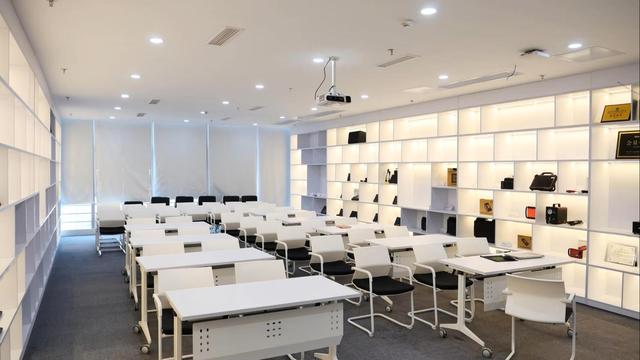
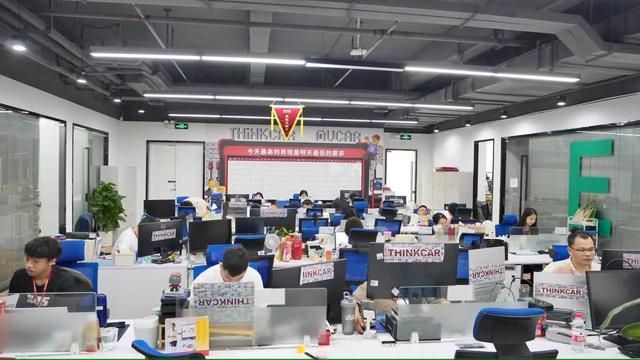
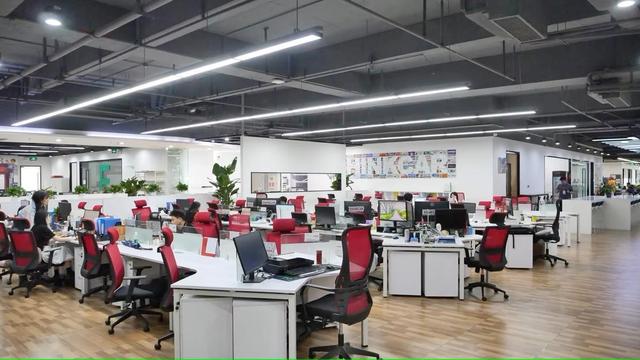
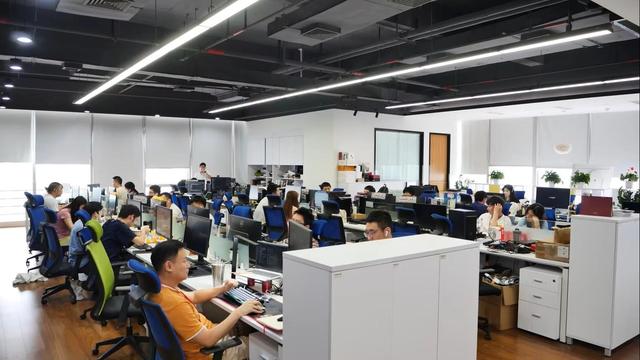
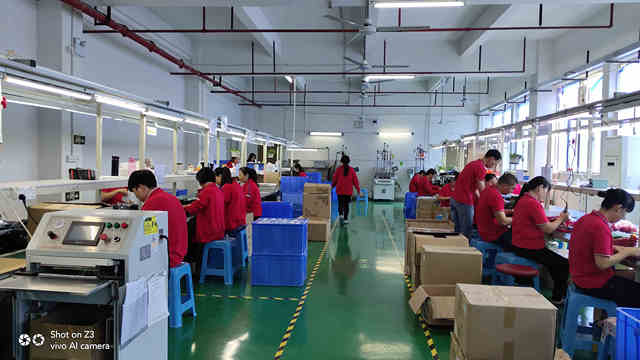
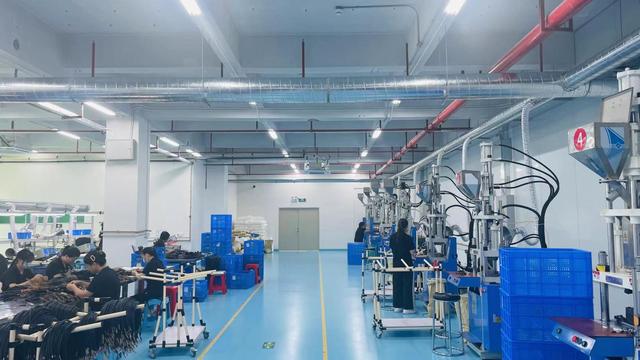
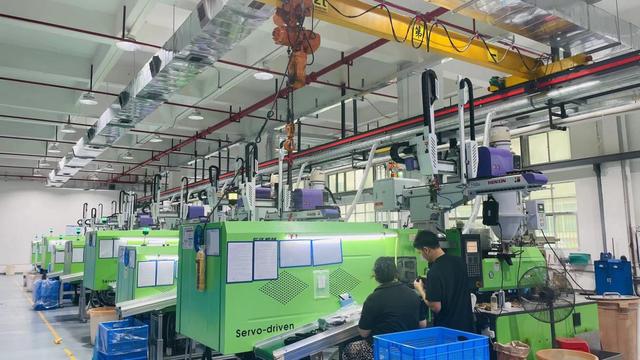
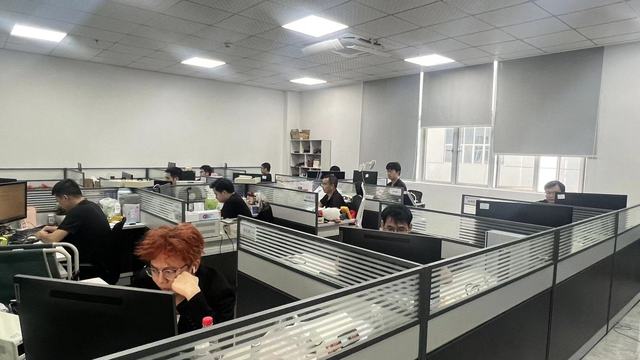
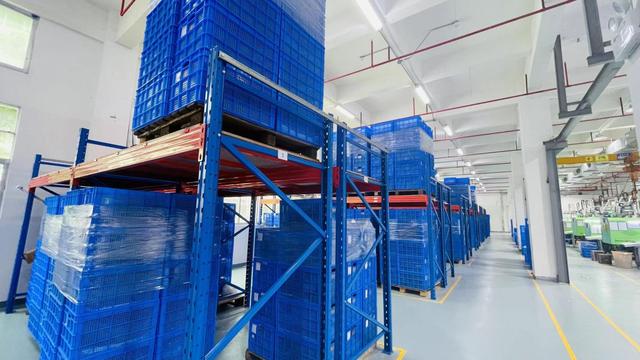
A transparent view of our automated assembly lines, optical calibration rooms, testing processes, and shipping preparation.
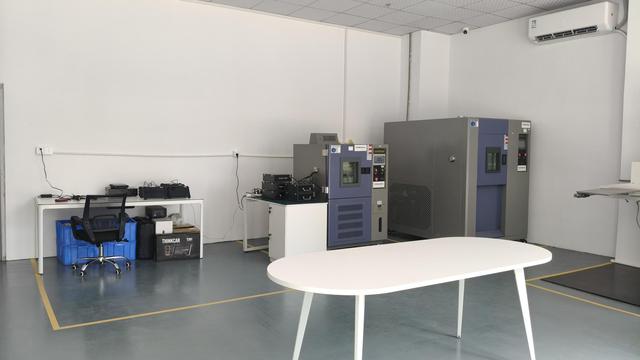
Modern emissions testing systems are used across several key industries to ensure regulatory compliance and improve diagnostic efficiency.
National vehicle inspectability centers rely on stable, high-throughput exhaust gas analyzers to run mandatory annual inspections. Standard requirements include Class 0 precision, OIML compliance, and automated data transmission to central environmental agency servers.
For independent garages and official dealerships, analyzing exhaust gas components helps identify catalytic converter faults, misfires, cylinder imbalances, and faulty oxygen sensors, reducing diagnostic times and increasing repair quality.
Commercial logistics and public transport networks use portable gas analyzers to monitor diesel exhaust and verify particulate filters (DPF) and NOx output, helping them avoid penalties and optimize fuel economy.
To ensure reliable performance in industrial environments, modern testing systems feature integrated multi-stage filtration to protect the sensor modules. Water traps, particulate filters, and active purge cycles prevent condensation and soot build-up from degrading optical lenses, ensuring long-term stability and reducing maintenance costs.
Sourcing managers and industrial distributors must evaluate key technical specifications when selecting a manufacturing partner in China:
Technical advice and purchasing support for automotive distributors, importers, and workshop managers.
A 4-gas analyzer measures Hydrocarbons (HC), Carbon Monoxide (CO), Carbon Dioxide (CO2), and Oxygen (O2). A 5-gas analyzer adds a Nitric Oxides (NOx) sensor. The NOx channel is essential for diagnosing modern diesel emissions, lean-burn engines, and complying with stricter governmental standards like Euro 5/6 and China VI.
OIML R99 is an international standard established by the International Organization of Legal Metrology. It defines the maximum permissible errors and technical requirements for gas analyzers. Selecting OIML Class 0 or Class 00 equipment ensures the analyzer meets the metrological accuracy needed for official vehicle safety and environmental inspections.
Our analyzers feature automated fresh-air zero calibration cycles upon startup and during operation. For official inspection setups, we recommend a span-gas calibration every 6 to 12 months using certified standard reference gases to maintain calibration accuracy.
Yes. Our exhaust gas analyzers are built with communication ports (such as RS232, USB, or wireless modules) and support standard protocols. This allows them to integrate with chassis dynamometers, brake testers, and main database systems in periodic technical inspection (PTI) stations.
Vehicle combustion produces water vapor. Our analyzers feature an active condensate drainage system with a built-in water separator and particulate filters. This keeps liquid water out of the optical bench, preventing lens contamination and sensor degradation.
Yes, Shenzhen Kore Auto Co., Ltd. provides comprehensive OEM/ODM services. We can customize the housing color, print your brand name, and localize the user interface software, instruction manuals, and diagnostic measurement screens to suit your target market.
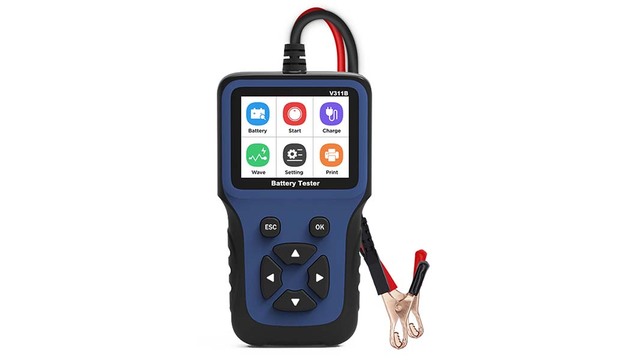
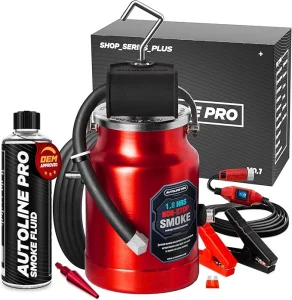
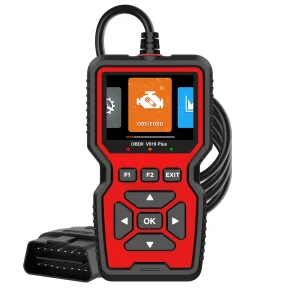
Explore our range of auto repair tools, EVAP testers, battery analyzers, and professional diagnostic systems.
 Kore Auto