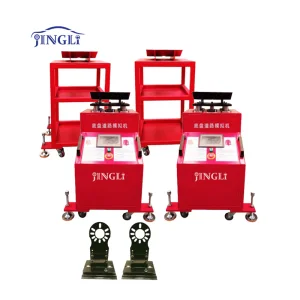
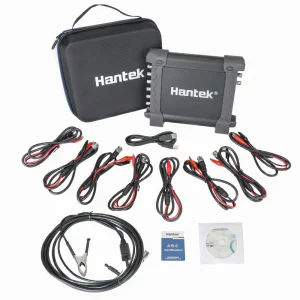
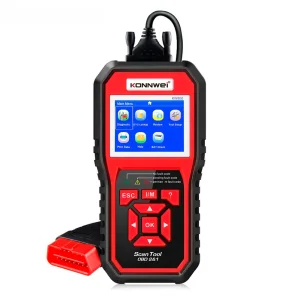
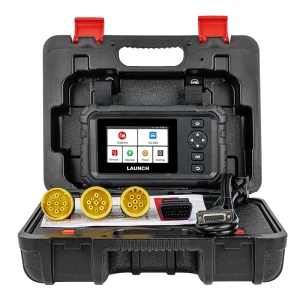
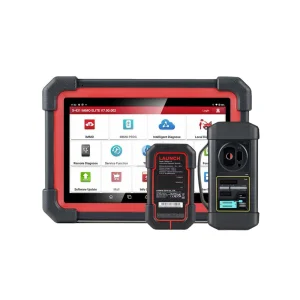
Discover our highly recognized diagnostic systems, battery analyzers, and professional vehicle inspection setups used by tier-1 workshops and manufacturers worldwide.
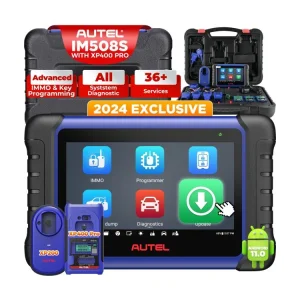
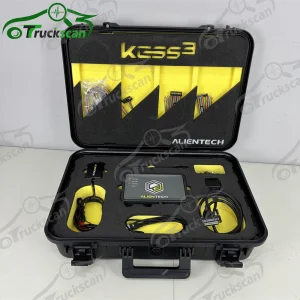
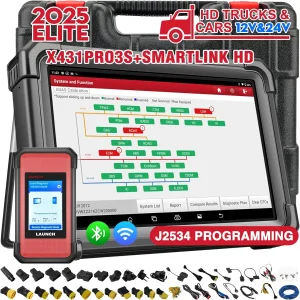
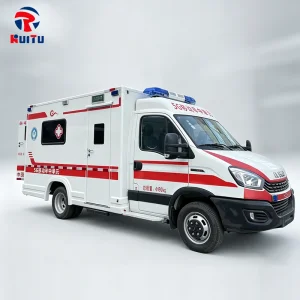
In the global automotive manufacturing and maintenance sector, structural integrity and mechanical calibration represent the critical threshold of safety. As modern passenger vehicles, commercial heavy-duty trucks, and New Energy Vehicles (NEVs) become lighter, stiffer, and faster, the demands placed on mechanical joints have grown exponentially. In this context, Automotive Torque Wrenches are no longer just basic hand tools; they are high-precision metrology instruments designed to ensure that bolts, studs, and threaded fastners reach their exact yield point without compromising material strength.
Over-tightening can lead to immediate fastener shear, thread stripping, or progressive stress fatigue, whereas under-tightening compromises the clamp load, leading to vibration-induced loosening, structural displacement, or catastrophic engine and chassis failure. The adoption of advanced engineering standards such as the VDI 2230 Systematic Calculation of High-Strength Bolted Joints underscores the complex physics governing bolted assemblies. Today, industrial operators require torque instruments that deliver absolute calibration traceability, durable structural chassis, and digital integration.
"Precision fastening directly translates to long-term reliability. Our manufacturing solutions bridge the gap between high-level ECU diagnostics and mechanical physical calibration, guaranteeing that both software systems and hardware integrity run at optimum factory specifications."
Industrial and automotive applications vary widely by region, system class, and localized compliance standards. Understanding where torque tools are deployed is essential for choosing the right supplier. Here are the core environments demanding extreme precision tightening:
The internal combustion engine (ICE) and high-performance transmissions contain critical joints like cylinder head bolts, connecting rod bolts, and main bearing caps. These components require torque-to-yield (TTY) fastening methods, where the bolt is stretched into its plastic zone to maintain uniform clamping force under extreme thermal cycles. In these environments, digital torque wrenches with angle-measurement capabilities are crucial to satisfy exact mechanical specs.
The rapid transition to Electric Vehicles (EVs) introduces battery packs that function as load-bearing structural members. Tightening the structural bolts on EV battery enclosures requires specialized, insulated torque tools to prevent short circuits, along with strict adherence to sealing torque profiles to preserve IP67/IP69K water and dust resistance ratings. Additionally, electric drive units utilize high-RPM electric motors where balancing and shaft-to-rotor torque limits must be precision-locked.
For heavy-duty logistics and transit buses, maintaining wheel end security is vital. Fleet operators use high-capacity torque multipliers and heavy-duty torque wrenches to lock down heavy wheel hub fasteners. Correct torque ensures even load distribution across dual wheel assemblies, preventing hub failures and tread wear while maximizing on-road safety.
As the manufacturing world transitions into Industry 4.0, torque technology is undergoing a major evolution. Fastening is moving away from purely analog spring-and-click mechanisms to integrated electronic, sensor-based, and connected platforms.
This technical shift means that torque tools are now integrated with vehicle diagnostics. Diagnostic scanners verify fault codes, sensor orientations, and ADAS alignments, while smart wrenches verify that mechanical links are secure. Shenzhen Kore Auto helps companies keep pace with these shifts by ensuring diagnostic software and physical tools work together seamlessly.
The international supply chain for professional automotive equipment demands agility, cost efficiency, and unwavering consistency. Chinese manufacturers, particularly those in Shenzhen's technology and industrial hubs, have established a robust ecosystem that sets global standards for supply chain integration.
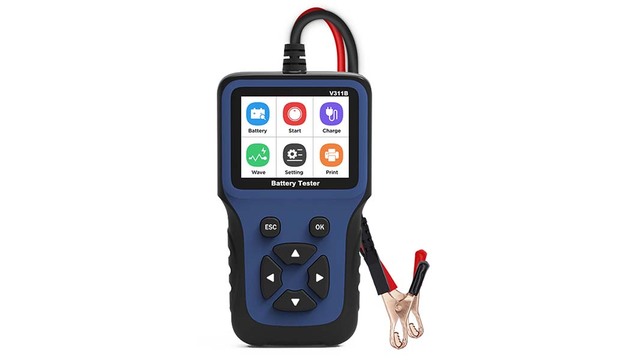
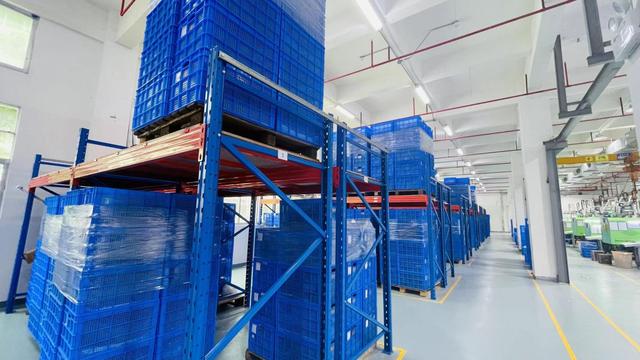
At Shenzhen Kore Auto Co., Ltd., we utilize this local ecosystem to deliver reliable diagnostic and assembly tools. By sourcing high-grade vanadium alloy steels, precision load sensors, and advanced microchips locally, we minimize production times and secure consistent pricing against global market fluctuations. Our facilities implement lean manufacturing processes and rigorous testing procedures, ensuring that our products—ranging from OBD2 scanners and battery testers to diagnostic systems—meet the demanding requirements of automotive workshops worldwide.
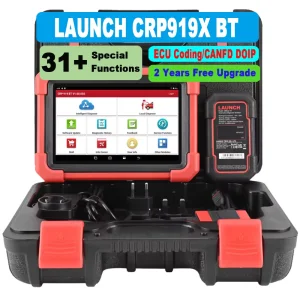
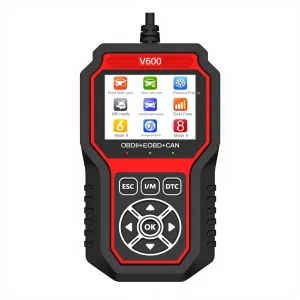
As a specialized China automotive diagnostic tools manufacturer, Shenzhen Kore Auto Co., Ltd. focuses on the development, production, and global supply of advanced vehicle diagnostic solutions for the aftermarket industry. Our deep expertise in automotive electronics allows us to design equipment that addresses the complex needs of modern vehicle diagnostics.
Our comprehensive product portfolio includes:
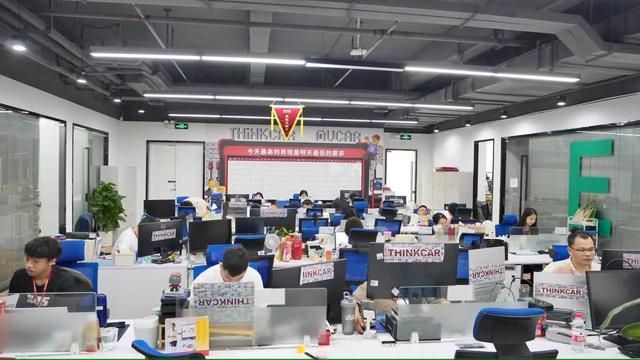
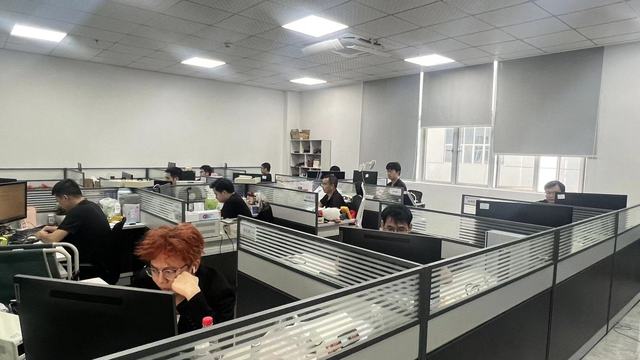
We continuously invest in R&D to match the pace of the electric, hybrid, and connected vehicle markets. Our engineering team builds solutions featuring broad vehicle model coverage, fast data processing, wireless connectivity, and user-friendly software interfaces.


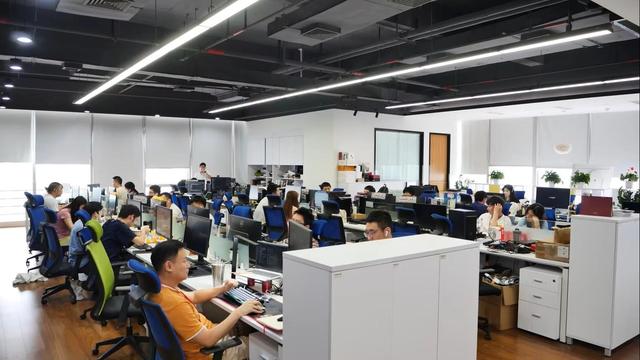
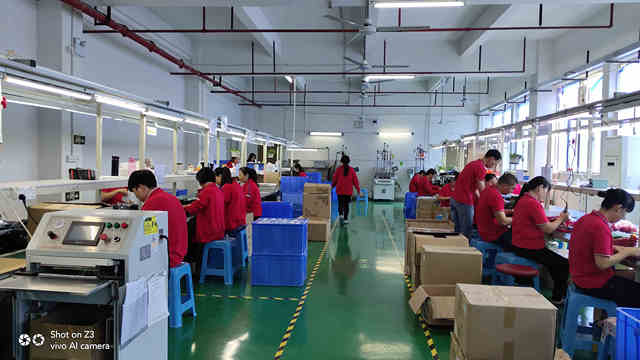
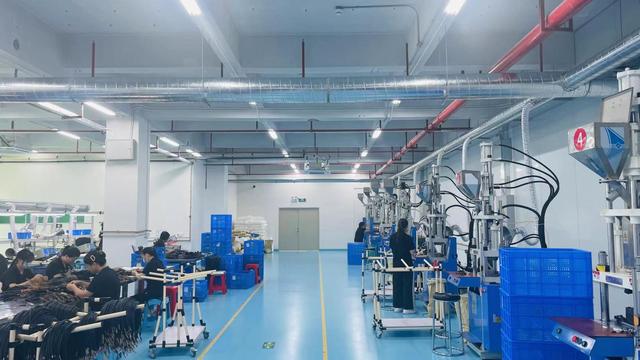
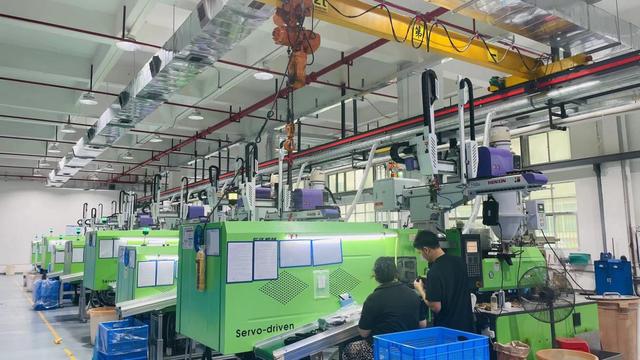
Exporting professional automotive equipment requires compliance with rigorous international safety and quality standards. Any tool used in workshop environments must align with localized legal requirements to protect operators and prevent warranty issues.
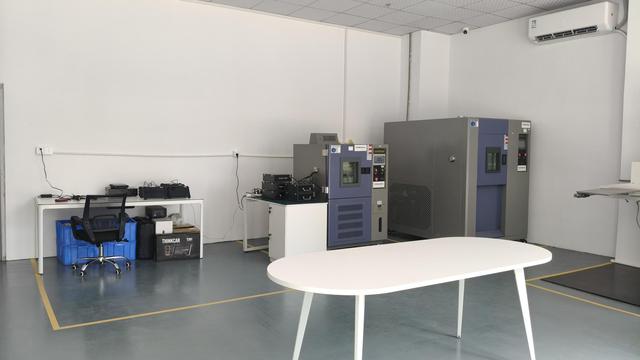
For torque and mechanical calibration systems, alignment with ISO 6789 (Assembly tools for screws and nuts) and traceability to NIST (National Institute of Standards and Technology) or DKD (Deutscher Kalibrierdienst) is essential. For diagnostic scanners and electronic chargers, safety standards like CE, FCC, RoHS, and UKCA are mandatory to ensure electromagnetic compatibility and operator safety. Shenzhen Kore Auto enforces strict quality control systems at every stage of development and manufacturing. Every tool is individually tested to ensure performance, accuracy, and durability in demanding workshop environments.
Partnering with Shenzhen Kore Auto provides global distributors, retail networks, and workshop chains with tailored business support designed to build lasting competitive advantages.
Our comprehensive B2B services include:
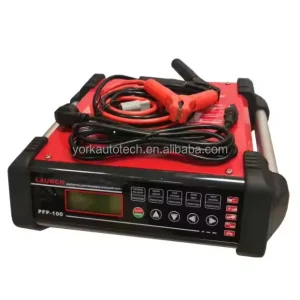
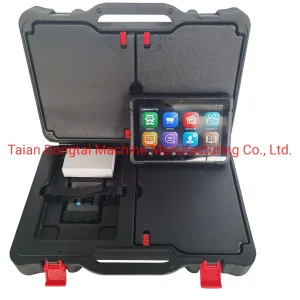
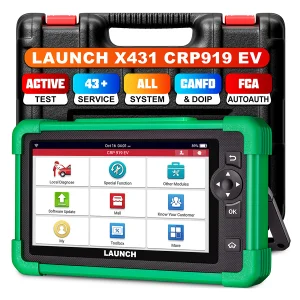
Explore our professional truck diagnostic tools, vehicle battery analyzers, and electric vehicle scanners optimized for workshop efficiency.
 Kore Auto