Engineered to support regional vehicle databases, local fuel variations, and heavy duty protocols.
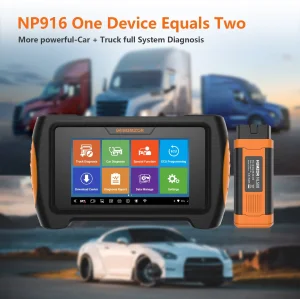
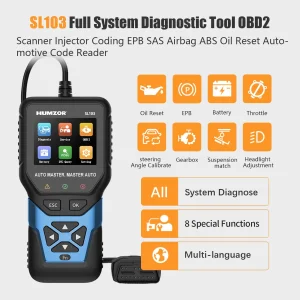
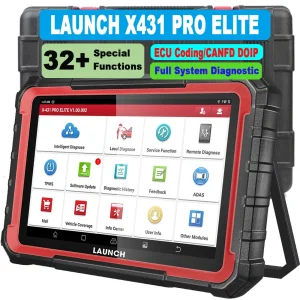
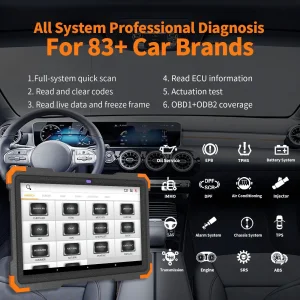
The automotive landscape in Brazil is undergoing a profound transformation driven by rapid fleet modernization, stringent emission control legislation (such as PROCONVE L7 and L8), and the widespread adoption of Flex-Fuel (gasoline/ethanol) powertrain management systems. As the largest economy in Latin America, Brazil operates a complex mix of passenger vehicles, light commercial trucks, and heavy-duty transport vehicles. With over 46 million registered vehicles on Brazilian roads, the average vehicle age has risen to nearly 10.7 years. This aging fleet creates an unprecedented demand for high-reliability diagnostic devices capable of troubleshooting electronic control units (ECUs), sensor grids, transmission modules, and safety systems.
For local garages, workshops, and large fleet operations scattered across key logistics hubs like São Paulo, Rio de Janeiro, and Minas Gerais, accessing advanced On-Board Diagnostics (OBD2) tools is no longer a luxury—it is a critical operational necessity. Importers and local brand owners face unique market entry barriers, including complex import customs tariffs (the Mercosur Common External Tariff - TEC), strict compliance certifications dictated by ANATEL (National Telecommunications Agency) for wireless and Bluetooth interfaces, and the technical necessity to process specialized electronic communication protocols. Consequently, sourcing high-durability diagnostic hardware coupled with flexible software layers from leading manufacturers has become a key competitive differentiator for South American businesses.
Information Gain Insight: Unlike standard European or North American vehicle fleets, Brazilian vehicles feature unique flex-fuel control tables (supporting 100% Hydrous Ethanol, gasoline with 27% anhydrous ethanol blend - E27, and variable mixtures). Diagnostic scanners must offer deep parameters mapping for fuel trim adjustments, cold-start heater controller systems (Sistema de Partida a Frio), and localized ECU parameter monitoring.
On a global scale, the automotive diagnostic scanner industry is governed by rapidly evolving standards designed to ensure cyber-secure vehicle diagnostics, universal communication layers, and standardized physical interfaces. In today’s interconnected manufacturing network, modern OBD2 diagnostic devices must support a variety of critical hardware and software architectures:
Modern vehicles run on high-bandwidth networks. CAN with Flexible Data-Rate (CAN FD) and Diagnostics over Internet Protocol (DoIP) enable modern tools to flash ECU software and scan gigabytes of operational data in seconds rather than hours.
Leading auto manufacturers (such as FCA, Renault, and Mercedes-Benz) lock their modern electronic systems behind secure firewalls. Global standards require certified diagnostic equipment suppliers to integrate authorized software keys to safely access bidirectional active testing components.
For independent garages to compete with authorized dealerships, scanners must feature SAE J2534 compliant pass-thru device capabilities. This allows technicians to download OEM updates directly and reprogram engine control modules without proprietary hardware setups.
Robust interface hardware designed for professional workshops, automotive programmers, and complex system updates.
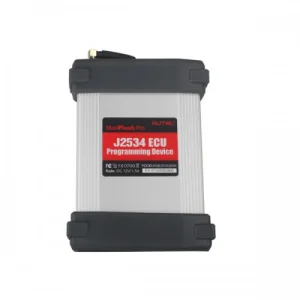
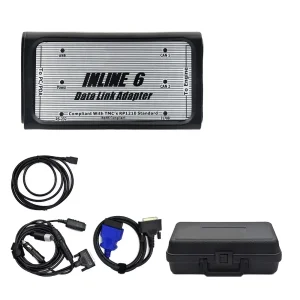
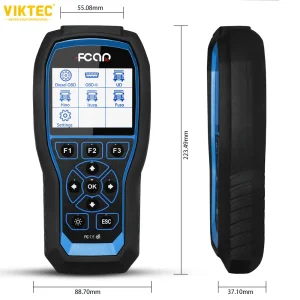
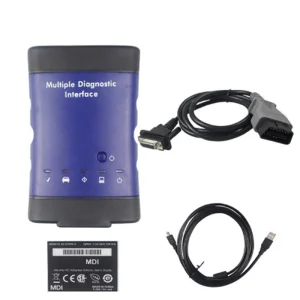
The manufacturing of advanced vehicle scanners requires an intricate combination of multi-layer PCB design, durable housing materials capable of withstanding rough garage environments, and prompt software deployment. Leading global buyers establish strong ties with specialized Chinese manufacturing ecosystems. Shenzhen, as the world's premier hub for electronics and diagnostic equipment design, offers critical benefits:
To perform effectively in Brazil, an OBD2 diagnostic scanner must be engineered for localized automotive dynamics. In real-world application, this involves:
Brazilian passenger cars rely extensively on flex-fuel engines. Diagnostic devices must perform specific adaptation resets whenever drivers switch from ethanol to gasoline. Scanners that lack optimized programming databases fail to command correct injector duty cycles, leading to rough cold starts, increased emissions, and premature catalyst degradation.
Trucks carry over 60% of all goods distributed in Brazil. Long haul fleets cruising highways like BR-116 and BR-101 demand high-uptime maintenance systems. Scanners must scan complex Cummins, Mercedes-Benz Truck, Volvo, Scania, and MWM engine networks. Real-time parameters monitor Diesel Particulate Filter (DPF) regeneration, Selective Catalytic Reduction (SCR) fluid injection, and Selective Catalyst efficiency, ensuring compliance with PROCONVE P8 guidelines (similar to Euro VI).
Brazil is a global agricultural giant. Diagnostic systems must extend coverage to off-road vehicles. Modern agricultural diagnostic connectors scan CAN networks on tractors, combines, and heavy machinery operating in rural Mato Grosso and Paraná, minimizing expensive field downtime.
For South American buyers, distributors, and workshop networks, importing electronic devices requires careful strategic calculation. When evaluating suppliers, you should prioritize:
The diagnostic landscape is evolving towards cloud integration, artificial intelligence, and new energy vehicle diagnostics. Key advancements include:
Technicians no longer operate in isolation. Future diagnostic platforms upload error codes to cloud systems, where remote Master Technicians can provide real-time guidance, step-by-step schematics, and interactive assistance via modern network interfaces.
With EV sales rising in Brazil, diagnostic tools must go beyond standard combustion engine ECUs. Sourcing demands now prioritize battery pack state-of-health (SoH) diagnostics, cell voltage balancing tests, and insulation monitoring systems.
Advanced Driver Assistance Systems (ADAS) like emergency braking and lane assist require precise physical and electronic calibration after windshield replacements or body repairs. Comprehensive scanners must interface smoothly with ADAS targets.
Explore our core collection of Bluetooth 4.0/5.0 dongles, bi-directional diagnostic scanners, and specialized automotive system program tools.
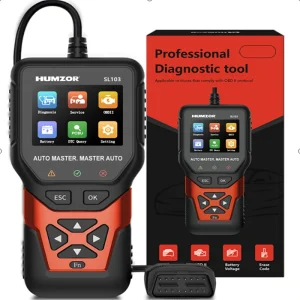
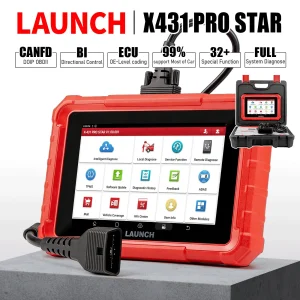
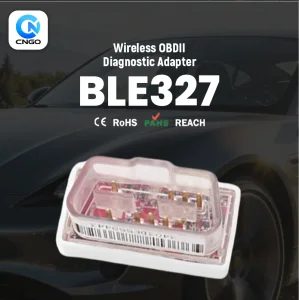
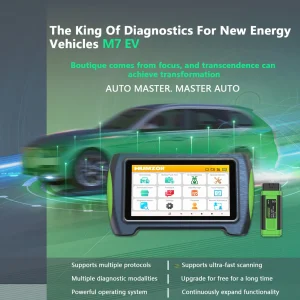
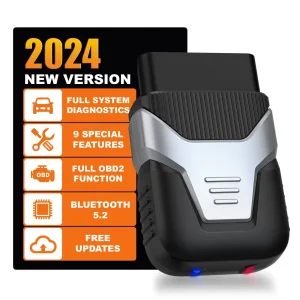
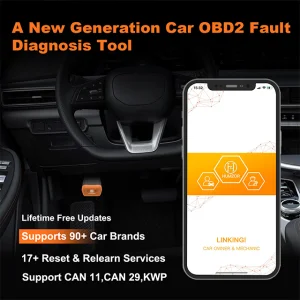
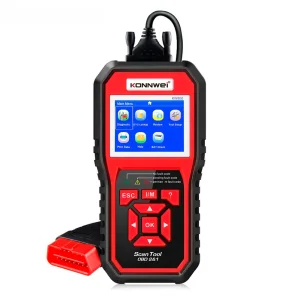
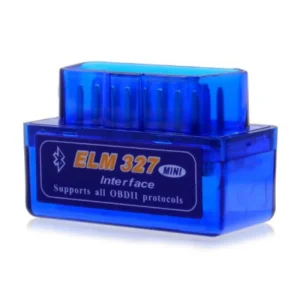
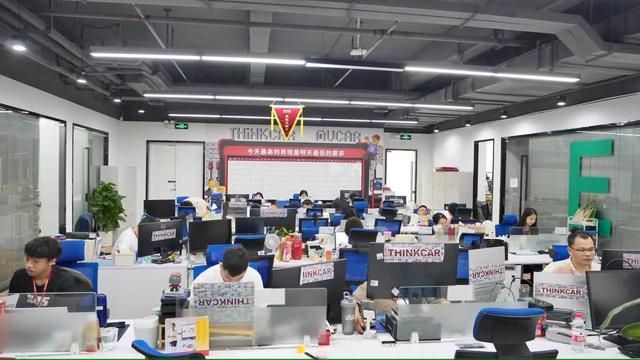
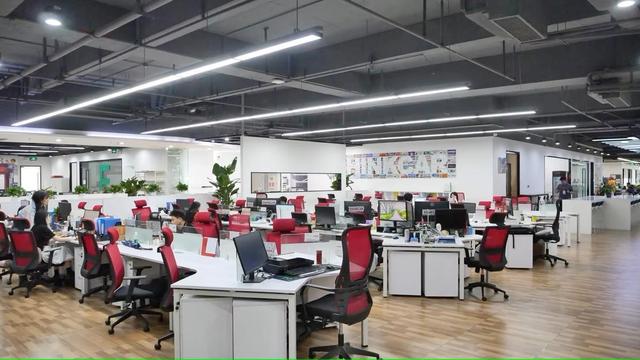
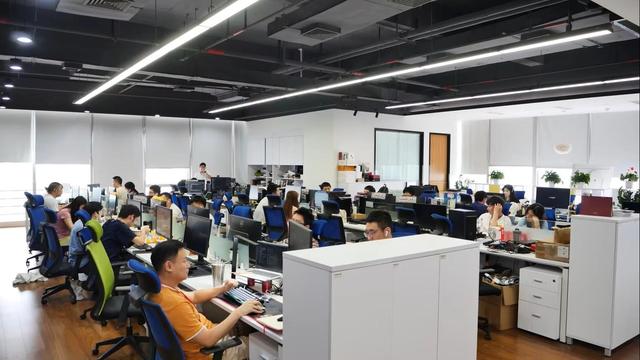
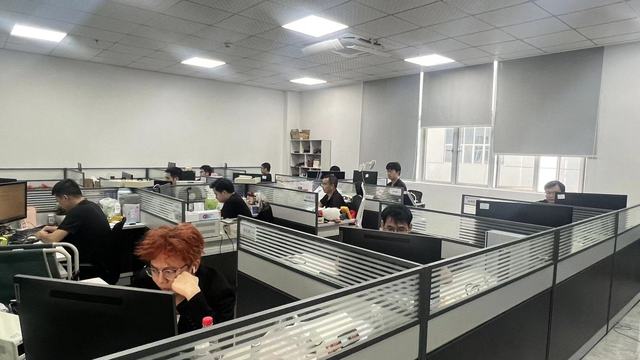
Shenzhen Kore Auto Co., Ltd. is a professional China automotive diagnostic tools manufacturer specializing in the development, production, and global supply of advanced vehicle diagnostic solutions for the automotive aftermarket industry. With extensive experience in automotive electronics and diagnostic technology, Kore Auto is committed to delivering intelligent, reliable, and high-performance diagnostic equipment to customers worldwide.
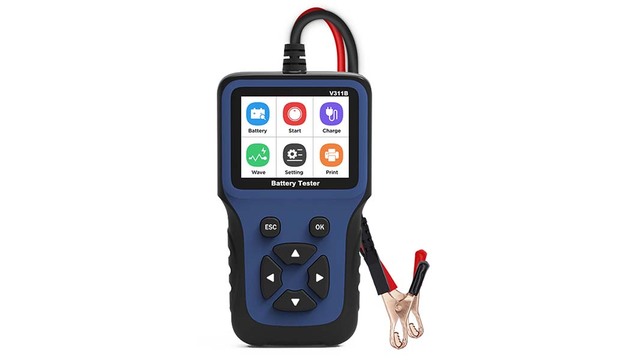
Our comprehensive product portfolio includes automotive diagnostic scanners, OBD diagnostic tools, ECU programming equipment, TPMS diagnostic systems, ADAS calibration equipment, battery testing devices, vehicle inspection systems, automotive oscilloscopes, remote diagnostic platforms, and customized diagnostic solutions. These products are widely used by automotive repair workshops, dealerships, fleet operators, vehicle inspection centers, and maintenance service providers.
Driven by innovation, Shenzhen Kore Auto continuously invests in research and development to keep pace with the rapidly evolving automotive industry, including electric and connected vehicles. Our experienced engineering team develops cutting-edge diagnostic technologies featuring comprehensive vehicle coverage, fast data processing, intelligent fault analysis, wireless connectivity, and user-friendly software interfaces.
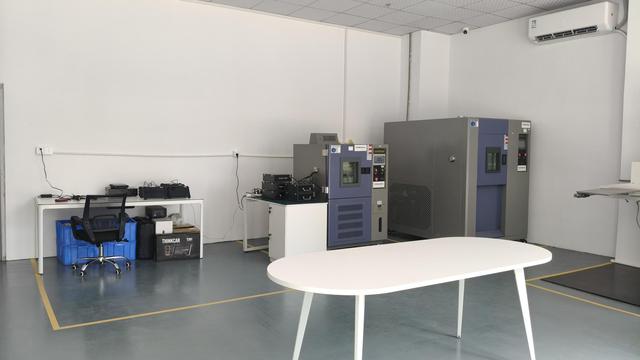
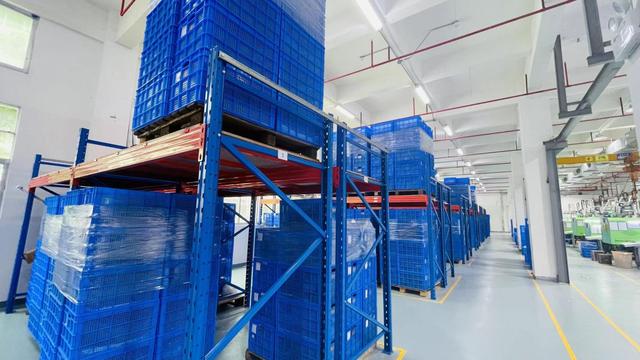
Quality and reliability are fundamental to our success. Every product is manufactured under strict quality control standards and undergoes rigorous testing procedures to ensure stable performance, accuracy, and durability in demanding workshop environments. We also provide flexible OEM and ODM services, helping customers develop customized automotive diagnostic products tailored to specific market requirements.
Serving customers throughout Europe, North America, South America, Asia, the Middle East, and Africa, Shenzhen Kore Auto Co., Ltd. has established long-term partnerships with distributors, automotive service providers, and industry professionals worldwide.
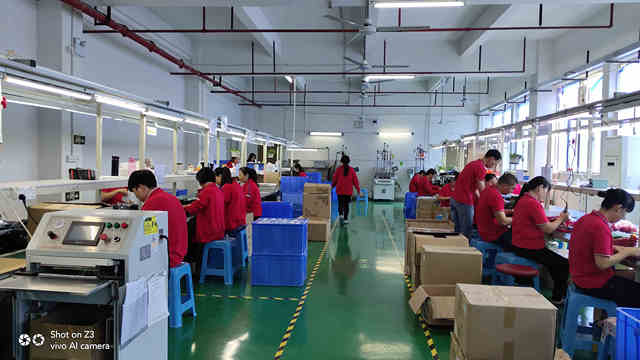
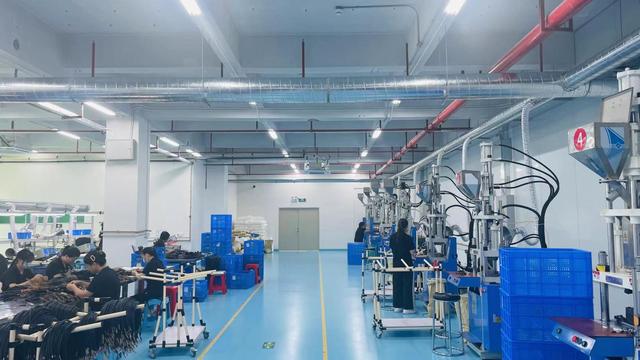
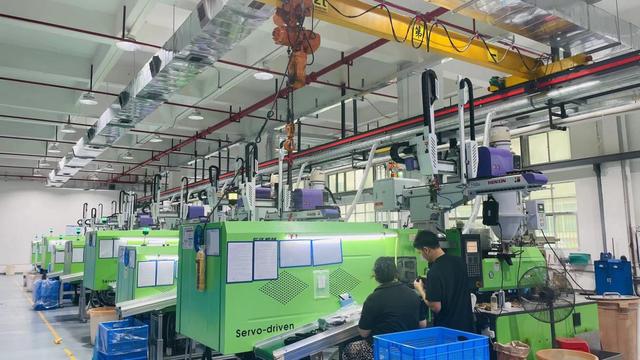
Rigorous quality control, modern SMT assembly lines, and environmental chamber testing.

Expert technical answers for importing OBD2 diagnostic scanners to Brazil and Mercosur countries.
 Kore Auto