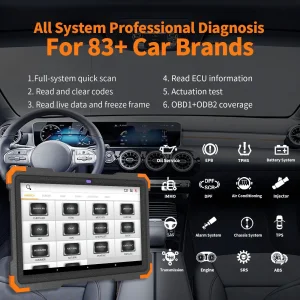
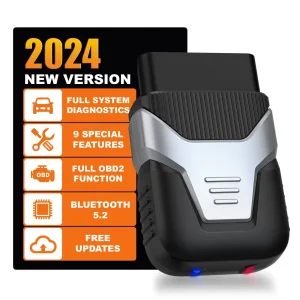
Engineered specifically to comply with Japanese regulatory frameworks (J-OBD, J-OBD II) and optimized for Toyota, Honda, Nissan, Mazda, Subaru, Suzuki, and Daihatsu architectures.
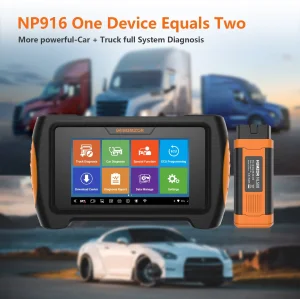
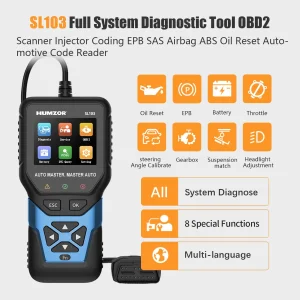
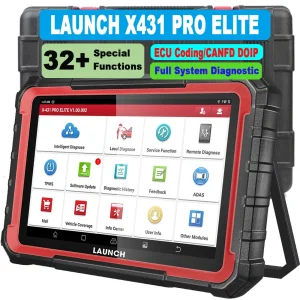
Understanding the technical paradigms, regulatory mandates, and localized compliance of onboard diagnostic systems in the Japanese Automotive Ecosystem.
The Japanese automotive aftermarket is currently undergoing one of the most comprehensive technological transitions in its history. Driven by the Ministry of Land, Infrastructure, Transport and Tourism (MLIT) mandates, Japan is implementing the new "OBD Inspection (車検 OBD検査)" framework. This regulatory overhaul demands absolute precision, low latency, and protocol-specific compliance from OBD diagnostic scanners.
As a leading automotive diagnostics manufacturer serving the Japanese market, Shenzhen Kore Auto Co., Ltd. builds hardware and software architectures designed to satisfy both global and JDM (Japanese Domestic Market) communication standards. From CAN FD and DoIP to older, proprietary K-Line interfaces, our tools provide mechanics, inspection stations, and fleet operators in Japan with high-fidelity, failure-resistant scanning options.
The shift toward Connected, Autonomous, Shared, and Electrified (CASE) vehicles is redesigning diagnostic protocols across the world.
Modern electric drivetrains require deep diagnostic capabilities for battery management systems (BMS), dual-inverter controls, and high-voltage safety interlocks. Kore Auto integrates state-of-health (SOH) algorithms into our diagnostic toolkits.
As vehicle networks process gigabytes of ADAS data, diagnostic hardware must run on high-speed CAN FD and Diagnostics over IP (DoIP) architectures, ensuring massive bandwidth and rapid ECU flashes.
Modern OEMs block unauthorized OBD access with secure gateways. Kore Auto establishes direct licensing partnerships with European, American, and Japanese OEMs to allow seamless SGW unlock functions within our diagnostic scanners.
We manufacture diagnostic scanners that support the entire timeline of global physical layers and protocol suites.
| Protocol Standard | Physical / Data Link Layer | Maximum Transfer Speed | Primary Industry Application | Kore Auto Native Support |
|---|---|---|---|---|
| J-OBD (Japan OBD) | ISO 9141-2 / ISO 14230 (K-Line) | 10.4 kbps | Older JDM vehicles (Toyota, Honda, Nissan pre-2010) | Yes (Legacy chipsets integrated) |
| High-Speed CAN | ISO 11898 (Standard / Extended) | 500 kbps - 1 Mbps | Global mainstream diagnostics (Power train, body, chassis) | Yes (Standard Dual-channel transceiver) |
| CAN FD | ISO 11898-2 (Flexible Data Rate) | Up to 5 - 8 Mbps | Modern high-bandwidth ECUs, ADAS networks (Late-model JDM) | Yes (Integrated CAN FD Controllers) |
| DoIP | ISO 13400 (Ethernet-based) | 100 Mbps | Fast firmware flashing, EV systems, OTA programming updates | Yes (RJ45 and Multiplexed OBD pin interface) |
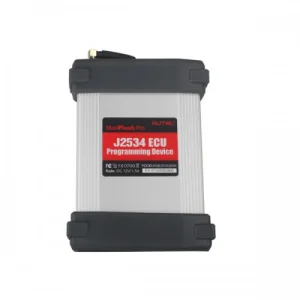
| SAE J2534 (Pass-Thru) | USB / Bluetooth to OBD Interface | Variable | OEM-level reprogramming, dealer calibration software support | Yes (Full J2534-1 & J2534-2 DLL compatibility) |
Providing localized technology solutions designed to address the specific needs of Japan's automotive ecosystem.
Expert Automotive Diagnostic Interfaces, Engineered for Extreme Precision & International Standards
Shenzhen Kore Auto Co., Ltd. is a professional China automotive diagnostic tools manufacturer specializing in the development, production, and global supply of advanced vehicle diagnostic solutions for the automotive aftermarket industry. With extensive experience in automotive electronics and diagnostic technology, Kore Auto is committed to delivering intelligent, reliable, and high-performance diagnostic equipment to customers worldwide.
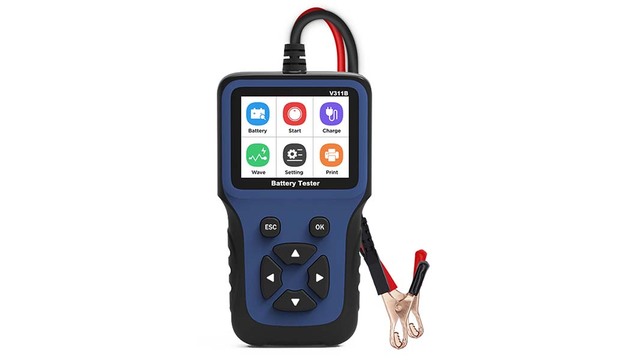
Our comprehensive product portfolio includes automotive diagnostic scanners, OBD diagnostic tools, ECU programming equipment, TPMS diagnostic systems, ADAS calibration equipment, battery testing devices, vehicle inspection systems, automotive oscilloscopes, remote diagnostic platforms, and customized diagnostic solutions. These products are widely used by automotive repair workshops, dealerships, fleet operators, vehicle inspection centers, and maintenance service providers.
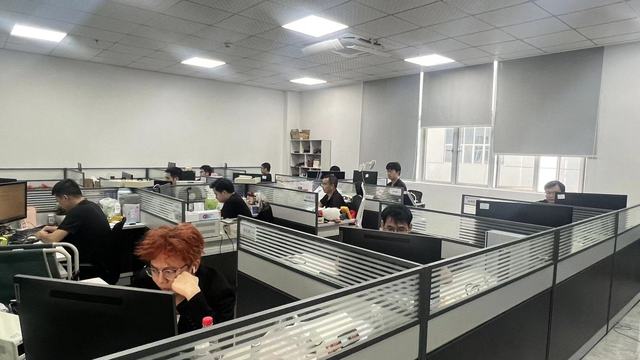
Driven by innovation, Shenzhen Kore Auto continuously invests in research and development to keep pace with the rapidly evolving automotive industry, including electric and connected vehicles. Our experienced engineering team develops cutting-edge diagnostic technologies featuring comprehensive vehicle coverage, fast data processing, intelligent fault analysis, wireless connectivity, and user-friendly software interfaces.
Quality and reliability are fundamental to our success. Every product is manufactured under strict quality control standards and undergoes rigorous testing procedures to ensure stable performance, accuracy, and durability in demanding workshop environments. We also provide flexible OEM and ODM services, helping customers develop customized automotive diagnostic products tailored to specific market requirements. Serving customers throughout Europe, North America, South America, Asia, the Middle East, and Africa, Shenzhen Kore Auto Co., Ltd. has established long-term partnerships with distributors, automotive service providers, and industry professionals worldwide.
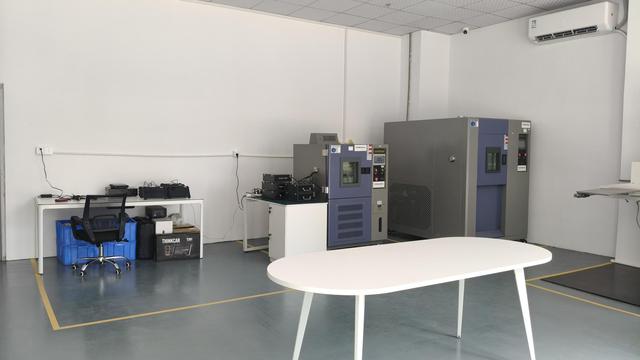
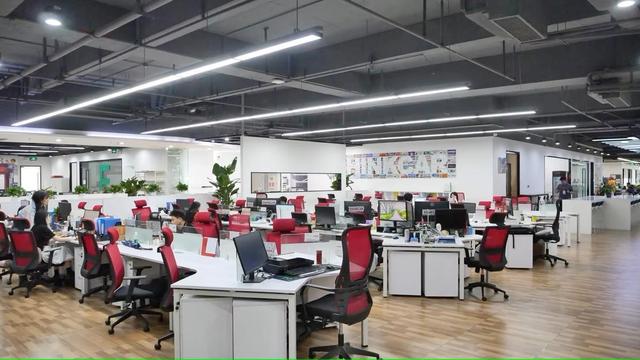
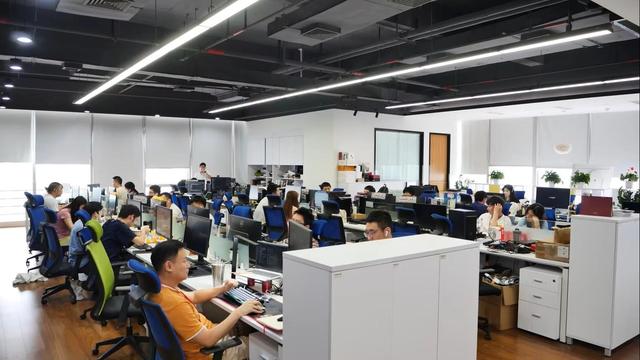
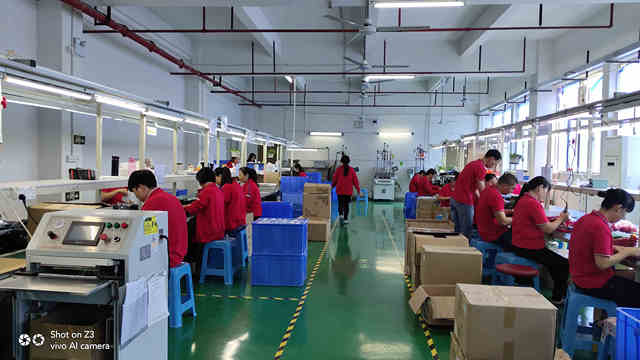
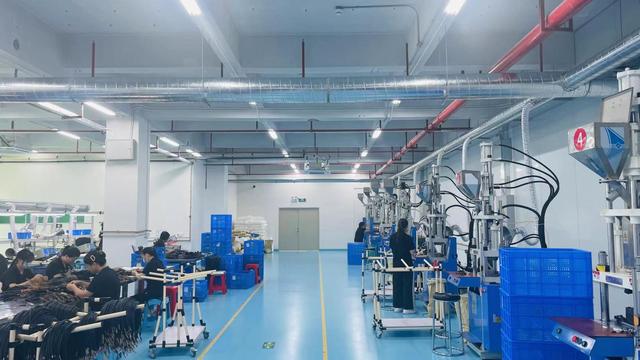
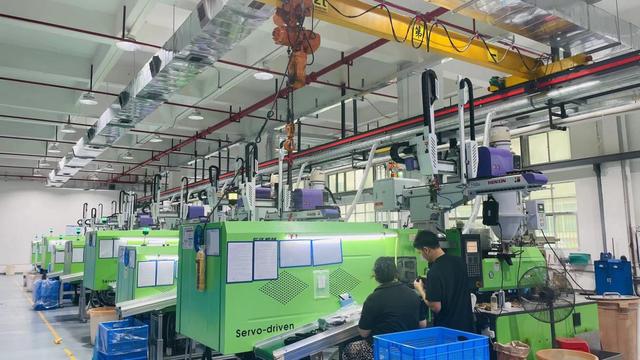
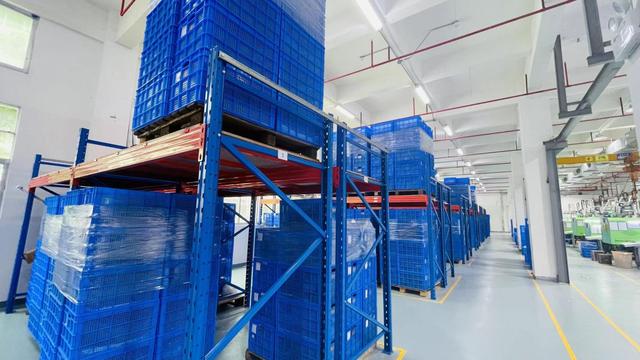
A glimpse into our manufacturing processes, environmental testing chambers, and SMT assembly lines ensuring zero-defect production.
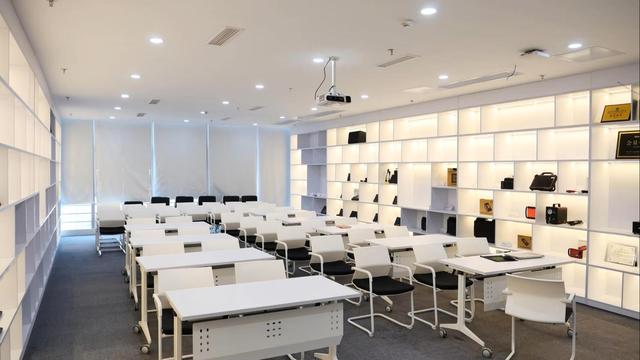
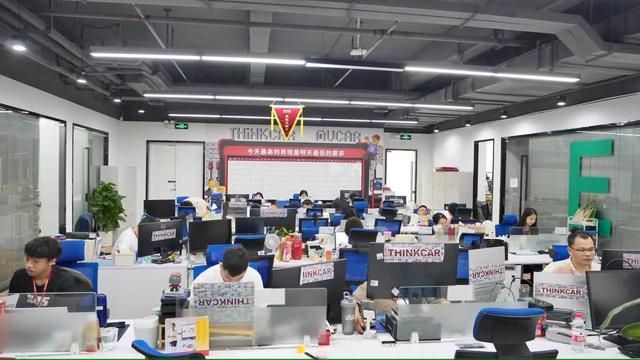
Supporting massive industrial configurations with modular, cross-compatible hardware architectures.
Deploy centralized, wireless systems that link multiple bay scanners to a local server dashboard. Standardizes diagnostics, tracks performance, and updates diagnostic databases over local networks seamlessly.
Specifically designed profiles for logistics fleets operating Isuzu, Hino, Fuso, and UD commercial trucks. Tracks emissions compliance, monitors transmission wear, and diagnoses braking systems.
High-precision automated OBD interface modules designed to communicate with governmental electronic inspection terminals, outputting error-free compliance sheets instantly.
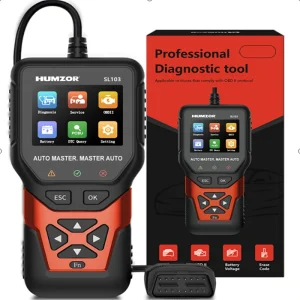
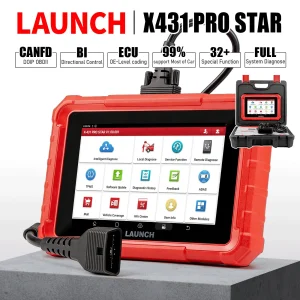
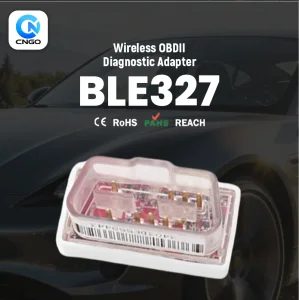
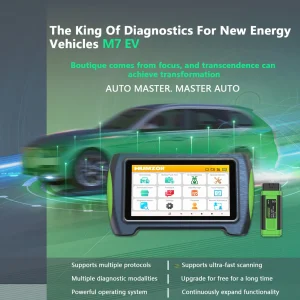
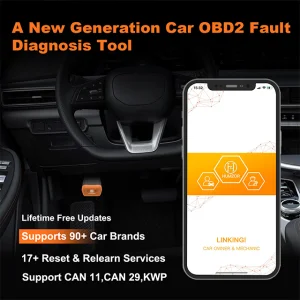
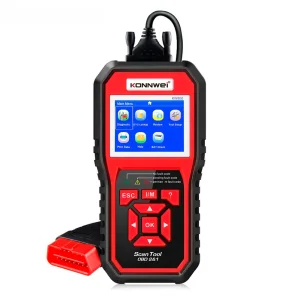
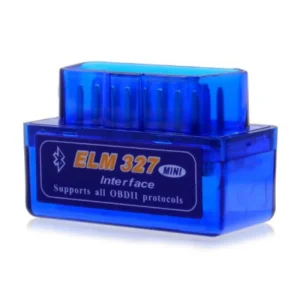
Our complete product line engineered for passenger cars, hybrid powertrains, heavy-duty commercial fleets, and advanced diagnostics.
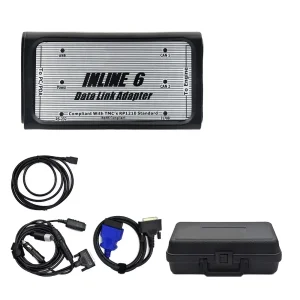
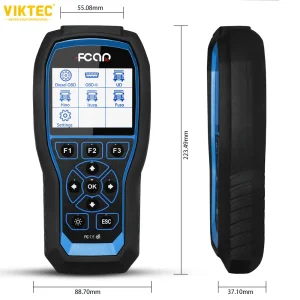
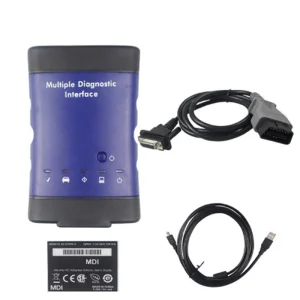
Providing clear answers to technical questions concerning diagnostic protocols and Japanese automotive import/maintenance regulations.
 Kore Auto