Kore Auto

1 / 5
Key parameters of the sensor can be modified through dedicated programming tools, such as measurement range (for example, the pressure sensor can adjust the range to 0-10bar or 0-50bar), accuracy level, response speed, output signal type (such as 4-20mA current signal, 0-5V voltage signal, RS485 digital signal, etc.). Support alarm threshold programming, for example, the temperature sensor can set high temperature alarm value (such as 80ºC) and low temperature alarm value (such as -10ºC), and automatically trigger the alarm signal when it exceeds the range.
Some high-end programmable sensors have multiple functional modules built in (such as filter module, calibration module, communication module), and users can enable or disable specific modules through programming. For example, in an environment with strong electromagnetic interference, the filter module can be turned on to reduce signal noise; in a low-power scenario, the redundant function can be turned off to reduce energy consumption.
Supports switching or customization of multiple communication protocols, such as compatibility with industrial protocols such as Modbus, HART, CAN bus, etc., and can be directly connected to control systems of different brands (such as PLC, DCS) without the need for additional conversion equipment. Some sensors can programmatically adjust interface parameters (such as baud rate, address code) to avoid address conflicts when multiple devices are connected.
The same sensor can be adapted to different application scenarios through programming. For example, a programmable pressure sensor can be used for household car tire pressure monitoring (range 0-3bar) and can also be reprogrammed for industrial pipeline pressure detection (range 0-100bar), reducing equipment procurement costs. For environmental differences (such as humidity, vibration, electromagnetic interference), the sensor's anti-interference algorithm can be optimized through programming to improve stability in complex environments.
Supports on-site programming calibration, and the zero drift or range error of the sensor can be corrected without returning to the factory. For example, when a liquid level sensor that has been used for a long time causes measurement deviation due to medium adhesion, the zero point can be recalibrated through programming to restore accuracy. Some sensors support "self-learning" mode, which allows them to automatically adapt to environmental changes (such as temperature drift compensation) in actual work through programming, and continuously maintain measurement accuracy.
The built-in microprocessor can realize preprocessing functions such as data filtering, averaging calculation, and peak detection through programming, reduce the noise in the original data, and directly output valid information. For example, the vibration sensor can be programmed to "only output vibration peaks exceeding the threshold" to reduce the data processing pressure of the back-end system. Support data storage and caching, some sensors can be programmed to set the sampling frequency (such as 1 time/second or 10 times/second), and temporarily store historical data for subsequent traceability analysis.
It has simple logic programming capabilities and can trigger linkage actions based on measurement data. For example, when the programmable light sensor detects that the light intensity is lower than 500lux, it automatically outputs a control signal to turn on the street light; when the intensity is higher than 2000lux, the output signal turns off the street light to achieve autonomous control.
Support programming through dedicated programming tools, host computer software (such as LabVIEW, dedicated configuration software) or wireless communication (Bluetooth, Wi-Fi), and some high-end models even support remote online programming. The programming interface is mostly graphical or instructional, with a low threshold for operation, and no in-depth knowledge of the underlying hardware is required.
The sensor firmware can be updated through programming to obtain new functions (such as new communication protocols, optimization algorithms) or fix vulnerabilities to extend the service life of the equipment. For example, industrial temperature and humidity sensors can increase the Internet of Things (IoT) access capabilities through firmware upgrades to enable cloud data upload.
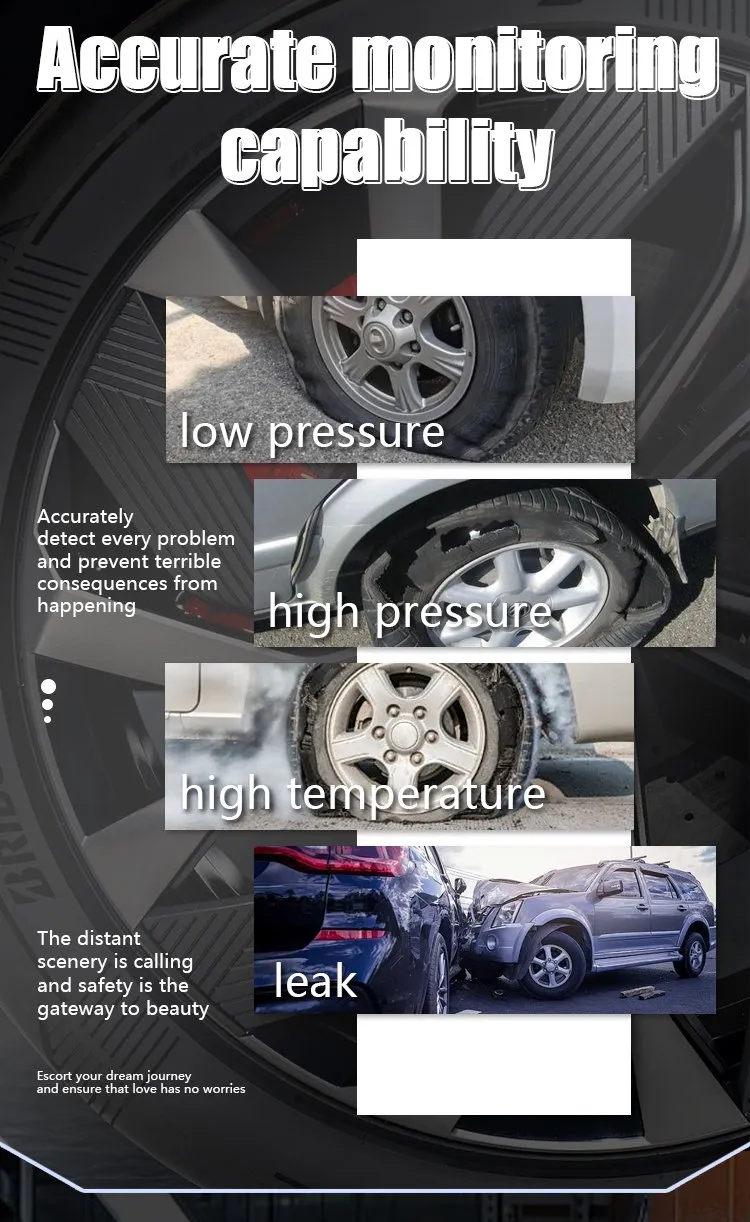
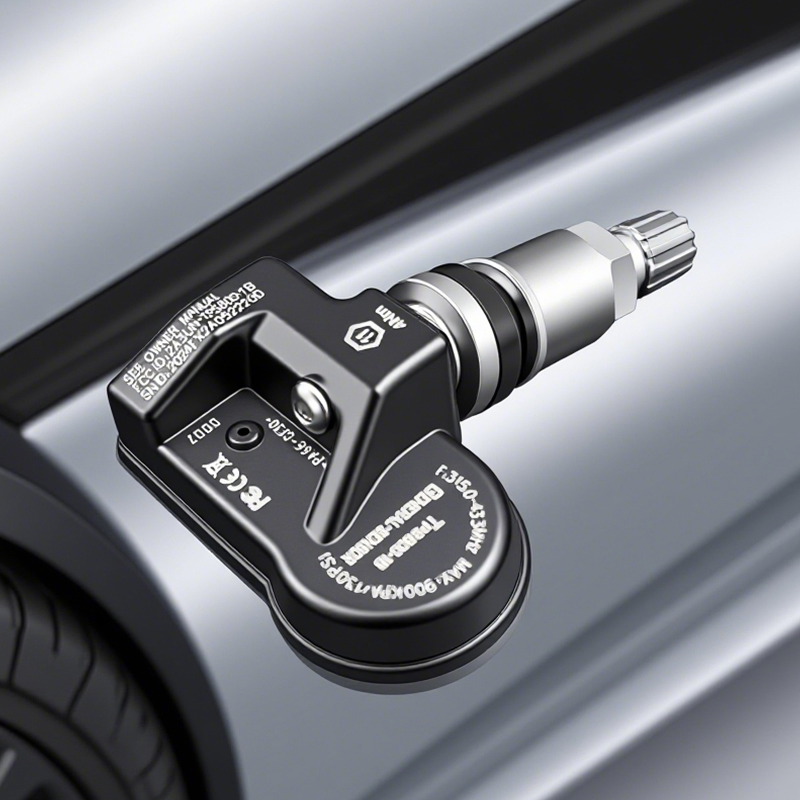
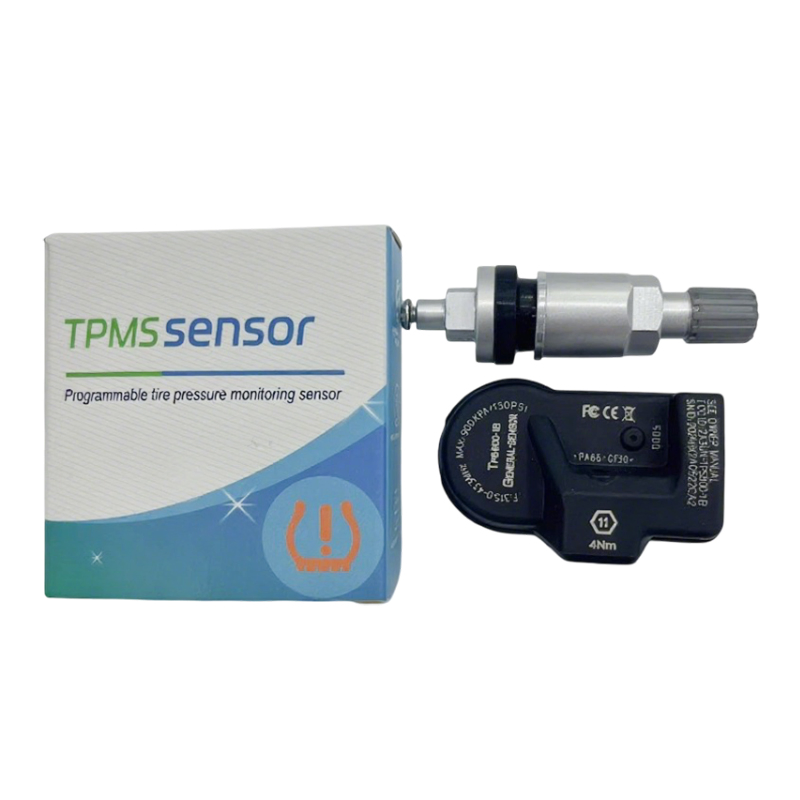
For example, programmable sensors in TPMS (tire pressure monitoring system) can be programmed to write parameters such as vehicle brand and frequency (315MHz/433MHz) to adapt to different models.
Programmable pressure sensors can adjust the measurement accuracy according to the pipe material and medium characteristics, and are suitable for different industries such as chemical industry and water conservancy.
Programmable gas sensors (such as formaldehyde sensors) can adjust the detection sensitivity according to the indoor area to avoid false alarms.
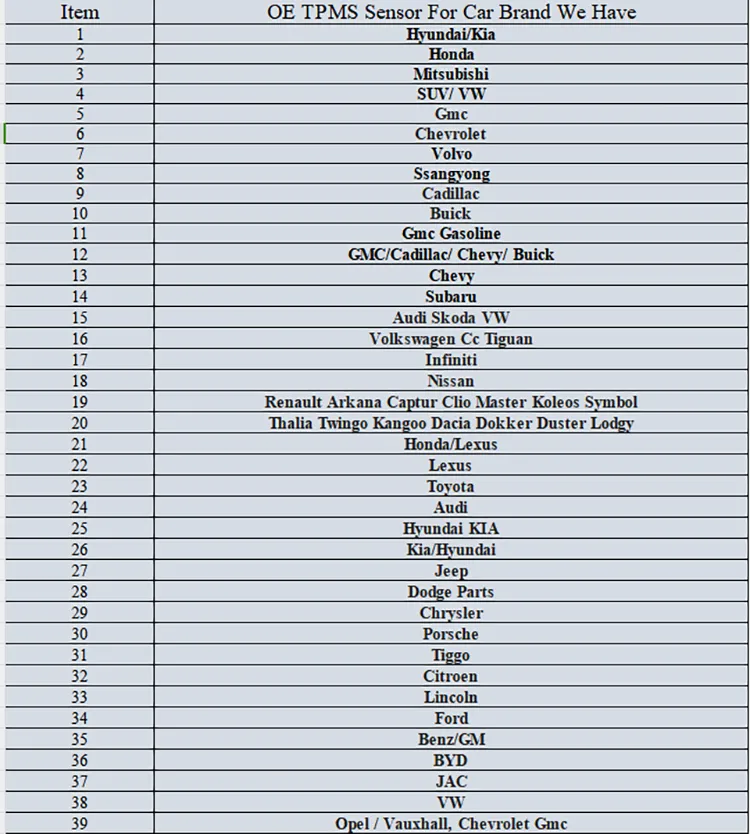
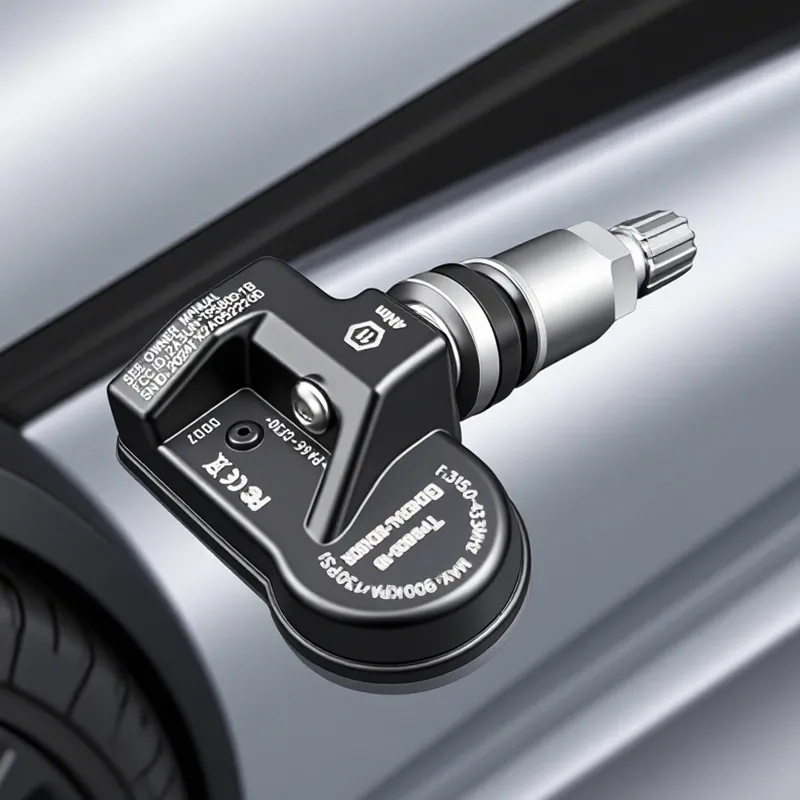
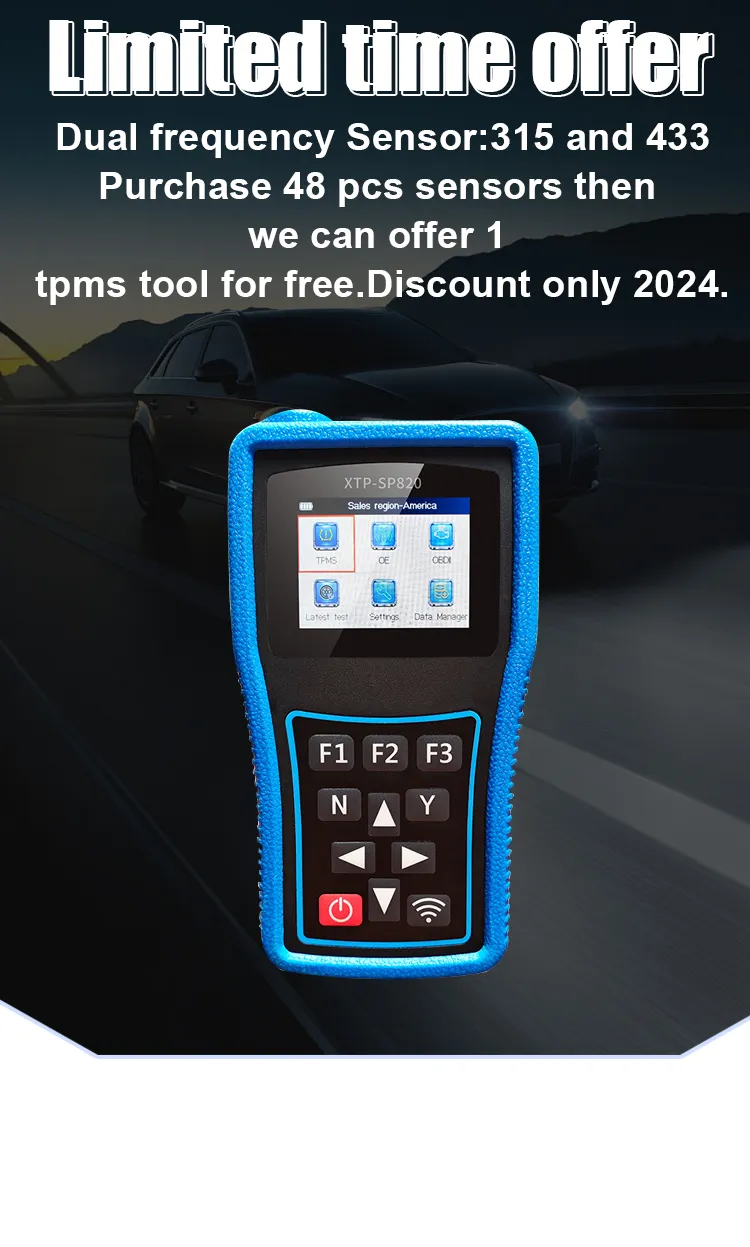
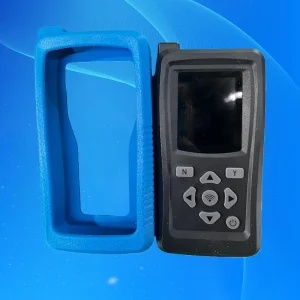
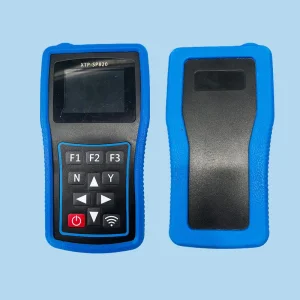
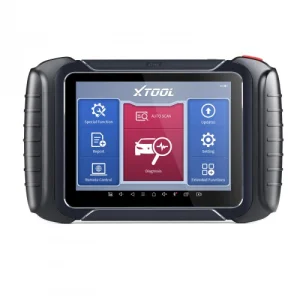
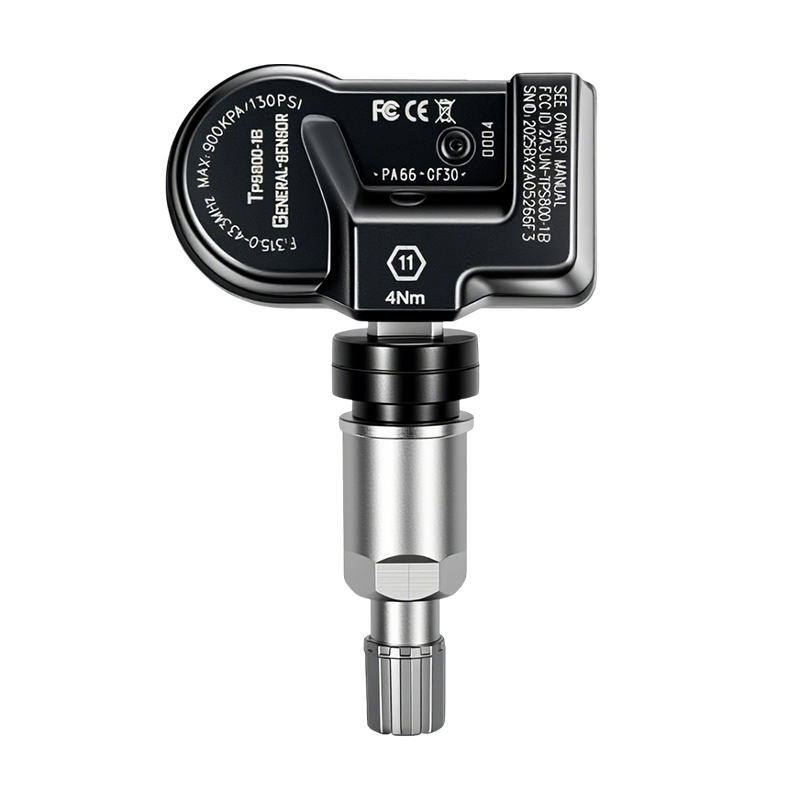
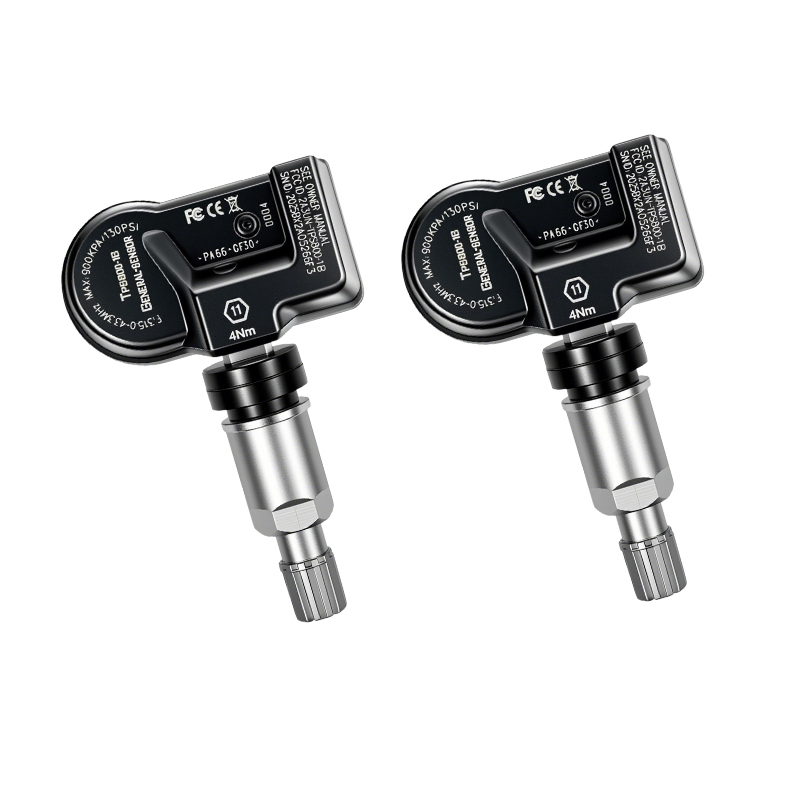
800-1 is a programmable universal sensor, the programmable OE number covers 98% of the vehicles, used in conjunction with Tpms Programming Activate Tool XTP-SP810 and Tpms Programming Diagnostic Tool XTP-SP820, designed to replace faulty sensors without paying the extra cost of buying expensive original car OE sensors, to solve the tire pressure system you encounter question.
| Frequency | 315 MHZ & 433 MHZ(2 in 1) |
| Battery life | ≥5 years |
| Operating Temperature | -40°C~125 ºC |
| Storage Temperature | -40°C~125 ºC |
| Pressure Monitoring Range | 0~900 Kpa |
| Pressure Measurement Accuracy | 1 Kpa |
| Temperature Reading Range | -40°C~125 ºC |
| Temperature Reading Accuracy | 1 ºC |
| Waterproof Level | IP67 |
| Battery Voltage | 3.0 V |
| Shell Material | PA66 + GF30 |
| Dimensions | 73×48×20 mm |
| Net weight | 27 g |