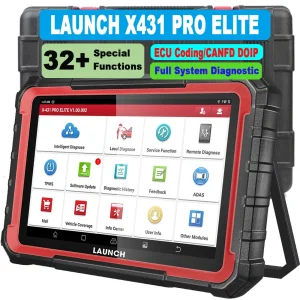
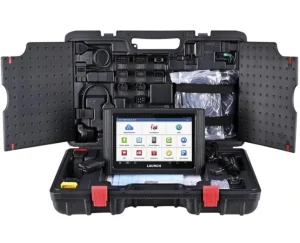
Explore our elite selection of hardware and software configurations designed for modern automotive diagnostics and wheel alignment calibration.

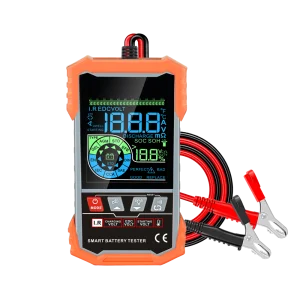
Why advanced alignment equipment serves as the cornerstone of contemporary workshop productivity and road safety.
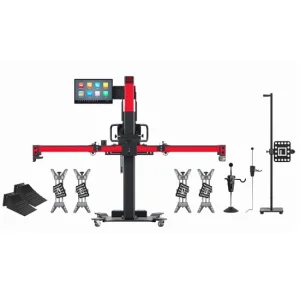
Wheel alignment is no longer isolated to mechanical adjustments. Systems like the MaxiSYS IA900WA integrate Advanced Driver Assistance Systems (ADAS) calibration with alignment frames. A minute error in steering geometry translates to faulty lane-keep assist or adaptive cruise control protocols.
Electric Vehicles (EVs) present higher curb weight and instantaneous torque. This causes accelerated tire wear if alignment parameters are slightly off. Heavy battery packs demand precision camber and toe modifications to maintain optimum rolling resistance and range parameters.
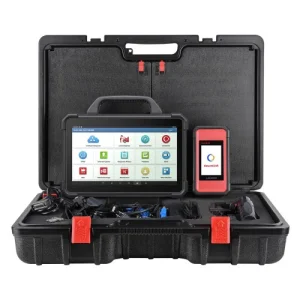
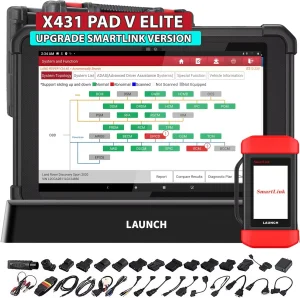
Technicians expect real-time measurements beamed directly to diagnostic tablets like the Launch X431 Pro3S+. Cloud databases sync global automotive specs instantly, allowing workshops to service imports, commercial haulers, and local performance cars alike without data lag.
In the global automotive aftermarket, the intersection of mechanical alignment and computer diagnostics represents the vanguard of workshop operations. Historically, wheel alignment was a mechanical trade reliant on manual measurements. Today, it is an electronic science. Leading exporters like Shenzhen Kore Auto Co., Ltd. bridge the gap between high-precision optical hardware and robust computing platforms.
Chinese manufacturers have optimized the supply chain for complex diagnostic assemblies, lowering the barrier of entry for workshops globally. Standard diagnostic suites like the Launch X431 PAD VII or X431 PAD 5 now offer built-in step-by-step guidance for steering angle sensor (SAS) resets. This calibration is critical since adjusting physical tie rods changes the mechanical zero point of the vehicle's electronic steering.
By investing in R&D, firms like Kore Auto ensure their hardware supports protocols like CAN-FD and DoIP, allowing communication with modern architectures found in Tesla, BMW, Mercedes-Benz, and electric vehicle startups. This convergence of technologies ensures that when a shop aligns a chassis, it is also aligning the safety systems controlling the steering, braking, and lane-monitoring electronics.
How diagnostic methodologies evolved from basic gauges to complex multi-sensor platforms.
Traditional CCD (Charge-Coupled Device) alignment systems relied on infrared communication between target heads mounted to the wheels. While accurate, they were prone to interference from external light sources and required frequent recalibration of individual sensor heads.
The introduction of high-resolution digital cameras and passive targets mounted on the wheels eliminated active electronics on the vehicle lift. Complex algorithms compute geometric offsets in 3D space by tracking the spatial distortion of checkerboard patterns.
The current benchmark. Systems like the 2026 MaxiSYS IA900WA integrate mechanical wheel alignment with full-system ADAS calibration frames. Adjusting the rear thrust angle directly changes the target placement for calibrating forward-facing radar and cameras, making physical alignment and camera calibration a single, cohesive workflow.
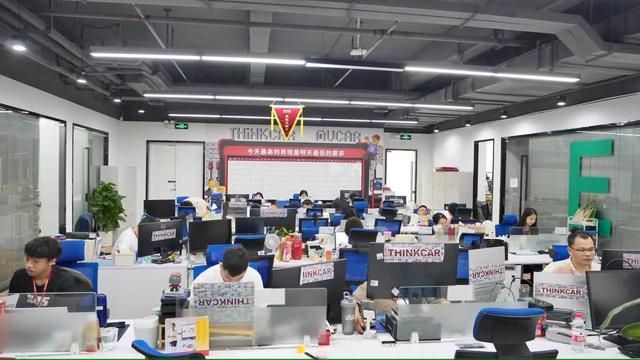
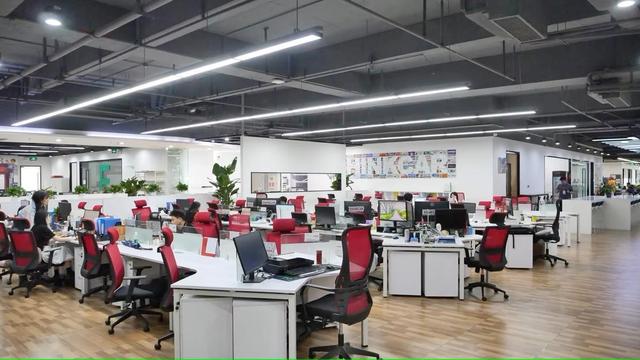
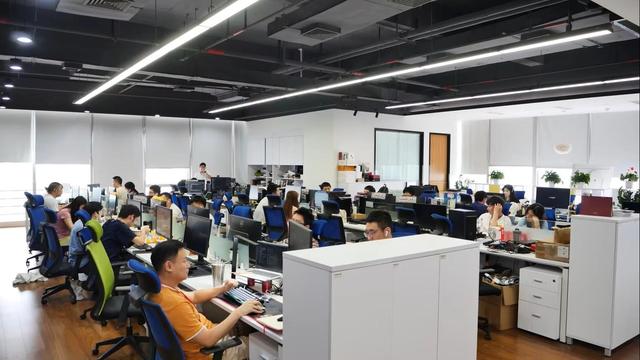
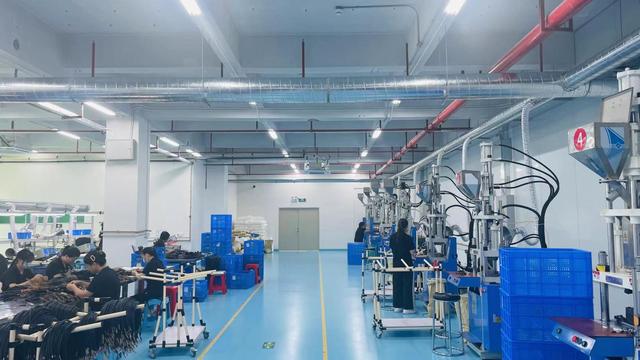
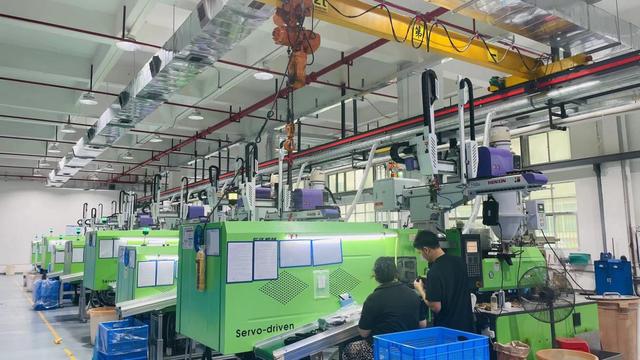
Shenzhen Kore Auto Co., Ltd. is a professional China automotive diagnostic tools manufacturer specializing in the development, production, and global supply of advanced vehicle diagnostic solutions for the automotive aftermarket industry. With extensive experience in automotive electronics and diagnostic technology, Kore Auto is committed to delivering intelligent, reliable, and high-performance diagnostic equipment to customers worldwide.
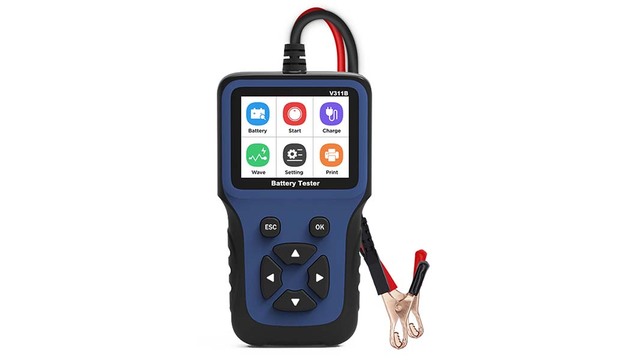
Our comprehensive product portfolio includes automotive diagnostic scanners, OBD diagnostic tools, ECU programming equipment, TPMS diagnostic systems, ADAS calibration equipment, battery testing devices, vehicle inspection systems, automotive oscilloscopes, remote diagnostic platforms, and customized diagnostic solutions. These products are widely used by automotive repair workshops, dealerships, fleet operators, vehicle inspection centers, and maintenance service providers.
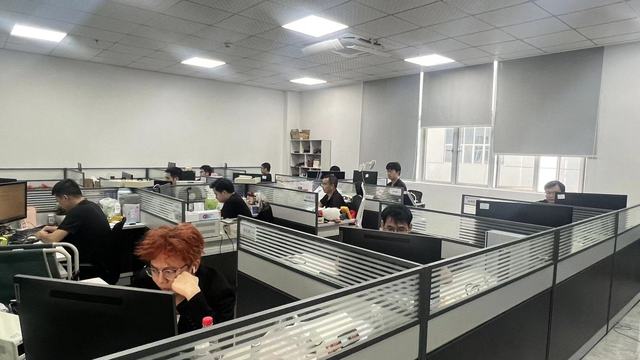
Driven by innovation, Shenzhen Kore Auto continuously invests in research and development to keep pace with the rapidly evolving automotive industry, including electric and connected vehicles. Our experienced engineering team develops cutting-edge diagnostic technologies featuring comprehensive vehicle coverage, fast data processing, intelligent fault analysis, wireless connectivity, and user-friendly software interfaces.
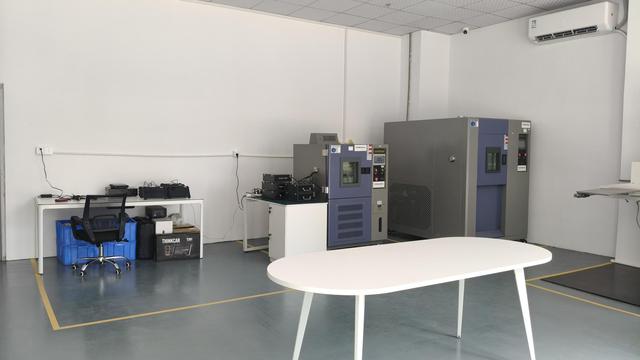
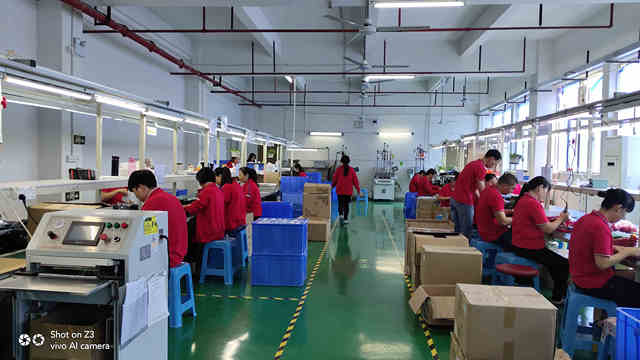
Quality and reliability are fundamental to our success. Every product is manufactured under strict quality control standards and undergoes rigorous testing procedures to ensure stable performance, accuracy, and durability in demanding workshop environments. We also provide flexible OEM and ODM services, helping customers develop customized automotive diagnostic products tailored to specific market requirements.
Serving customers throughout Europe, North America, South America, Asia, the Middle East, and Africa, Shenzhen Kore Auto Co., Ltd. has established long-term partnerships with distributors, automotive service providers, and industry professionals worldwide.
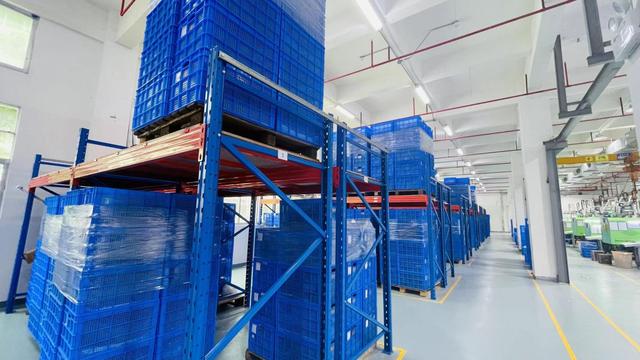
Addressing geographical nuances and technical environments faced by auto repair networks globally.
Regulatory frameworks in developed regions place safety systems at the center of roadworthiness certifications. In the European Union, ADAS functionality is verified during periodic inspections. Therefore, workshop operators require systems that log calibration data pre- and post-alignment. Our exported platforms generate comprehensive diagnostic reports, allowing shops to satisfy insurer liability protocols and verify sensor alignments with visual accuracy.
In developing regions, road surfaces put heavy mechanical strain on vehicle suspensions, requiring frequent alignment adjustments. Additionally, high levels of airborne dust require target boards that are highly durable and non-reflective. Hardware must operate reliably under varying temperature and humidity profiles without electronic lag. Our passive reflective targets require no internal power, ensuring resilience against physical dropped impacts or dirt buildup.
Complement your physical wheel alignment processes with critical electronic diagnostic and ECU programming hardware.
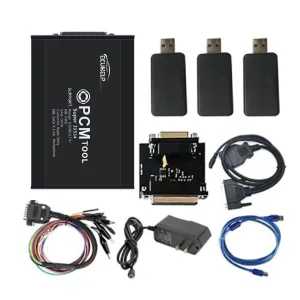
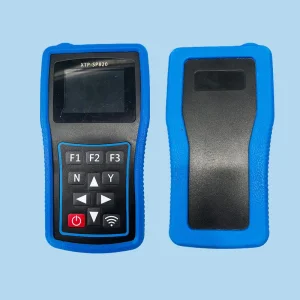

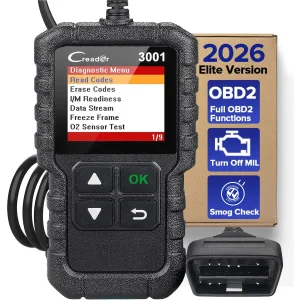
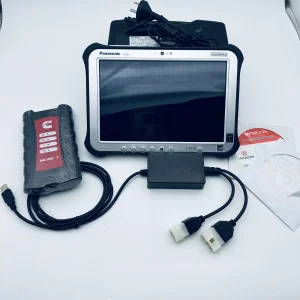
Deep answers addressing the high-intent queries submitted by shop managers and technicians globally.
Modern vehicles rely on Electronic Stability Control (ESC) systems that compare the driver's steering input against the actual vehicle yaw rate. If you adjust the steering linkages or rear thrust angles without resetting the steering angle sensor via an OBD2 diagnostic tool (like the Launch X431 series), the vehicle's ECU will register a mismatch. This error leads to false ESP activation, lane-departure intervention errors, and stored trouble codes (DTCs) in the chassis module.
The MaxiSYS IA900WA utilizes an integrated tracking frame equipped with high-resolution cameras that dynamically track the wheel targets, establishing the vehicle's true thrust line. Once the mechanical alignment is verified, the system utilizes this coordinate structure to guide the placement of ADAS target calibration boards (for radar, LiDAR, and vision cameras). This eliminates the need for manual plumb lines, tape measurements, and separate workspace footprints, cutting calibration setup times by up to 70%.
CAN-FD (Flexible Data-rate) and DoIP (Diagnostics over Internet Protocol) allow for dramatically increased transmission rates compared to traditional CAN-Bus protocols. For wheel alignment technicians, this speed translates to real-time parameter streaming of suspension dynamics, instant sensor data refreshes, and rapid flashing capabilities during calibration procedures. Newer models (such as those from BMW, Volvo, and Ford) require DoIP capability to run diagnostic sequences or reprogram module defaults.
Electric Vehicles (EVs) exhibit concentrated under-chassis mass. This alters suspension deflection parameters during acceleration and deceleration compared to ICE vehicles. Alignment targets must account for this weight balance. When choosing alignment systems, look for options that feature comprehensive weight-compensation databases and customizable calibration targets. This ensures adjustments match the specific vehicle load configuration, reducing tire wear and maintaining drag efficiency.
Yes. By utilizing diagnostic platforms with remote programming capability (such as SmartLink or specialized Launch X431 configurations), local technicians can securely connect to a remote server. This allows factory engineers or master diagnostics technicians in other locations to program steering control modules or update vehicle parameters, bypassing the need for expensive diagnostic modules or dealer tools in-house.
 Kore Auto