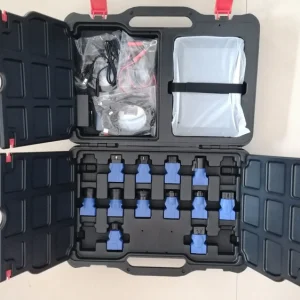
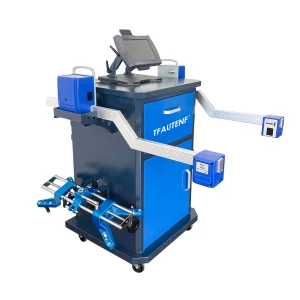
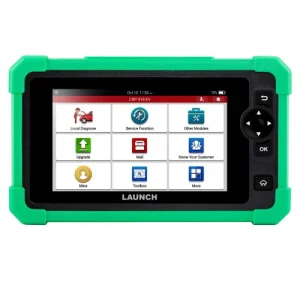
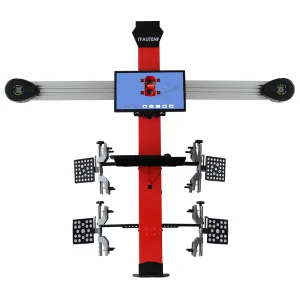
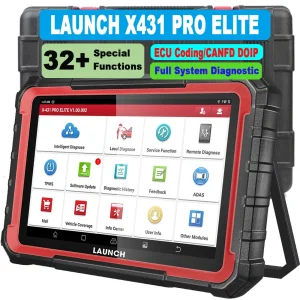
Browse our cutting-edge diagnostic scanners, calibration devices, and wheel alignment machines designed for modern workshop workflows.
The global automotive aftermarket is undergoing a fundamental technological transformation. Wheel alignment, once a purely mechanical procedure of adjusting tie rods and control arms, has evolved into a critical calibration step required to ensure the functional safety of modern vehicles. As Advanced Driver Assistance Systems (ADAS)—including Lane Departure Warning (LDW), Adaptive Cruise Control (ACC), and Autonomous Emergency Braking (AEB)—become standard on contemporary passenger cars and commercial vehicles, precise structural wheel alignment has become an indispensable pre-requisite for sensor calibration.
Information Gain Concept: If a vehicle's geometric thrust line is misaligned by even fractions of a degree, the onboard camera, radar, and LiDAR arrays will fail to track target lanes or obstacles accurately, leading to catastrophic system errors. Hence, tire alignment machines are no longer standalone tire-changing tools; they are the baseline foundation of vehicle sensor calibration networks.
From a macroeconomic perspective, the global market for tire alignment equipment is driven by increasing vehicle ownership, the rapid expansion of logistics fleets requiring commercial truck wheel alignment, and stringent vehicle inspection regulations in regions such as the European Union and North America. Consequently, the demand from international buyers has shifted from entry-level mechanical or basic 2-camera systems to high-speed 3D wheel aligners, multi-axle CCD heavy-duty truck aligners, and fully automated contactless alignment systems.
Procurement directors at commercial workshops, national tire retail franchises, public transport fleets, and regional equipment distributors look beyond standard price points. Modern B2B procurement processes evaluate equipment based on the following operational criteria:
Optimized algorithms and passive target plates reduce setup times, allowing workshops to service up to 30% more vehicles per day.
Seamlessly interfaces with worldwide ADAS frames to establish the correct geometric thrust angle relative to sensor centers.
Instant cloud access to over 40,000 global vehicle models, automatically updated annually with zero hardware dongles required.
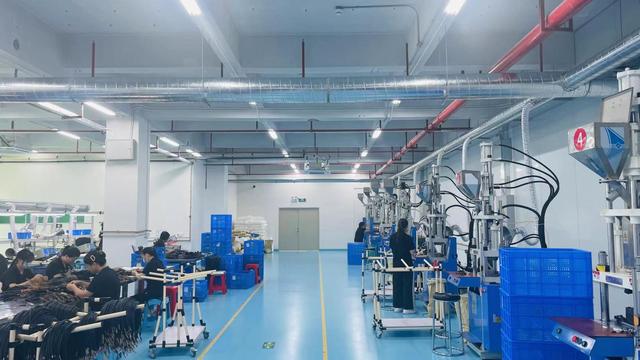
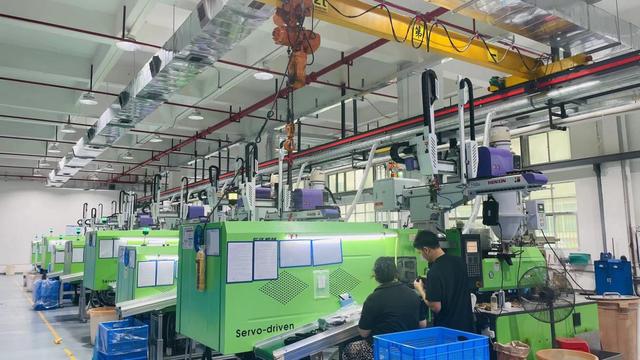
Shenzhen Kore Auto Co., Ltd. is a professional China automotive diagnostic tools manufacturer specializing in the development, production, and global supply of advanced vehicle diagnostic solutions for the automotive aftermarket industry. With extensive experience in automotive electronics and diagnostic technology, Kore Auto is committed to delivering intelligent, reliable, and high-performance diagnostic equipment to customers worldwide.
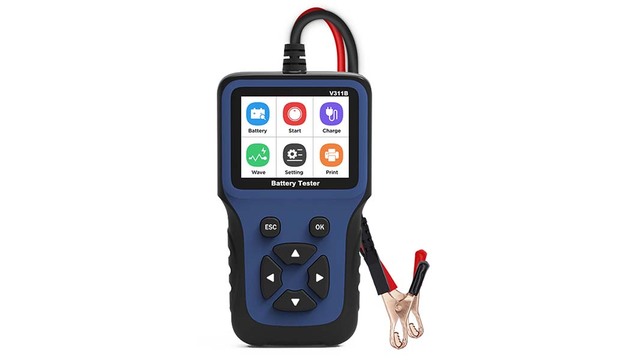
Our comprehensive product portfolio includes automotive diagnostic scanners, OBD diagnostic tools, ECU programming equipment, TPMS diagnostic systems, ADAS calibration equipment, battery testing devices, vehicle inspection systems, automotive oscilloscopes, remote diagnostic platforms, and customized diagnostic solutions. These products are widely used by automotive repair workshops, dealerships, fleet operators, vehicle inspection centers, and maintenance service providers.
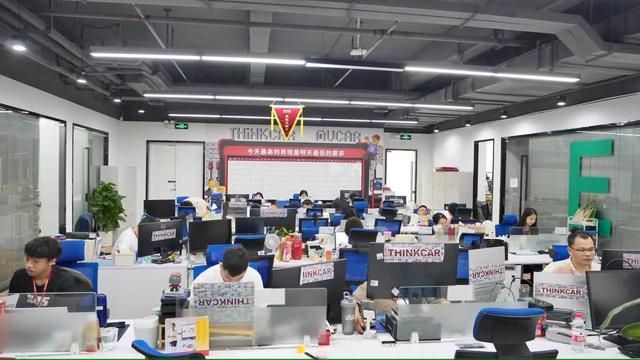
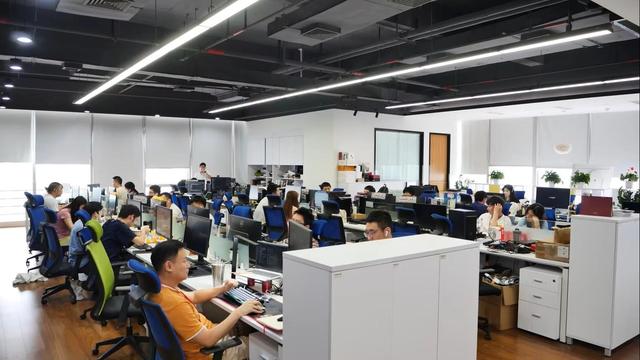
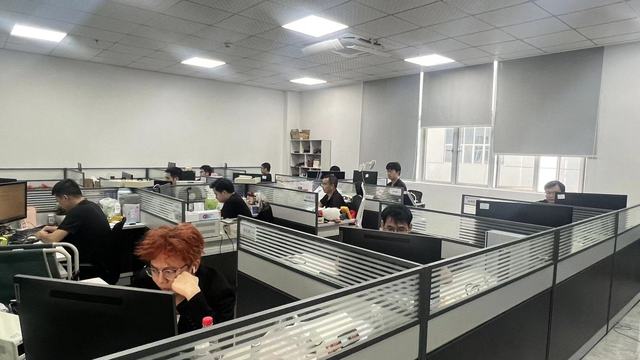
Driven by innovation, Shenzhen Kore Auto continuously invests in research and development to keep pace with the rapidly evolving automotive industry, including electric and connected vehicles. Our experienced engineering team develops cutting-edge diagnostic technologies featuring comprehensive vehicle coverage, fast data processing, intelligent fault analysis, wireless connectivity, and user-friendly software interfaces.
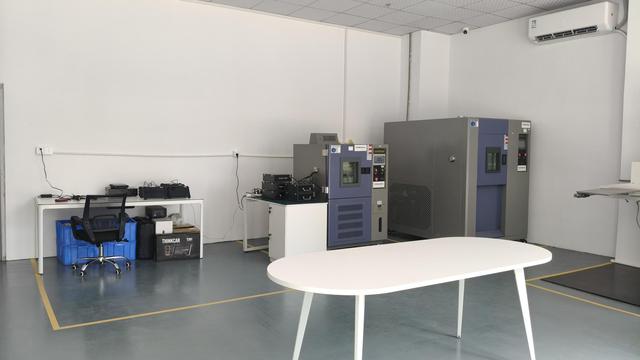
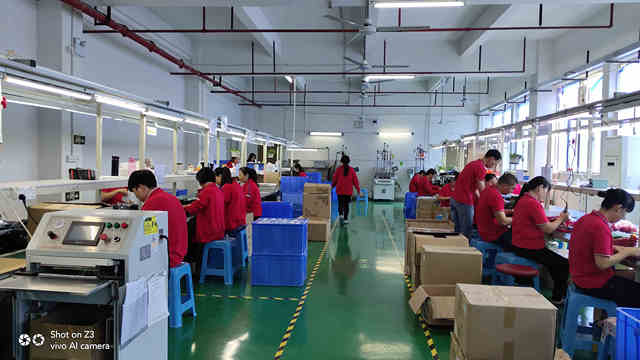
Quality and reliability are fundamental to our success. Every product is manufactured under strict quality control standards and undergoes rigorous testing procedures to ensure stable performance, accuracy, and durability in demanding workshop environments. We also provide flexible OEM and ODM services, helping customers develop customized automotive diagnostic products tailored to specific market requirements.
Serving customers throughout Europe, North America, South America, Asia, the Middle East, and Africa, Shenzhen Kore Auto Co., Ltd. has established long-term partnerships with distributors, automotive service providers, and industry professionals worldwide.
Global Export Markets
Units Installed Globally
Vehicle DB Specifications
Measurement Tolerance
To support global supply chains, China manufacturers have developed diverse technical pathways. The evolution of alignment technologies can be summarized as follows:
Utilizing high-definition digital cameras paired with retroreflective target plates mounted on the vehicle's wheels. The system calculates the spatial position of each tire continuously through triangulation algorithms. 3D technology eliminates the need for sensor calibration on the targets themselves, making the system highly reliable and less susceptible to physical drops. Modern 3D systems now integrate automatic camera beam tracking, which moves the camera beam vertically to follow the lift, ensuring ergonomic comfort for technicians working at varying heights.
Utilizing infrared sensors or high-speed CCD sensors that communicate wirelessly with each other and the central console. CCD technology remains highly relevant for heavy-duty commercial truck applications due to its flexibility. It allows measurements across extended wheelbases and multi-axle setups where structural columns of typical 3D camera beams might block line-of-sight.
The cutting-edge frontier of the industry. Vehicles are driven through a bay where laser scanners and projection systems map the tire angles instantly without any wheel clamps or targets. This eliminates potential rim scratching and increases shop throughput exponentially. While currently representing a premium tier of investment, the market share of contactless alignment is projected to grow as operations seek absolute automation.
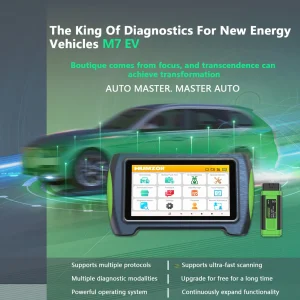
Electric vehicles possess unique characteristics—higher torque profiles, heavier chassis weights due to battery packs, and lower margins for aerodynamic drag. Precise alignment on EVs is critical to prevent premature tire wear and to maximize battery range. Our latest diagnostic and alignment frameworks take battery pack distribution, variable suspension settings, and specific steering angle sensor (SAS) resets into account, allowing technicians to align electric platforms with absolute confidence.
For B2B distributors and enterprise buyers, compliance is critical. A reliable tire alignment machine manufacturer must meet strict regulatory standards to operate legally in global markets:
Furthermore, localized technical support networks are crucial. Our business model bridges the gap between Chinese industrial efficiency and local customer service. We provide comprehensive training modules, detailed calibration kits, and replacement components through regional hubs. This ensures minimized downtime, giving workshops a fast, predictable return on investment.


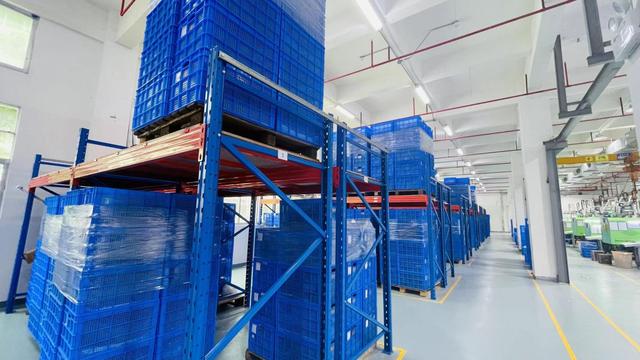
Read detailed technical explanations addressing setup, diagnostic capabilities, and alignment methodologies.
Modern vehicles rely on ADAS cameras, radars, and sensors that project directional coordinates based on the vehicle's thrust line (the direction the rear wheels are pointing). If the mechanical alignment is incorrect, the physical orientation of the vehicle will differ from its electronic target vector. Performing a physical 3D wheel alignment is the necessary step before executing dynamic or static ADAS sensor calibration, ensuring all vehicle systems function correctly.
3D alignment systems use optical cameras to track passive targets attached to the wheels. This configuration requires no electronics on the targets, resulting in high speed, durability, and minimal calibration requirements. CCD alignment systems use electronic sensor pods mounted on each wheel that transmit data via Bluetooth or RF. CCD systems are highly mobile and ideal for heavy-duty commercial truck applications where structural posts for camera towers are not practical.
Under normal shop conditions, 3D alignment cameras and structures should undergo a calibration check every 12 months. If the camera tower is subjected to impact, or if the system is relocated, immediate recalibration using standard calibration fixtures is required to maintain accuracy within our 0.01-degree tolerance specification.
Yes. Our global vehicle database is updated via cloud servers. It covers regional market variations, including European, North American, South American, Asian, and Middle Eastern OEM vehicle models, ensuring your shop can perform alignments on domestic and imported models alike.
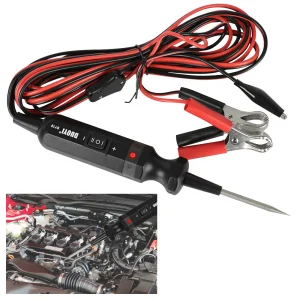
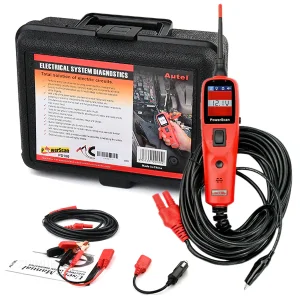
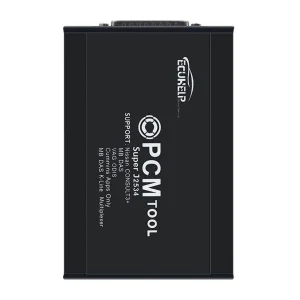
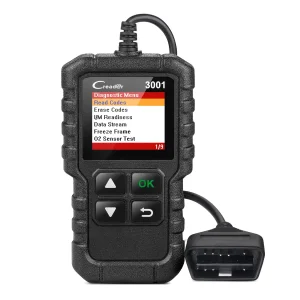
Complete your workshop ecosystem with high-accuracy electronic diagnostics, system testers, and circuit analyzers.

 Kore Auto