High-precision diagnostic interfaces, battery management equipment, and specialized software modules engineered for fleet maintenance and workshop calibration.
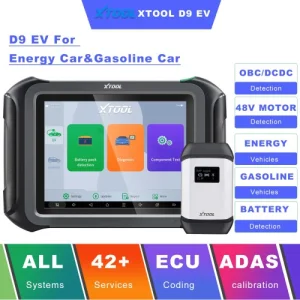
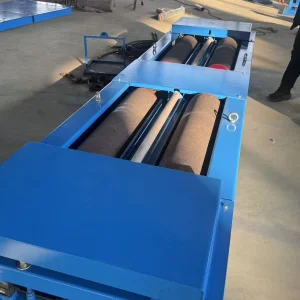
In modern automotive maintenance, relying solely on standard On-Board Diagnostics (OBD) code readers is no longer sufficient. Serial diagnostic tools report only what the Engine Control Unit (ECU) perceives, which represents processed, delayed, and often incomplete data. For complex, intermittent electrical failures, technicians require physical-layer diagnostics. This is where high-bandwidth, high-sampling-rate automotive oscilloscopes become indispensable.
When searching for a reliable China wholesale automotive oscilloscope supplier, global procurement teams, tool distributors, and fleet managers are looking for more than hardware. They seek diagnostic platforms capable of verifying signal integrity, troubleshooting Controller Area Network (CAN-FD) buses, analyzing ignition waveforms, and diagnosing high-voltage electric vehicle (EV) systems. Partnering with a vertically integrated manufacturer like Shenzhen Kore Auto Co., Ltd. ensures access to highly reliable hardware paired with up-to-date automotive software libraries.
How Shenzhen Kore Auto Co., Ltd. integrates advanced design, high-quality production, and global supply logistics to deliver high-performance diagnostic tools.
Continuous investment in engineering enables us to develop solutions compatible with the latest vehicle architectures, including connected cars, ADAS calibration, and high-voltage electric vehicle drivetrains.
We provide complete customization services for global distributors. This includes customized enclosure designs, brand labeling, custom diagnostic application development, and localized multi-language UI integration.
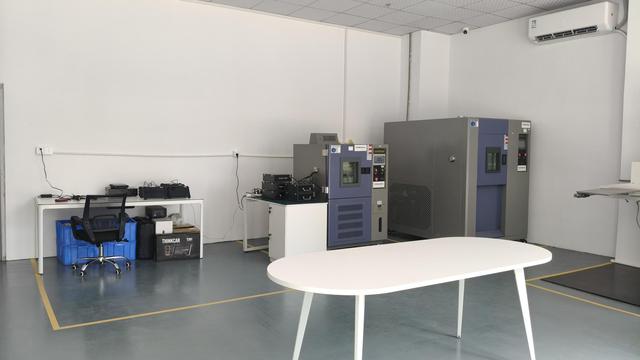
All diagnostic instruments undergo rigorous reliability testing, including high-low temperature cycles, vibration exposure, EMC testing, and Drop-shock evaluations to ensure stability in harsh workshop environments.
QC Inspected
Exporting Countries
Engineering Patents
Technical Support
Sourcing automotive oscilloscopes requires careful evaluation of electrical and processing specifications to meet the needs of modern workshops. Below are the key technical criteria that purchasing managers must verify before entering a bulk supply agreement:
For standard sensor testing (such as temperature, throttle position, or lambda sensors), a bandwidth of 20 MHz is usually sufficient. However, modern vehicles run high-speed serial networks. To capture high-frequency transitions on CAN-FD, FlexRay, and high-voltage inverter switching systems, a minimum bandwidth of 100 MHz and a real-time sampling rate of at least 1 GSa/s (Gigasamples per second) are recommended. This guarantees that fast rising edges and high-frequency glitches are captured accurately without distortion.
While 2-channel oscilloscopes are suitable for basic diagnostic tasks, complex troubleshooting (such as verifying camshaft-to-crankshaft alignment or checking multi-phase electric motors) requires 4-channel or 8-channel systems. Furthermore, electric vehicle (EV) diagnostics require high levels of electrical isolation between channels to protect both the operator and the diagnostic tablet from high common-mode voltages.
Deep buffer memory is critical for capturing intermittent, random glitches. A deep memory (e.g., 50M to 100M points per channel) allows technicians to record long waveform streams during engine startup or test drives and zoom in on specific sections without losing sample resolution.
Standard industrial oscilloscopes require manual adjustment of timebase, voltage scale, and trigger settings. High-quality automotive oscilloscopes, however, feature pre-set measurement databases. By selecting a target component (e.g., "Common Rail Injector Current"), the device automatically configures the appropriate scale and trigger, displaying a reference waveform alongside the live feed. This increases diagnostic efficiency and reduces setup errors.
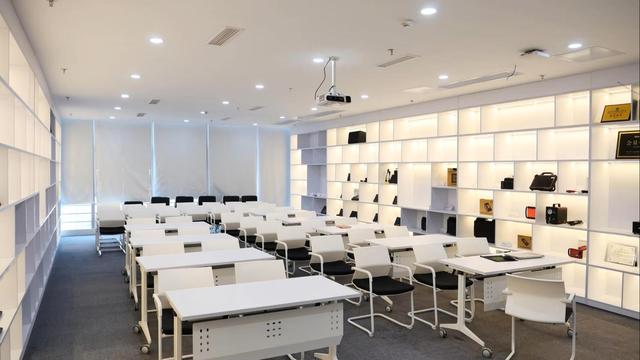
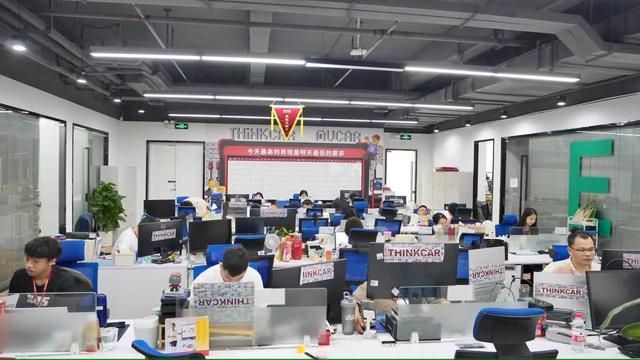
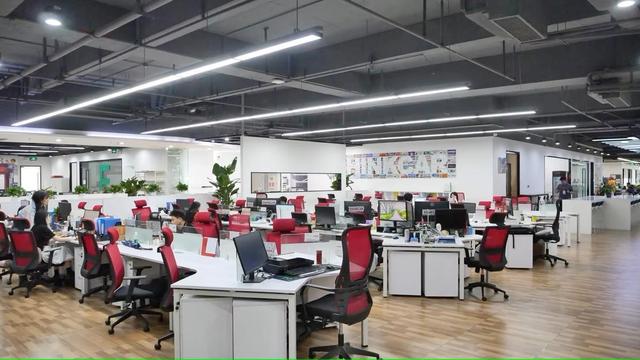
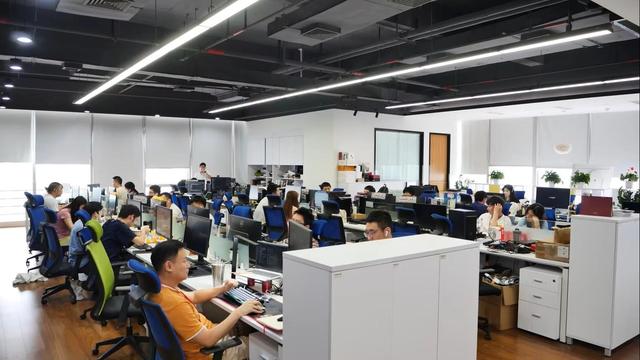
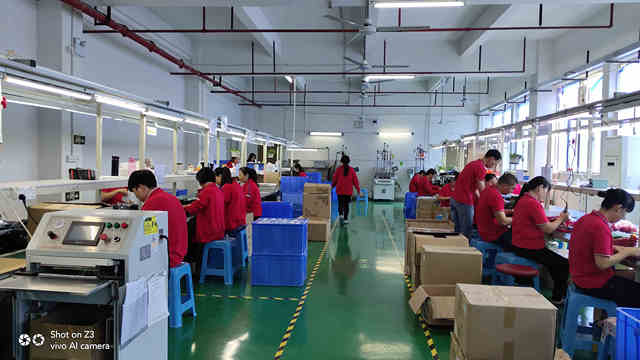
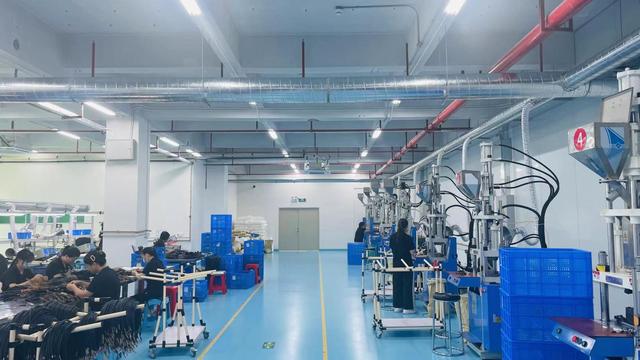
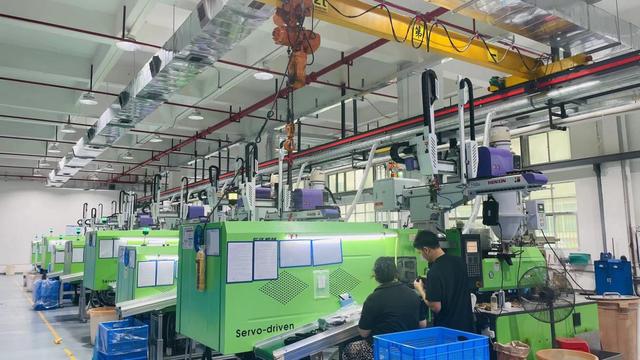
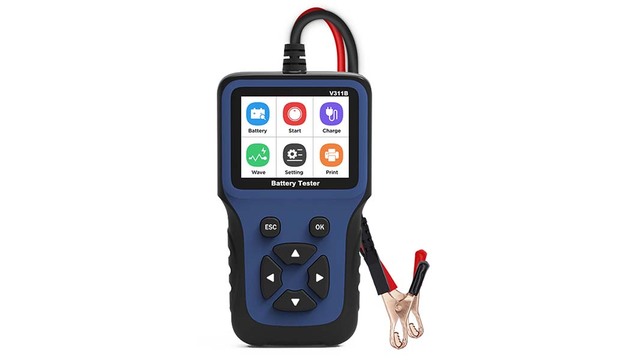
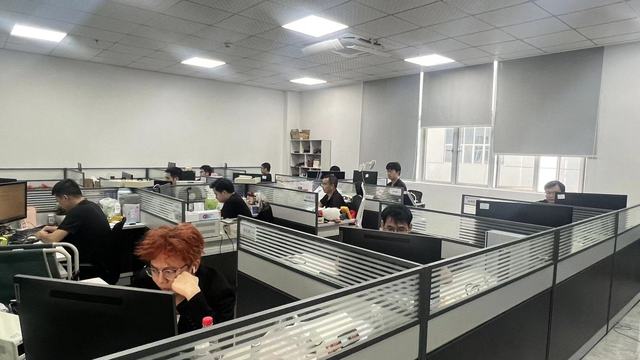
A visual tour of our production facility, showcasing assembly lines, calibration systems, and quality control departments.
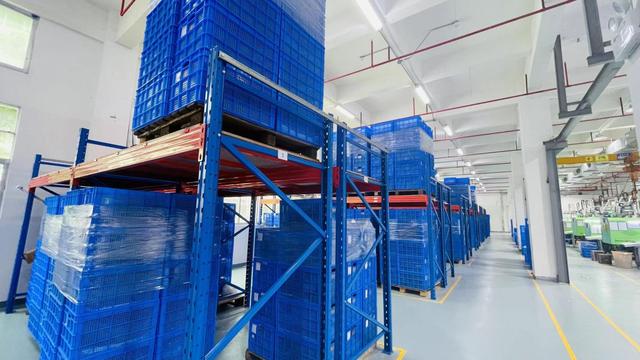
Distributing automotive diagnostic equipment globally requires navigating complex local technical regulations, software requirements, and calibration standards. Shenzhen Kore Auto Co., Ltd. designs its systems to meet international compliance frameworks:
For import into the European Economic Area (EEA), all diagnostic instruments carry full CE (Conformité Européenne) certification. For the North American market, components comply with FCC Part 15 regulations governing electromagnetic emissions. Additionally, all raw materials, solder joints, and components are verified to meet RoHS (Restriction of Hazardous Substances) standards to support environmental sustainability initiatives.
Diagnostic tools are only effective when technicians can easily navigate the interface. We support localized software packages across multiple languages, including English, German, French, Spanish, Italian, Portuguese, Russian, and Arabic. Beyond text translation, we integrate local vehicle database libraries and customize measurement parameters to align with regional industry standards (e.g., metric vs. imperial units).
Under ISO quality systems, workshop measurement tools must undergo traceable annual calibrations. Kore Auto provides calibration procedures and parameters traceable to international standards (such as NIST or regional CNAS equivalents). This allows local service centers and distributors to offer certified recalibration services to their end customers.
The applications for automotive oscilloscopes span multiple vehicle systems:
The transition toward Electric Vehicles (EVs), software-defined vehicles (SDVs), and automated driving systems is transforming vehicle diagnostic requirements. Advanced tools must adapt to these new architectures:
Electric vehicle architectures operate at high DC voltages, commonly ranging from 400V to 800V. Traditional 12V automotive scopes are unsuitable for these levels. Modern diagnostic systems require differential probes rated up to 1000V (CAT III / CAT IV) to safely analyze inverter gate signals and evaluate insulation performance on active drivetrains.
Analyzing raw signal waveforms requires significant diagnostic experience. Next-generation software platforms integrate machine learning models directly into the oscilloscope software. By comparing measured waveforms against a database of millions of cataloged waveforms, the system can automatically identify issues such as micro-short-circuits, solenoid wear, or jitter in signal lines.
Connected vehicle platforms enable technicians to upload captured signals directly to cloud servers. High-level diagnostics can then be conducted remotely by master technicians, allowing fleet operations and service chains to share expertise and manage vehicle health data centrally.
Answers to common technical, logistics, and supply chain queries to support your procurement decision-making.
Yes. In electric vehicles, checking cellular balance and module communication requires specialized isolated interfaces. When paired with high-voltage differential probes and isolation modules, our scopes safely measure high-voltage signals (up to 1000V CAT III) and trace high-speed communication signals like CAN-FD across BMS controllers.
We offer comprehensive OEM/ODM software customization. This includes custom branding of application boot screens, custom user interface color schemes, integrated database updates, and localized language translations. Hardware branding, including custom cases, labeled connectors, and bespoke packaging options, is also available.
For CAN-FD diagnostics, we recommend using a system with a minimum bandwidth of 80MHz to 100MHz and a sampling rate of at least 500MSa/s. This allows the system to capture fast rising edges without signal degradation, helping technicians spot issues like noise coupling, impedance mismatches, or terminal resistor faults.
Absolutely. All export-grade diagnostic tools and accessories manufactured by Shenzhen Kore Auto are fully CE, FCC, and RoHS certified. We also conform to standard international measurement rules, allowing our equipment to be distributed globally without legal or compliance barriers.
Yes. Our proprietary software features built-in preset menus for automotive components. Selecting an entry, such as "Primary Ignition," automatically configures the correct settings (voltage, timebase, and trigger level) and loads a reference waveform. This helps technicians compare test results directly to target waveforms.
Lead times depend on the level of customization required. Typically, standard wholesale orders are processed and shipped within 14-21 business days. Custom OEM orders (which include custom branding, packaging, and software configurations) usually require 30 to 45 days, depending on engineering approvals.
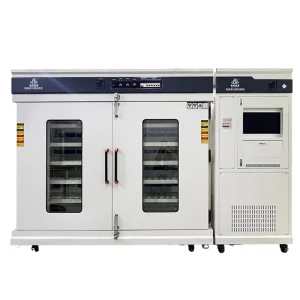
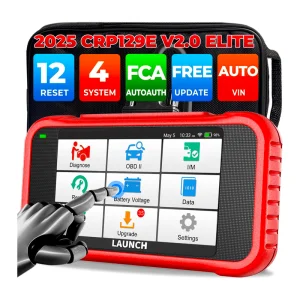
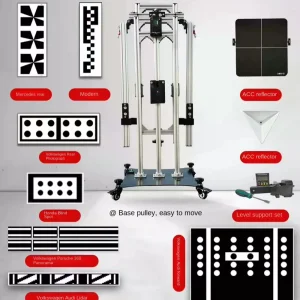
Further professional diagnostic options including high-capacity battery grading, ADAS camera calibration, heavy-duty truck tools, and hybrid system components.
 Kore Auto