Analyzing the paradigm shift in drivetrain configurations—from internal combustion engines to hybrid architectures and battery electric vehicles (BEVs)—and the corresponding demands on electronic system diagnostics.
The global automotive drivetrain diagnostic industry is undergoing a structural transformation. For decades, vehicle drivetrains were dominated by mechanical systems connected to basic internal combustion engines and hydraulic transmissions. Diagnostics was primarily focused on simple emissions compliance, utilizing standard OBD-II protocols. Today, the rise of electric vehicles (EVs), hybrid powertrains, and autonomous driving functions has converted the traditional drivetrain into a complex cyber-physical system.
Modern drivetrains are controlled by advanced Engine Control Units (ECUs), Transmission Control Units (TCUs), Motor Control Units (MCUs), and Battery Management Systems (BMS). As these control units become more interconnected via vehicle bus systems, diagnosing complex transmission slip, electric motor desynchronization, and thermal management anomalies requires tools with high computing capacity and multi-protocol capabilities. Shenzhen Kore Auto Co., Ltd., as an experienced China diagnostic tools manufacturer, designs equipment capable of interpreting these convoluted datastreams.
From a global procurement perspective, heavy-duty workshops, fleet logistics enterprises, and specialized repair networks demand unified diagnosis devices. They look for direct factory exporters in China that can provide cost-effective yet technically robust systems supporting legacy vehicles and modern NEVs (New Energy Vehicles) alike.
Traditional drivetrain testing focused on mechanical gear engagement, torque output, and hydraulic pressure control valves. In modern EV/HEV drivetrains, diagnostic targets have pivoted to high-voltage isolation status, CAN network integrity, cell-balancing algorithms, and IGBT switching frequencies within the inverter module.
Information Gain: Modern diagnostic tools must support direct CAN-FD and DoIP physical layer protocols to bypass localized vehicle firewalls and handle the increased throughput required to re-flash or scan complex drivetrain ECUs.
Vehicle Brands Supported
CAN-FD Transfer Speed
Strict R&D Quality Tests
Exporting Countries & Regions
A technical guide on why legacy OBD frameworks are failing, and how modern interfaces handle CAN-FD, DoIP, and secure OEM gateways.
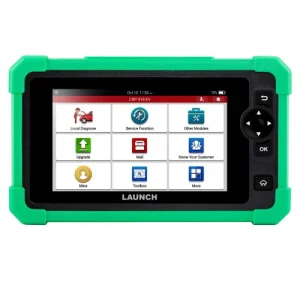
Traditional CAN networks limit data payload size to 8 bytes at 1 Mbps. CAN-FD, integrated into devices like the LAUNCH CRP919 EV, extends payloads up to 64 bytes at speeds of 5 Mbps, which is vital for transmission and engine telemetry flashing.
DoIP utilizes standard automotive Ethernet (ISO 13400) to transmit large software files at rates up to 100 Mbps. It allows workshops to update drivetrain ECU firmwares, calibration values, and complete large ADAS calculations in a fraction of standard OBD-II time.
Modern vehicle manufacturers like FCA, Mercedes-Benz, and Renault have locked down their OBD networks with hardware firewalls. Drivetrain diagnostic systems from China factories must provide integrated cloud authentication keys to unlock bi-directional communication channels.
Exploring targeted use-cases, commercial diagnostic adapters, and practical deployment of drivetrain diagnostic solutions across global markets.
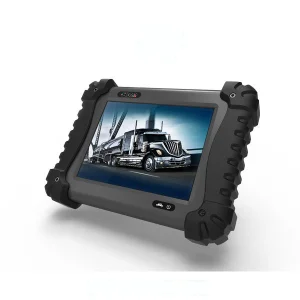
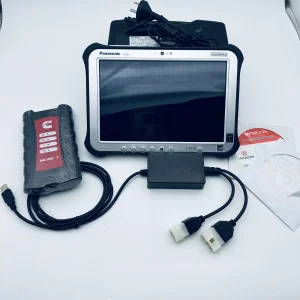
In cross-border heavy logistics (Europe & North America), a single hour of truck downtime can cost fleet operators hundreds of dollars. Sourcing premium multi-system heavy diesel diagnostics like the INLINE7 Data Link Adapter ensures direct access to the engine and Allison/Eaton TCUs.
With such equipment, fleet engineers can monitor diesel particulate filter (DPF) soot levels, perform active cylinder compression tests, calibrate transmission gear-shift points, and monitor fuel rail pressure remotely. Sourcing directly from high-capacity China exporters provides these fleets and local dealers with cost-effective fleet servicing tools.
Drivetrain testing isn't restricted to passenger cars. Industrial workshops, heavy duty mining networks, and government transport authorities rely on robust diagnostic architectures. For example, municipal transit networks use localized vehicle scanners to diagnose electric bus drivetrains. They require customized software showing precise battery pack thermal profiles, individual cell degradation indicators, and motor torque converter efficiency levels.
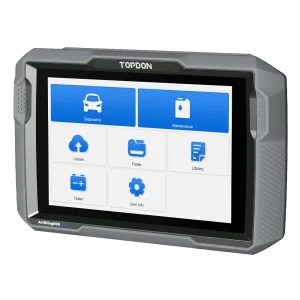
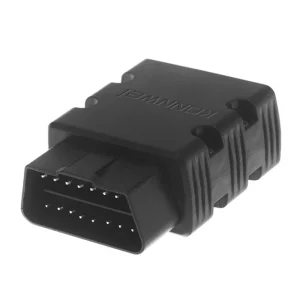
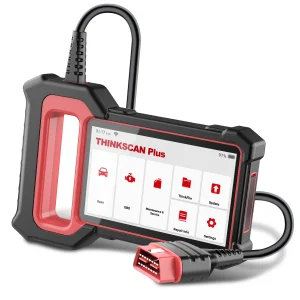
In localized passenger car service environments, quick scan tools like the Thinkscan Plus S7 allow local repair shops to offer direct dashboard check-ups. By diagnosing 7 key electronic systems (including Engine, Transmission, ABS, SRS, etc.), technicians can confidently pin down faults within the torque converter, transfer case, or differential modules.
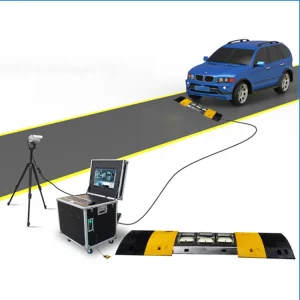
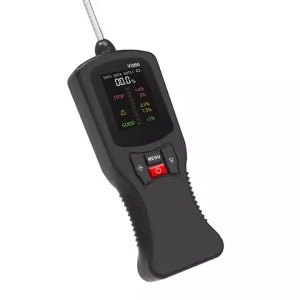
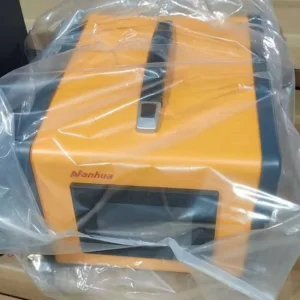
Additionally, vehicle safety inspections require diagnostic devices such as under-vehicle scanning systems (UVSS) or diesel emission gas analyzers (NANHUA NHT-6) to verify vehicle health and emissions before licensing approval.
For industrial buyers, high-grade diagnostic tools are not merely software interfaces; they represent robust engineering assemblies built to withstand harsh workshop and testing conditions.
For global wholesalers, the mechanical and electronic robustness of diagnostic equipment is a key purchasing factor. Diagnostic platforms operated in dusty, high-temperature repair shops or field test sites require rugged industrial enclosures, reliable connectors, and protected PCBs.
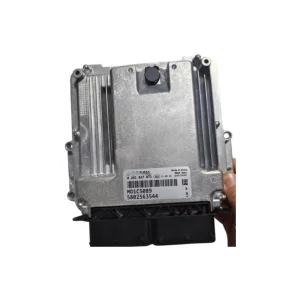
For instance, core ECU computing modules (such as the ECU ECM 0281037071) rely on complex integrated circuit configurations to manage engine fuel-injection mapping and sensor feedloops. Diagnostic scanners analyzing these microcontrollers must utilize high-end multiplexers to guarantee signal integrity across multiple CAN networks.
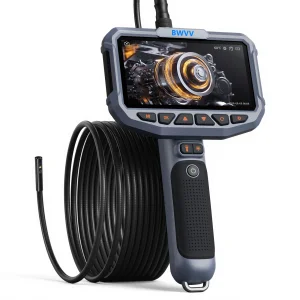
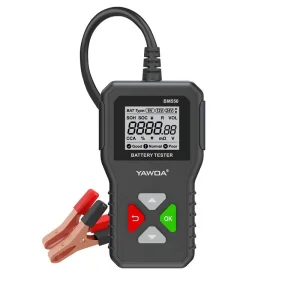
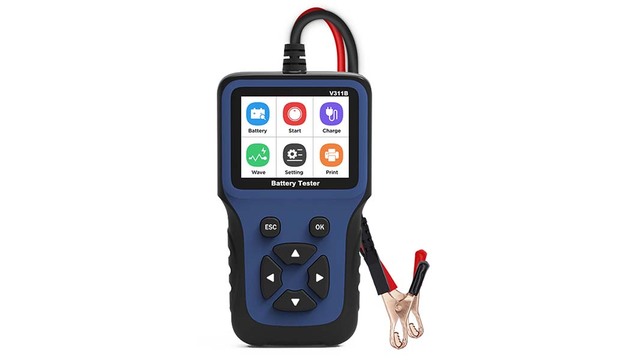
Similarly, testing auxiliary automotive electronics requires specialized apparatus. Tools such as BM550 battery checkers or high-definition borescope snake cameras are deployed daily inside workshops to run mechanical inspections on gears, cylinder walls, and electrical connections. A breakdown in these secondary devices slows down workshop diagnostics.
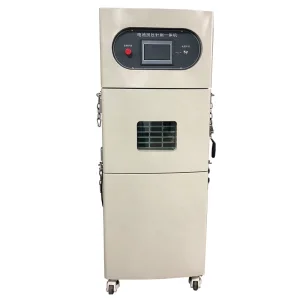
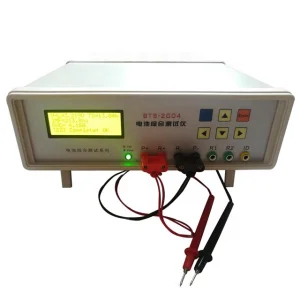
In addition to diagnostic tools, new energy vehicle manufacturers rely on production-line testing systems. Standard battery pack safety inspection demands equipment such as needle-punching or battery extrusion test machines.
These heavy physical testers verify the resilience of lithium-ion cells against catastrophic thermal runaway events. Having a comprehensive supplier in China like Shenzhen Kore Auto allows wholesale buyers to procure diagnostic scanners, specialized hardware testers, and ECU replacement modules under a unified, high-reliability logistics framework.
Each diagnostic scanner is equipped with surge protection, polarity reversal protection, and isolated transceiver chips (e.g., ISO1050) to prevent power spikes on the car's OBD-II port from destroying the diagnostic tablet or the vehicle's onboard computers.
A strategic roadmap for wholesale importers, distributors, and engineering partners looking to update their technology stacks.
Next-gen diagnostic systems will leverage edge-AI computing to analyze thousands of data streams simultaneously. Instead of providing static DTCs (Diagnostic Trouble Codes), scanners will suggest dynamic repair procedures based on cloud-compiled vehicle repair databases.
Physical code readers will be complemented by embedded telematics adapters. Fleet managers can execute remote vehicle bi-directional tests and clear codes over the cellular network using cloud-based dashboards, eliminating the need for physical vehicle visits.
Importers and workshops will transition from single software purchases to SaaS subscriptions. This model keeps diagnostic coverage up-to-date with newly released vehicle ECUs, security patches, and localized language translations.
How Shenzhen Kore Auto Co., Ltd. leads in advanced R&D, structural quality inspection, and globally integrated supply chain networks.
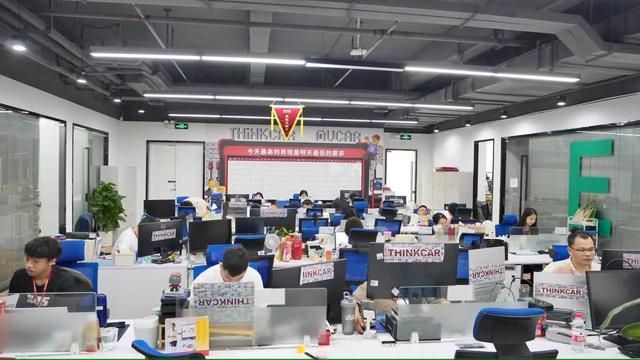
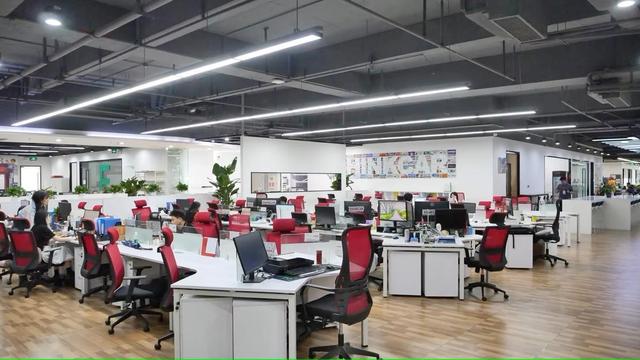
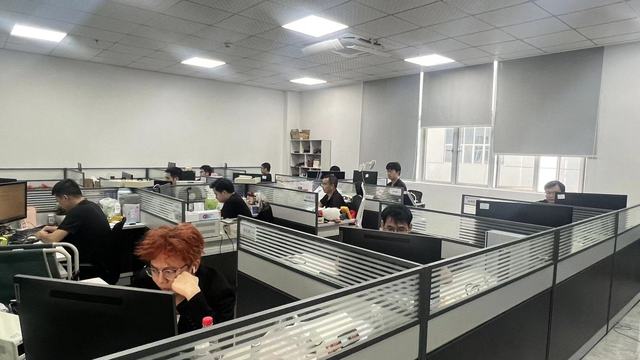
Shenzhen Kore Auto Co., Ltd. is a professional China automotive diagnostic tools manufacturer specializing in the development, production, and global supply of advanced vehicle diagnostic solutions for the automotive aftermarket industry. With extensive experience in automotive electronics and diagnostic technology, Kore Auto is committed to delivering intelligent, reliable, and high-performance diagnostic equipment to customers worldwide.
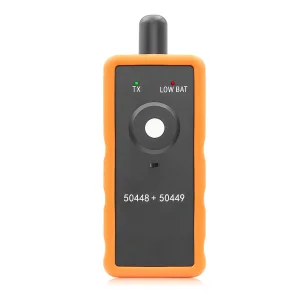
Our comprehensive product portfolio includes automotive diagnostic scanners, OBD diagnostic tools, ECU programming equipment, TPMS diagnostic systems, ADAS calibration equipment, battery testing devices, vehicle inspection systems, automotive oscilloscopes, remote diagnostic platforms, and customized diagnostic solutions. These products are widely used by automotive repair workshops, dealerships, fleet operators, vehicle inspection centers, and maintenance service providers.
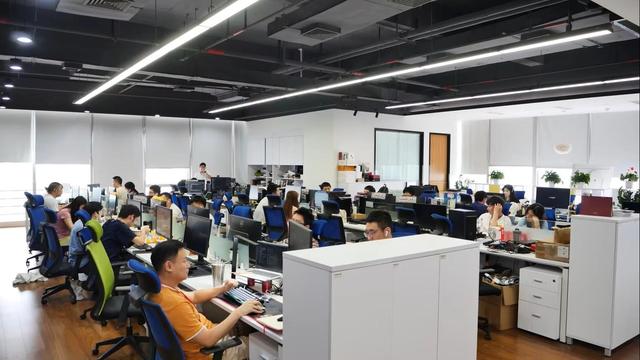
Driven by innovation, Shenzhen Kore Auto continuously invests in research and development to keep pace with the rapidly evolving automotive industry, including electric and connected vehicles. Our experienced engineering team develops cutting-edge diagnostic technologies featuring comprehensive vehicle coverage, fast data processing, intelligent fault analysis, wireless connectivity, and user-friendly software interfaces.
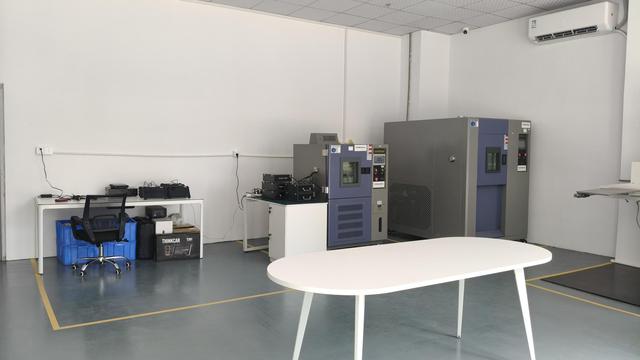
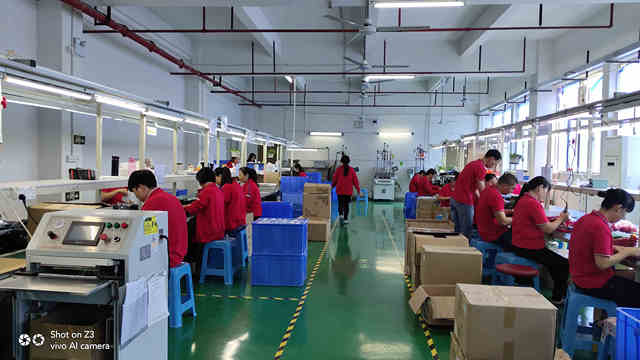
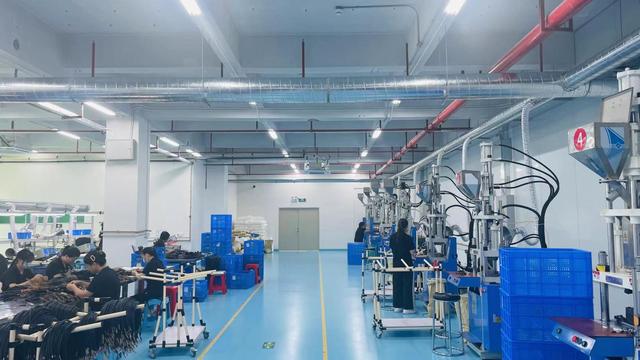
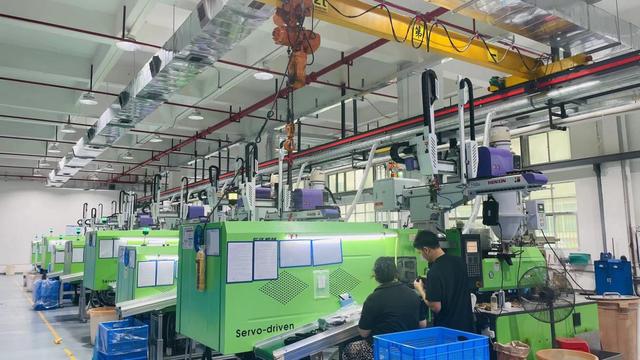
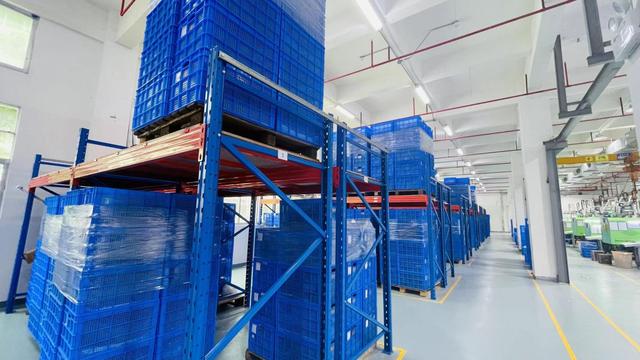
Quality and reliability are fundamental to our success. Every product is manufactured under strict quality control standards and undergoes rigorous testing procedures to ensure stable performance, accuracy, and durability in demanding workshop environments. We also provide flexible OEM and ODM services, helping customers develop customized automotive diagnostic products tailored to specific market requirements.
Serving customers throughout Europe, North America, South America, Asia, the Middle East, and Africa, Shenzhen Kore Auto Co., Ltd. has established long-term partnerships with distributors, automotive service providers, and industry professionals worldwide.
Whether a distributor requires private labeling, custom housing shapes, specialized firmware translations, or custom OBD wiring harnesses, Kore Auto possesses the design capability to deliver. Our structural manufacturing facilities are equipped to scale up rapidly to meet large orders while adhering to ISO 9001 and IATF 16949 international standards.

Addressing the key technical queries and purchasing concerns commonly raised by international importers, distributors, and automotive engineers.
 Kore Auto