Pioneering standard compliance testing equipment designed to support vehicle workshops, testing centers, and commercial fleet management operations globally.
A deep dive into regulatory shifts, ADAS calibrations, EV architectures, and smart automation.
The global automotive safety landscape is experiencing a paradigm shift. Historically, vehicle safety inspection equipment focused on basic mechanical tests: brake efficiency, suspension wear, exhaust emissions, and optical alignment. However, with the rapid deployment of Advanced Driver Assistance Systems (ADAS), electric vehicle (EV) powertrains, and OTA-enabled Electronic Control Units (ECUs), diagnostic paradigms have changed. Today's safety inspections require digital-physical synergy, capable of auditing active electronic safety features alongside physical mechanics.
According to research into global automotive trends, regulatory agencies worldwide—such as Euro NCAP, the US Federal Motor Carrier Safety Administration (FMCSA), and China's Ministry of Transport—are updating standard inspection frameworks. Modern testing facilities must evaluate high-voltage EV battery pack degradation, confirm active emergency braking calibration, and verify safety-critical ECU checksums to prevent unauthorized modifications. For workshops and distributors, partnering with a high-capacity custom OEM manufacturer is essential to stay ahead of these regulatory changes.
Testing new energy vehicles (EVs) requires isolated diagnostic scanners, battery pack cycle checkers, and high-voltage safety testers to protect repair personnel and confirm battery integrity.
Precise positioning for front-facing camera targets, radar alignment, and LiDAR calibration are now standard requirements for maintaining road worthiness and safety ratings.
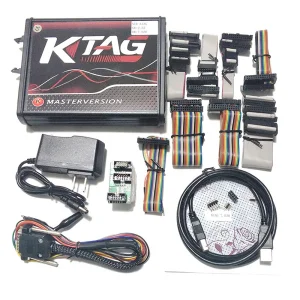
Securing CAN bus access, programming replacement ECUs, and reading component identifiers are vital for detecting hidden faults and ensuring emission compliance.
How enterprise buyers, fleet operations, and national vehicle inspection centers evaluate diagnostic supply partners.
Purchasing agents and fleet directors at logistics companies, dealerships, and municipal test stations face complex operational challenges. The purchase of vehicle safety equipment is not merely a hardware acquisition; it is an investment in efficiency, uptime, and regulatory compliance.
Key procurement vectors include:
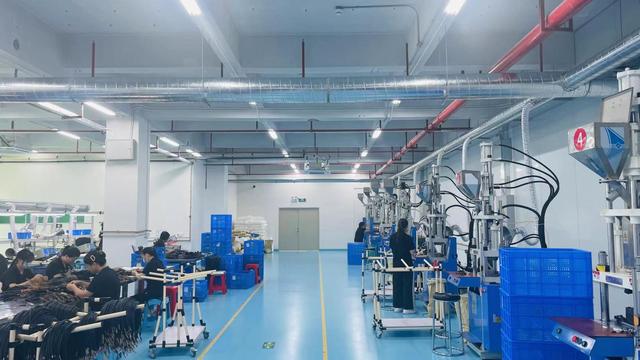
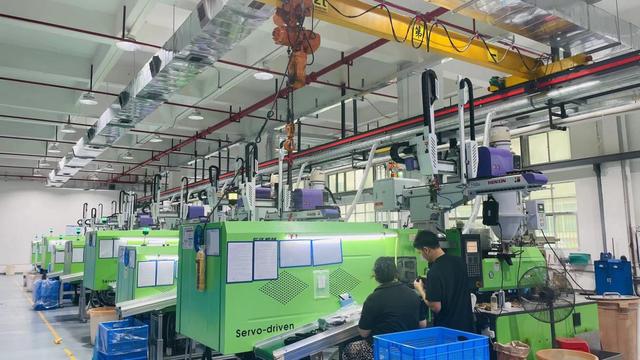
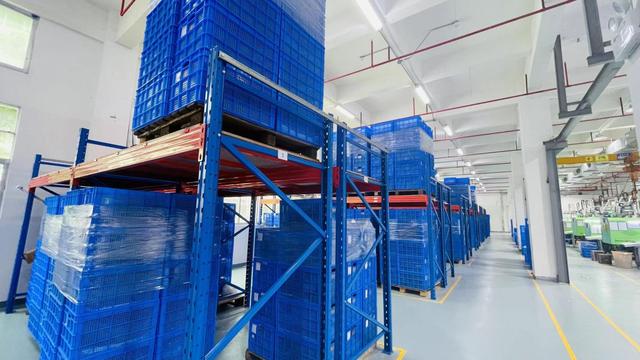
Inside Shenzhen Kore Auto Co., Ltd.’s high-performance manufacturing center.
Shenzhen, China stands as the global silicon capital for hardware innovation and supply chain integration. Shenzhen Kore Auto Co., Ltd. leverages this ecosystem to deliver advanced manufacturing solutions for the automotive aftermarket. With a focus on R&D investment and a complete industrial supply chain, we offer cost-effective development, production, and distribution services to global buyers.
Our Industry 4.0 production framework features automated surface-mount technology (SMT) lines, precision calibration equipment, and isolated electrostatic chambers. This advanced infrastructure allows us to maintain product quality while scaling to meet large OEM demands. In an era of global shipping constraints and component shortages, our supply chain integration helps secure vital processors, transceiver modules, and raw components to ensure timely delivery.
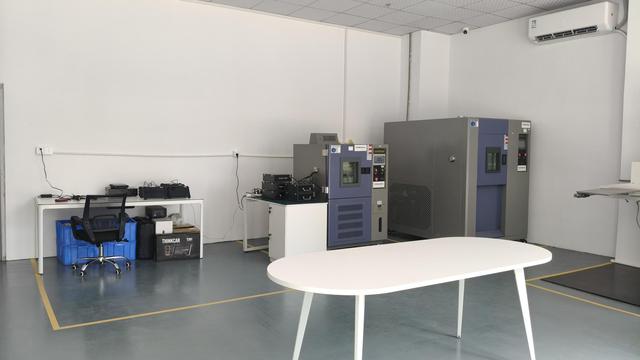

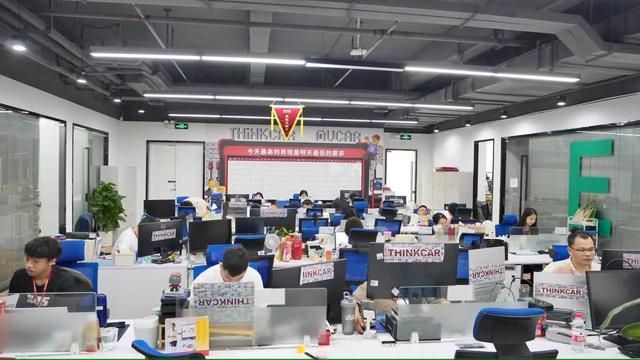

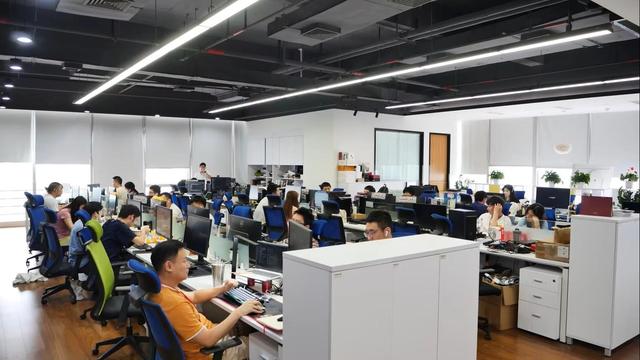
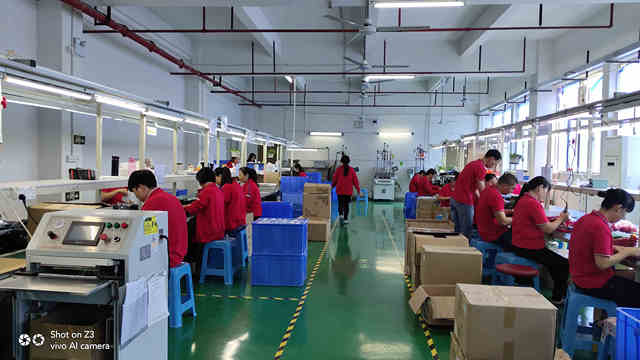
How we customize hardware firmware, UI systems, and structural plastic molds to align with your corporate branding.
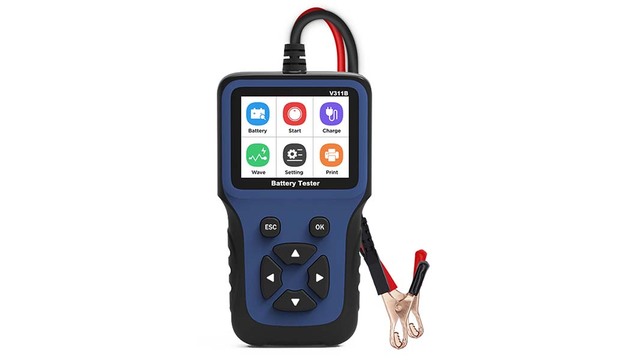
At Shenzhen Kore Auto Co., Ltd., we provide comprehensive OEM and ODM services for the global automotive aftermarket. We help client companies launch fully certified, customized diagnostic product lines with tailored software interfaces, customized database setups, and custom-molded enclosures.
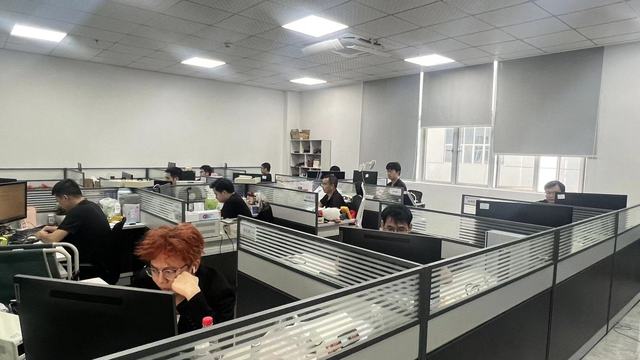
Our experienced engineering team is dedicated to meeting customer requirements, whether that involves tailoring OBD2 protocol libraries for specific vehicle makes or developing high-voltage testing tools for electric vehicle fleets. This collaborative approach helps our clients establish unique, branded product portfolios that stand out in competitive markets.
Analyzing how vehicle safety equipment operates across varied international landscapes.
Evaluating commercial vehicle alignments, dual-axle brake performance, and ECU stability is essential for reducing down-time in logistics operations.
Providing testing equipment designed to streamline emissions checks, brake efficiency audits, and safety compliance verifications.
Optimizing workshop throughput with quick-scan vehicle tools that pinpoint mechanical faults, clear fault codes, and reset service lights.
Addressing complex engineering, safety certifications, and customization inquiries.
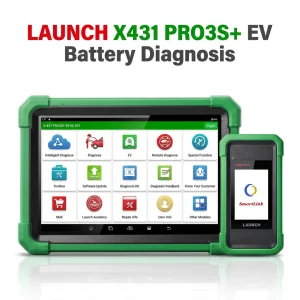
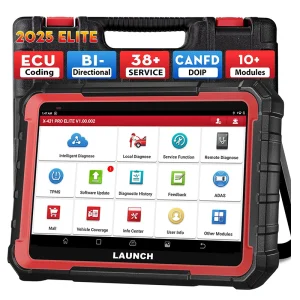
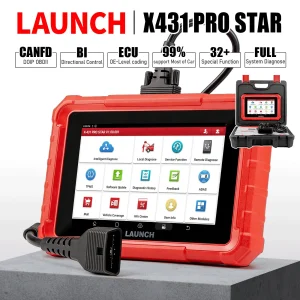
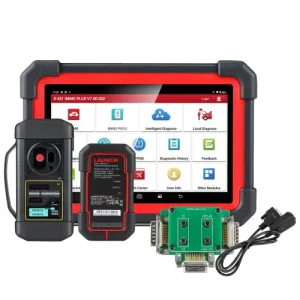
Unlike internal combustion engine vehicles, NEVs require deep-level diagnostics for high-voltage battery health (SOH), cell voltage variance, temperature profiles, and isolation resistance. Tools like the Launch X431 PRO3S+ EV Diagnostic Tool are designed with proper voltage isolation and specific software protocols to interface directly with the Battery Management System (BMS) for safety audits.
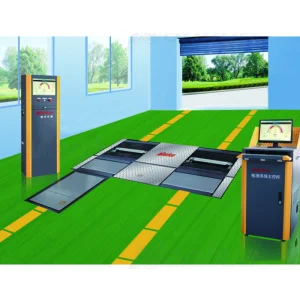
A four-in-one vehicle safety line combines suspension testing, sideslip measurement, brake force evaluation, and axle load calculations into a single workspace. This design saves floor space, increases testing speed, and helps reduce data manual transfer errors, making it a common choice for municipal inspection centers and large maintenance workshops.
As vehicles adopt new communication systems like CAN FD, DoIP, and security gateways (FCA Autoauth), diagnostic software must adapt. Shenzhen Kore Auto Co., Ltd. continuously updates its diagnostic libraries through our dedicated R&D team. Clients can easily download updates over-the-air (OTA) to ensure compatibility with new models.
We offer custom services ranging from branding design to deep software customization. This includes custom structural plastic moldings, customized user interfaces (UI), tailored brand logos, and specific protocol development. Our team works closely with clients to create products that fit their market position and meet local regulatory standards.
Every product undergoes comprehensive testing, including drop tests, temperature resistance checks, and vibration analysis. We design our housings with shock-absorbing TPU and seal inner electronics against dust and moisture, helping ensure stable performance in typical workshop environments.
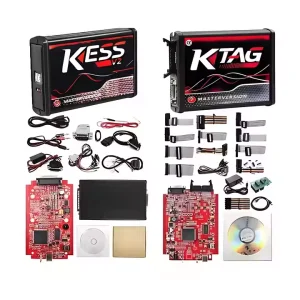
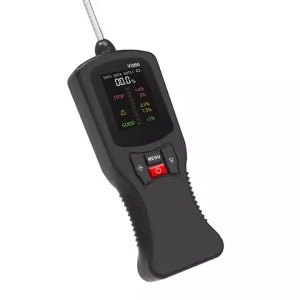
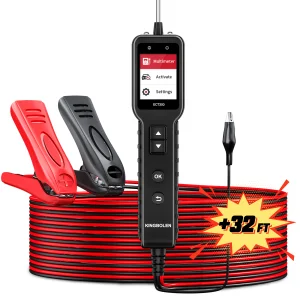
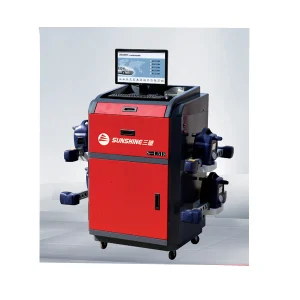
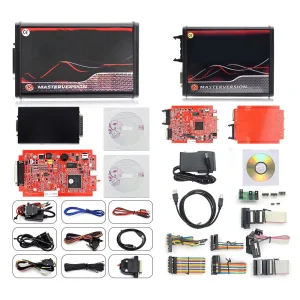
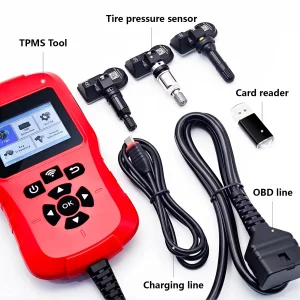
Explore our specialized ECU programmers, OBD2 tools, and alignment hardware systems.
 Kore Auto