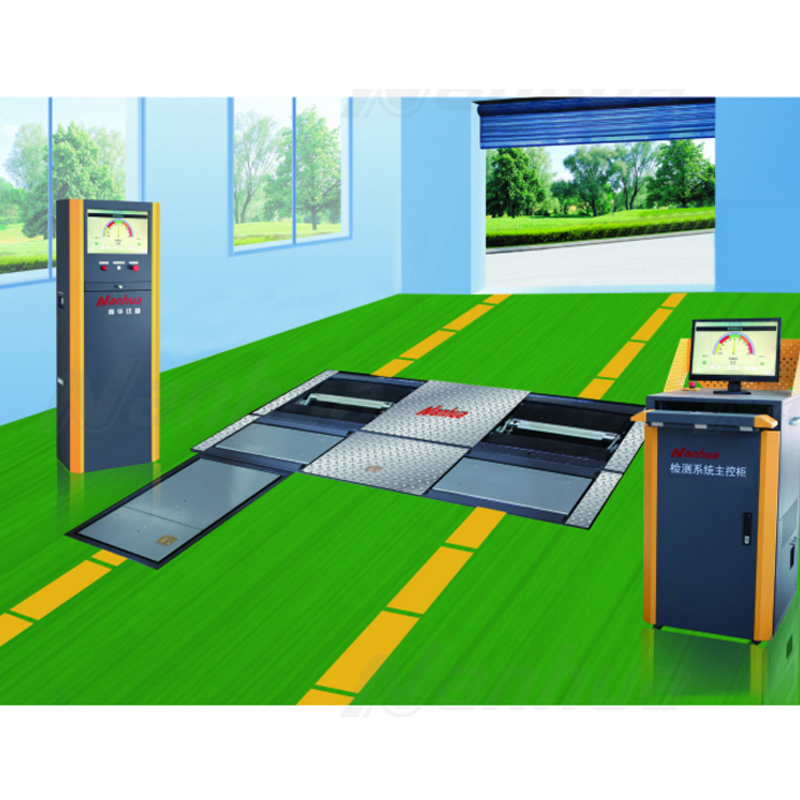
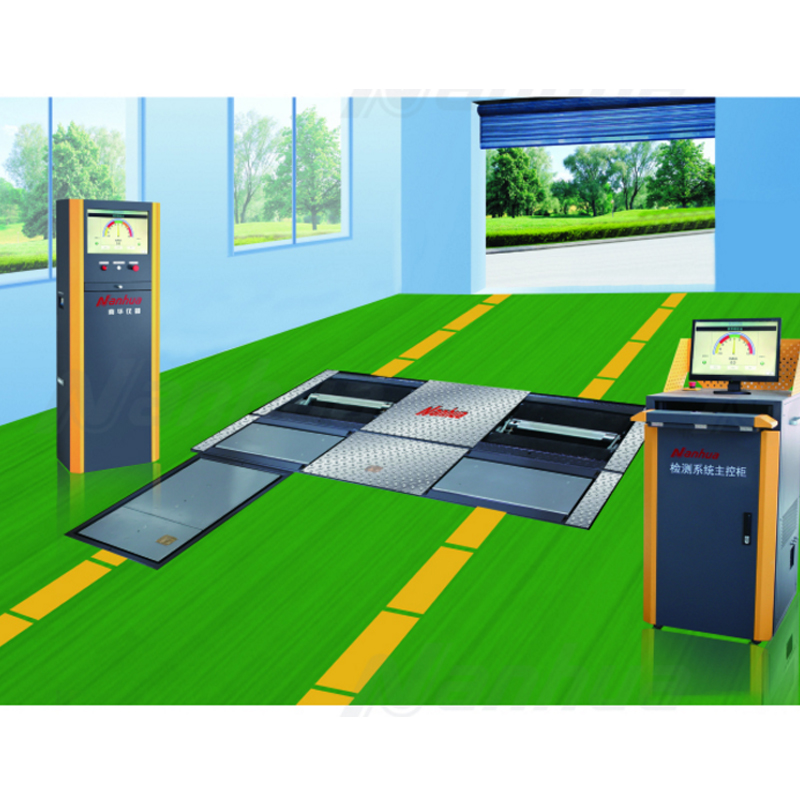
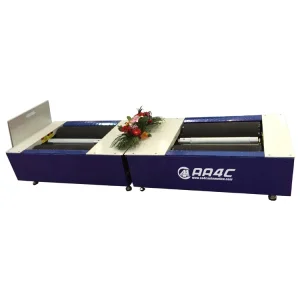
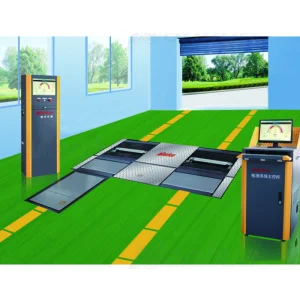
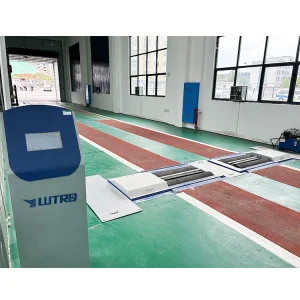
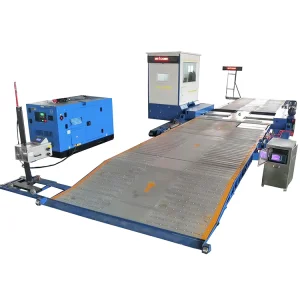
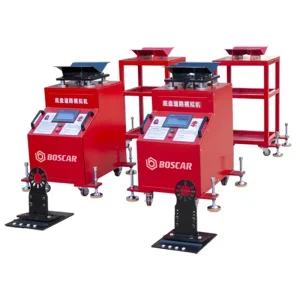
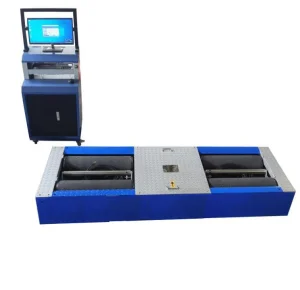
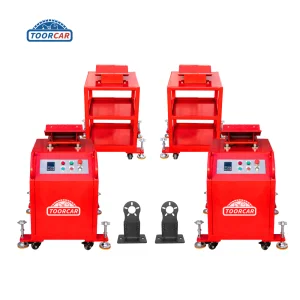
NHQT-4 four-in-one automotive testing line is a new generation of products developed by using advanced testing technology and combining with the actual needs of users. It is mainly used for the comprehensive performance of the vehicle to be repaired (or completed vehicle) in the automotive maintenance industry: the performance indicators such as side slip, wheel weight, suspension performance, and automobile braking force are tested on a test bench that simulates roads and is dynamically detected. Automobile detection equipment for automobile sideslip, suspension, braking force and other items.
The control system of NHQT-4 is independently designed and developed. It is a lively and flexible combination method that better meets the needs of customers. This product has high technology, simple operation, small footprint, economical and practical, and is widely used in auto repair shops, 4S shops and teaching and research institutions.
About Us
FAQ
What are the core functions of the NHQT-4 four-in-one testing line?
The NHQT-4 testing line integrates multiple detection functions into a single system, simulating road conditions to test vehicle side slip, wheel weight, suspension performance, and braking force dynamically.
What is the maximum load capacity for the NHS-03Q model?
The NHS-03Q model has a maximum physical wheel load capability of 2000kg and supports a maximum detection wheel load of 1500kg.
How accurate is the side slip detection on this equipment?
The side slip detection range is ±15.0m/km, with a high-precision indication resolution of ±0.1m/km and a calibration ratio of 1 mm to 2.0m/km.
What environmental conditions are required for optimal operation?
The system is designed to operate in ambient temperatures ranging from 0°C to 40°C, with a relative humidity level of 90% or less.
Which automotive sectors is this equipment suited for?
Due to its compact footprint and high technology, it is widely implemented across professional auto repair shops, 4S service dealerships, and automotive education/research institutions.
 Kore Auto