Explore our cutting-edge vehicle inspection tools, heavy-duty scanners, and high-performance testing hardware engineered for modern automotive infrastructure.
The automotive, aerospace, and industrial manufacturing industries are experiencing a profound digital shift. The transition from legacy mechanical diagnostic instruments to advanced digital inspection systems is no longer just an upgrade—it is a core industrial necessity. Globally, vehicle inspection structures must align with the growth of Software-Defined Vehicles (SDVs), electric drivetrains, and complex ADAS radar systems.
As vehicle complexity escalates, repair centers and industrial labs face strict demands. Modern digital inspection tools integrate high-speed communications protocols such as CAN FD and DoIP (Diagnostics over Internet Protocol) to handle massive datasets generated by modern vehicle networks. From checking ADAS calibrations to validating high-voltage EV battery states, high-quality instrumentation is critical for modern logistics fleets, Tier-1 workshops, and safety regulatory agencies.
"The shift to digital vehicle diagnostics is accelerating. Standard diagnostic protocols are moving to IP-based infrastructures, requiring high-bandwidth hardware interfaces to process diagnostic datasets in real time."
Modern diagnostics rely on hardware accuracy. A single millivolt variation in an oscilloscope reading or a tiny miscalculation in a TPMS sensor frequency can lead to incorrect vehicle calibrations, raising safety concerns. Because of this, global buyers seek manufacturers who combine engineering expertise with high-tech production.
Shenzhen Kore Auto Co., Ltd. stands out at the center of this industry. As an established automotive diagnostics manufacturer, they build advanced testing gear designed for the global automotive aftermarket. By integrating modern components, rigorous calibration routines, and robust housing designs, they produce tools that perform reliably in challenging workshop environments.
By working with specialized component manufacturers, industrial facilities can access customized configurations, OEM/ODM versatility, and direct technical support. This approach helps maintain accuracy while controlling equipment sourcing costs.
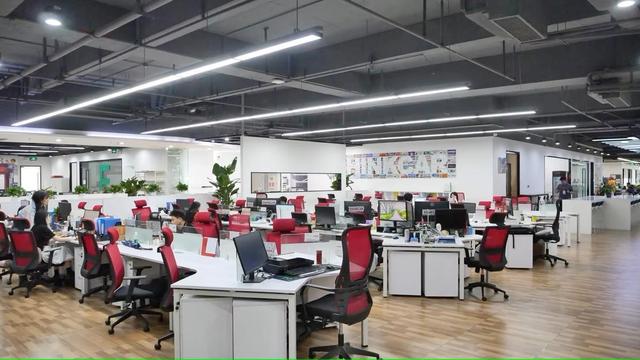
China's industrial landscape, particularly the tech hub of Shenzhen, is a key center for diagnostic electronics manufacturing. Shenzhen Kore Auto Co., Ltd. utilizes this regional infrastructure to balance production speed, component access, and rigorous quality control.
By working within a mature local supply chain, Kore Auto quickly sources high-precision microcontrollers, wireless modules, and durable composite plastics. This enables rapid prototyping and shortens the path from initial design to market.
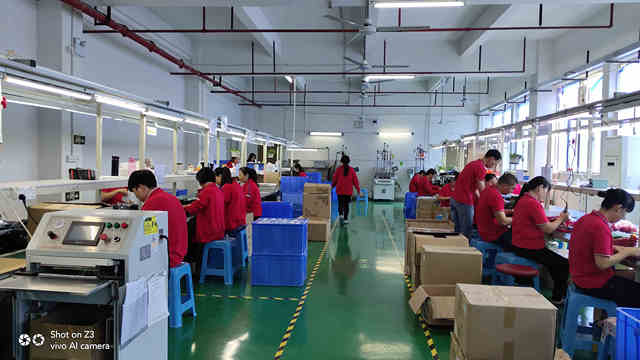
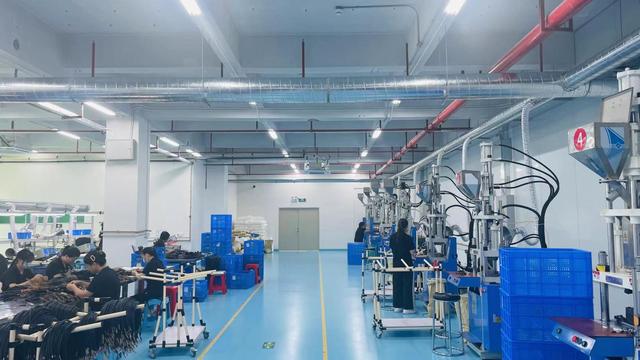
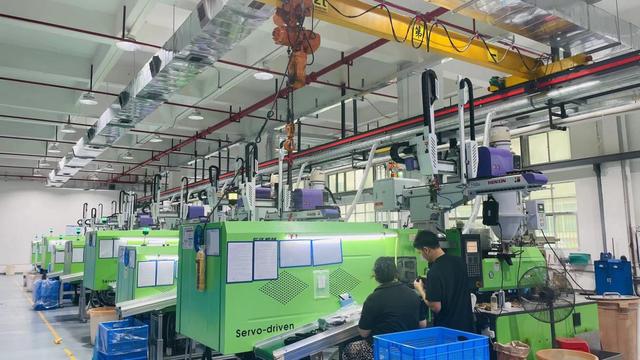
Additionally, Kore Auto's modern assembly systems and automated testing rigs ensure high precision during high-volume production runs. Every diagnostic tablet, oscilloscope, and TPMS sensor undergoes rigorous automated checks to maintain calibration integrity before leaving the factory floor.
Discover the technical details behind our automotive diagnostics and digital inspection instruments.
Engineered to handle high-bandwidth vehicle networks, our diagnostics support modern protocols to process large diagnostic datasets from modern vehicles in real time.
Our instruments undergo rigorous calibration procedures, delivering high reliability and accuracy across workshops, research labs, and test benches.
Supports OBDII, EOBD, and major global protocols, ensuring compatibility across North American, European, Asian, and South American vehicle markets.
Engineered for high utility across diverse industrial and workshop environments.
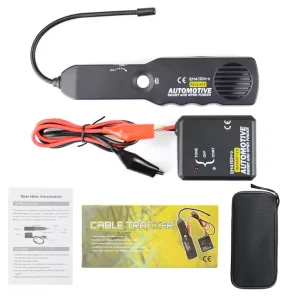
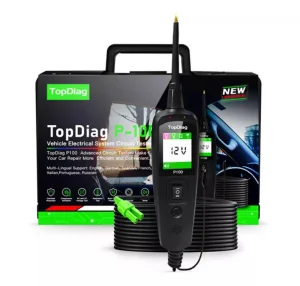
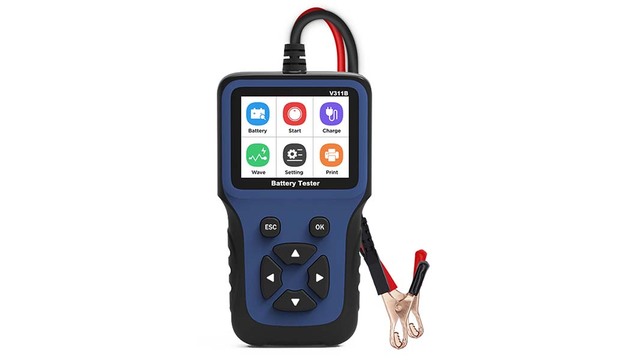
In modern independent workshops and automotive dealerships, technicians require tools that quickly isolate driveability issues, chassis anomalies, or sensor mismatches. Our comprehensive diagnostic scanners and circuit tracers streamline vehicle throughput, saving labor hours. By integrating OBD2 diagnostics with real-time sensor testing, workshop managers can rely on efficient workflows and clear diagnostics.
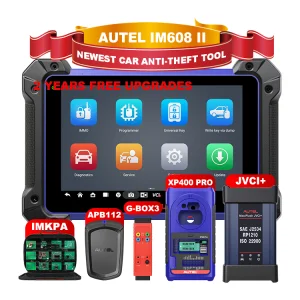
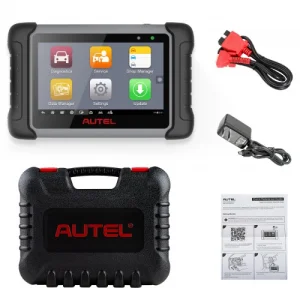
Advanced systems like the Autel MaxiCOM MK808s enable mechanics to run complete system scans, perform oil resets, reset steering angle sensors (SAS), clear EPB codes, and manage DPF regeneration via a single, user-friendly interface.
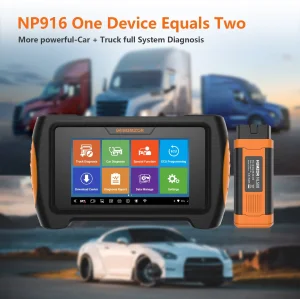
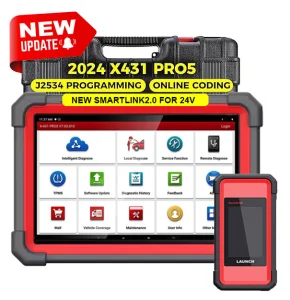
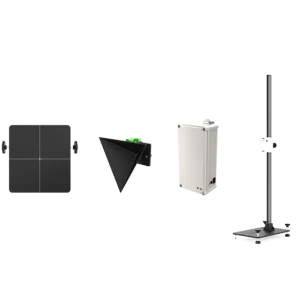
For commercial fleets, minimizing vehicle downtime is key. Multi-system truck diagnostic tools allow fleet technicians to run predictive maintenance checks on heavy-duty vehicles. Additionally, with the rise of Advanced Driver Assistance Systems (ADAS), specialized tools like the Launch X-431 ADAS Calibration System ensure radar and cameras are aligned after windshield replacements or body repairs, helping operators maintain vehicle safety standards.
These calibration systems assist fleet operators in adhering to safety guidelines, keeping vehicles properly aligned, and protecting drivers and cargo on long-haul routes.
Procuring diagnostic equipment for global markets requires navigating diverse regional safety regulations, certification paths, and language localizations. Enterprise buyers look for partner factories that understand these requirements. Shenzhen Kore Auto Co., Ltd. provides end-to-end support for these procurement needs.
Every product goes through strict testing to meet international certifications, including CE, FCC, RoHS, and ATEX Zone 2 standards for hazardous environments. This focus on compliance ensures smooth importing and distribution across Europe, the Americas, Asia, and other regions.
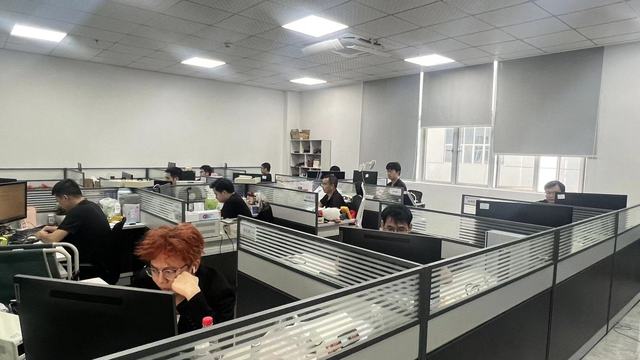
Furthermore, Kore Auto's flexible OEM/ODM service helps customers build customized diagnostic tools. From software modifications and branding to specialized hardware designs, our R&D team works to deliver solutions that meet specific local market demands.
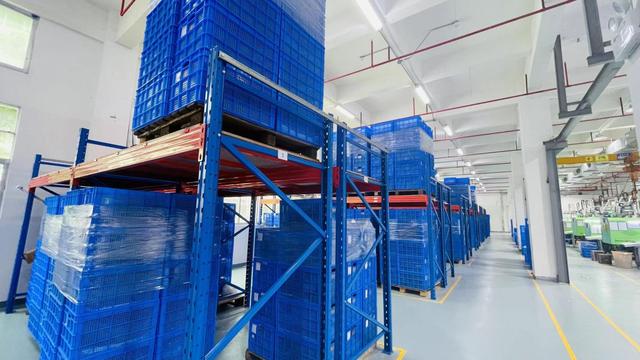
Explore our advanced vehicle inspection simulators, calibration systems, and diagnostic components designed to support modern workshop infrastructure.
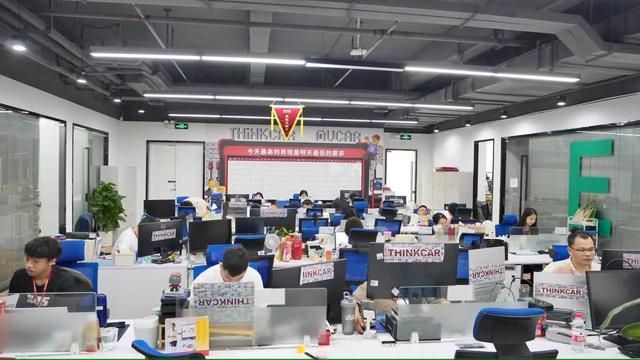
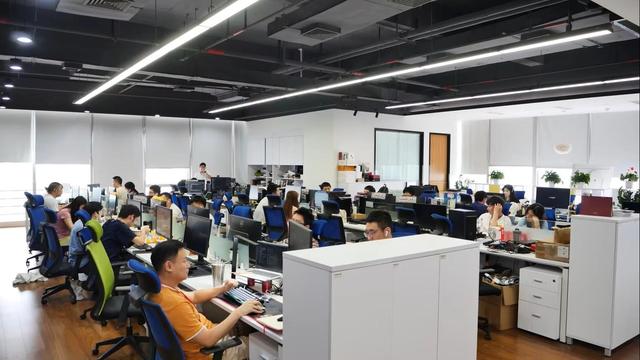
A look inside our manufacturing processes, modern SMT lines, assembly halls, and rigorous testing setups.
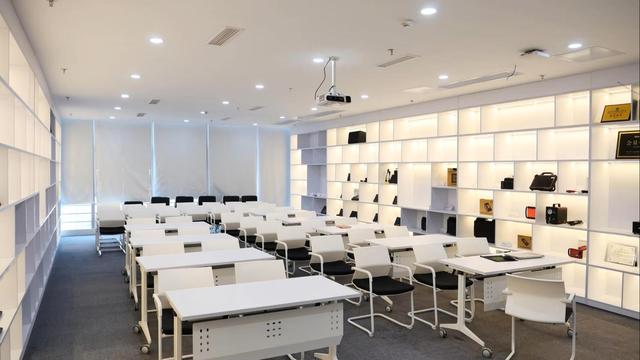
Technical guidance and sourcing tips for B2B procurement managers and automotive technicians.
DoIP (Diagnostics over Internet Protocol) and CAN FD (Controller Area Network Flexible Data-Rate) provide significantly higher bandwidth compared to legacy CAN bus systems. This speed is necessary for flashing firmware to ECUs, running multi-system diagnostic scans on modern vehicles, and analyzing real-time telemetry. Without these protocols, diagnostic operations on modern connected vehicles can experience slow processing and data bottlenecks.
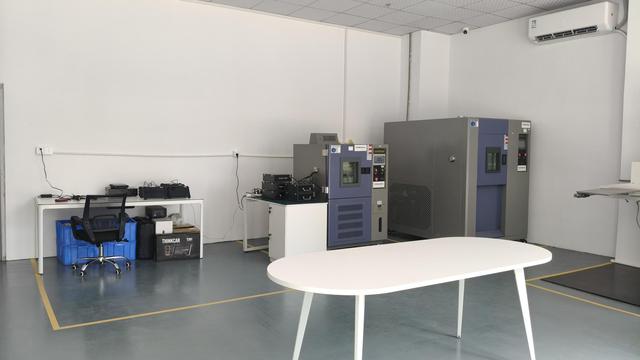
Kore Auto uses a multi-stage Quality Management System. Raw components, including microcontrollers and PCBs, undergo strict initial inspections. The manufacturing process includes SMT automated assembly, visual inspections, automated functional testing, and precision signal validation. Each device is calibrated and tested for temperature tolerance and shock resistance to ensure reliable operation in demanding workshop environments.
Yes. Kore Auto provides full OEM and ODM services. Our R&D team can develop custom hardware enclosures, adapt circuit boards, modify software interfaces, write custom diagnostic libraries, and pre-program local language files. This enables B2B buyers to offer branded, optimized diagnostic solutions tailored to their specific regional market demands.
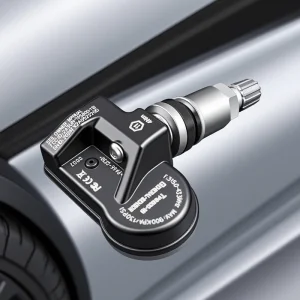
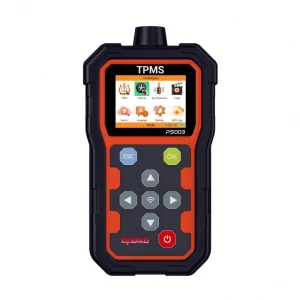
Tire Pressure Monitoring Systems (TPMS) operate on different radio frequencies depending on the region. Typically, 315MHz is the standard in North America, while 433MHz is used in Europe and parts of Asia. Tools like the PS003 TPMS Programmer support both frequencies, allowing workshops to program universal sensors for imported and domestic vehicles without needing multiple dedicated tools.
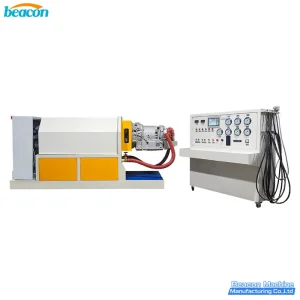
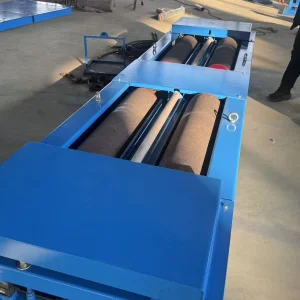
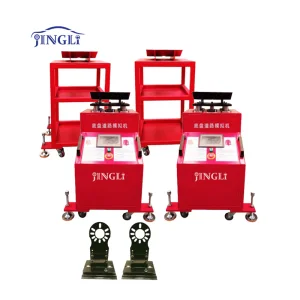
Chassis road simulators replicate driving conditions on a stationary test bench. They apply load, simulate vibration frequencies, and monitor suspension components to help identify squeaks, rattles, and mechanical wear that are difficult to diagnose in a static service bay. This testing enables technicians to run repeatable, safe diagnostics under load.
 Kore Auto