Top 10 Remote Diagnostic System Exporters

Global Procurement Architecture, Macro Industry Solutions, & Technical Roadmaps for Modern Telematics Ecosystems

Premium Fleet & Workshop Diagnostic Systems

Leading hardware solutions exported worldwide for automotive, heavy equipment, and electric vehicles.
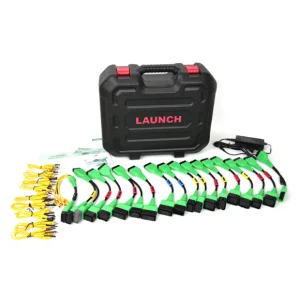
LAUNCH EV Diagnosis Add-On Kit
LAUNCH EV Diagnosis Add-On Kit New Energy Battery Pack Diagnostic Upgrade Package Expert Analyzer
View Details
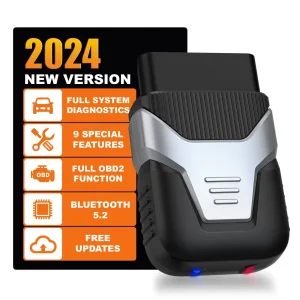
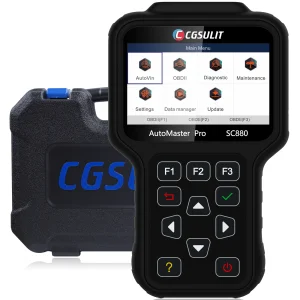
CGSULIT SC880 Car Diagnostic Tool
CGSULIT SC880 Car Diagnostic Tool with All System ABS SRS Transmission Engine TPS DPF
View Details
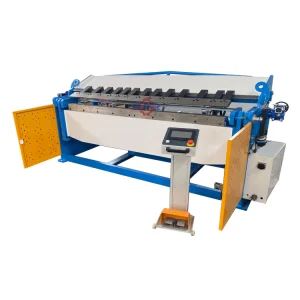
4x2500 Digital Programming Bending Angle Pan Brake
4x2500 Digital Programming Bending Angle Pan Brake Hem Folder
View Details
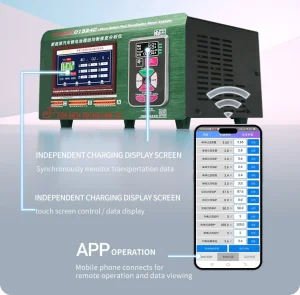
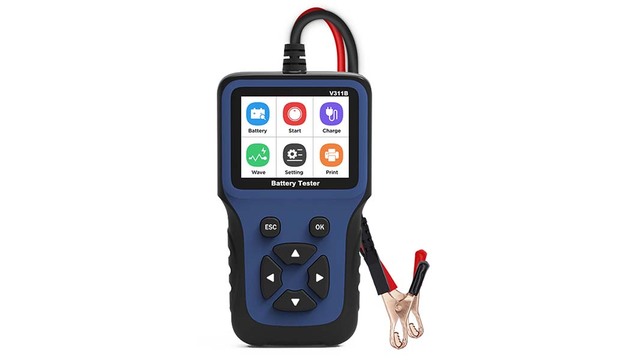
2026NEW SG Lithium Battery Pack Capacity Tester
2026NEW SG Lithium Battery Pack Capacity Tester with LCD Balancing & Repair Analyzer 2V-100V 0.001 Accuracy
View Details
Wholesale New Energy Vehicles Z100 Portable Ultrasound Scanner
Wholesale New Energy Vehicles Z100 Portable Ultrasound Scanner 3D Tool Wireless Bluetooth OBD2 Scanner De Diagnostic Car Diagnostic Launch X431 Scanner Car Key
View Details
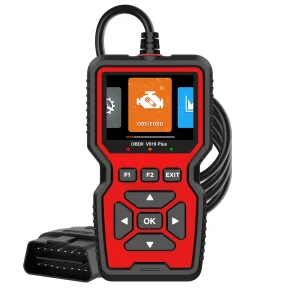
OBD2 Scanner Car Diagnostic Tool
OBD2 Scanner, Car Diagnostic Tool to Read & Clear Check Engine Light Codes, Diagnostic Tool for Car
View Details
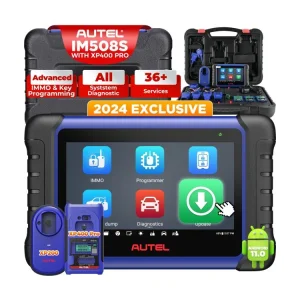
Autel Im508S Pro Car Key Programming Machine
Hot Selling Autel Im508S Pro Car Key Programming Machine Automotive Locksmith Tools Auto Fob Programmer for All Lost Keys Tools
View Details
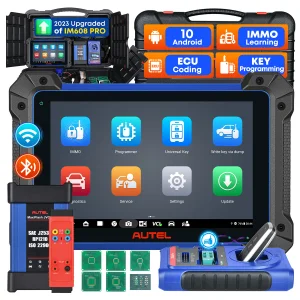
Autel MaxiIM IM608S II OBD2 Scanner
Autel Official Store MaxiIM IM608S II OBD2 Scanner Altar IM 608 PRO 2 Car Key FOB Programmer IM608 Programming Diagnostic Tools
View Details

Global Enterprise Procurement Requirements

Analyzing key structural factors that drive procurement for multinational automotive service networks.

Data Security & ISO 21434

With connected vehicle components increasingly prone to cyber threats, enterprise procurement insists on secure gateway authentication, end-to-end encryption, and compliance with the UNECE cybersecurity frameworks.

Multi-Bus & CAN-FD Protocol Support

Modern passenger and commercial cars rely heavily on CAN-FD, DoIP (Diagnostics over IP), and older K-Line legacy protocols. Adapters must handle mixed topology buses cleanly to prevent communication lag or packet drop.

EV & Battery State-of-Health (SOH)

New Energy Vehicles require direct BMS interface tools to measure cell degradation, cell-balancing telemetry, and thermal properties. Traditional OBD solutions are insufficient without EV-specific upgrades.

Enterprise diagnostics procurement has moved far beyond simple handheld code readers. Industry leaders seek integrated solutions that enable remote fleet monitoring, real-time diagnostic reporting, and predictive maintenance capabilities. When scaling operations across continents, factors such as hardware longevity, software API integration, and cloud-to-device synchronization time become critical performance indicators (KPIs).

Furthermore, remote diagnostics enable companies to drastically reduce down-time for transit fleets. By analyzing parameter IDs (PIDs) dynamically over cellular links, centralized monitoring hubs can proactively flag components close to thermal or physical limits, saving thousands of dollars in emergency breakdown fees and towing services.

Macro-Level Solution Architecture

How cloud architecture and hardware interfaces bridge the gap between regional service bays and remote engineers.

Integrated Diagnostics Ecosystem

A true remote diagnostic ecosystem brings together five separate elements: the vehicle OBD-II interface (DoIP or CAN-FD VCI), the physical communications link (5G/LTE or local Wi-Fi), the cloud routing server, the remote expert software workstation, and the OEM central server database. Global exporters must supply equipment that is highly adaptable across these layers.

For workshops, this means using pass-through devices that adhere strictly to the SAE J2534 standard. This standard permits independent repair facilities to reflash ECUs using manufacturer-developed software without having to acquire highly expensive OEM-specific hardware interfaces.

"By implementing unified API gateways and ISO 14229 Unified Diagnostic Services (UDS), global service networks can run remote troubleshooting steps in London or New York while the vehicle remains physically on a lift in a suburban depot."

Key Solution Deliverables:

  • Hardware Pass-Thru: Supports dual-channel J2534, D-PDU, and RP1210 protocols for cross-brand reprogramming.
  • Cloud Telematics SDKs: Restful API documentation allowing direct data flow into SAP or internal ERP systems.
  • Diagnostic Latency Control: Under 50ms latency across global cloud connections for real-time actuator testing.
  • Robust Battery Analytics: Live monitoring of electrochemical cells to predict battery thermal runaway risks.

Technical Roadmap & Future Outlook

The progression of remote diagnosis systems towards edge AI and fully automated prognostics.

Phase 1: Basic Telemetry

Traditional OBD-II & DTC Polling

Basic read/clear functionality of Diagnostic Trouble Codes via wireline connections. High dependency on local physical workshops and localized databases.

Phase 2: Connected Cloud IoT

DoIP & J2534 Cloud Pass-Thru

Adoption of internet-based protocol stacks allowing remote programming. Enabling expert workshops to assist rural stations via encrypted remote desktops.

Phase 3: Battery & ADAS

EV Integration & Sensor Calibration

Direct measurement of complex ADAS system tolerances and high-voltage EV battery degradation metrics using dedicated physical testing kits and high-bandwidth interfaces.

Phase 4: Predictive AI Edge

Edge Intelligence & Autonomous Prognostics

On-board predictive analytics using machine learning models deployed directly on VCI adapters. Analyzing real-time raw CAN data to identify electrical faults before a warning light illuminates.

Global Commercial & Industrial Landscape

Market growth metrics, regional adoption trends, and international manufacturing distribution.

The global remote vehicle diagnostics market is expected to cross USD 45 Billion by 2030, driven by the expansion of electric logistics fleets, public transit digitization, and strict vehicle emission test compliance guidelines in Europe, North America, and parts of Asia. Industry participants who export high-quality diagnostic platforms must balance low hardware latency with heavy-duty construction to survive harsh industrial floor environments.

140+
Countries Served
99.8%
Protocol Accuracy
25ms
Data Sync Latency
10M+
Scans Completed

Local Support & Compliance Safeguards

Ensuring cross-border compliance, cybersecurity protocols, and localization of hardware/software interfaces.

Navigating Cross-Border Legalities

Exporting high-technology diagnostic devices to regions like North America or the European Union requires absolute compliance with local laws. This includes CE directives, FCC Part 15 standards, and EU RoHS guidelines to limit toxic substances. From a software perspective, compliance with the General Data Protection Regulation (GDPR) is paramount when capturing and storing Vehicle Identification Numbers (VIN) or GPS-tagged telemetry logs.

Exporters must also establish resilient localized cloud servers to comply with regional data residency guidelines. Shenzhen Kore Auto guarantees that vehicle data collected in local regions is routed securely through designated instances to ensure fast, compliant, and reliable processing.

Technical Standards Mapping

  • SAE J2534-1 & J2534-2: Standardized interface design for reprogramming emission-related ECUs on modern vehicles.
  • ISO 13400 (DoIP): Defines standardized physical layer and transport protocols for high-speed diagnostic communications via Ethernet.
  • ISO 22900 (D-PDU API): Standard modular interfaces for vehicle communication systems, promoting database flexibility across diagnostic software platforms.
  • ASAM ODX: Standardization of diagnostic metadata formats, ensuring cross-manufacturer software interoperability.

Shenzhen Kore Auto Co., Ltd.

A professional global exporter of high-performance vehicle diagnostic scanners and maintenance ecosystems.

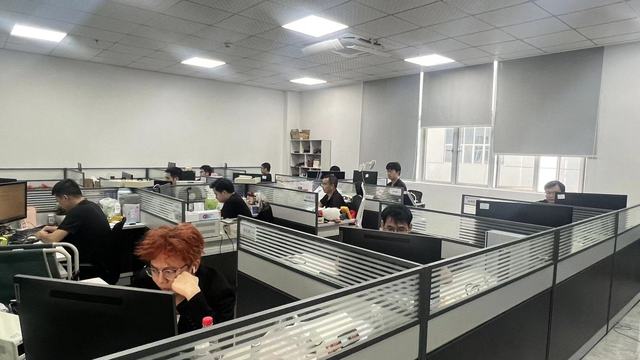
Shenzhen Kore Auto Co., Ltd. is a professional China automotive diagnostic tools manufacturer specializing in the development, production, and global supply of advanced vehicle diagnostic solutions for the automotive aftermarket industry. With extensive experience in automotive electronics and diagnostic technology, Kore Auto is committed to delivering intelligent, reliable, and high-performance diagnostic equipment to customers worldwide.

Our comprehensive product portfolio includes automotive diagnostic scanners, OBD diagnostic tools, ECU programming equipment, TPMS diagnostic systems, ADAS calibration equipment, battery testing devices, vehicle inspection systems, automotive oscilloscopes, remote diagnostic platforms, and customized diagnostic solutions. These products are widely used by automotive repair workshops, dealerships, fleet operators, vehicle inspection centers, and maintenance service providers.

Driven by innovation, Shenzhen Kore Auto continuously invests in research and development to keep pace with the rapidly evolving automotive industry, including electric and connected vehicles. Our experienced engineering team develops cutting-edge diagnostic technologies featuring comprehensive vehicle coverage, fast data processing, intelligent fault analysis, wireless connectivity, and user-friendly software interfaces.

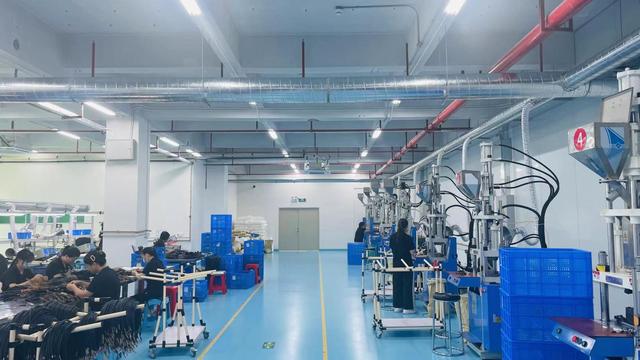
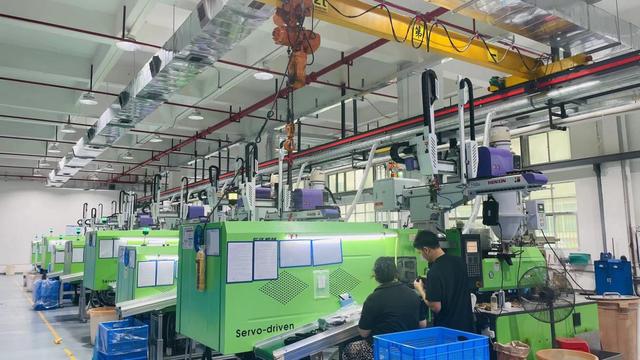
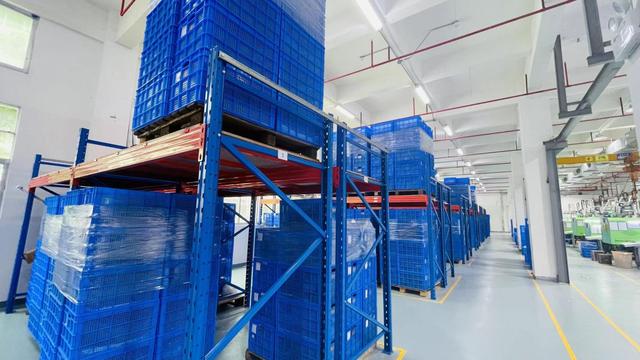
Quality and reliability are fundamental to our success. Every product is manufactured under strict quality control standards and undergoes rigorous testing procedures to ensure stable performance, accuracy, and durability in demanding workshop environments. We also provide flexible OEM and ODM services, helping customers develop customized automotive diagnostic products tailored to specific market requirements.

Serving customers throughout Europe, North America, South America, Asia, the Middle East, and Africa, Shenzhen Kore Auto Co., Ltd. has established long-term partnerships with distributors, automotive service providers, and industry professionals worldwide.
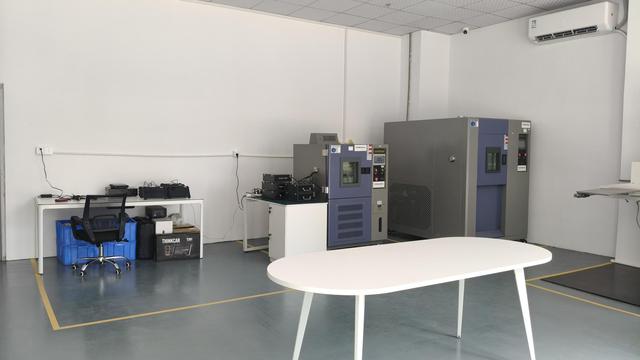

Professional Laboratory & Advanced Testing Systems

High-end oscilloscopes, specialized OBD adapters, and industrial energy solutions.
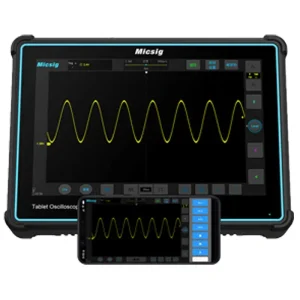
Professional Automobile Oscilloscope
Professional Automobile Oscilloscope for ATO2004 4 Analog Channels 2GSa/S 200mhz Full Touch Screen Digital Oscilloscope
View Details
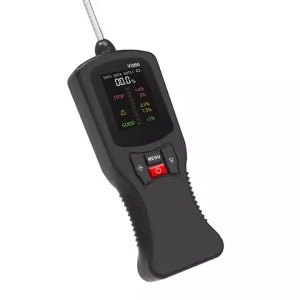
OBD2 Car Diagnostic Tool V066
OBD2 OBD II Car Diagnostic Tool V066 Brake Fluid Tester & Oil Detector DOT3 DOT4 DOT5.1 Safety Testing Code Reader
View Details
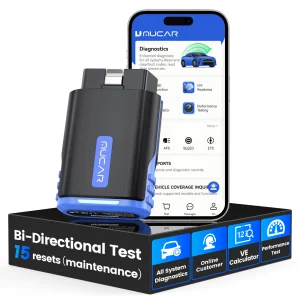
MUCAR DriverScan OBD2 Scanner
MUCAR DriverScan OBD2 Scanner Bi-directional Scan Tool OE Level All System Diagnostic Active Test 15 Service Function
View Details
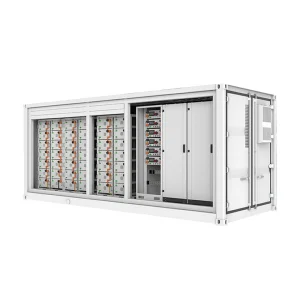
Containerized Energy Storage Systems
Commercial and Industrial Grade Containerized Energy Storage Systems peak Shaving and Valley Filling
View Details
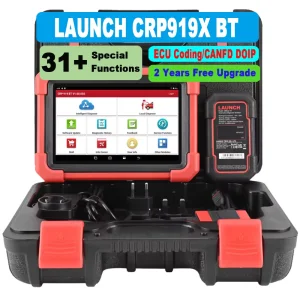
X431 CRP919X BT OBD2 Scanner
For X431 CRP919X BT Full System OBD2 Scanner 31+ Service Functions ECU Programmer Car Diagnostic Tool 13.3" Touch Screen
View Details
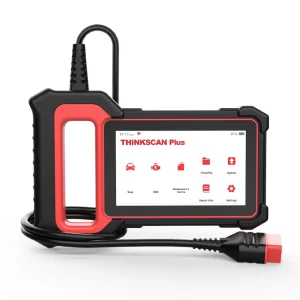
THINKCAR Thinkscan Plus S7
Global Version THINKCAR Thinkscan Plus S7 Obd2 Scanner Automotive 7 System 5 Resets Oil ABS TCM Brake IMMO Car Diagnostic Tools
View Details
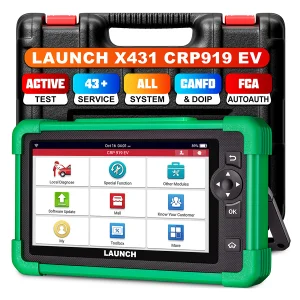
LAUNCH CRP919 EV OBD2 Tool
LAUNCH CRP919 EV Electric Vehicle OBD2 Diagnostic Tool Auto Scanner for New Energy Cars Battery Powered English Language
View Details
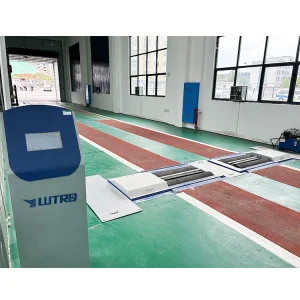
SHINELY Truck Brake Tester
SHINELY 10 13 15 TonsTruck Brake Tester For Truck Test Lane Equipment Vehicle Full Inspection Lane
View Details

Industrial Q&A: In-Depth Diagnostic Knowledge

Answering key structural and engineering queries regarding the integration of remote diagnostic platforms.

Q1: What are the primary differences between basic OBD2 scanning and DoIP (Diagnostics over IP) protocol?
Traditional OBD2 diagnostic tools utilize CAN bus networks to query trouble codes, operating with transfer speeds capped at 500 kbps (or up to 2-5 Mbps for CAN-FD). In contrast, DoIP uses Ethernet cabling and standard IP protocols to deliver bandwidths of 100 Mbps or higher. This allows for massive parameter log transfers, flashing high-definition firmware onto automotive ECUs, and conducting multi-system flashing in fractions of the time compared to legacy networks.
Q2: How does SAE J2534 play a role in reducing hardware procurement costs for global independent repair shops?
The SAE J2534 standard defines a software-to-hardware API wrapper that allows third-party hardware interface units (VCIs) to run OEM diagnostic software. Instead of requiring separate, high-cost proprietary interface boxes for each vehicle manufacturer (e.g., GM, Ford, BMW, Toyota), workshops can purchase a single J2534-compliant tool from manufacturers like Kore Auto to handle emissions and module reprograming for all brands.
Q3: Why are EV battery upgrades like the LAUNCH EV Kit necessary for diagnostic tools?
Traditional combustion diagnostic tools only scan chassis, powertrain, and cabin electronics. Electric Vehicles (EVs) require specialized commands to communicate with the Battery Management System (BMS). EV upgrade kits provide connection adapters and deep database configurations to test cell balance, cell voltage variation, temperature fluctuations, isolation resistances, and calculate State of Health (SOH) with high accuracy.
Q4: How do remote diagnostic systems secure data transmissions from interception?
To prevent malicious ECU exploits or data leakage, modern systems utilize end-to-end encryption (TLS 1.3), cryptographic hardware key pairings within the VCI adapter, and secure proxy servers. In compliance with automotive security standard ISO 21434, any remote flashing or command dispatch must pass through a strict authentication handshake before modifying critical ECU registers.
Q5: What certifications must exporters guarantee when supplying diagnostics equipment to the European Union and North America?
Exporters must comply with the FCC Part 15 rules in the US to prevent harmful RF interference, and secure CE certification in Europe. Equipment containing batteries or heavy-duty components must also show compliance with RoHS directives (Restriction of Hazardous Substances) and WEEE standards for proper end-of-life disposal.
Q6: Can diagnostic scanners perform ADAS (Advanced Driver Assistance Systems) calibrations?
Yes, high-end professional scanners (such as those supplied by Kore Auto and partner brands) feature integrated software routines that walk technicians through the precise physical placement of calibration targets. Once targeted correctly, the scanner prompts the vehicle's ADAS modules (forward cameras, radar sensor blocks, lidar sensors) to recalibrate, restoring accurate distance measurement and lane keeping metrics after windshield replacements or body repairs.