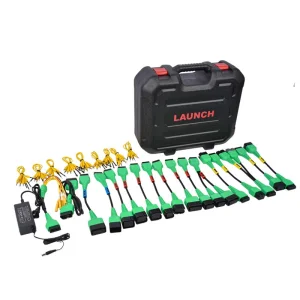
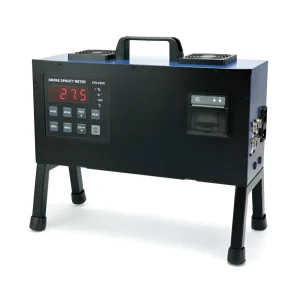
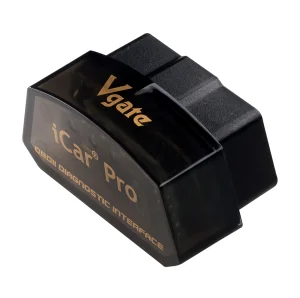
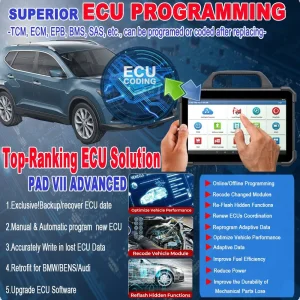
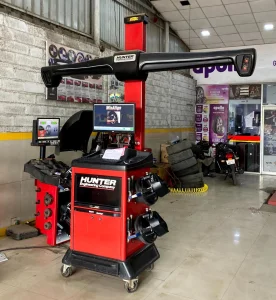
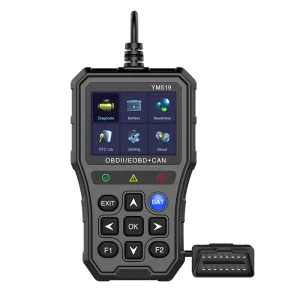
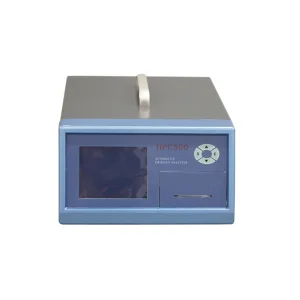
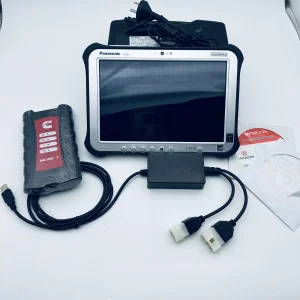
Select automotive inspection kits, multi-system diagnostic scanners, and exhaust analyzers engineered for performance workshops.
Understanding the thermodynamic and chemical variables that mandate precise fluid measurements.
Brake fluids, predominantly polyglycol ether-based compounds, are designed to operate under high temperatures and extreme mechanical loads. Because they are highly hygroscopic, they naturally absorb environmental moisture through flexible brake hoses and reservoir vents. As the water concentration increases, the fluid's boiling point decreases precipitously.
When the fluid temperature exceeds its wet boiling point during hard or sustained braking, vapor pockets form in the hydraulic lines. Because vapor is compressible (unlike fluid), this results in a soft brake pedal, increased travel, or total hydraulic brake failure—a phenomenon known as vapor lock. Regular evaluation via digital testers is crucial to prevent these hazardous failures in automotive operations.
To understand diagnostic limits, safety inspectors evaluate fluid using standard benchmarks. Under FMVSS 116 standards, two critical temperatures are measured: the Dry Boiling Point (pure, fresh fluid) and the Wet Boiling Point (after roughly 3.7% water absorption).
A high-quality brake fluid tester must precisely determine if the fluid's thermal properties fall below the safe operational envelope. For DOT 3, the dry limit is 205°C and wet is 140°C. For DOT 4, it climbs to 230°C dry and 155°C wet. Industrial operators rely on advanced diagnostic sensors to protect fleets from crossing these critical limits.
| Brake Fluid Type | Base Chemistry | Minimum Dry Boiling Point | Minimum Wet Boiling Point | Target Inspection Threshold |
|---|---|---|---|---|
| DOT 3 | Glycol Ether | 205°C (401°F) | 140°C (284°F) | < 150°C (Caution) / < 140°C (Replace) |
| DOT 4 | Glycol / Borate Ester | 230°C (446°F) | 155°C (311°F) | < 165°C (Caution) / < 155°C (Replace) |
| DOT 4 LV (Low Viscosity) | Borate Ester Blend | 250°C (482°F) | 165°C (329°F) | < 175°C (Caution) / < 165°C (Replace) |
| DOT 5 | Silicone Base | 260°C (500°F) | 180°C (356°F) | Not compatible with standard conductivity testers |
| DOT 5.1 | Glycol / Borate Ester | 260°C (500°F) | 180°C (356°F) | < 190°C (Caution) / < 180°C (Replace) |
Combining deep research capabilities, state-of-the-art SMT lines, and international quality management standards.
Shenzhen Kore Auto Co., Ltd. is a professional China automotive diagnostic tools manufacturer specializing in the development, production, and global supply of advanced vehicle diagnostic solutions for the automotive aftermarket industry. With extensive experience in automotive electronics and diagnostic technology, Kore Auto is committed to delivering intelligent, reliable, and high-performance diagnostic equipment to customers worldwide.
Our comprehensive product portfolio includes automotive diagnostic scanners, OBD diagnostic tools, ECU programming equipment, TPMS diagnostic systems, ADAS calibration equipment, battery testing devices, vehicle inspection systems, automotive oscilloscopes, remote diagnostic platforms, and customized diagnostic solutions. These products are widely used by automotive repair workshops, dealerships, fleet operators, vehicle inspection centers, and maintenance service providers.
Driven by innovation, Shenzhen Kore Auto continuously invests in research and development to keep pace with the rapidly evolving automotive industry, including electric and connected vehicles. Our experienced engineering team develops cutting-edge diagnostic technologies featuring comprehensive vehicle coverage, fast data processing, intelligent fault analysis, wireless connectivity, and user-friendly software interfaces.
Quality and reliability are fundamental to our success. Every product is manufactured under strict quality control standards and undergoes rigorous testing procedures to ensure stable performance, accuracy, and durability in demanding workshop environments. We also provide flexible OEM and ODM services, helping customers develop customized automotive diagnostic products tailored to specific market requirements.
Serving customers throughout Europe, North America, South America, Asia, the Middle East, and Africa, Shenzhen Kore Auto Co., Ltd. has established long-term partnerships with distributors, automotive service providers, and industry professionals worldwide.
Market adoption patterns, safety standards compliance, and testing frequency demands across continents.
In North America, vehicle service networks emphasize compliance with FMVSS 116 and SAE J1703. Maintenance operations require digital testers that produce documented safety printouts to limit liabilities during claims. High-end diagnostic setups are standard in dealership networks and national service franchises.
European markets are heavily shaped by periodic vehicle safety programs like MOT in the UK and TÜV/DEKRA in Germany. Annual inspections require precise measurement of brake fluid boiling points. Testers using direct heating methods are preferred over simple conductivity pens to ensure compliance with strict environmental regulations.
Rapid vehicle growth and evolving vehicle inspection regulations drive significant demand in the APAC region. Rapid urban development, paired with high-performance fleets, highlights the need for low-viscosity brake fluid testing equipment. Industrial centers look to cost-effective, multi-mode testers with integrated Bluetooth report sharing.
Shenzhen Kore Auto Co., Ltd. continuously refines diagnostic technology, ensuring compliance with global calibration metrics and industrial workshop standards.
An engineering comparison between conductivity detection and boiling point testing.
Conductivity testers calculate moisture by measuring the electrical resistance of the fluid. Because pure glycol base fluid is non-conductive, the presence of dissolved water increases conductivity.
While highly portable and cost-effective, conductivity meters rely on nominal curves calibrated for specific fluid brands. If the tested fluid contains non-standard corrosion inhibitors, additives, or is silicone-based (DOT 5), conductivity readings can deviate. This makes them suitable for rapid screening but less reliable for high-precision diagnostic certifications.
Thermal testers draw a small sample of fluid into a protected heating cup, bringing it directly to its boiling point. An integrated RTD sensor records the exact vapor transition temperature.
This direct thermal method is independent of fluid chemistry, additive packages, or age. It provides absolute accuracy, making it the preferred method for commercial vehicle fleets, motorsport engineering teams, and official safety testing centers.
Adapting inspection systems to complex fleet logistics and manufacturing lines.
Integrated testing workflows allow workshop advisors to inspect and document brake fluid quality in under a minute, presenting clear digital reports directly to vehicle owners.
For long-haul trucks and public buses, brake line failures can be catastrophic. Scheduled fluid checks protect heavy fleet operations and minimize downtime.
Racing conditions demand peak thermal performance. Precision boiling point testers help racing teams monitor fluid deterioration and prevent fade under high-speed deceleration.
How new energy vehicles and regenerative braking technologies change the requirements for fluid inspections.
Electric Vehicles (EVs) rely heavily on regenerative motor braking to recover energy. Consequently, the mechanical friction brakes are used less frequently. This reduces overall operating temperatures compared to internal combustion engines.
However, lower operating temperatures mean the brake fluid rarely reaches the heat levels needed to drive off absorbed moisture. This can lead to localized moisture accumulation and internal system corrosion. As a result, regular fluid inspection remains critical for EVs, even when physical brake pads show minimal wear.
Modern workshops rely on connected systems. Future brake testing tools will connect directly with central workshop diagnostic platforms, linking fluid measurements with pad thickness, sensor data, and tire tread wear.
Shenzhen Kore Auto is leading this shift by integrating Bluetooth and Wi-Fi modules into our diagnostic equipment, enabling seamless data transfer to shop management systems and customer databases.
Expert technical answers regarding brake fluid testing, calibration, and industry compliance.
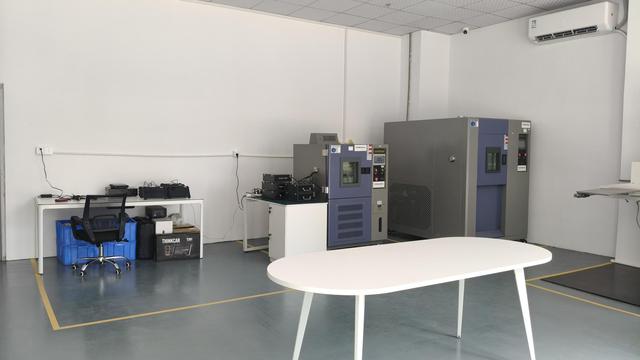
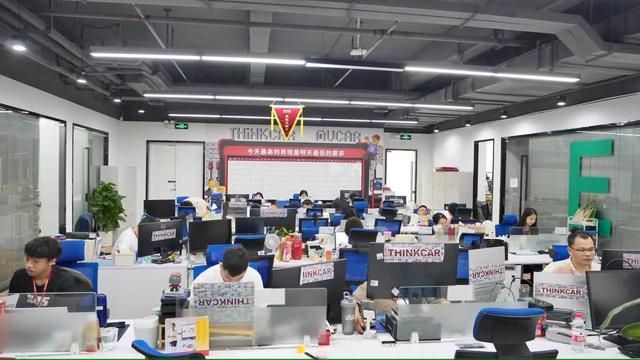
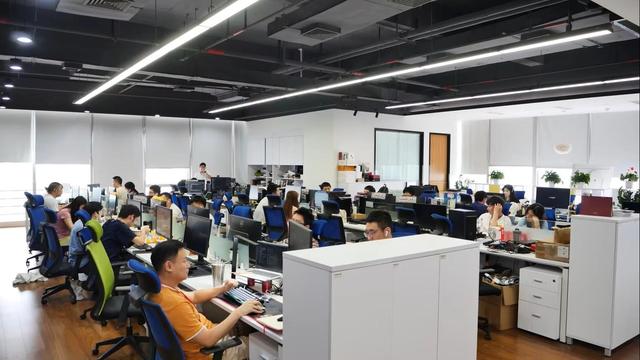
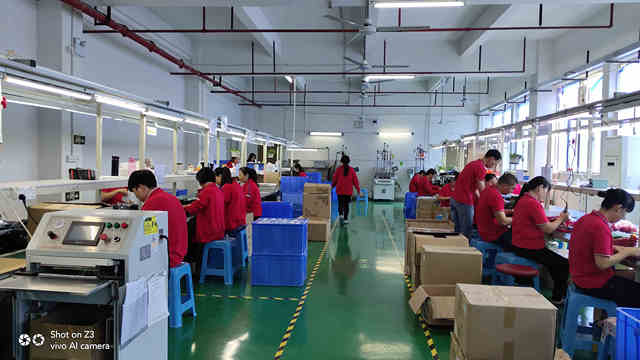
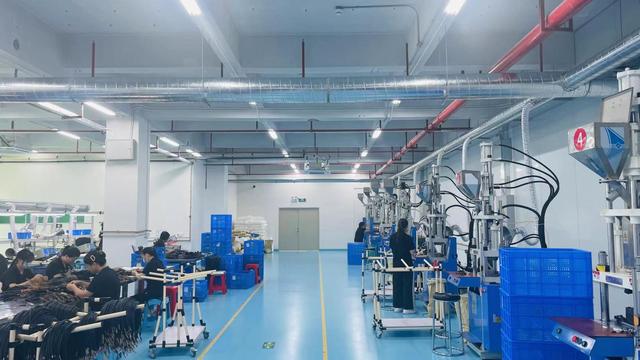
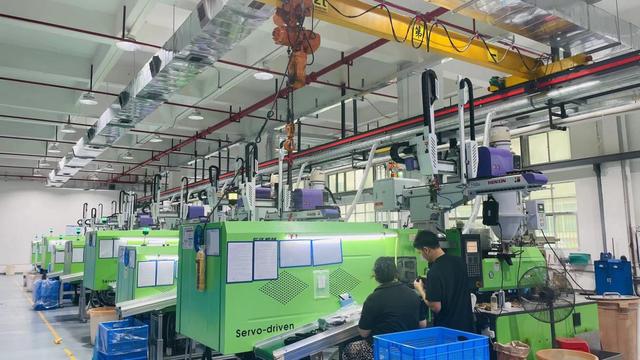
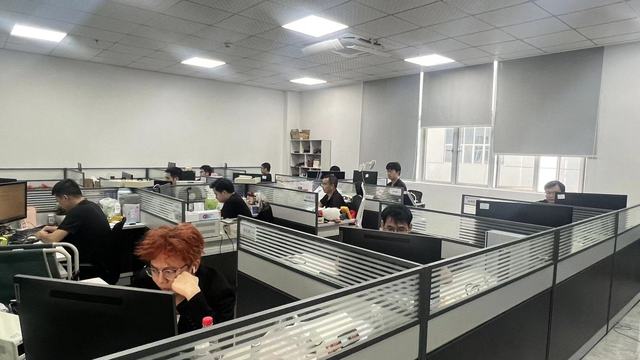
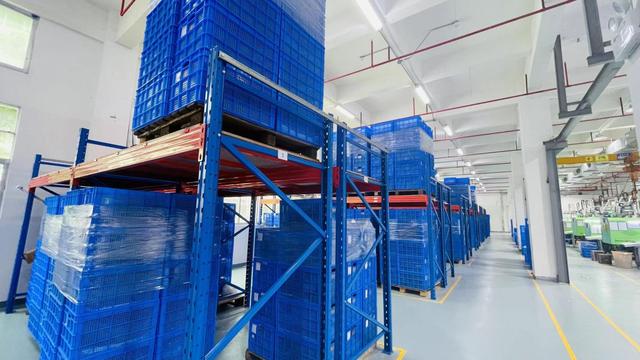
A look inside our ISO 9001 certified development labs, SMT lines, and testing chambers.


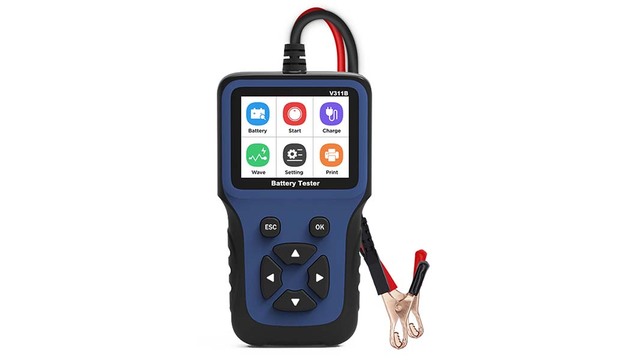
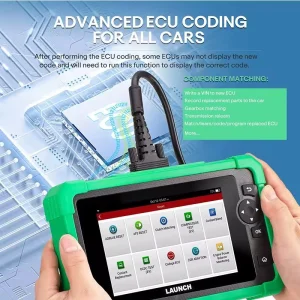
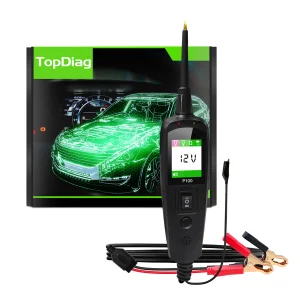
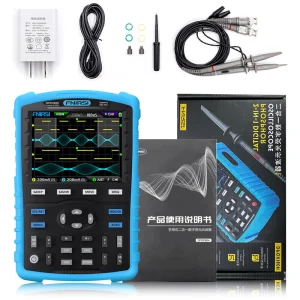
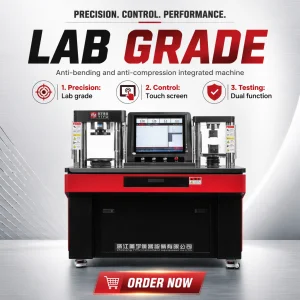
Add premium electronics diagnostics, circuit analyzers, and battery systems to your testing lineup.
 Kore Auto