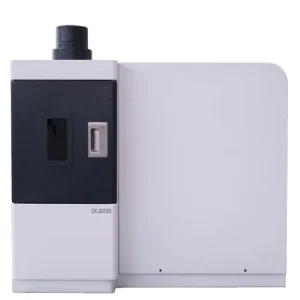
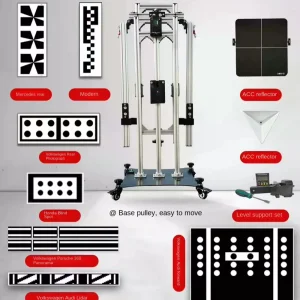
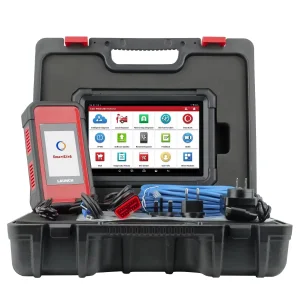
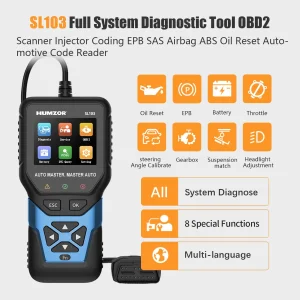
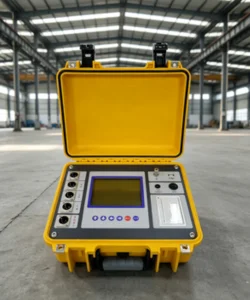
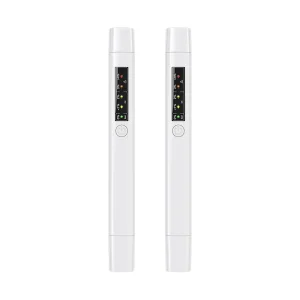
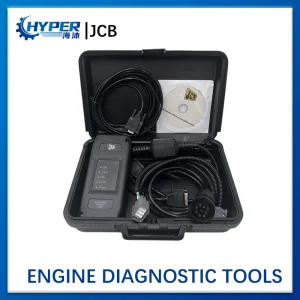
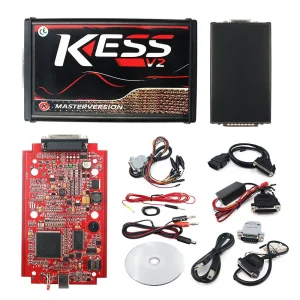
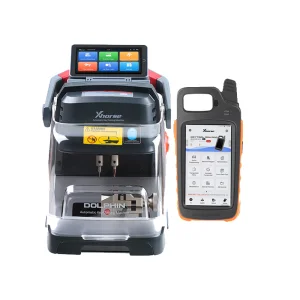
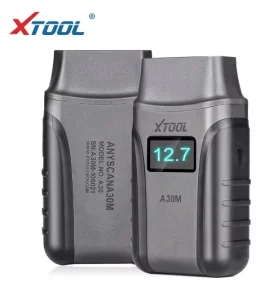
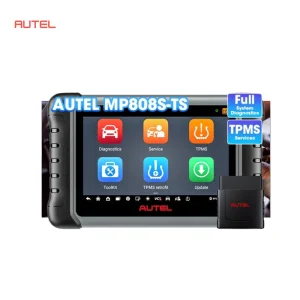
Explore our top-tier diagnostic devices, sensor matrices, and testing setups built for modern automotive repair workshops and EOL assembly lines.
In the rapidly advancing landscape of global automotive manufacturing, passive safety systems remain the ultimate threshold protecting human life during vehicular collisions. Among these systems, the safety belt assembly is paramount. Safety belt testers, which evaluate retraction tension, locking speed, web load resistance, and environmental wear fatigue, are the gatekeepers of automotive integrity. As regulatory frameworks such as ECE R16, FMVSS 209, and China's GB 14166 demand increasingly stringent crash performance standards, the role of specialized safety belt tester factories in China has transitioned from basic component manufacturing to providing integrated, sensor-driven safety diagnostic ecosystems.
This white paper offers an exhaustive overview of the manufacturing protocols, technical specifications, and key supply chain leaders in China's automotive testing instrument sector. By examining the convergence of physical mechanical testers and advanced electronic diagnostic software, industrial buyers can streamline procurement pipelines and enforce global quality compliance.
Industrial-grade safety belt testers do not merely stretch webbing. They simulate the multi-axial, high-velocity forces experienced during a crash event. A comprehensive test cycle evaluates multiple vectors:
To visualize the critical benchmarks of seat belt test parameters, the following data matrix summarizes key global standards:
| Testing Dimension | Regulatory Standard | Target Parameters | Diagnostic Method |
|---|---|---|---|
| Webbing Tensile Strength | FMVSS 209 / ISO 12097 | ≥ 22,240 N (Newtons) | Hydraulic/Servo Tensile Grips |
| Emergency Retractor Locking | ECE R16 / GB 14166 | Locking within 50mm displacement | Linear Acceleration Sled Simulators |
| Buckle Ejection Release Force | FMVSS 302 / ECE R16 | 40 N to 60 N (Post-load) | Electromechanical Actuation Probes |
| Environmental Corrosion | ISO 9227 / ASTM B117 | No functional degradation (50h salt spray) | Cyclic Salt/Humid Chambers |
As a dominant force in China's automotive technology landscape, Shenzhen Kore Auto Co., Ltd. exemplifies the modern synthesis of smart diagnostics and rigorous physical testing validation. While safety belt testers check the mechanical limits of web material, buckles, and reels, active safety demands that these systems interface flawlessly with the vehicle's central ECU network, OBD diagnostics, and ADAS components.
Shenzhen Kore Auto Co., Ltd. is a professional China automotive diagnostic tools manufacturer specializing in the development, production, and global supply of advanced vehicle diagnostic solutions for the automotive aftermarket industry. With extensive experience in automotive electronics and diagnostic technology, Kore Auto is committed to delivering intelligent, reliable, and high-performance diagnostic equipment to customers worldwide.
Our comprehensive product portfolio includes automotive diagnostic scanners, OBD diagnostic tools, ECU programming equipment, TPMS diagnostic systems, ADAS calibration equipment, battery testing devices, vehicle inspection systems, automotive oscilloscopes, remote diagnostic platforms, and customized diagnostic solutions. These products are widely used by automotive repair workshops, dealerships, fleet operators, vehicle inspection centers, and maintenance service providers.
Driven by innovation, Shenzhen Kore Auto continuously invests in research and development to keep pace with the rapidly evolving automotive industry, including electric and connected vehicles. Our experienced engineering team develops cutting-edge diagnostic technologies featuring comprehensive vehicle coverage, fast data processing, intelligent fault analysis, wireless connectivity, and user-friendly software interfaces.
Quality and reliability are fundamental to our success. Every product is manufactured under strict quality control standards and undergoes rigorous testing procedures to ensure stable performance, accuracy, and durability in demanding workshop environments. We also provide flexible OEM and ODM services, helping customers develop customized automotive diagnostic products tailored to specific market requirements.
Serving customers throughout Europe, North America, South America, Asia, the Middle East, and Africa, Shenzhen Kore Auto Co., Ltd. has established long-term partnerships with distributors, automotive service providers, and industry professionals worldwide.
The commercial application of safety belt testers spans across three key nodes of the automotive life cycle:
During high-speed mass production, component failure translates to immense recall liabilities. Factory-level safety belt testing equipment is integrated directly into automated assembly loops. The equipment executes rapid 100% inspection checks on buckle insertion switch contacts, tensioner sensor resistances, and lock mechanism configurations.
For public transit authorities, logistics corporations, and taxi networks, structural degradation of safety restraints due to high usage is a significant risk factor. Portable diagnostics alongside stationary safety testers allow fleet operators to verify seat belt lock-up speeds without removing the assembly from the cabin.
When developing new safety concepts, crash labs use multi-axis sled simulation rigs to map webbing deformation curves. These systems generate massive telemetry outputs including microsecond peak stress times, acceleration tracking, and dynamic slip distances, feeding predictive AI databases for vehicle layout engineering.
For international procurement departments, sourcing safety belt testing equipment from China requires aligning with local regional compliance standards. Kore Auto simplifies this integration by engineering custom platforms with cross-border features:
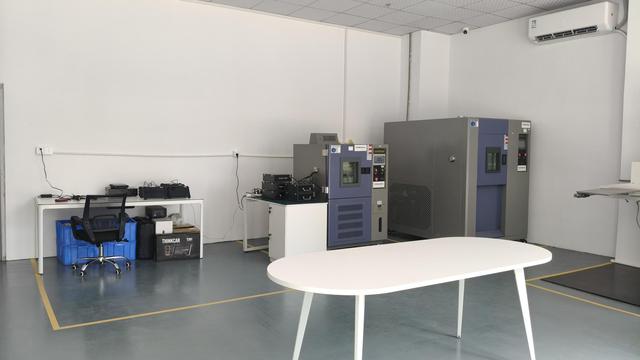
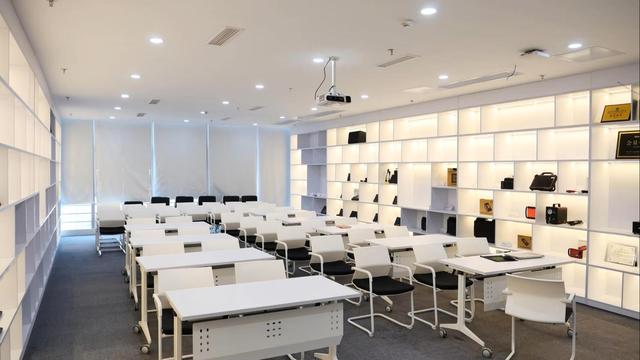
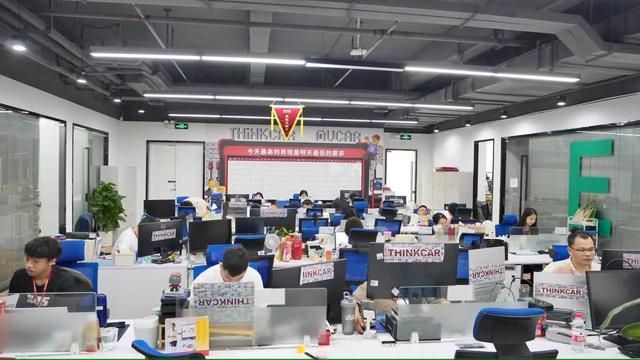
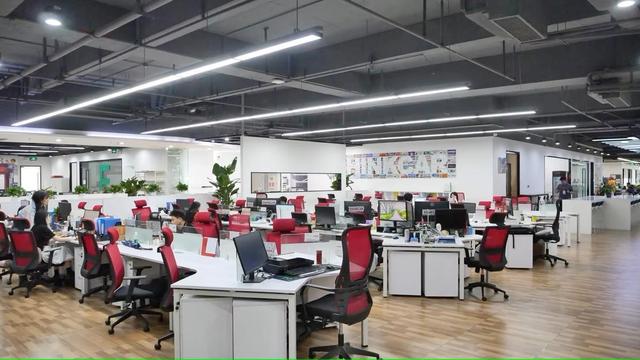
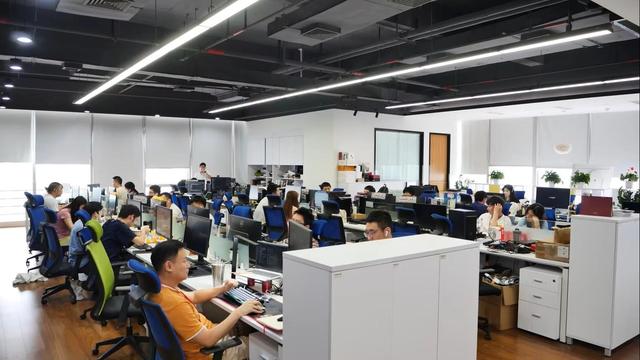
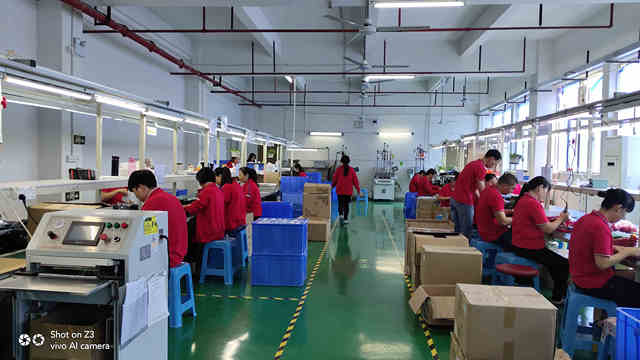
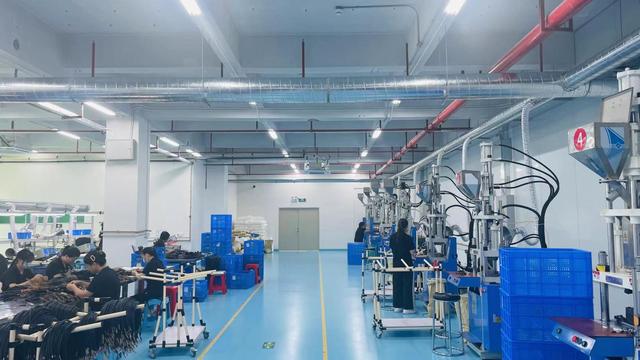
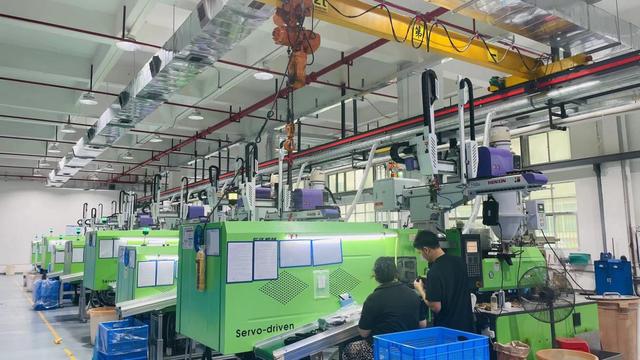
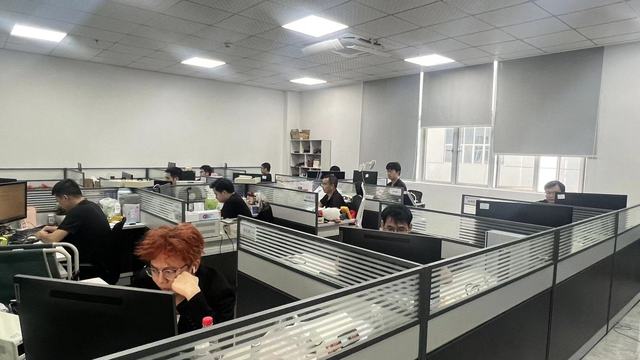
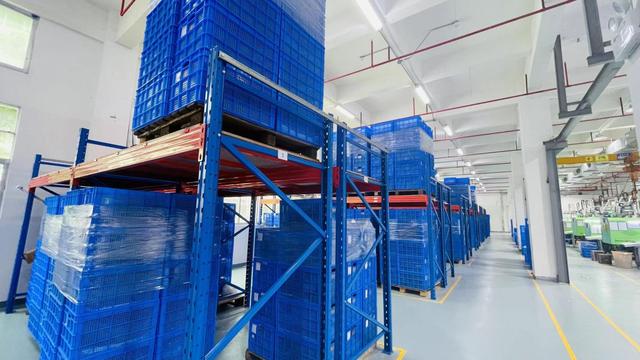
Explore Kore Auto's modern manufacturing facilities. From electronic cleanrooms to heavy assembly testing areas, our equipment undergoes stringent operational checks to guarantee high-performance accuracy and longevity under all operating environments.
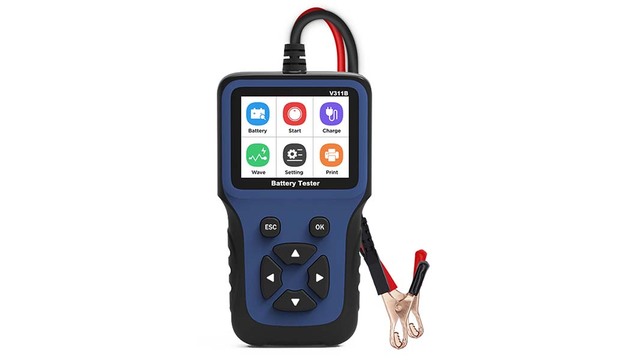
Discover our comprehensive range of high-precision diagnostic software platforms, OBD key programming kits, and workshop calibration modules.
 Kore Auto