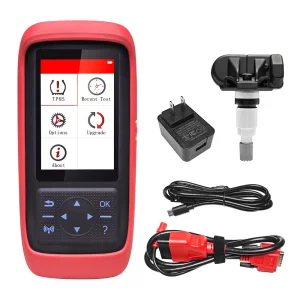
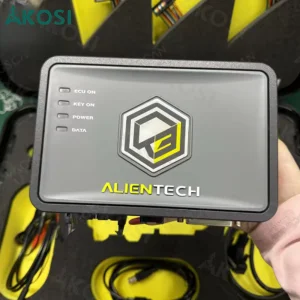
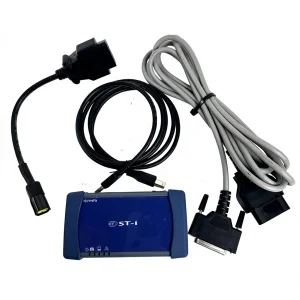
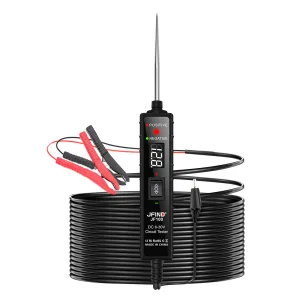
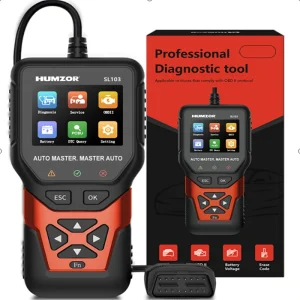
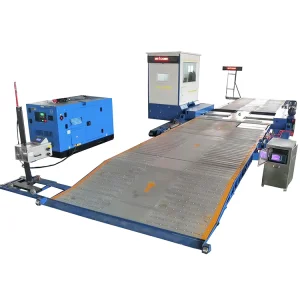
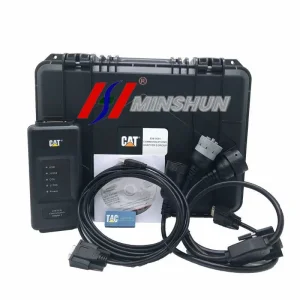
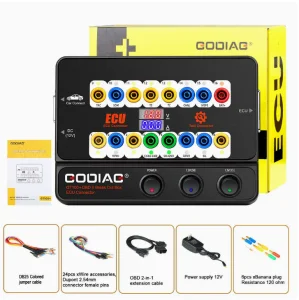
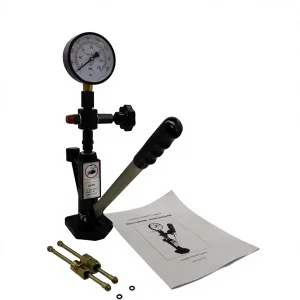
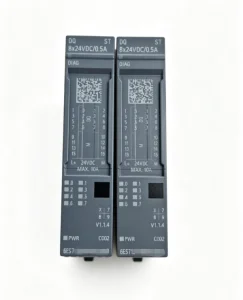
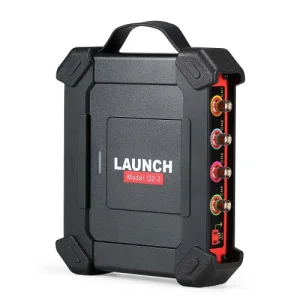
Explore our elite selection of hardware components, ECU programmers, and advanced automotive inspection modules engineered for precision diagnostic calibration.
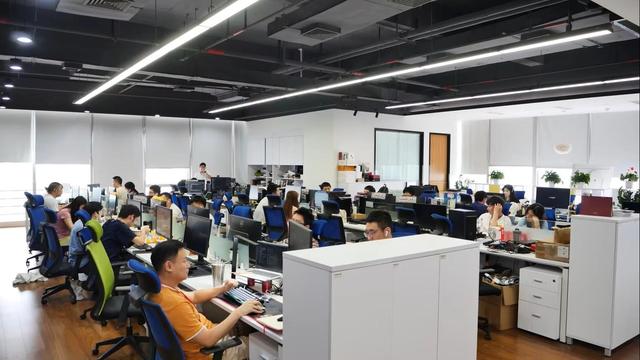
In the rapidly changing landscape of automotive repair and vehicle telemetry, Shenzhen Kore Auto Co., Ltd. stands as a premier OEM/ODM manufacturer specializing in high-performance OBD diagnostic tools and advanced vehicle inspection systems. Located at the heart of China’s technology capital, we provide comprehensive engineering and production capabilities tailored specifically for the global automotive aftermarket.
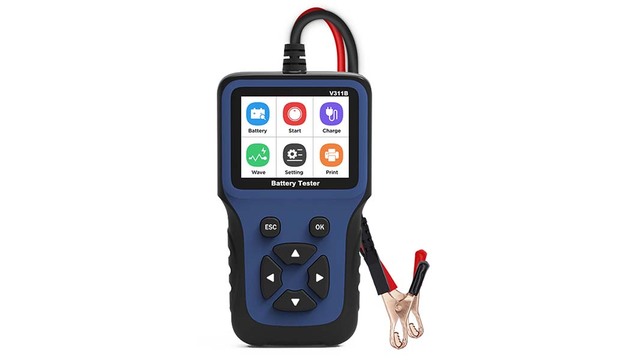
Our comprehensive product portfolio includes automotive diagnostic scanners, OBD diagnostic tools, ECU programming equipment, TPMS diagnostic systems, ADAS calibration equipment, battery testing devices, vehicle inspection systems, automotive oscilloscopes, remote diagnostic platforms, and customized diagnostic solutions. These products are widely used by automotive repair workshops, dealerships, fleet operators, vehicle inspection centers, and maintenance service providers.
Every diagnostic unit engineered by Shenzhen Kore Auto is built in compliance with international automotive standards including ISO 9001, CE, FCC, RoHS, and UKCA. Our continuous investment in core firmware protocols, chip-level engineering, and J2534/Pass-Thru technology guarantees absolute system stability, reliability, and precision diagnostic analytics for critical vehicle sub-systems.
Driven by innovation, Shenzhen Kore Auto continuously invests in research and development to keep pace with the rapidly evolving automotive industry, including electric and connected vehicles. Our experienced engineering team develops cutting-edge diagnostic technologies featuring comprehensive vehicle coverage, fast data processing, intelligent fault analysis, wireless connectivity, and user-friendly software interfaces.
As vehicles transition from traditional Internal Combustion Engines (ICE) to hybrid powertrains, Battery Electric Vehicles (BEVs), and Software-Defined Vehicles (SDVs), the diagnostic ecosystem demands high-speed data architecture and cloud integration. The standard OBDII port is no longer just a window for basic diagnostic trouble codes (DTCs); it is a critical node within a complex, multi-protocol vehicle network.
Integration of Controller Area Network Flexible Data-Rate (CAN FD) and Diagnostics over Internet Protocol (DoIP) interfaces allows data transmission up to 100 times faster than conventional legacy networks, supporting complex ADAS calibration and multi-module flashing.
Specialized firmware capable of performing deep battery management system (BMS) health scans, cell voltage balancing tests, battery thermal analysis, and electric drive state evaluations across leading global electric vehicle platforms.
Leveraging remote diagnostics platforms to link local workshop devices directly to remote specialized diagnostic centers, allowing expert technicians to perform advanced configurations and coding from thousands of miles away.
The engineering team at Shenzhen Kore Auto is actively developing diagnostic solutions designed to work seamlessly with Over-The-Air (OTA) firmware configurations. By bridging the gap between local shop diagnostics and cloud telemetry, our upcoming platforms will provide repair professionals with the diagnostic data and calibration algorithms needed to confidently service modern vehicles.
Whether it is establishing standard maintenance procedures for thousands of global repair shops or providing fleet operators with the means to track vehicle wear and tear, Kore Auto provides specialized enterprise diagnostic systems tailored to various needs:
We specialize in developing integrated hardware-to-software pipelines that simplify complex diagnostics. By using our tailored solutions, enterprises achieve:
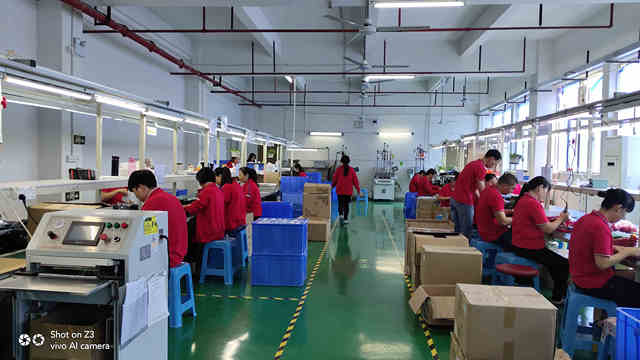
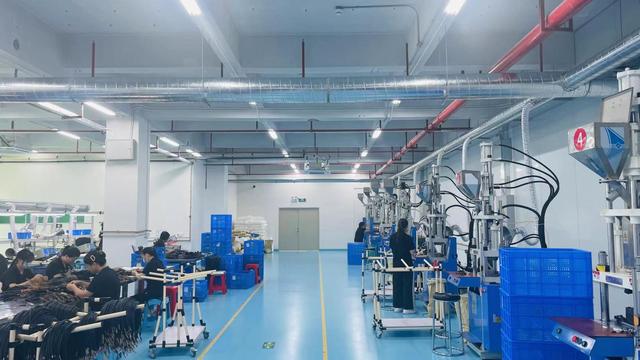
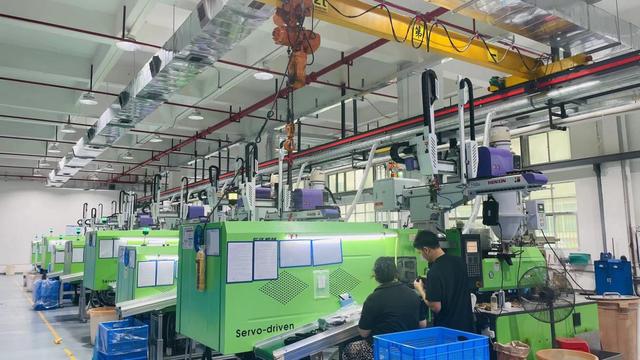
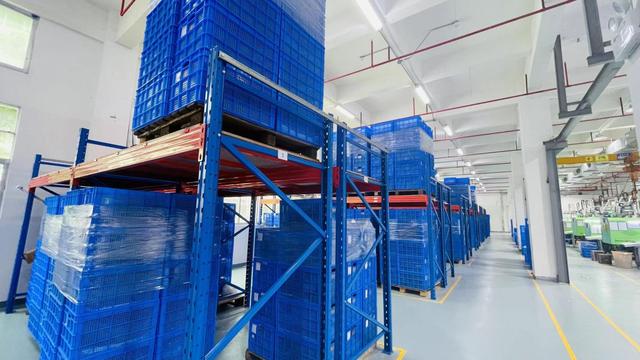
Operating within Shenzhen’s manufacturing ecosystem, Kore Auto’s production facility employs modern assembly lines, automated optical inspection (AOI) technology, and strict quality control measures to deliver reliable hardware.
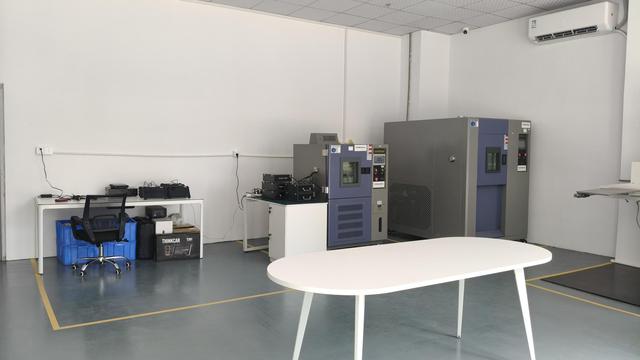
Our factory processes include high-precision SMT (Surface Mount Technology) assembly lines, computerized functional testing, and environmental testing chambers that simulate extreme workshop operating conditions. From initial component sourcing to final assembly, our processes are designed to provide consistent product reliability and scale.
Every vehicle scanner and programmer undergoes a multi-step inspection routine: pre-assembly components screening, automated motherboard inspection, and dynamic diagnostic simulation on physical vehicle ECUs before leaving our production lines.
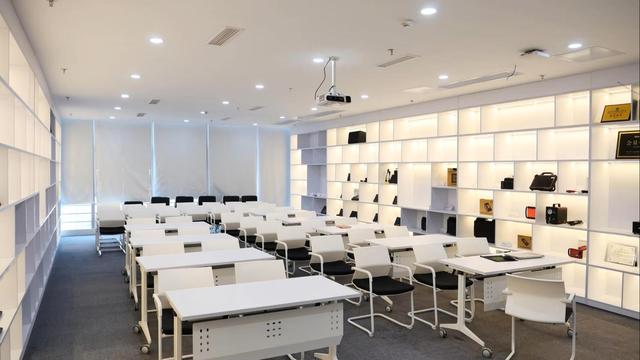
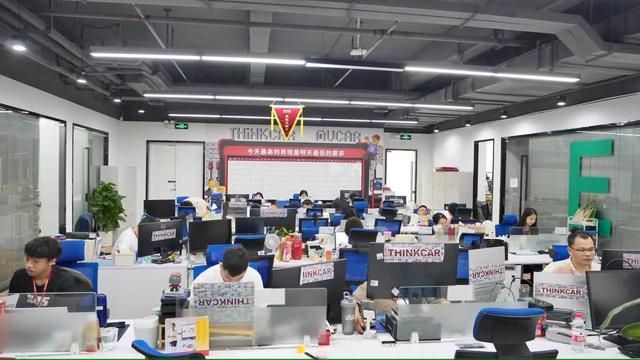
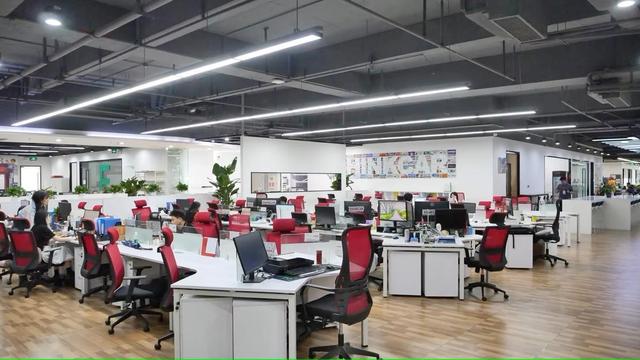
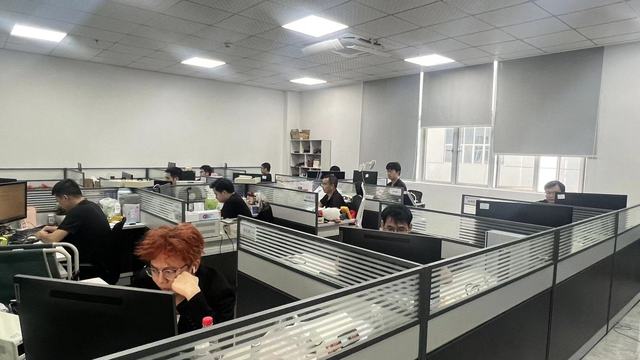
As a volume manufacturer, Shenzhen Kore Auto Co., Ltd. works closely with global purchasing networks, aftermarket brand managers, and automotive distributors. We offer structured OEM/ODM cooperation routes, allowing our partners to market certified products with local technical support:
Our procurement programs are designed to accommodate varying batch sizes, offering scalable production timelines and logistics options that simplify international distribution.
Automotive diagnostic equipment must operate within diverse regulatory framework requirements worldwide. At Kore Auto, we verify compliance across regional specifications so our products can enter key global distribution markets without friction.
Our complete device lineups undergo thorough independent testing to comply with CE, FCC, RoHS, and UKCA guidelines, meeting the requirements for sale in Europe, the Americas, and beyond.
To support technician networks worldwide, our diagnostic software supports localization into over 20 languages including English, Spanish, French, German, Portuguese, Arabic, and more.
We implement secure, end-to-end data transmission protocols that protect vehicle system data and private customer details in compliance with GDPR guidelines.
Technical and procurement answers directly from our engineering team.
Discover specialized electrical diagnostic probes, vehicle performance analyzers, signal oscilloscopes, and protocol interface systems for workshop professionals.
 Kore Auto