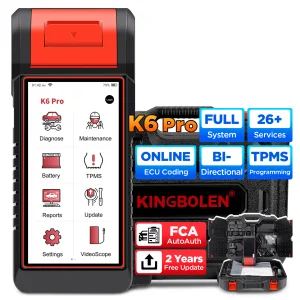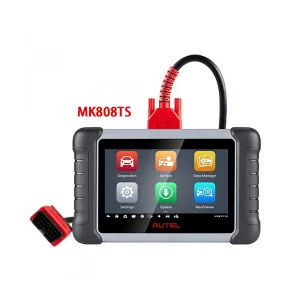
The automotive industry in India is undergoing an unprecedented modernization drive. Bolstered by stricter vehicle safety regulations, the mandate for high-efficiency commercial transport, and the swift adoption of electric vehicles (EVs), advanced telematics and Tire Pressure Monitoring Systems (TPMS) are transitioning from optional premium features to fundamental safety architectures. As a leading automotive diagnostic tools manufacturer, Shenzhen Kore Auto Co., Ltd. plays a vital role in providing local distributors, multi-brand service centers, and commercial fleet owners with state-of-the-art diagnostic solutions tailored to these unique local demands.
Indian road conditions, characterised by high ambient temperatures, extensive traffic density, and varying terrain qualities, subject vehicle tires to severe thermal and physical stress. Accurate, real-time tire pressure monitoring is therefore not merely a convenience but a critical factor in ensuring vehicle stability, mitigating high-speed blowout risks, and maximizing fuel economy—a major concern for local logistic operations.
Information Gain: Research indicates that running commercial transport fleets in India with under-inflated tires by just 10% can reduce overall tire lifespan by 15% and increase fuel consumption by 2.5%. Efficient TPMS diagnostics are key to mitigating these operational leaks.
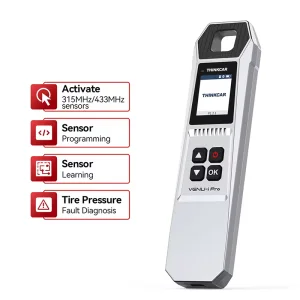
Establishing localized supply chains for high-performance automotive diagnostic tools is central to Kore Auto's global outreach. From multi-protocol scanners capable of programming 315MHz and 433MHz sensors to specialized industrial debugging modules, our R&D team targets the pain points of the modern maintenance workshop, ensuring seamless integration and minimal downtime.
Shenzhen Kore Auto Co., Ltd. is a professional automotive diagnostic tools manufacturer specializing in the development, production, and global supply of advanced vehicle diagnostic solutions for the automotive aftermarket industry. With extensive experience in automotive electronics and diagnostic technology, Kore Auto is committed to delivering intelligent, reliable, and high-performance diagnostic equipment to customers worldwide.
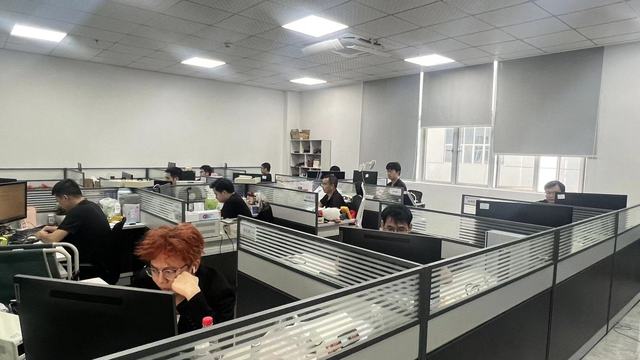
Driven by innovation, Shenzhen Kore Auto continuously invests in research and development to keep pace with the rapidly evolving automotive industry, including electric and connected vehicles. Our experienced engineering team develops cutting-edge diagnostic technologies featuring comprehensive vehicle coverage, fast data processing, intelligent fault analysis, wireless connectivity, and user-friendly software interfaces.
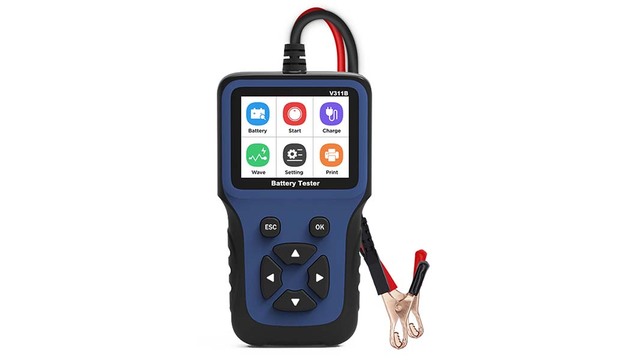
Our comprehensive product portfolio includes automotive diagnostic scanners, OBD diagnostic tools, ECU programming equipment, TPMS diagnostic systems, ADAS calibration equipment, battery testing devices, vehicle inspection systems, automotive oscilloscopes, remote diagnostic platforms, and customized diagnostic solutions. These products are widely used by automotive repair workshops, dealerships, fleet operators, vehicle inspection centers, and maintenance service providers.
Our tools feature broad software support covering over 80 vehicle brands, including specific localized OEM database protocols for Indian auto majors like Tata, Mahindra, Maruti Suzuki, and Ashoke Leyland.
We provide tailormade software modifications, localized housing designs, custom brand labeling, and specialized diagnostic protocols for large-scale fleet operators and OEM diagnostic brands.
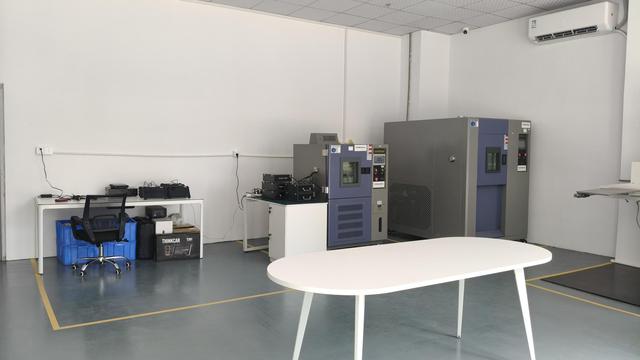
Every unit is manufactured under strict quality control standards and undergoes rigorous testing procedures to ensure stable performance, accuracy, and durability in demanding workshop environments.
India is now one of the top three largest automotive markets globally by sales volume. However, the commercial fleet operations in India face unique environmental and infrastructural challenges. The shift towards logistics optimization—driven by the implementation of the Goods and Services Tax (GST) and the rapid growth of e-commerce—has resulted in longer, continuous freight runs. This puts immense pressure on heavy-duty vehicles, trucks, and buses.
Additionally, regulatory frameworks established by the Ministry of Road Transport and Highways (MoRTH) are putting greater emphasis on passive and active safety systems. For instance, the **AIS-140 standard** mandates vehicle tracking systems with emergency buttons for commercial vehicles, laying the groundwork for integrated telematics, of which real-time TPMS data collection is an essential component. In the commercial bus segment (**AIS-052**), safety monitoring has become highly standardized, motivating major fleet operators to upgrade their diagnostic infrastructure.
Moreover, the rise of the Electric Vehicle (EV) industry in India (spearheaded by local manufacturers and international joint ventures) introduces new requirements. EVs are exceptionally sensitive to rolling resistance due to weight factors (heavy battery packs). Under-inflated tires severely decrease EV range. Therefore, high-precision TPMS sensors and diagnostic scanners that can interface with EV control units are critical for maintaining driving efficiency and avoiding range anxiety.
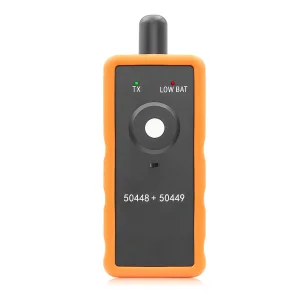
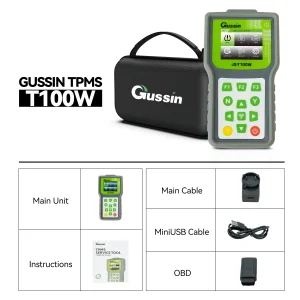
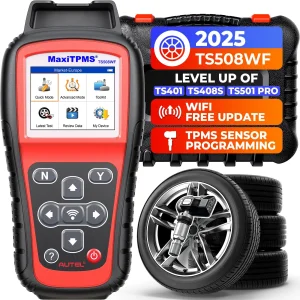
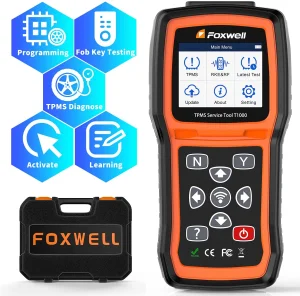
For international procurement managers, sourcing reliable TPMS diagnostic tools involves evaluating a complex balance of vehicle coverage, sensor compatibility, protocol agility, and continuous software support. Distributors in India and neighboring South Asian markets frequently require tools that can write code and program multi-brand universal sensors (both 315MHz and 433MHz frequencies) to avoid stocking high volumes of expensive OEM-specific sensors.
By implementing a standard TPMS diagnostic protocol across a service network, enterprises can reduce diagnostic times, lower the skill ceiling required for garage technicians, and streamline their procurement cycle. Key global procurement considerations include:
The industry is transitioning rapidly from basic direct TPMS (simple pressure monitoring sensors sending RF signals) to intelligent connected tire ecosystems. As tire manufacturers begin embedding RFID and smart sensors directly into the tire inner liner, the diagnostic tools of tomorrow must evolve.
Sensors are mounted on the valve stem or rim, utilizing 315MHz/433MHz frequencies to transmit basic temperature and pressure parameters. Diagnostics rely on handheld RF activators and OBDII cables.
Bluetooth Low Energy (BLE) TPMS sensors transmit data directly to smartphones or localized vehicle telematics boxes without requiring intermediate receivers. Common in Tesla, BYD, and premium Indian EV setups. Diagnostic tools must feature BLE transceiver capabilities.
In-tire sensors transmit comprehensive data (tread depth estimation, load index, road wear conditions, wheel alignment alerts) directly to the cloud. Diagnostics transition from local handheld tools to integrated cloud telematics software platforms.
Understanding and complying with India's local regulations is vital for product reliability and legality. The Bureau of Indian Standards (BIS) and WPC (Wireless Planning & Coordination) wing require precise frequency compliance and emission limitations for RF equipment. Handheld TPMS diagnostic devices importing into India must operate within localized designated wireless spectrum allocations without interfering with military or civil infrastructure.
Furthermore, localized training and software support are major success factors. Since workshop technicians across India operate in diverse environments, Kore Auto has focused on designing simplified graphical user interfaces (GUIs), clear, icon-driven step-by-step diagnostic workflows, and reliable technical support materials to assist multi-brand garages in achieving maximum tool utilization.
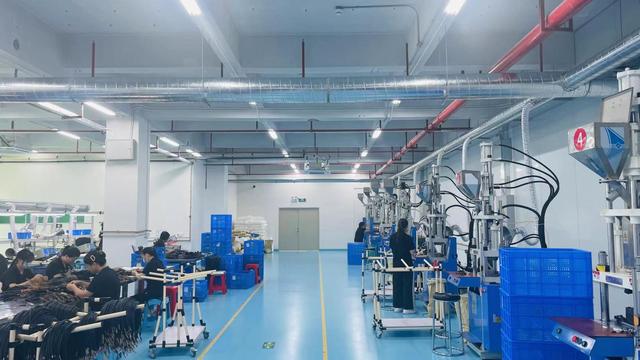
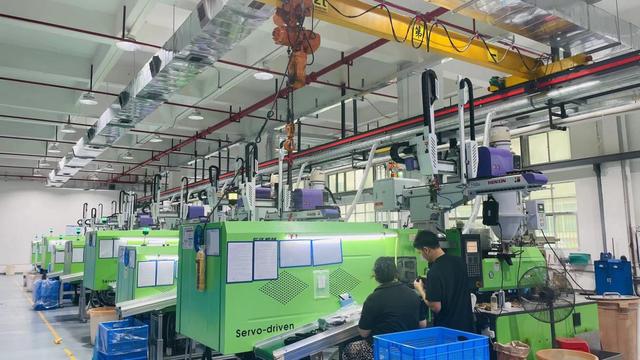
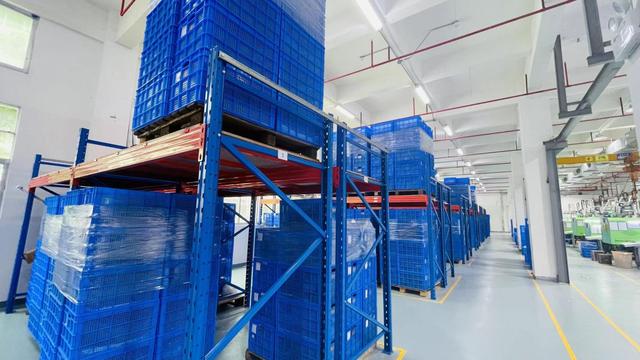
Take an inside look at our advanced SMT assembly lines, testing setups, quality control laboratories, and packaging lines at Shenzhen Kore Auto Co., Ltd., designed to handle mass global demands with maximum reliability.

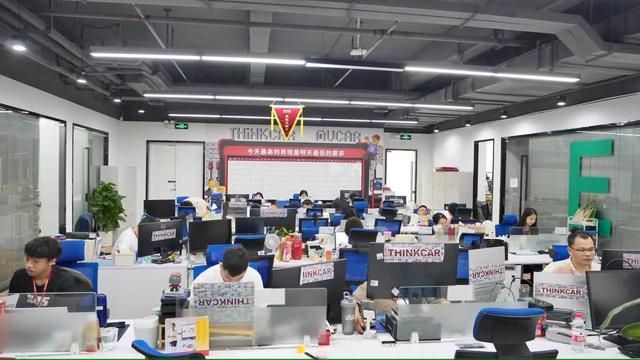
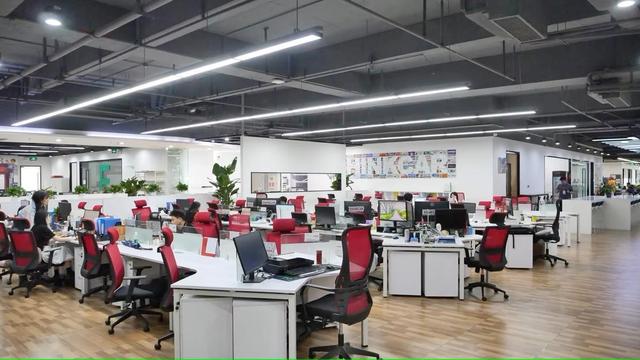
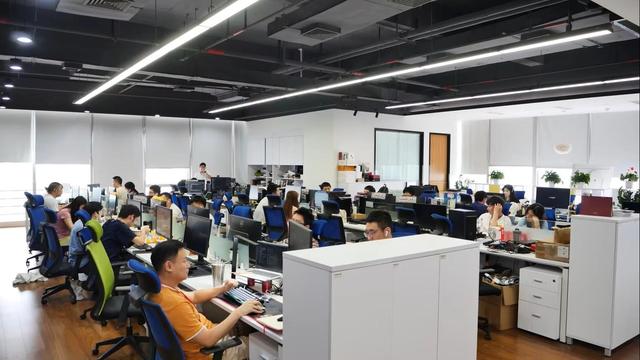
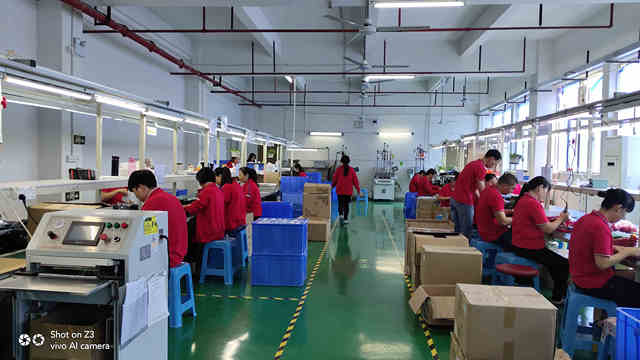
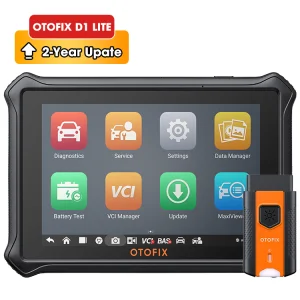
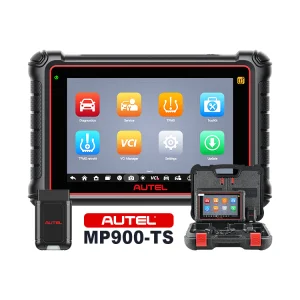
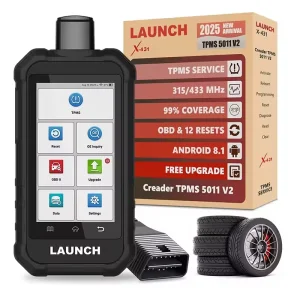
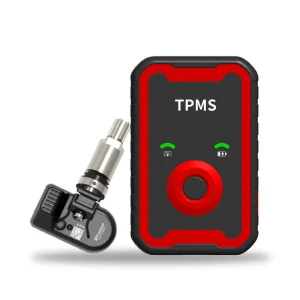
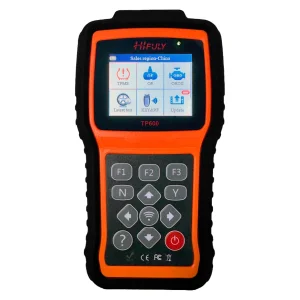
Whether you require high-volume OEM diagnostic setups, customizable OBD software platforms, or rugged TPMS sensor programmers for your regional distribution network, our technical team is ready to deliver tailored solutions.
 Kore Auto