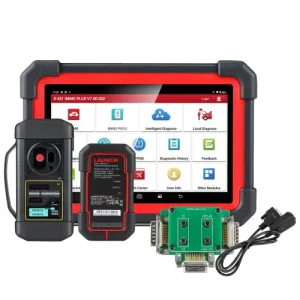
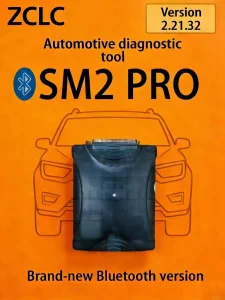
Industrial-grade automotive diagnostic components, engineered for precision execution, stability under shop environments, and cross-protocol compatibility.
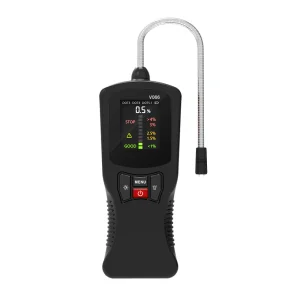
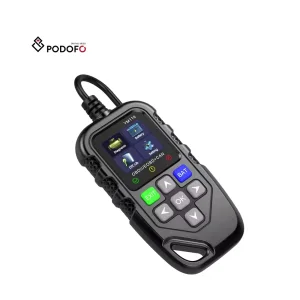
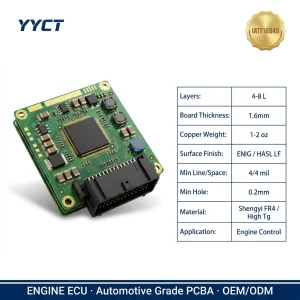
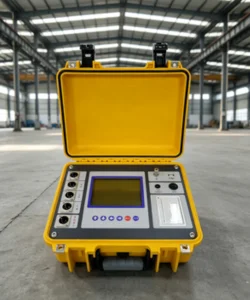
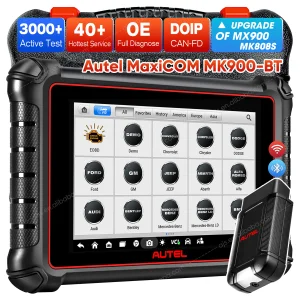
Shenzhen Kore Auto Co., Ltd. is a professional China automotive diagnostic tools manufacturer specializing in the development, production, and global supply of advanced vehicle diagnostic solutions for the automotive aftermarket industry. With extensive experience in automotive electronics and diagnostic technology, Kore Auto is committed to delivering intelligent, reliable, and high-performance diagnostic equipment to customers worldwide.
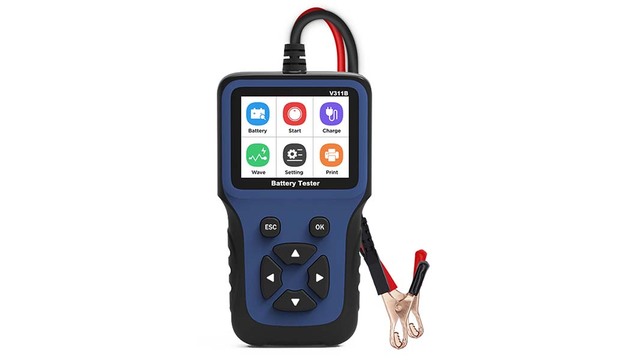
Our comprehensive product portfolio includes automotive diagnostic scanners, OBD diagnostic tools, ECU programming equipment, TPMS diagnostic systems, ADAS calibration equipment, battery testing devices, vehicle inspection systems, automotive oscilloscopes, remote diagnostic platforms, and customized diagnostic solutions. These products are widely used by automotive repair workshops, dealerships, fleet operators, vehicle inspection centers, and maintenance service providers.
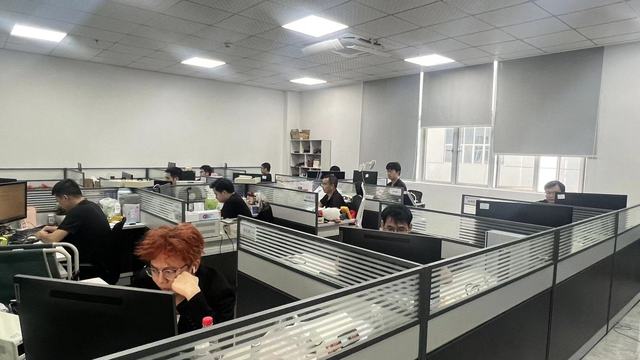
Driven by innovation, Shenzhen Kore Auto continuously invests in research and development to keep pace with the rapidly evolving automotive industry, including electric and connected vehicles. Our experienced engineering team develops cutting-edge diagnostic technologies featuring comprehensive vehicle coverage, fast data processing, intelligent fault analysis, wireless connectivity, and user-friendly software interfaces.
Quality and reliability are fundamental to our success. Every product is manufactured under strict quality control standards and undergoes rigorous testing procedures to ensure stable performance, accuracy, and durability in demanding workshop environments. We also provide flexible OEM and ODM services, helping customers develop customized automotive diagnostic products tailored to specific market requirements. Serving customers throughout Europe, North America, South America, Asia, the Middle East, and Africa, Shenzhen Kore Auto Co., Ltd. has established long-term partnerships with distributors, automotive service providers, and industry professionals worldwide.
An executive analysis of market dynamics, telematics integration, and the commercial evolution of modern workshops.
The global automotive aftermarket is undergoing a fundamental paradigm shift. Historically, automotive diagnostics relied on standalone code readers with character-mapped LCD screens. Today, the modern workshop is anchored by rugged vehicle diagnostic tablets acting as complex telematics hubs. These devices do not merely read Diagnostic Trouble Codes (DTCs); they coordinate real-time sensor streams, perform cloud-based ECU flashing, integrate with workshop management SaaS, and guide technician labor via interactive visual overlays.
According to recent industry forecasts, the global automotive diagnostic equipment market is projected to reach over USD 45 billion by 2028, with diagnostic tablets and vehicle communication interfaces (VCIs) experiencing the highest compound annual growth rate (CAGR). This commercial explosion is driven by several macroeconomic indicators:
As a leading China vehicle diagnostic tablet factory, Shenzhen Kore Auto Co., Ltd. addresses this massive global demand by optimizing the supply chain, ensuring direct hardware-to-component integration, and offering heavy-duty industrial platforms that bridge the gap between high-end professional needs and cost-effective commercial viability.
How CAN-FD, DoIP, and Secure Gateways are establishing new benchmarks for industrial hardware.
Standard High-Speed CAN networks max out at 1 Mbps, which is insufficient for updating megabytes of vehicle firmware. Modern vehicles use CAN-FD (Flexible Data-rate) up to 8 Mbps and DoIP (Diagnostics over Internet Protocol) via Ethernet, exceeding 100 Mbps. Our tablet VCIs natively support both to handle modern high-bandwidth payloads.
To prevent malicious physical or remote hacking, OEMs like FCA, Renault, and Hyundai utilize Secure Gateways (SGW). Modern diagnostic tablets must integrate licensed digital handshake certificates. Through global partnerships, Kore Auto integrates these bypass keys directly into the OS firmware.
Whenever a windshield is replaced, a bumper is repaired, or a wheel alignment is performed, the vehicle's Advanced Driver Assistance System (ADAS) camera, radar, and lidar sensors must be recalibrated. Our diagnostic tablets feature integrated guides for static and dynamic target placement.
Decoding the future of repair infrastructure: cloud virtualization, J2534 passthru, and EV battery diagnostics.
The roadmap for professional vehicle diagnostic tablets is converging toward open hardware architectures and predictive artificial intelligence. Standard proprietary tablets of the past are being replaced by highly integrated systems utilizing open APIs and standard J2534 Pass-Thru interfaces.
As vehicle powertrains transition from Internal Combustion Engines (ICE) to Battery Electric Vehicles (BEVs), the nature of diagnostic parameters has evolved. Instead of checking exhaust gas temperatures, technicians now query State of Health (SoH) metrics, cell voltage balance, and cooling loop thermal differential scanning. Shenzhen Kore Auto Co., Ltd. is actively designing hardware to support direct EV battery module analysis, giving workshops the capability to isolate failing battery cells without dropping the entire pack.
Through cloud-linked VCIs, localized workshops can instantly share vehicle data streams with master technicians located anywhere in the world. Using remote J2534 reprogramming pathways, complex programming procedures can be completed over secure low-latency connections, removing the need to tow vehicles to OEM dealerships.
Adapting hardware interfaces and operational protocols to localized market conditions.
US and Canadian transport relies on mixed fleets of light-duty pickups and Class 8 heavy trucks. Diagnostic tablets must toggle seamlessly between J1939 heavy-duty protocols and standard OBD2 passenger car systems, performing localized DPF regeneration and speed limiter calibration.
European markets demand rigorous compliance with Euro 6d/Euro 7 emissions directives. Tablets must provide granular analysis of Selective Catalytic Reduction (SCR) systems, Diesel Exhaust Fluid (AdBlue) dosing pressures, and particulate sensor health checks.
In Southeast Asian markets, differing fuel grades and high humidity levels create unique wear patterns on injectors and fuel pumps. Localized diagnostic software includes specialized actuator tests to map cylinder balance and injector compensation rates.
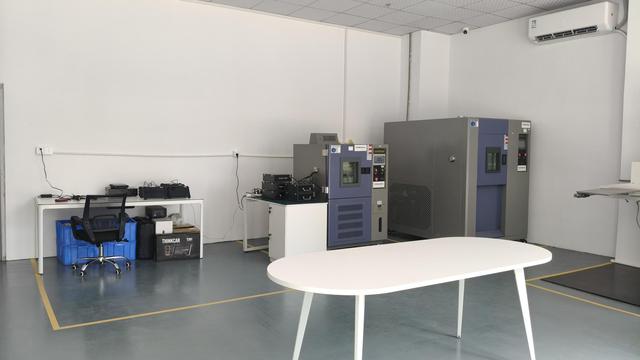
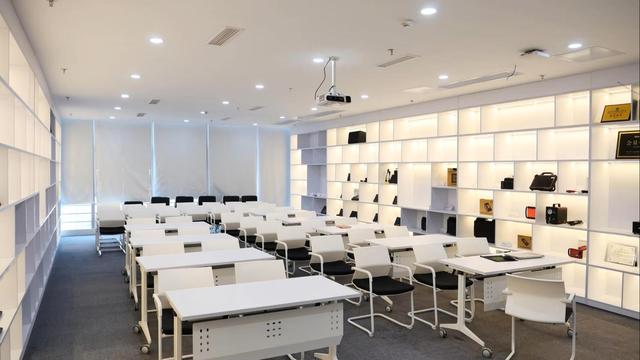
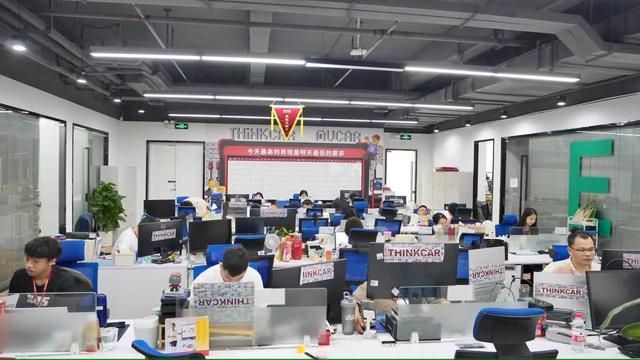
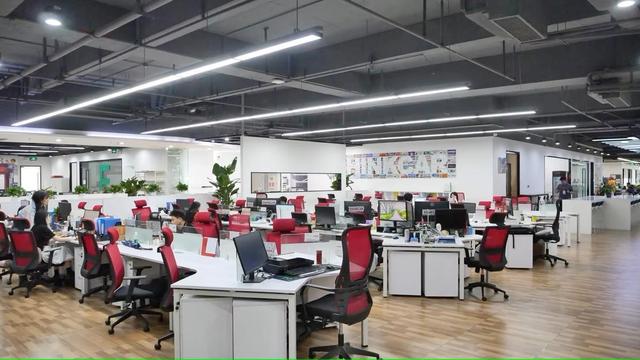
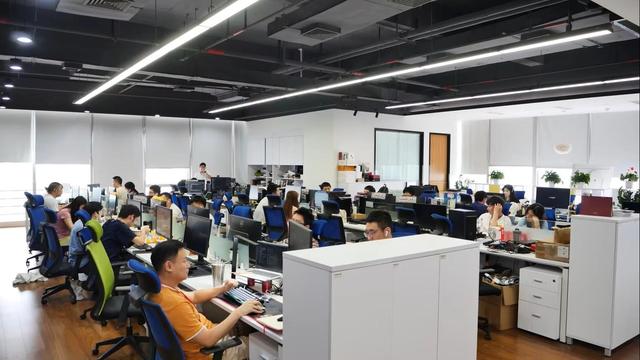
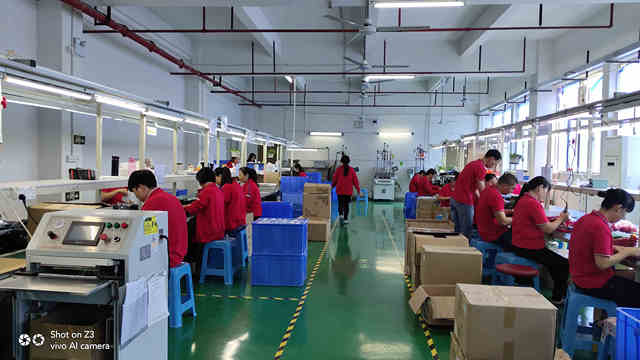
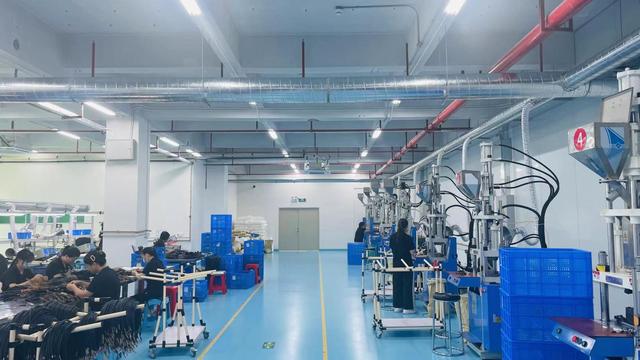
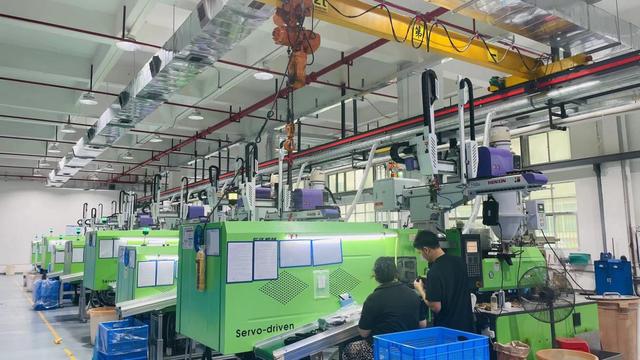
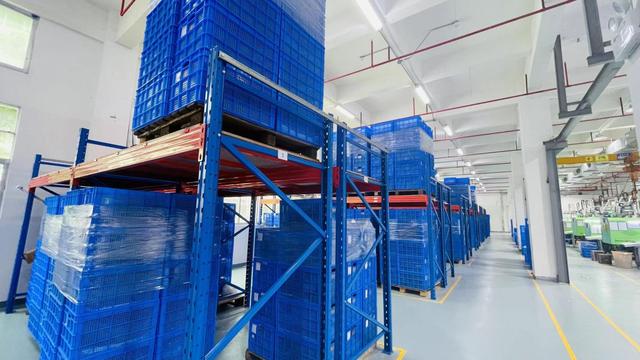
Visualizing our cleanroom SMT assembly lines, testing equipment, and precision diagnostic fabrication labs.
Every automotive diagnostic tablet, PCBA interface, and test instrument bearing the Kore Auto name is fabricated under strict quality management workflows. We maintain ISO9001 certifications and implement 100% functional testing, ensuring reliable service in high-vibration, high-dust automotive workshop environments.
Expert answers addressing the underlying protocols, calibration mechanisms, and custom manufacturing inquiries.
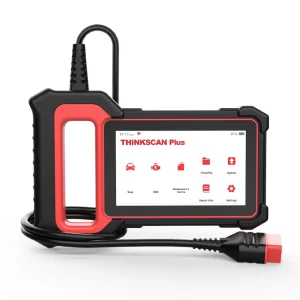
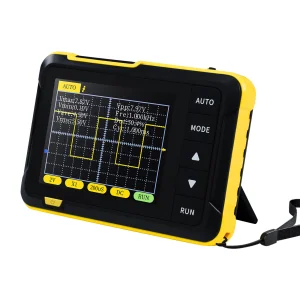
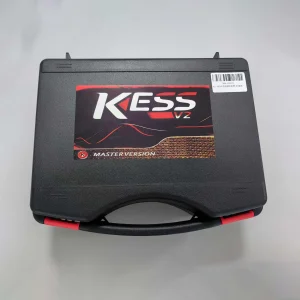
Browse our advanced automotive code readers, full-system diagnostic scanners, and ECU diagnostic programmers.
 Kore Auto