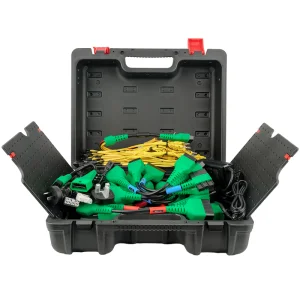
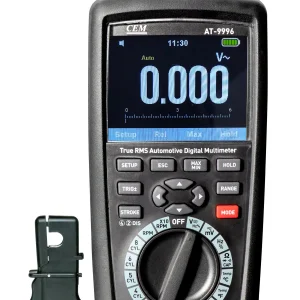
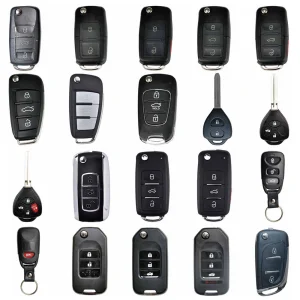
Precision engineering systems deployed across leading repair hubs, fleet operators, and industrial plants worldwide.
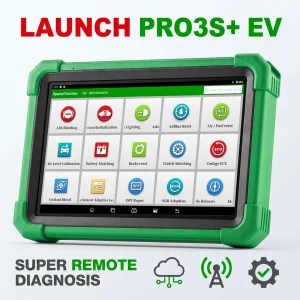
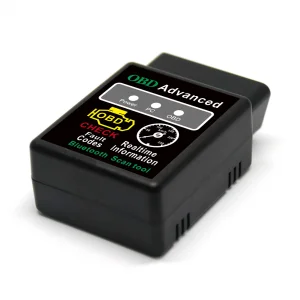
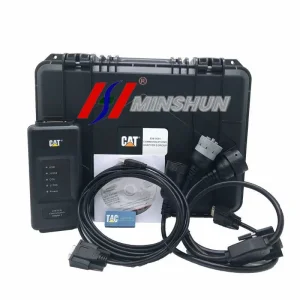
Unlocking unmatched operational efficiency and structural reliability for modern industrial, logistics, and passenger transit fleets.
In the hyper-competitive landscapes of modern distribution network operation and automotive aftermarket repairs, ensuring vehicle uptime is paramount. The starting and charging sub-systems are critical failure points for combustion engines, auxiliary power units (APUs), and complex hybrid powertrains. As a premier Starter Tester Manufacturer & Exporter, Shenzhen Kore Auto Co., Ltd. sits at the vanguard of engineering technologies designed to run rapid, scientific diagnostics on starter motors, high-output alternators, and transient power delivery buses.
Historically, starter motor evaluation was restricted to simple bench tests—measuring free-run current and shaft rotation without simulating real-world engine loads. Today's industrial ecosystems demand far more sophisticated diagnostic validation. Modern starter testers must analyze peak cranking current, solenoidal contact resistance, transient voltage drops, and CAN/LIN bus signal integrity on smart alternators. By identifying minuscule variances in winding impedance, brush wear patterns, or armature contact degradation, preventative diagnostic equipment stops road-side dispatch failures before they manifest, saving thousands of dollars in commercial fleet downtime and logistics delays.
Moving beyond basic resistance checks, modern testers apply high-frequency load profiles that simulate dynamic engine compression curves. This isolates armature defects, loose starter commutators, and failing field windings under true mechanical resistance.
Engine management units control alternator output dynamically to save fuel. Modern starter and alternator diagnostics decode Local Interconnect Network (LIN) and Bit Synchronous Interface (BSS) commands to ensure communication loop integrity with the engine ECU.
Today's fleets require versatile diagnostic setups capable of handling legacy 12V automotive networks, robust 24V commercial vehicle starters, and emerging 48V mild-hybrid auxiliary systems with identical precision and safety profiles.
Analyzing procurement strategies of international tier-1 distributors, industrial conglomerates, and large repair chains.
Industrial procurement managers looking for starter motor testing platforms and vehicle diagnostics operate under stringent risk-mitigation structures. They demand solutions that are not only accurate but also robustly compliant with international engineering benchmarks. For procurement agents in Europe and North America, certifications such as ATEX Zone 2 for hazardous environments, CE compliance for electrical safety, and NIST-traceable calibration certificates are standard baselines.
Moreover, the shift toward sustainable and low-carbon commercial ecosystems has introduced massive complexity. As fleet operators transition to mixed fleets—incorporating internal combustion engine (ICE) trucks, hybrid delivery vans, and fully electric transport vehicles—their diagnostic equipment must bridge legacy diesel-cranking metrics with advanced high-voltage insulation tests. Consequently, buying decisions favor manufacturers who offer flexible upgrade cards, modular interfaces (such as J2534 passthru protocols), and comprehensive EV battery diagnostic kits that fit seamlessly alongside standard electrical analyzers.
How Shenzhen Kore Auto Co., Ltd. integrates advanced robotics, digital twins, and strategic location to deliver world-class diagnostic hardware.
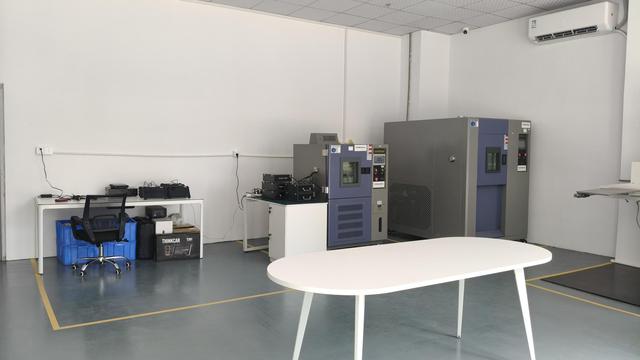
As global supply chain bottlenecks present persistent risks to operational consistency, the resilience of manufacturing partners becomes a key competitive differentiator. Based in Shenzhen—the undisputed epicenter of global hardware innovation—Shenzhen Kore Auto Co., Ltd. leverages an advanced Industry 4.0 ecosystem. Our smart manufacturing lines deploy automated optical inspection (AOI), surface mount technology (SMT) robotics, and state-of-the-art thermal conditioning chambers. This automated workflow minimizes human error in delicate circuit assembly, ensuring that high-speed microcontrollers and signal processing ICs on our diagnostic scanners function reliably under extreme workshop temperatures.
Furthermore, our localized component supply network minimizes reliance on extended cross-border logistics. By maintaining long-term partnerships with specialized PCB fabricators, casing molding facilities, and screen panel suppliers within a 50-mile radius, Kore Auto maintains a production response time unmatched in the West. From custom OEM/ODM casing designs to firmware adaptations for specialized diagnostic systems, our rapid prototyping and testing iterations significantly decrease time-to-market.
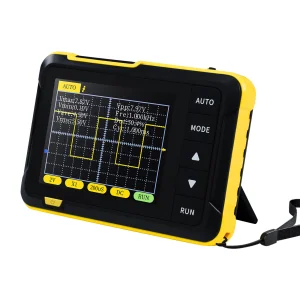
Quality assurance at Kore Auto is not merely an end-of-line checkpoint; it is woven into every stage of development. Every handheld oscilloscope, digital multimeter, and heavy-duty diagnostic module undergoes multi-stage hardware-in-the-loop (HIL) simulation to verify communications against actual vehicle ECUs. Whether testing high-output diesel cranking systems or EV battery management loops, our quality control procedures assure our global distributors that every product shipped is ready to perform under demanding field conditions.
Tailoring diagnostics to diverse sectors: from heavy-duty mining networks to high-frequency urban transit lines.
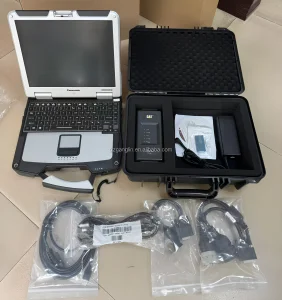
For heavy excavation operations utilizing Caterpillar, Cummins, or Sinotruck engines, starter motor failures halt multi-million dollar projects. Deploying high-load diagnostic tools allows field technicians to isolate starter wear and solenoid contact oxidization directly on-site, ensuring uninterrupted heavy machinery cycles.
High-stop municipal bus systems subject starting systems to hundreds of cranking cycles daily. Fleet depots utilize automated diagnostic panels to verify voltage stability, alternator ripple currents, and grounding straps during scheduled maintenance, drastically cutting down on urban transit route cancellations.
Modern dealerships need premium OBD2, J2534, and ECU programming capabilities to configure replacement starters and alternators. Our tools provide bidirectional system sweeps, online ECU coding, and key programming, making them indispensable hubs for service bays and tuning specialists.
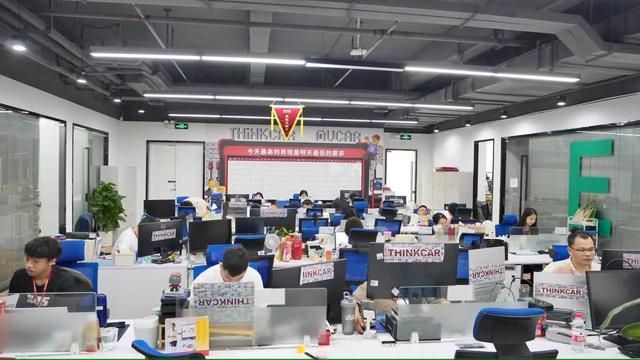
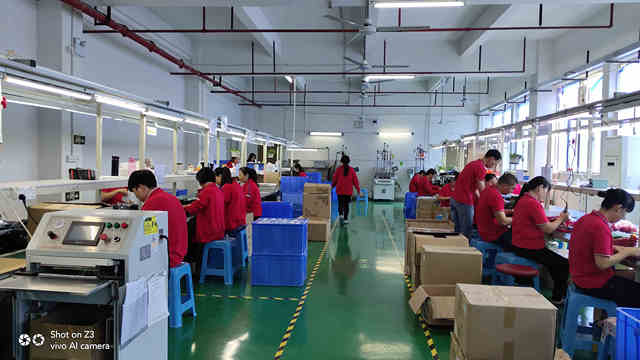
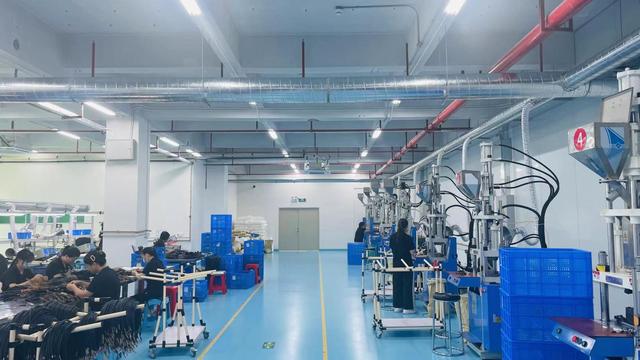
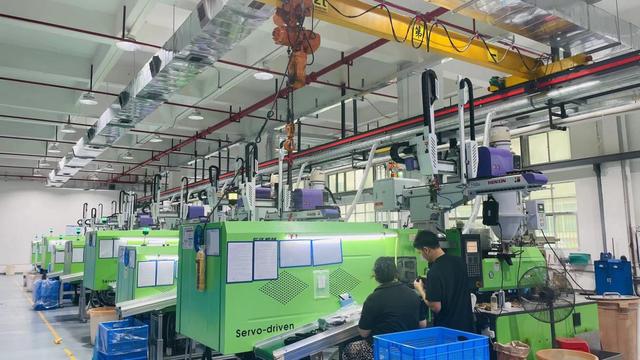
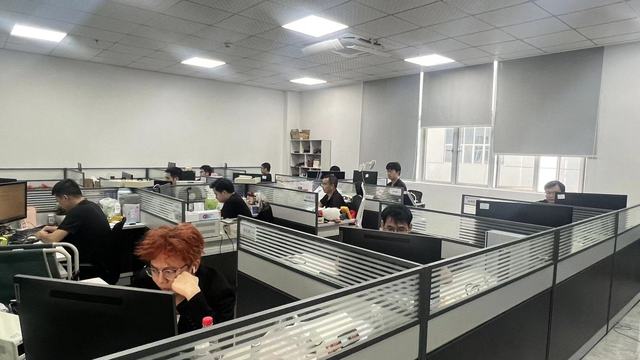
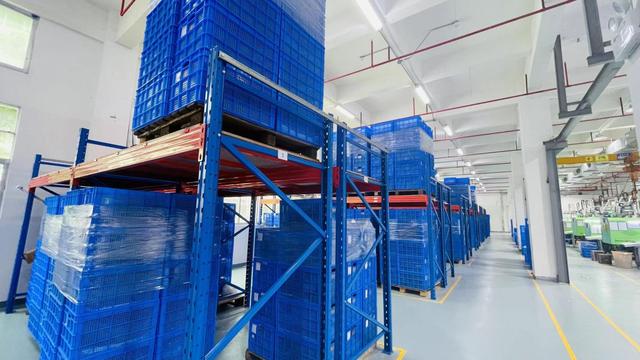
A glimpse into Shenzhen Kore Auto Co., Ltd.'s ISO-certified assembly halls, SMT production lines, and quality assurance labs.



Clear, technical guidance on starter motor testing, alternator troubleshooting, and diagnostic hardware selection.
A static test typically measures only the winding resistance or current draw of the starter motor under zero mechanical load. While useful for finding dead shorts, it cannot detect issues that appear only under high mechanical stress. Dynamic load testing applies simulated engine compression resistance to the starter pinion. This lets technicians analyze transient current peaks, armature structural deviations, and starter commutator performance under true cranking loads, pinpointing problems that would otherwise be missed.
Modern vehicles adjust alternator output based on battery temperature, load, and drive state to reduce engine drag. These alternators communicate with the ECU using LIN or BSS protocols. Standard analog voltage testers cannot diagnose these systems. Modern alternators need testers that read digital commands, check communication loop health, and verify that the regulator is executing ECU voltage targets.
A digital multimeter can miss brief electrical spikes because its screen updates too slowly. An automotive oscilloscope with 200KHz bandwidth captures high-speed signal variations in real time. This allows technicians to see alternator ripple voltage (caused by open diodes), solenoid contact bounce, and erratic sensor waveforms. Visualizing these high-frequency patterns makes it simple to diagnose intermittent electrical issues.
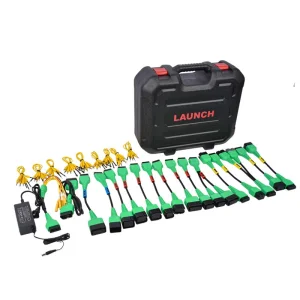
J2534 is a standardized gateway interface that lets independent repair shops write updates to vehicle ECUs using OEM software. This eliminates the need for expensive manufacturer-specific diagnostic tools. By supporting J2534 pass-thru, diagnostic devices like the LAUNCH X-431 series help independent workshops perform dealer-level ECU coding, program keys, and calibrate ADAS systems.
Industrial complexes, mining operations, and petrochemical transport centers operate in environments where flammable gases or combustible vapors may be present. ATEX Zone 2 certified diagnostic modules are engineered with intrinsic safety structures that prevent electrical sparks or thermal buildup from igniting ambient atmospheres. Standard tools lack these protections, making ATEX-compliant equipment essential for fleet garages and industrial workshops.
We offer full-cycle OEM/ODM design and manufacturing services. This includes custom plastic injection molding, tailored PCB layout design, custom diagnostic database development, and branded hardware styling. We help global distributors adapt our diagnostic platforms to regional specifications, local language requirements, and unique brand identities quickly and efficiently.
Broadening service capabilities from commercial freight networks to advanced automotive ECU remapping and security configuration.
 Kore Auto