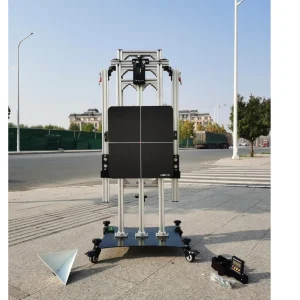
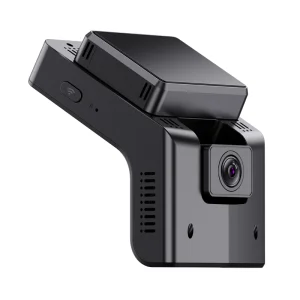
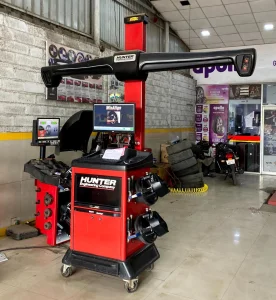
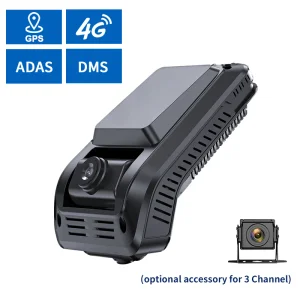
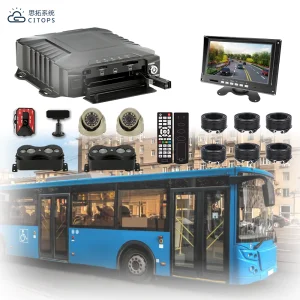
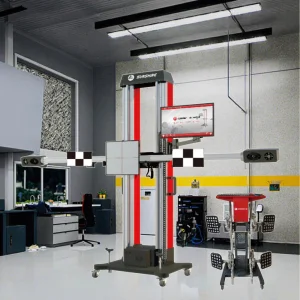
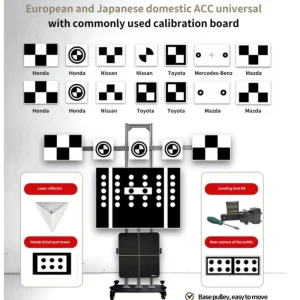
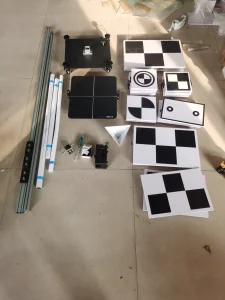
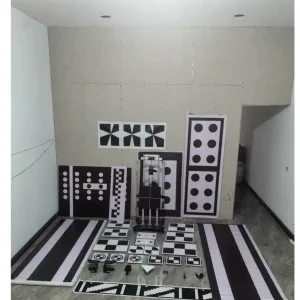
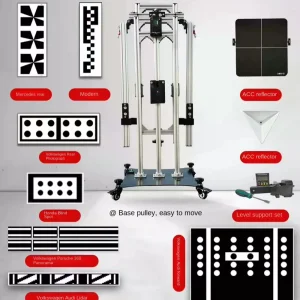
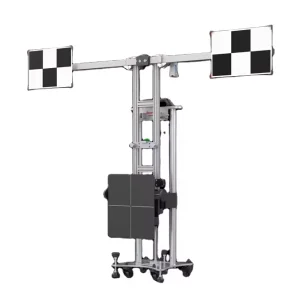
Deploy precision target alignment arrays engineered to match the rigorous specific maintenance requirements of Japan’s K-cars, passenger vehicles, and heavy-duty transport systems. Explore our leading calibration devices tailored for dynamic Tokyo automotive garages.
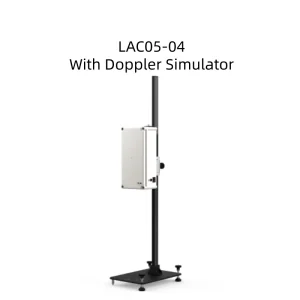
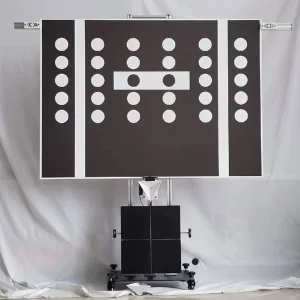
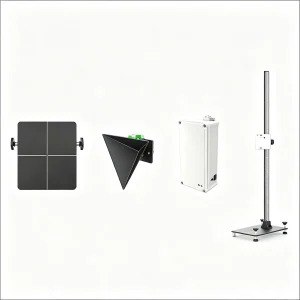
The automotive service sector in Tokyo, Japan, stands as one of the world's most technologically demanding environments. Governed by the stringent regulations of the Ministry of Land, Infrastructure, Transport and Tourism (MLIT), the Japanese automotive repair industry has undergone a legislative transformation known as the **"Specific Maintenance Regulations" (特定整備 - Tokutei Seibi)**. This framework mandates that any facility performing maintenance on bumpers, grilles, windshields, or structural components containing LiDAR, radar, or forward-facing camera arrays must hold a specialized certification and deploy precision-graded ADAS Calibration Equipment.
Tokyo's dense urban layout demands absolute system reliability. Advanced Emergency Braking Systems (AEBS), Lane Keep Assist (LKA), and Adaptive Cruise Control (ACC) must react instantaneously on complex expressway routes like the Shuto Expressway. For Tokyo workshops, body repair facilities, and glass replacement centers, investing in high-grade diagnostic and target calibration machines is no longer optional—it is a foundational compliance prerequisite.
While Japanese domestic brand equipment remains highly valued, global procurement managers and Tokyo workshop networks are increasingly turning to top-tier Chinese manufacturers to optimize capital expenditure and tech-stack agility. The alliance between **Shenzhen Kore Auto Co., Ltd.** and Japanese distributors is a prime example of this trend. Chinese engineering houses offer rapid target database updates, multi-brand compatibility, and flexible hardware integrations that keep pace with international JDM imports and domestic specifications alike.
Our manufacturing ecosystem in Shenzhen integrates advanced optoelectronic design, high-frequency radar simulators, and robust mechanical structures. This allows us to supply ADAS equipment that exhibits the structural rigidity required for dynamic alignment while keeping costs accessible. By deploying state-of-the-art diagnostic software with Japanese localization, we ensure that operators in Tokyo can easily bridge the gap between imported vehicle protocols and local regulatory databases.
For global suppliers operating out of Tokyo, partnering with an agile Chinese manufacturer means direct access to customized target arrays. Whether it’s specialized dynamic calibration protocols or static targets for European/American luxury cars imported into Japan, we develop and manufacture under strict ISO9001 and CE frameworks, offering a robust alternative to high-priced legacy systems.
The next decade of ADAS development will be driven by the integration of Level 2+ and Level 3 autonomous architectures. Safe sensor integration relies on three foundational pillars:
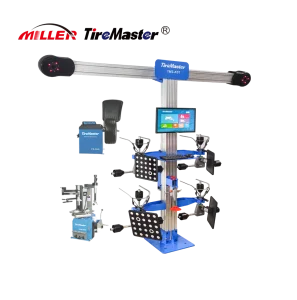
Aligning ADAS sensors relative to the physical geometric centerline of the chassis is no longer sufficient. Modern systems integrate wheel alignment angles (specifically thrust angle and rear axle tracking) with the optical target line to prevent crabbing or lane-drift errors.
Due to high real estate costs in Tokyo, workshops are often space-constrained. Lightweight, collapsible, and portable target boards that can be set up quickly and packed away are seeing a surge in demand compared to fixed, high-footprint installations.
As LiDAR and radar systems become more sophisticated, static target sheets are being paired with advanced radar reflectors and microwave calibrators, supporting broader frequency ranges (e.g., 24GHz, 77GHz, 79GHz bands).
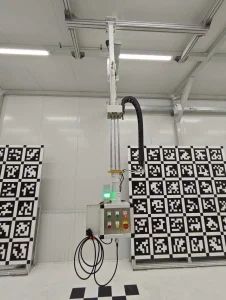
Deploy these comprehensive calibration targets, wheel alignment kits, and specialized diagnostics. Retaining their exact functional links, these tools are built to integrate directly with workshop management interfaces across Japan and internationally.
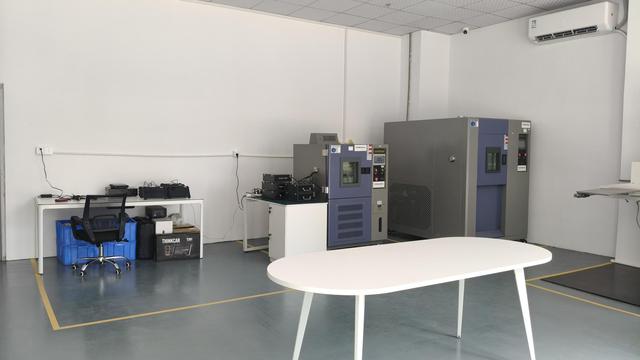
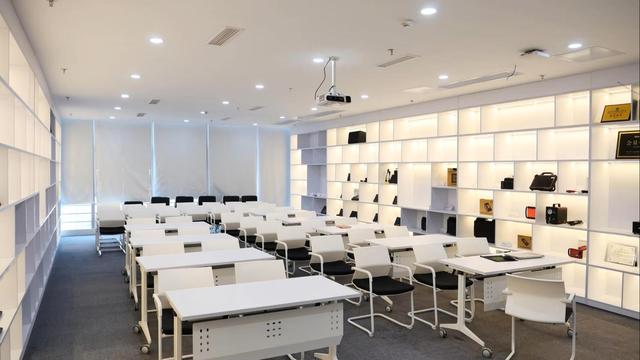
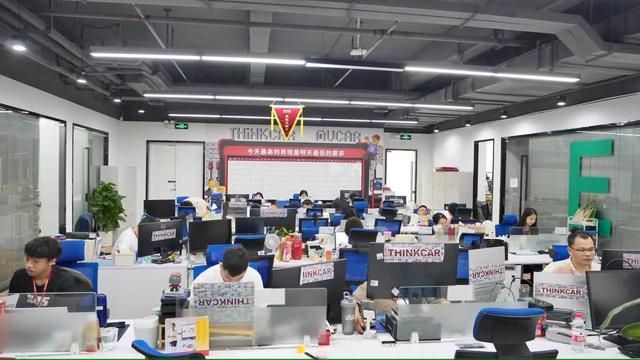
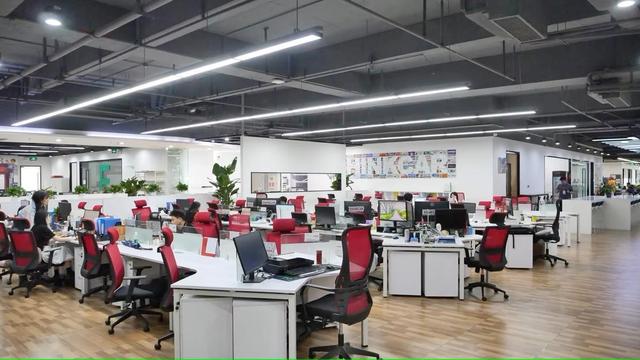
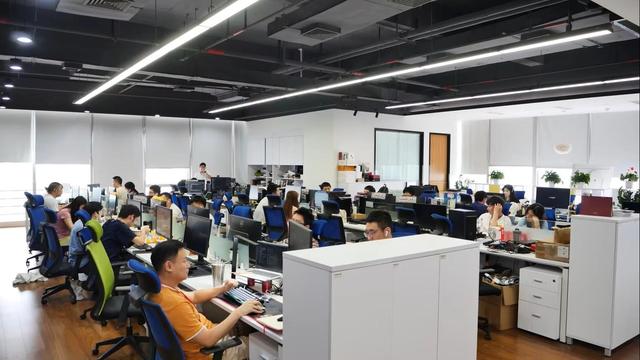
Shenzhen Kore Auto Co., Ltd. is a professional China automotive diagnostic tools manufacturer specializing in the development, production, and global supply of advanced vehicle diagnostic solutions for the automotive aftermarket industry. With extensive experience in automotive electronics and diagnostic technology, Kore Auto is committed to delivering intelligent, reliable, and high-performance diagnostic equipment to customers worldwide.
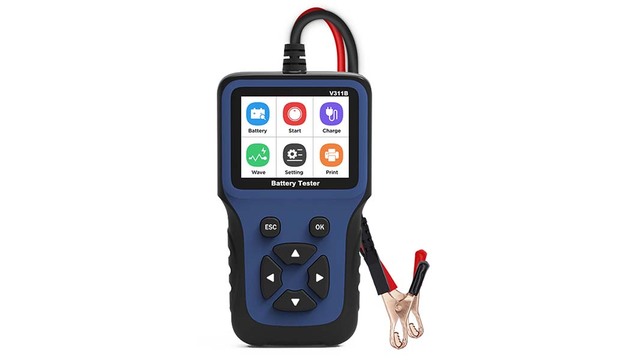
Our comprehensive product portfolio includes automotive diagnostic scanners, OBD diagnostic tools, ECU programming equipment, TPMS diagnostic systems, ADAS calibration equipment, battery testing devices, vehicle inspection systems, automotive oscilloscopes, remote diagnostic platforms, and customized diagnostic solutions. These products are widely used by automotive repair workshops, dealerships, fleet operators, vehicle inspection centers, and maintenance service providers.
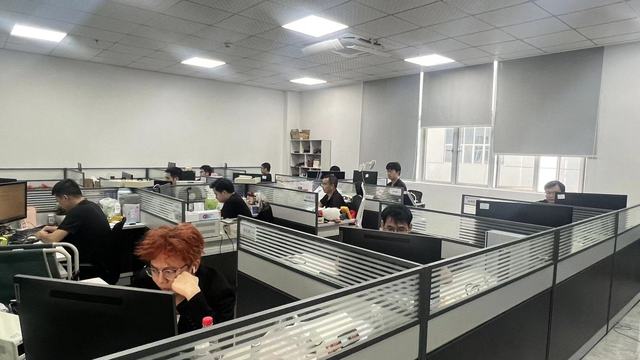
Driven by innovation, Shenzhen Kore Auto continuously invests in research and development to keep pace with the rapidly evolving automotive industry, including electric and connected vehicles. Our experienced engineering team develops cutting-edge diagnostic technologies featuring comprehensive vehicle coverage, fast data processing, intelligent fault analysis, wireless connectivity, and user-friendly software interfaces.
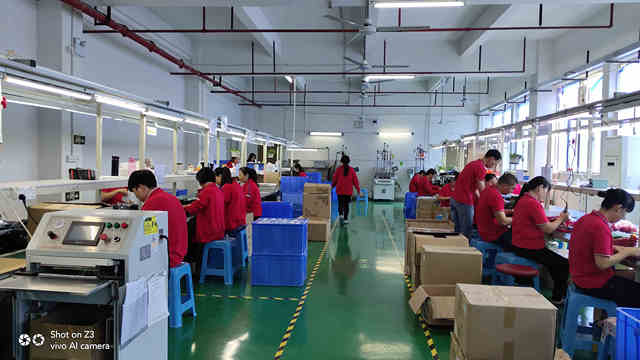
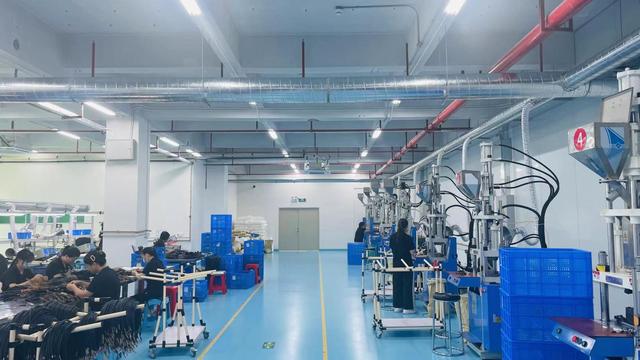
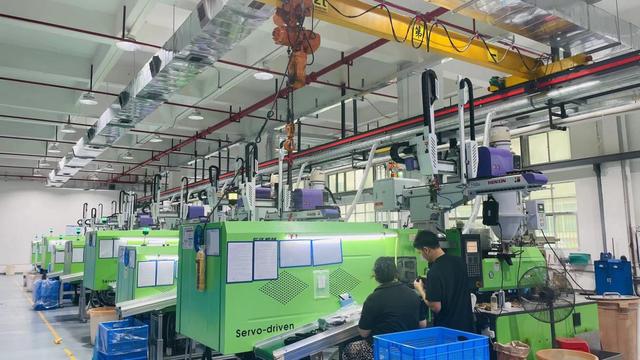
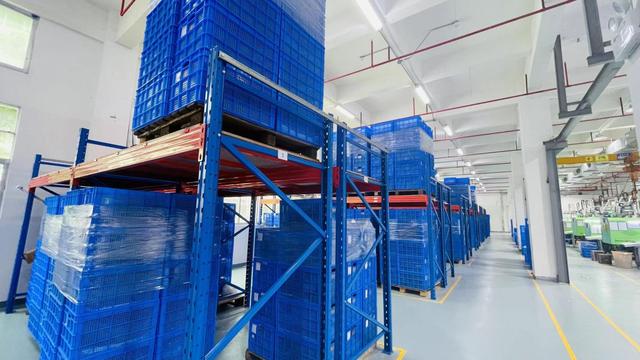
Quality and reliability are fundamental to our success. Every product is manufactured under strict quality control standards and undergoes rigorous testing procedures to ensure stable performance, accuracy, and durability in demanding workshop environments. We also provide flexible OEM and ODM services, helping customers develop customized automotive diagnostic products tailored to specific market requirements.
Serving customers throughout Europe, North America, South America, Asia, the Middle East, and Africa, Shenzhen Kore Auto Co., Ltd. has established long-term partnerships with distributors, automotive service providers, and industry professionals worldwide.
 Kore Auto