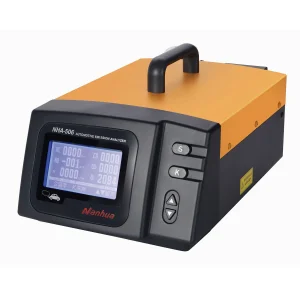
Icp Oes Aes De Metales Metal Optical Emission Machine Ms Icp-oes Test Spectrometer Atomic Absorption Spectrophotometer

Product Description

Product Description

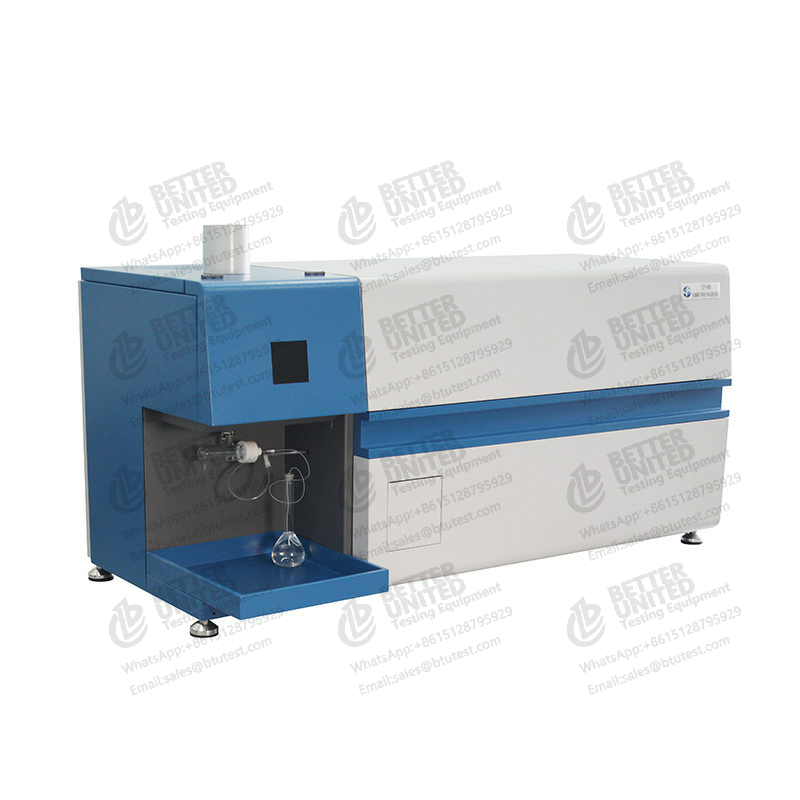
ICP-AES / ICP-OES

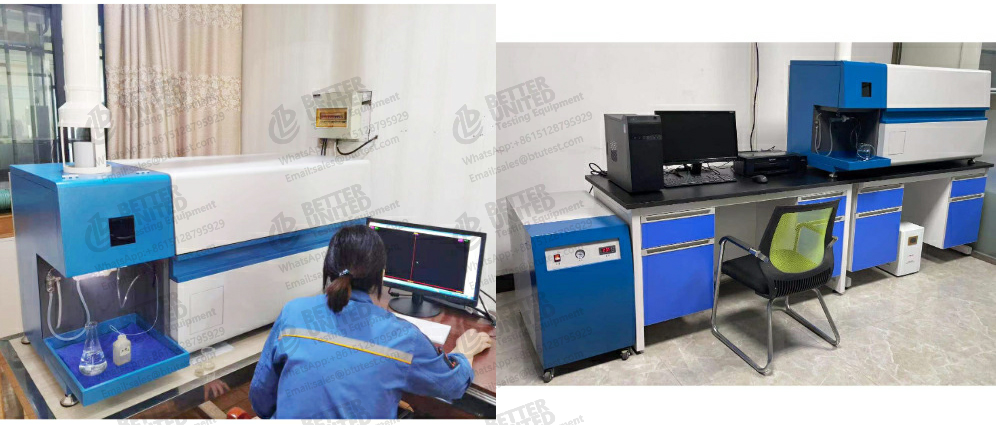
Inductively coupled plasma spectrometer, inductively coupled plasma (ICP) is the main light source used for atomic emission spectroscopy. ICP has the characteristics of ring structure, high temperature, high electron density, inert atmosphere, etc., and it has low detection limit, wide linear range, less ionization and chemical interference, high accuracy and precision and other analytical performance.

Specifications

Working Conditions
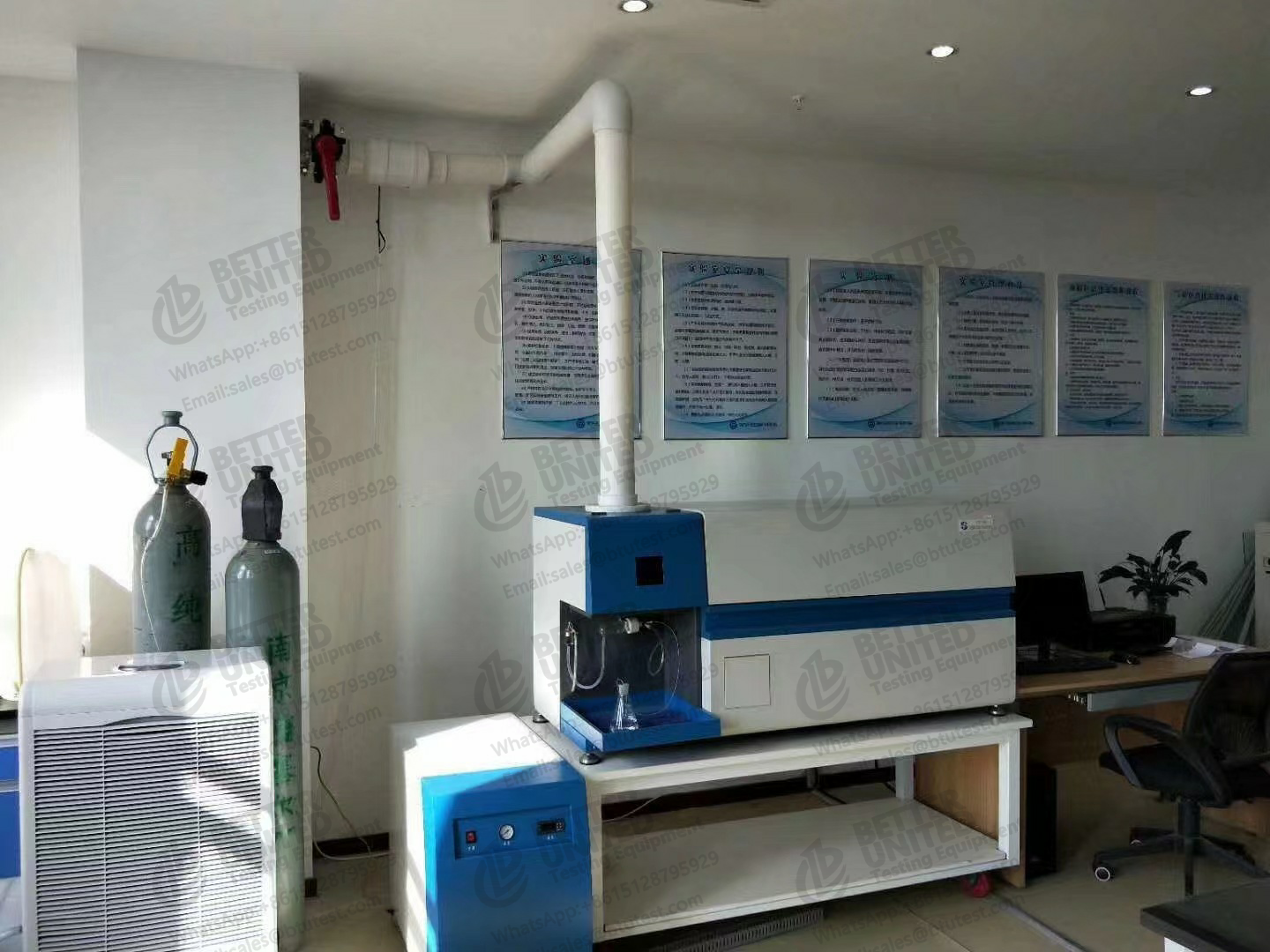
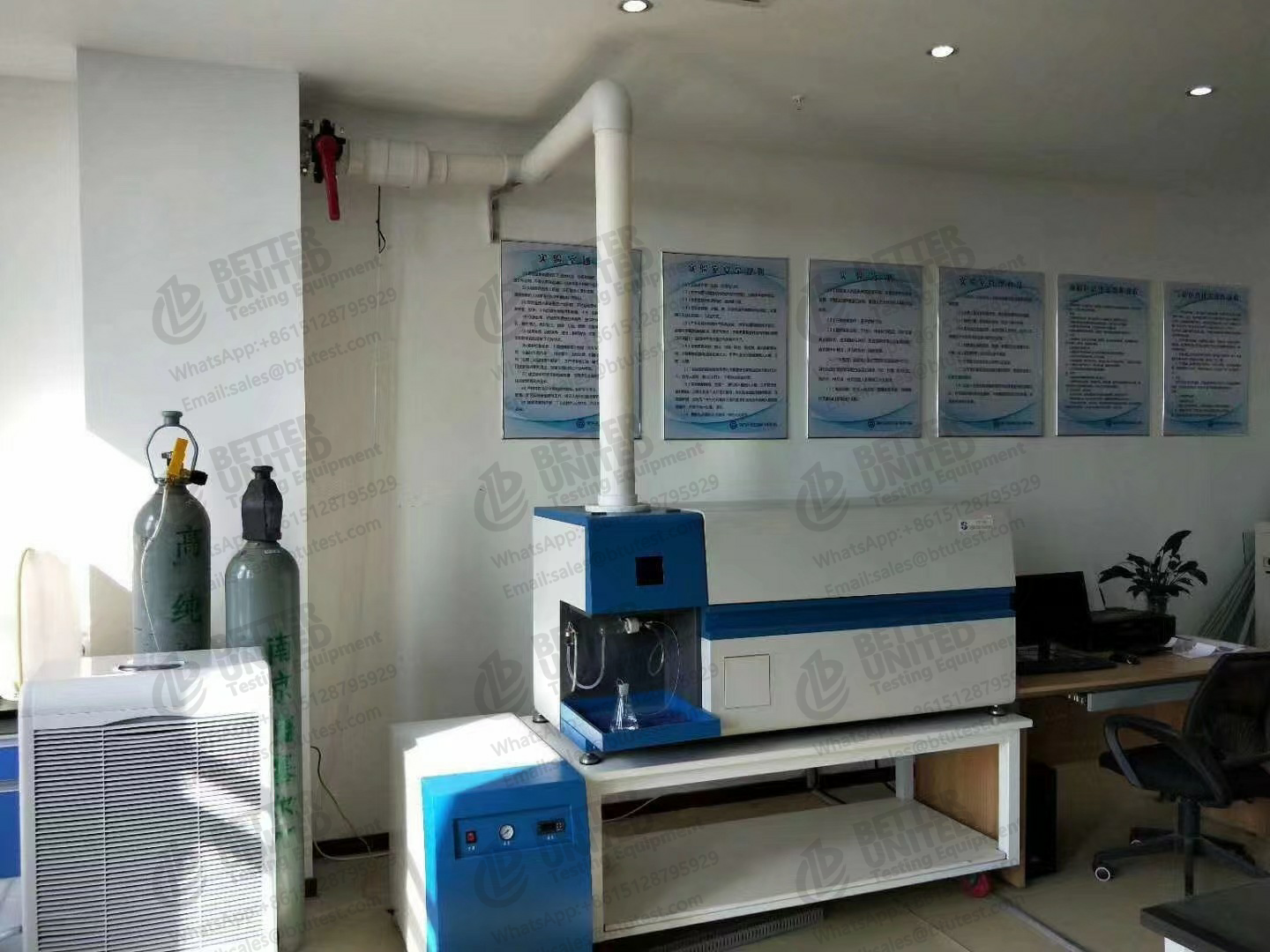
Clean, dry, dust-free, and vibration-free laboratory. Keep room temperature at 22°C ±3°C.
Laboratory Room
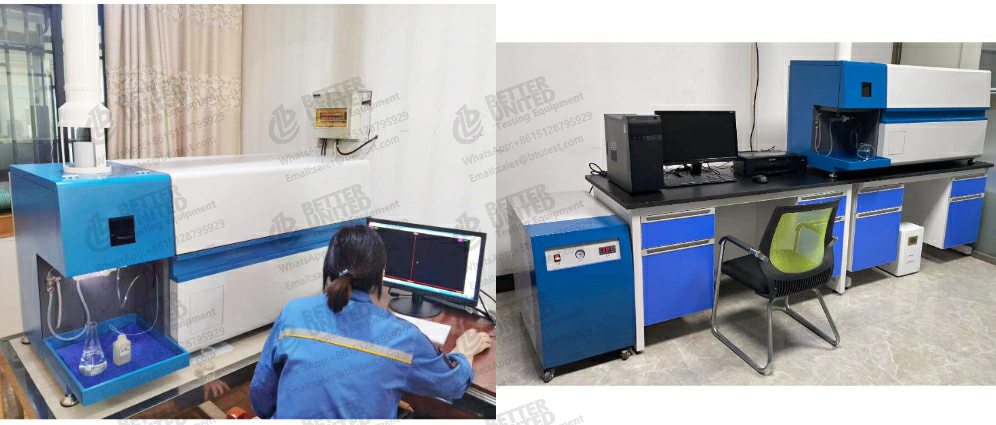
About 15 square meters, equipped with standard solution reagent cabinet, computer desk, computer chair, and a 1.5-2 HP air conditioner.
Power Supply
220V, 22A, utilizing 4 square wires.
Grounding System
High-frequency grounding to stabilize the instrument, using a 300×300×3mm copper plate buried 1.5 meters deep underground, connected with a 30×0.5mm copper strip to the main machine's casing.
Exhaust System
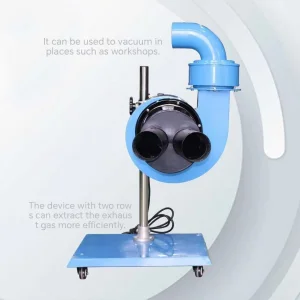
Exhaust pipe required above the main engine, connected to an external chimney using an exhaust fan to safely discharge combustion gases.
Argon Gas Supply
99.99% standard ordinary argon can be used.
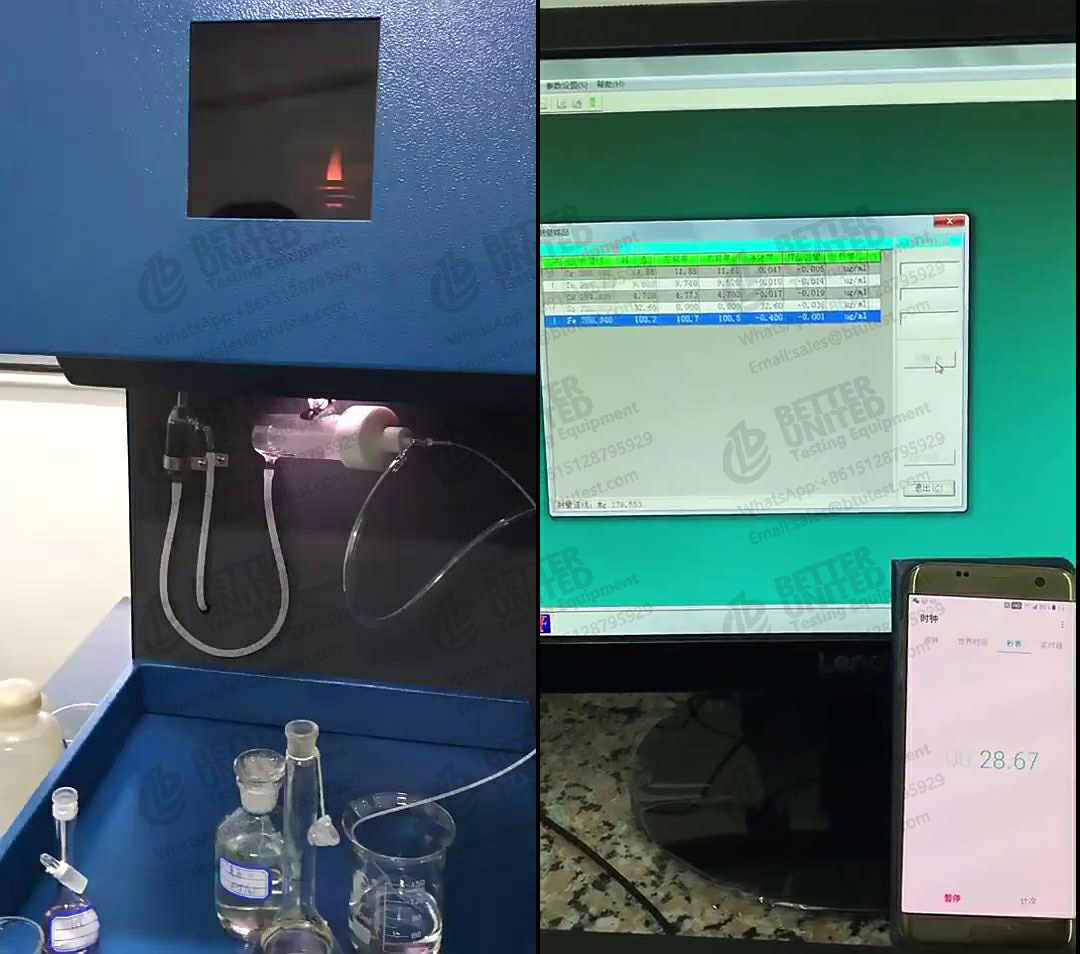
ICP Spectrometer Component View 1
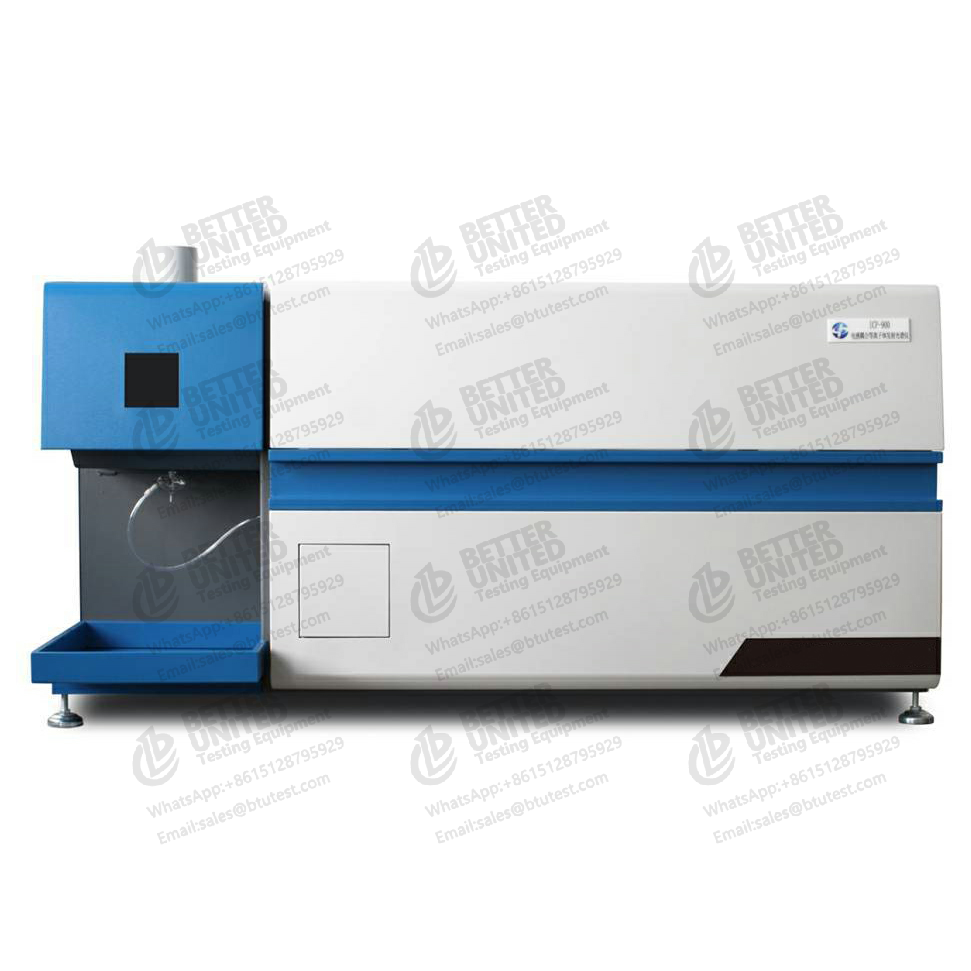
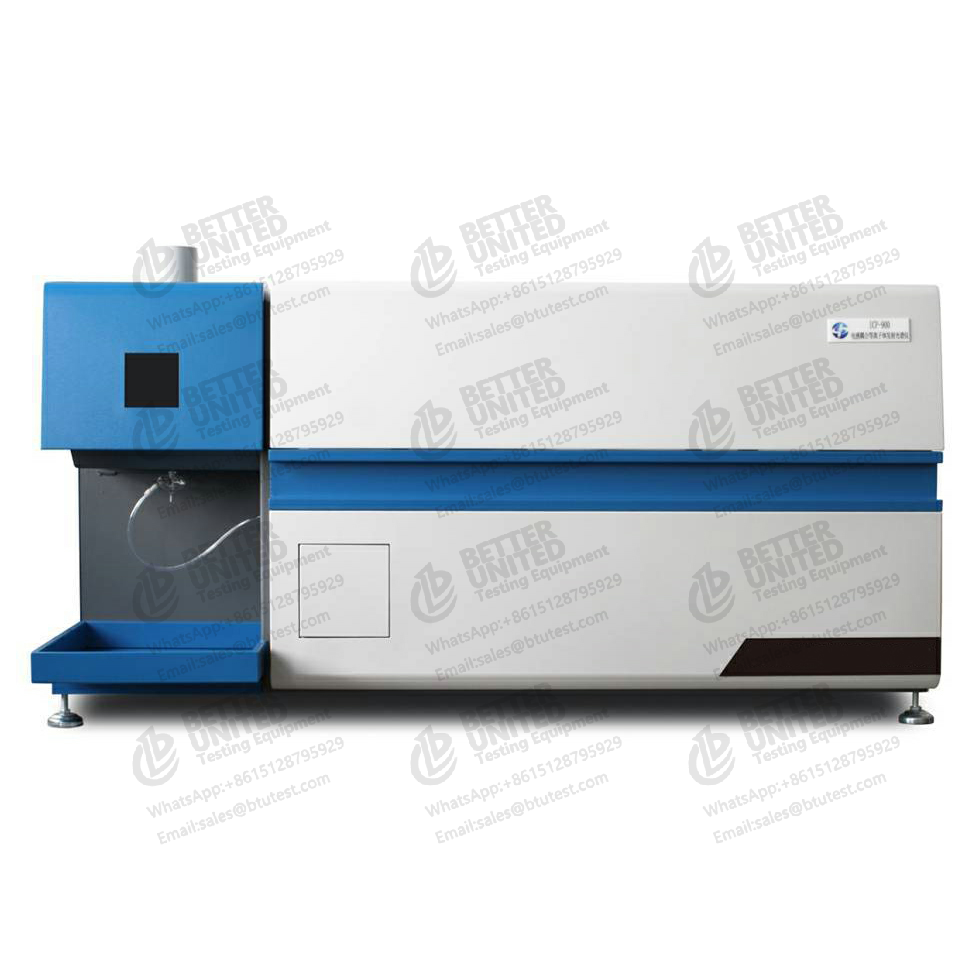
ICP Spectrometer Component View 2
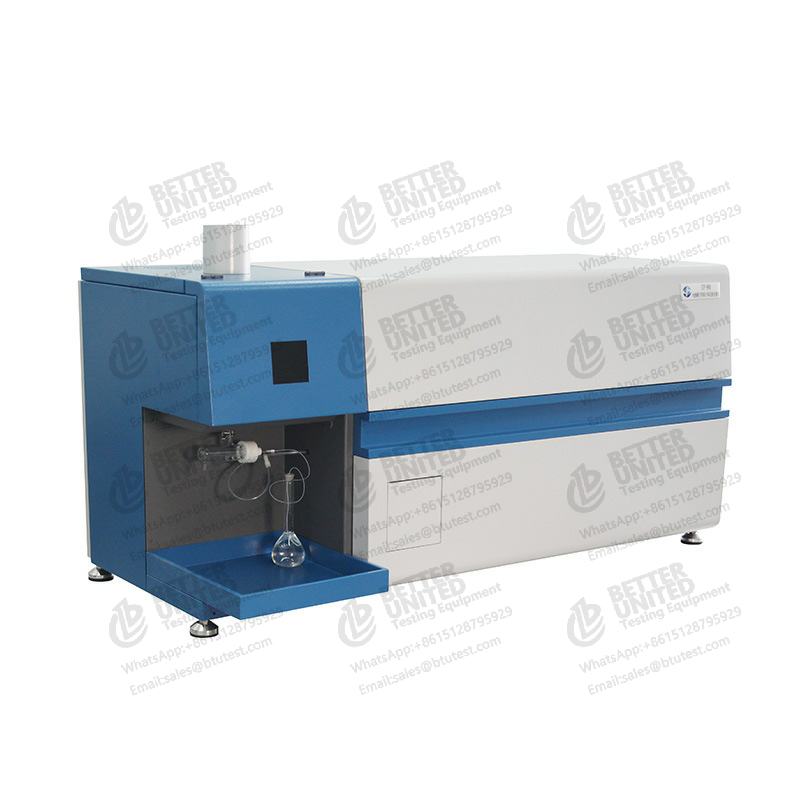
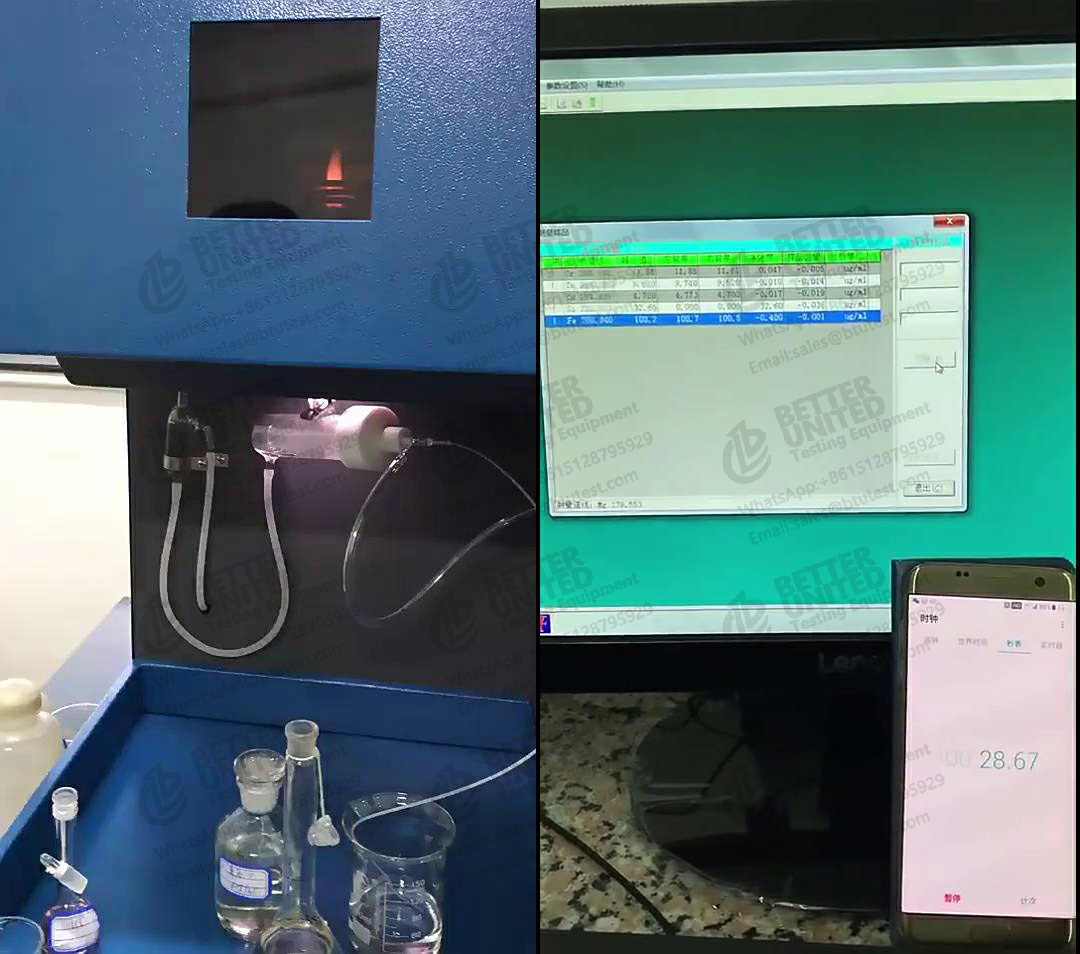
ICP Spectrometer Component View 3
ICP Spectrometer Details 4
ICP Spectrometer Details 5
ICP Spectrometer Details 6

Performance Benefits

1
The high-voltage power supply circuit of the RF generator adopts advanced electronic technology, eliminating bulky step-up transformers and high-frequency chokes. Features power closed-loop feedback control accuracy of < 0.1%.
2
Fully automatic ignition and intelligent software-driven gas path control ensure convenient operations.
3
Comprehensive safety measures: cooling water protection, argon pressure monitoring, overpressure, overcurrent, and arc extinguishing protection.
4
Output power is automatically matched and tuned via built-in system software settings.
5
The spectrometer is filled with argon, allowing high sensitivity measurements of Sulfur at 180nm and Tin (Sn) at 189nm.
6
An excellent optical system and advanced control system guarantee accurate peak positioning, exceptional signal-to-background ratio, and minimal matrix effects.
7
Wide measurement dynamic range covering ultra-micro to constant analysis (spanning 5 to 6 orders of magnitude).
8
Low detection limits, reaching the ppb level for the vast majority of elements.
9
Excellent measurement accuracy: relative standard deviation (RSD) ≤ 1.5% (5ppm), exceeding national standards (JJG768-2005).
10
Argon consumption is efficiently controlled at approximately 14L/min.

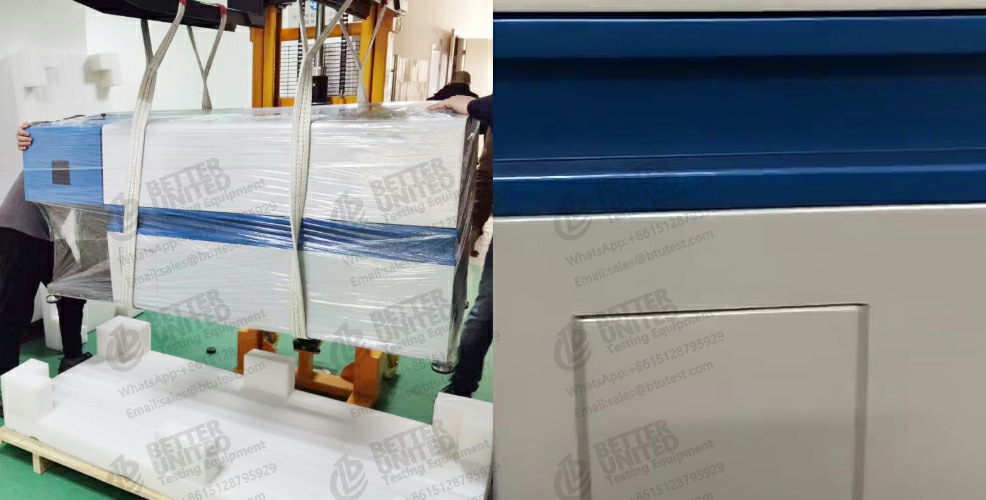
Packing & Delivery

Instrument Packaging and Delivery Details

Frequently Asked Questions

Spectrometer Quality Standards and FAQ Support
What is the difference between ICP-AES and ICP-OES?
They refer to the exact same analytical technique. ICP-AES stands for Inductively Coupled Plasma Atomic Emission Spectrometry, while ICP-OES stands for Inductively Coupled Plasma Optical Emission Spectrometry. Both analyze the light emitted by excited atoms to determine element concentrations.
What are the laboratory environmental requirements for installation?
The lab must be clean, dry, dust-free, and free of vibration. The room temperature should be maintained stably at 22°C ±3°C. It requires a dedicated exhaust system, standard power supply (220V, 22A), and a specialized high-frequency grounding system connected to a copper plate buried underground.
What level of detection limit can this ICP spectrometer achieve?
This system offers extremely low detection limits. For the majority of detectable elements, the instrument can easily achieve trace and ultra-micro analysis down to the ppb (parts per billion) level.
How is safety managed during high-voltage and high-temperature operations?
The instrument is equipped with fully automated protection controls. These include cooling water status protection, argon supply pressure protection, overpressure and overcurrent electrical protections, as well as automatic arc extinguishing sensors for secure operations.
What gas is required and what is the typical consumption rate?
The spectrometer utilizes standard 99.99% pure argon gas. During operation, the typical system argon gas consumption is optimized at approximately 14L/min.

Related Products