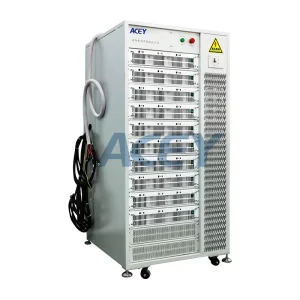
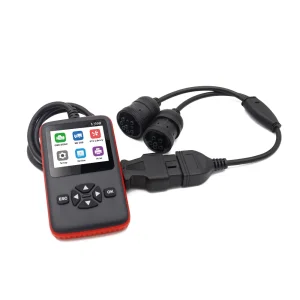
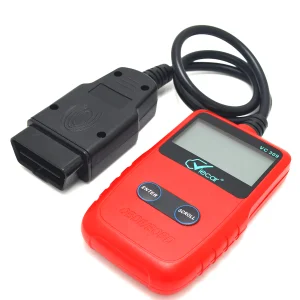
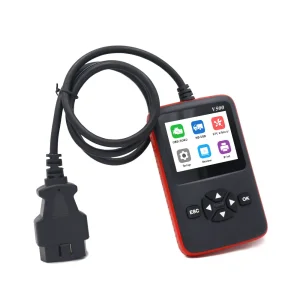
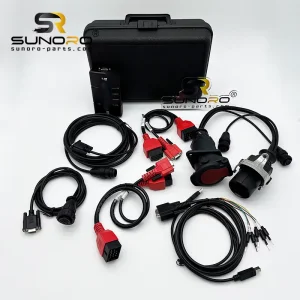
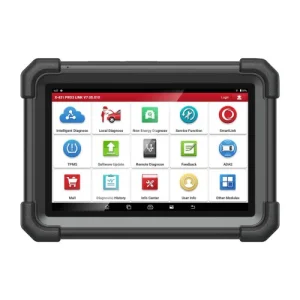
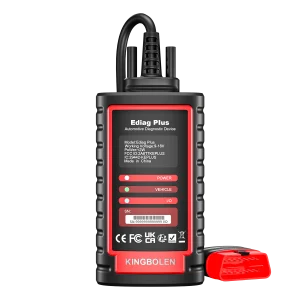
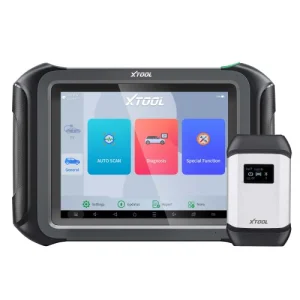
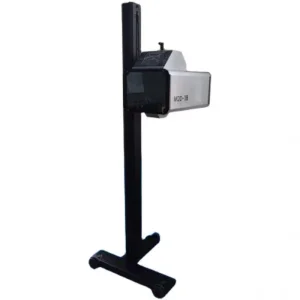
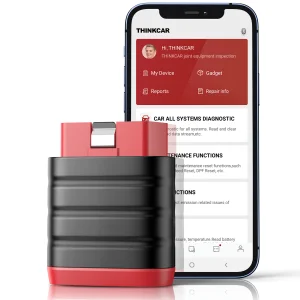
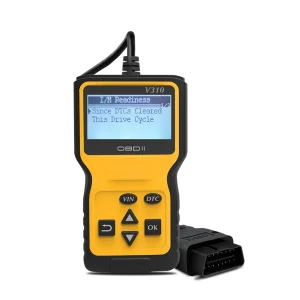
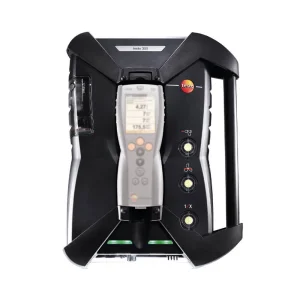
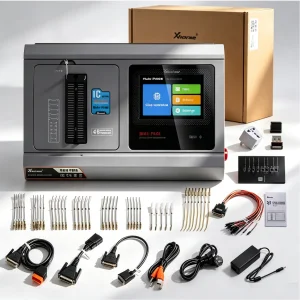
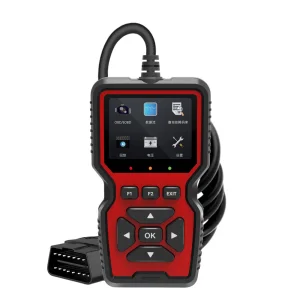
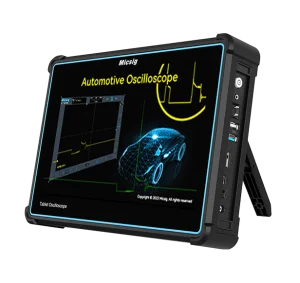
Explore our primary array of high-precision diagnostic analyzers, energy systems, and professional-grade automotive workshop scanners.
In modern electronic fuel injection (EFI) engines, the Throttle Position Sensor (TPS) acts as a vital bridge between mechanical airflow control and the electronic control unit (ECU). The TPS continuously monitors the angle of the butterfly throttle valve, translating its mechanical position into a precise analog voltage or digital PWM signal. Consequently, a faulty TPS compromises drivability, resulting in symptoms such as erratic idle speed, engine hesitation during acceleration, transmission shifting issues, and reduced fuel efficiency.
Diagnosing complex throttle system failures requires highly specialized Throttle Position Sensor Tools and diagnostic software platforms. Top-tier China manufacturers have pivoted from supplying basic diagnostic readers to developing multi-system diagnostic suites that integrate advanced oscilloscope graphing, real-time parameters monitoring (PID logging), and active calibration controls.
Historically, Throttle Position Sensors relied on mechanical contact potentiometers, which were prone to mechanical wear, carbon track degradation, and moisture intrusion. Modern vehicles have widely adopted contactless Hall-Effect and magneto-resistive sensors. These modern sensors output complex pulse-width modulated (PWM) or Single Edge Nibble Transmission (SENT) data streams.
To test these digital assemblies, mechanical workshops can no longer rely on simple analog multimeters. Specialized diagnostic interfaces—combining high-speed digital storage oscilloscopes (DSO), active bi-directional actuators, and OBD-II protocol decoders—are necessary. By observing real-time voltage sweeps or analyzing the pulse train duty cycles, technicians can detect microsecond-level signal dropouts that trigger check-engine lights (CEL) and limp-home modes.
How procurement managers assess quality, compliance, and design versatility when choosing Chinese industrial tooling partners.
The ability to interface with multiple OEM standards (CAN-FD, J1939, K-Line, and SENT protocols) ensures that a single scanner can service passenger, commercial, and industrial fleets.
Precision calibration matching national standards ensuring ISO/IEC 17025 conformity. Essential for Tier-1 automotive assembly plants and high-end workshops.
Integrated oscilloscopes capturing at 2GSa/s to detect signal interruptions, voltage noise, or physical track damage in analog potentiometers.
Shenzhen Kore Auto Co., Ltd. is a professional China automotive diagnostic tools manufacturer specializing in the development, production, and global supply of advanced vehicle diagnostic solutions for the automotive aftermarket industry. With extensive experience in automotive electronics and diagnostic technology, Kore Auto is committed to delivering intelligent, reliable, and high-performance diagnostic equipment to customers worldwide.
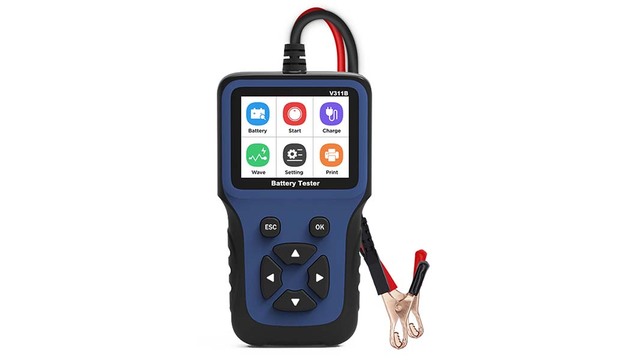
Our comprehensive product portfolio includes automotive diagnostic scanners, OBD diagnostic tools, ECU programming equipment, TPMS diagnostic systems, ADAS calibration equipment, battery testing devices, vehicle inspection systems, automotive oscilloscopes, remote diagnostic platforms, and customized diagnostic solutions. These products are widely used by automotive repair workshops, dealerships, fleet operators, vehicle inspection centers, and maintenance service providers.
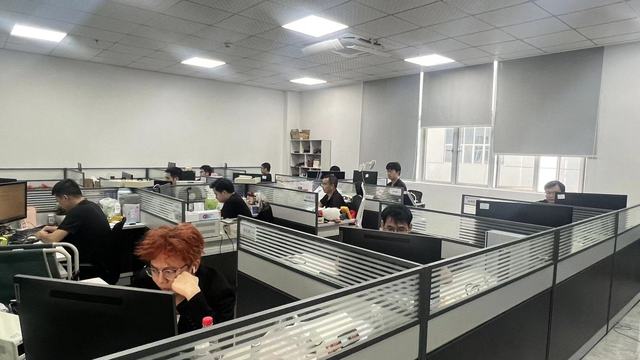
Driven by innovation, Shenzhen Kore Auto continuously invests in research and development to keep pace with the rapidly evolving automotive industry, including electric and connected vehicles. Our experienced engineering team develops cutting-edge diagnostic technologies featuring comprehensive vehicle coverage, fast data processing, intelligent fault analysis, wireless connectivity, and user-friendly software interfaces.
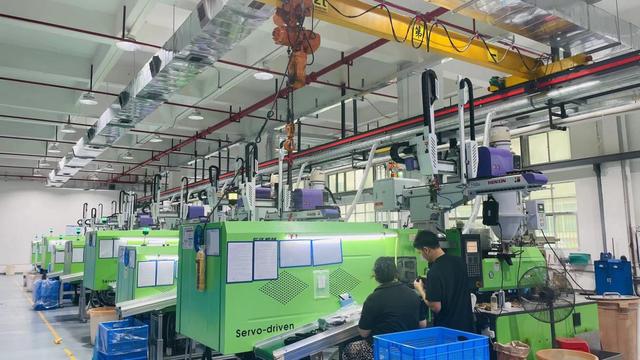
Quality and reliability are fundamental to our success. Every product is manufactured under strict quality control standards and undergoes rigorous testing procedures to ensure stable performance, accuracy, and durability in demanding workshop environments. We also provide flexible OEM and ODM services, helping customers develop customized automotive diagnostic products tailored to specific market requirements.
Serving customers throughout Europe, North America, South America, Asia, the Middle East, and Africa, Shenzhen Kore Auto Co., Ltd. has established long-term partnerships with distributors, automotive service providers, and industry professionals worldwide.
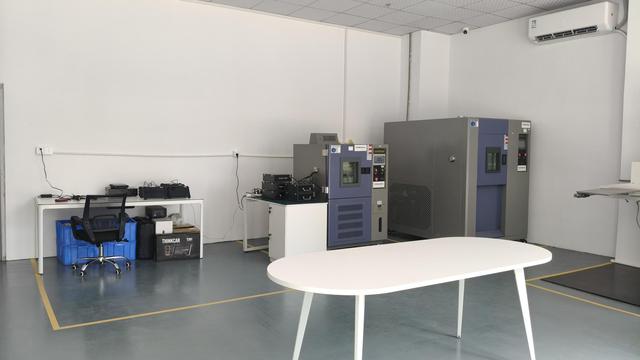



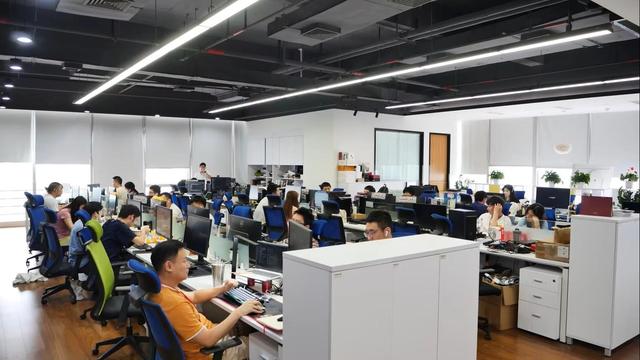
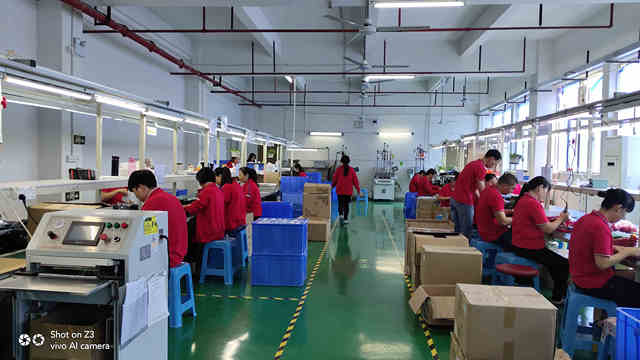
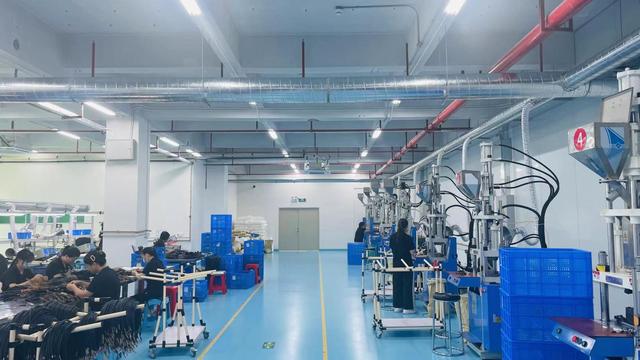

The global automotive sector is undergoing its most significant transition in a century. This transformation is driven by electrification, Advanced Driver Assistance Systems (ADAS), and IoT-enabled telematics. Modern automotive workshops can no longer rely on standalone, single-function tools. The modern vehicle is a complex network of ECUs exchanging thousands of messages per millisecond.
In traditional internal combustion engine (ICE) drivetrains, the throttle position sensor dictates the volume of air entering the engine. However, in modern hybrid and battery-electric vehicles (EVs), this system is replaced by complex electronic accelerator pedal sensors (APS). These sensors perform a similar function but send command signals directly to the power inverter controller rather than a physical throttle body.
Our comprehensive diagnostic platforms address both systems:
Our research and development initiatives focus on three primary pillars of automotive testing technology:
Expanding into international markets requires strict adherence to regional regulatory frameworks and safety guidelines. Every diagnostic scanner, oscilloscope, and battery charger manufactured by Shenzhen Kore Auto is certified to meet international standards.
For European markets, our equipment carries full CE mark and RoHS conformity. For North American operators, our systems comply with FCC emissions limits and UL electrical safety protocols. In addition, our manufacturing facilities operate under IATF 16949 quality standards, ensuring compliance with strict automotive supply chain regulations.
Beyond certification, we understand the importance of local support. We provide multi-language software support, local server infrastructure for fast updates, and comprehensive training documentation to ensure import partners can confidently support their end users.
Get professional insights into throttle position sensor diagnosis, tool compatibility, and OEM custom solutions.
Select from our premium line of electric vehicle testing kits, physical inspection tooling, and high-frequency oscilloscopes.
 Kore Auto