Explore our flagship diagnostic platforms, EV analyzer equipment, and advanced automotive protocol tools engineering precision aftermarket operations.
From simple OBD fault codes to high-speed automotive Ethernet, cloud telemetry, and complex ECU/TCU remapping protocols.
Modern vehicles employ CAN-FD, DoIP (Diagnostic over IP), and high-frequency Automotive Ethernet to stream gigabytes of diagnostic data in real-time, bypassing legacy OBD bandwidth limits.
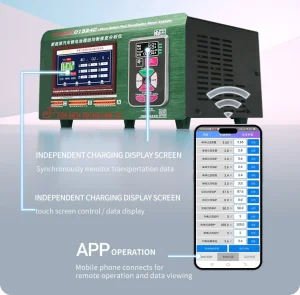
Battery State of Health (SOH), cell-balancing analysis, and high-voltage isolation tests represent the new frontline of automotive servicing, demanding isolation-rated diagnostic hardware.
Advanced Driver Assistance Systems require precise physical and digital alignment. Real-time visual target matching and sensor-fusion ECU diagnostics are now critical requirements.
As vehicle architectures migrate from traditional combustion engines to electric, hybrid, and software-defined platforms, the role of engine diagnostic tools has shifted. We are no longer looking at simple OBD-II DTC (Diagnostic Trouble Code) readers. Today's industrial procurement officers search for integrated platforms capable of ECU/TCU flashing, telemetry reading, battery pack micro-level cell analysis, and remote cloud diagnostic capabilities. Global distributors and Tier-1 workshops require manufacturers to deliver ruggedized devices with massive protocol portfolios, ranging from standard ISO 14229 (UDS) to high-speed SAE J2534 Pass-Thru operations.
Professional Insights (Information Gain): True diagnostic excellence is no longer about reading code. It is about decoding transient errors in real-time, matching dynamic battery discharge profiles under load, and rewriting flash memory on secure, gateway-locked vehicles. High-reliability diagnostics demand hardware that can withstand harsh workshop environments and deliver stable voltage profiles during programming tasks.
The global automotive diagnostic market is experiencing a rapid convergence of two critical paradigms: the electrification of passenger fleets and the open software ecosystem. On one hand, tools must read legacy systems; on the other, they must interface directly with Tesla battery management systems or perform deep-level cloning on microcontrollers using boot/bench protocols. For instance, high-speed microprocessors, robust CAN controllers, and integrated high-bandwidth oscilloscopes are standard features in tier-1 diagnostic architectures.
Leveraging deep industrial clusters, advanced SMT lines, and rigorous quality validation to power global automotive repair ecosystems.
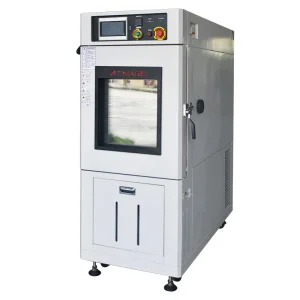
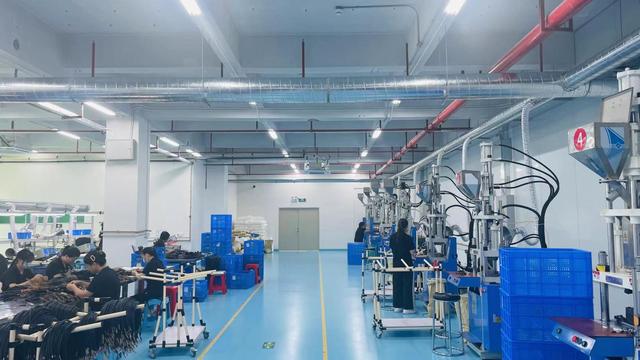
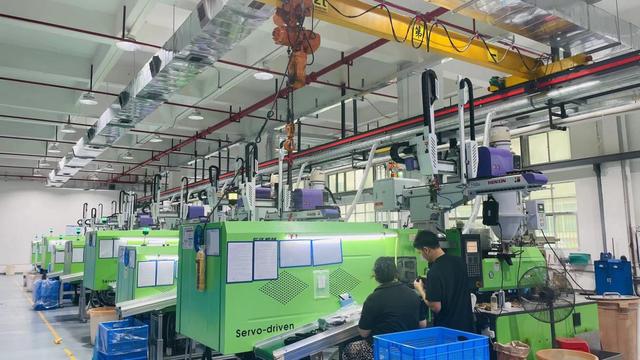
Sourcing diagnostic tools from China has evolved beyond simple cost advantages. Shenzhen, as the world's leading electronics manufacturing cluster, hosts an unparalleled supply network of high-frequency PCBA fabricators, software development hubs, and mechanical engineers. Manufacturers like Shenzhen Kore Auto Co., Ltd. represent this transition to Industry 4.0. Integrating automated Surface Mount Technology (SMT) lines, computerized functional testing (FCT), and environmental stress screenings ensures that complex diagnostics can operate in extreme temperatures (-20°C to 70°C) without clock-cycle drift or connection drops.
Furthermore, China's diagnostic factories offer robust OEM/ODM agility. This allows global clients to request customized diagnostic firmware, targeted branding, and localized database modifications that perfectly align with regional emissions, vehicle models, and technician preferences.
Shenzhen Kore Auto Co., Ltd. - Pioneering Smart Diagnostic Solutions and Advanced Vehicle Telemetry Systems.
Shenzhen Kore Auto Co., Ltd. is a professional China automotive diagnostic tools manufacturer specializing in the development, production, and global supply of advanced vehicle diagnostic solutions for the automotive aftermarket industry. With extensive experience in automotive electronics and diagnostic technology, Kore Auto is committed to delivering intelligent, reliable, and high-performance diagnostic equipment to customers worldwide.
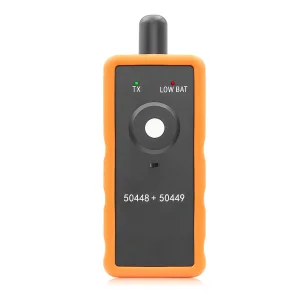
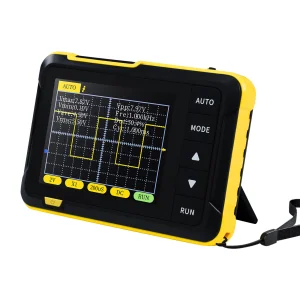
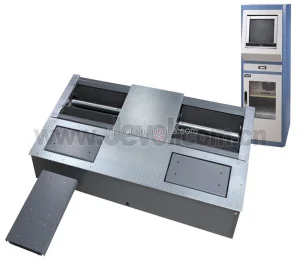
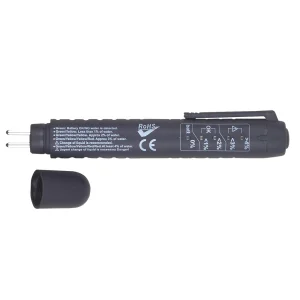
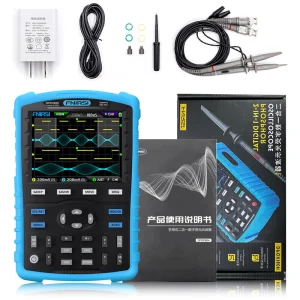
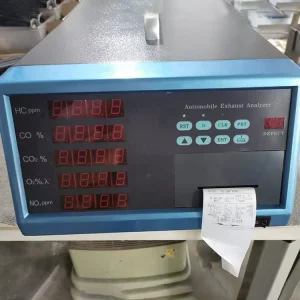
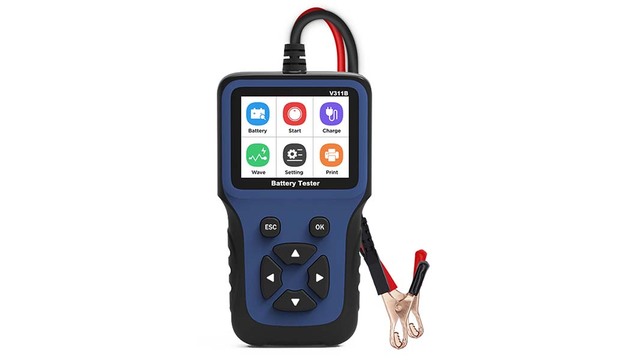
Our comprehensive product portfolio includes automotive diagnostic scanners, OBD diagnostic tools, ECU programming equipment, TPMS diagnostic systems, ADAS calibration equipment, battery testing devices, vehicle inspection systems, automotive oscilloscopes, remote diagnostic platforms, and customized diagnostic solutions. These products are widely used by automotive repair workshops, dealerships, fleet operators, vehicle inspection centers, and maintenance service providers.
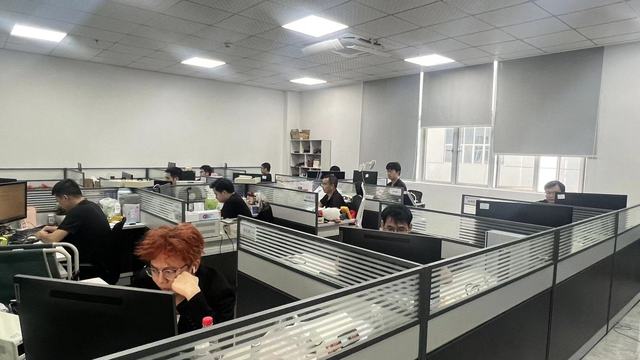
Driven by innovation, Shenzhen Kore Auto continuously invests in research and development to keep pace with the rapidly evolving automotive industry, including electric and connected vehicles. Our experienced engineering team develops cutting-edge diagnostic technologies featuring comprehensive vehicle coverage, fast data processing, intelligent fault analysis, wireless connectivity, and user-friendly software interfaces.
Quality and reliability are fundamental to our success. Every product is manufactured under strict quality control standards and undergoes rigorous testing procedures to ensure stable performance, accuracy, and durability in demanding workshop environments. We also provide flexible OEM and ODM services, helping customers develop customized automotive diagnostic products tailored to specific market requirements. Serving customers throughout Europe, North America, South America, Asia, the Middle East, and Africa, Shenzhen Kore Auto Co., Ltd. has established long-term partnerships with distributors, automotive service providers, and industry professionals worldwide.
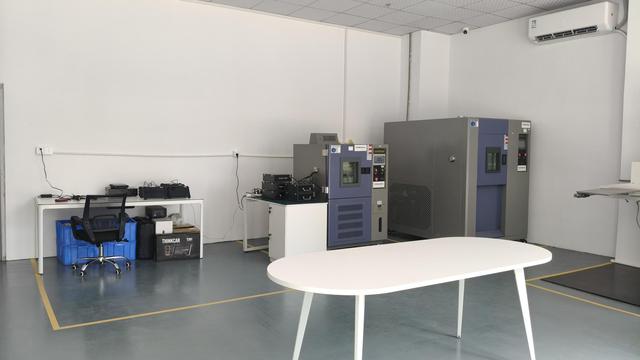

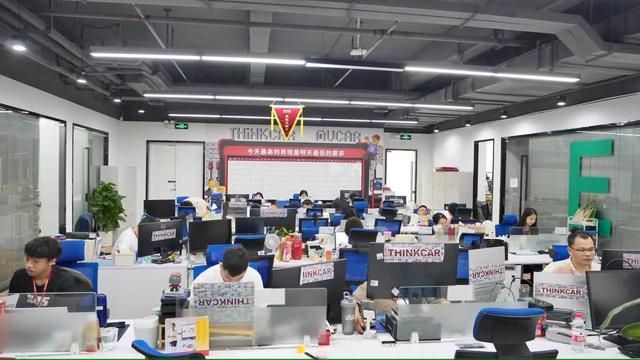
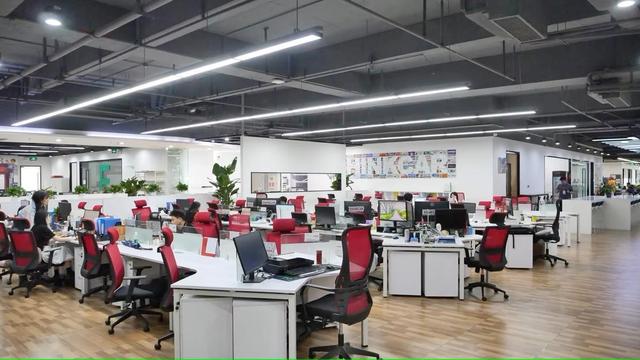
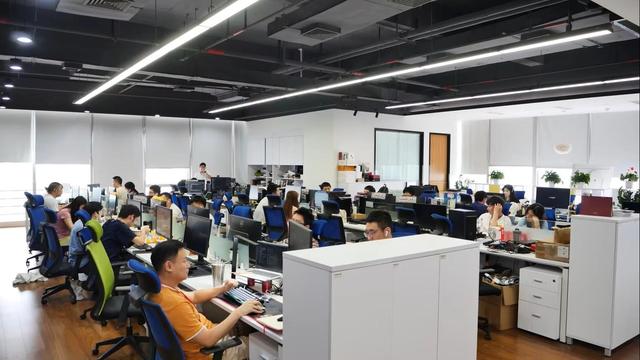
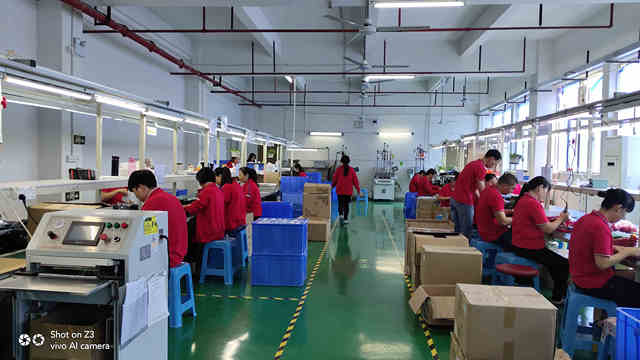
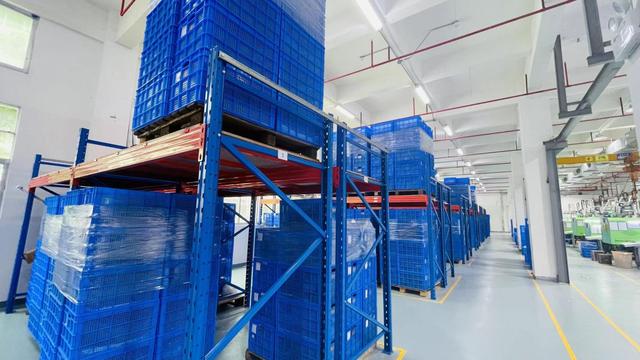
From high-volume commercial fleet management to remote high-voltage EV battery testing labs.
Scenario: Heavy duty logistics networks in North America and Western Europe.
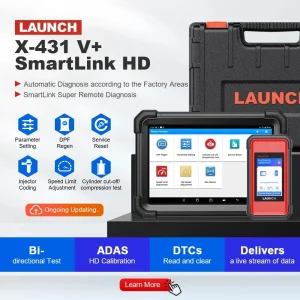
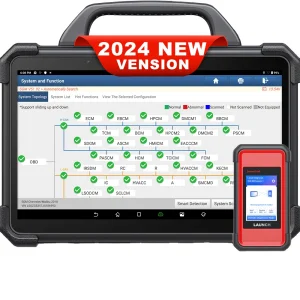
Diagnostic Solution: Implementing J1939 and CAN-FD capable heavy-duty diagnostic hubs (like Launch X431 V+ Smartlink HD) to minimize vehicle downtime, analyze selective catalytic reduction (SCR) systems, and conduct preventive maintenance runs.
Scenario: New Energy Vehicle processing centers in APAC and Europe.
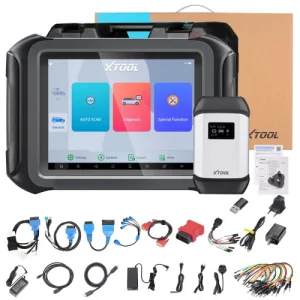
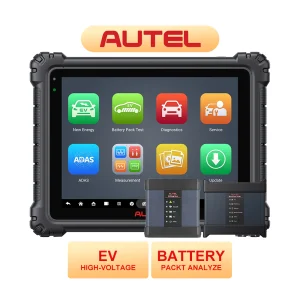
Diagnostic Solution: High-precision EV battery analysis tools (such as Autel Ultra EV or XTOOL D9EV) evaluate exact capacity metrics, isolate damaged pouch modules, and run precise cell balancing tasks on lithium chemistry setups.
Scenario: Specialised tuning hubs, automotive design houses, and prototype garages.
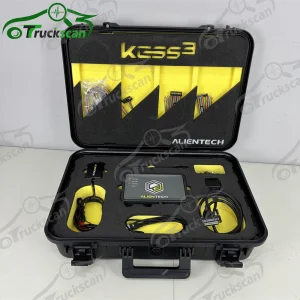
Diagnostic Solution: Professional master programmers (like Alientech KESS V3) allow technicians to read, write, and patch engine and transmission microcode directly via OBD or bench configurations safely.
Providing direct, uncompromised technical information to global procurement buyers and lead diagnostic technicians.
High-frequency measurement systems, vehicle validation setups, and commercial truck diagnostic adapters.
 Kore Auto