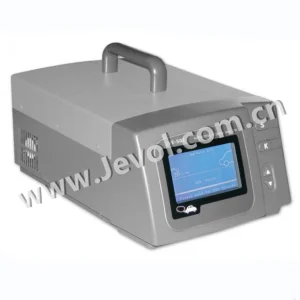
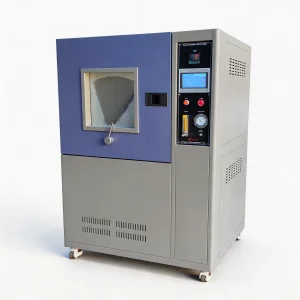
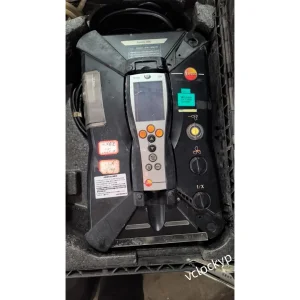
Precision calibration systems configured for Malaysian vehicle inspection centers, industrial facilities, and municipal environmental safety assessments.
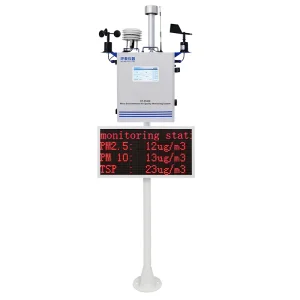
Malaysia is undergoing a rapid transition toward stricter environmental controls and standardized emission oversight. Driven by the Department of Environment (DOE) and the comprehensive framework of the Environmental Quality Act 1974 (EQA), along with the *Environmental Quality (Clean Air) Regulations 2014*, the nation’s industries and fleet operators face rigorous compliance checks. Compliance is no longer an annual inspection formality but a continuous operational mandate.
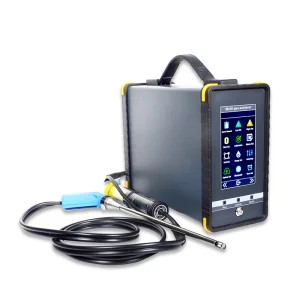
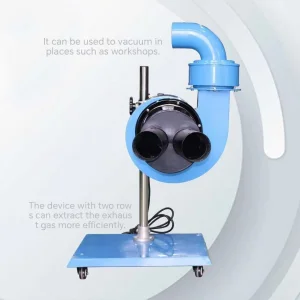
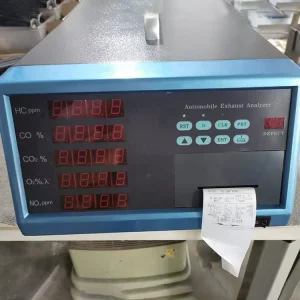
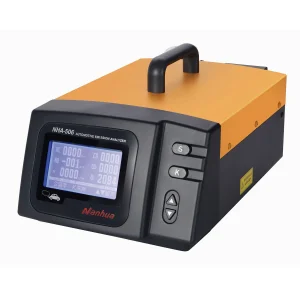
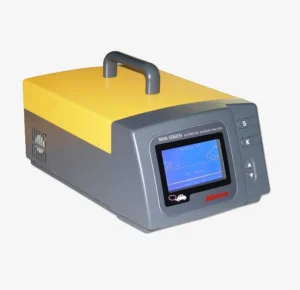
In the industrial hotspots of Penang, Selangor, and Johor, manufacturing facilities, power stations, and petrochemical processing operations are required to install certified Continuous Emission Monitoring Systems (CEMS). Concurrently, mobile source emission testing has been modernized to adhere to Euro 4M and Euro 5 vehicle exhaust standards. The implementation of PUSPAKOM’s computerized emission testing criteria requires auto repair workshops and transport fleets to purchase reliable multi-gas exhaust testers to verify levels of Carbon Monoxide (CO), Hydrocarbons (HC), and Nitrogen Oxides (NOx).
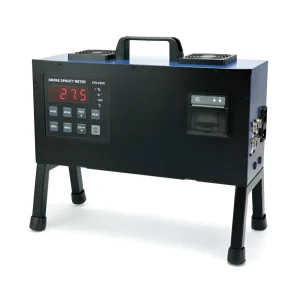
For fleet managers operating heavy vehicles across the North-South Expressway or in major logistics centers in Port Klang, maintaining exhaust opacity below national limits is critical. Failing roadside smoke density checks led by the DOE and the Road Transport Department (JPJ) can result in severe operations-halting penalties. As a result, the integration of portable digital opacity smoke meters and multi-gas diagnostic systems has become standard operating procedure.
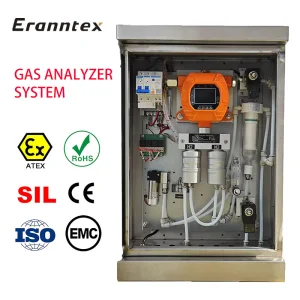
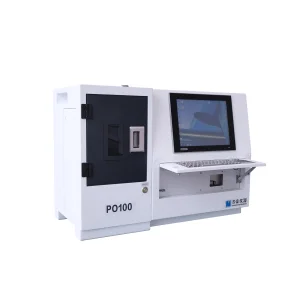
Internationally, emission testing is transitioning from periodic point-in-time checks to real-time, cloud-connected analytical models. Under the global ESG (Environmental, Social, and Governance) framework and net-zero carbon pledges by 2050, industries are focusing on sub-ppm (parts per million) accuracy. Analytical systems must now utilize high-end optical emission spectrometers (OES), non-dispersive infrared (NDIR) technology, and advanced laser absorption spectroscopy to monitor ultra-fine particles (PM2.5) and complex compound gases.
Key technological advancements are modernizing the industry. Smart sensors equipped with wireless arrays are feeding real-time emission data directly to supervisory control systems (SCADA) and corporate carbon accounting dashboards. Furthermore, automated diagnostic engines utilize machine learning algorithms to predict exhaust after-treatment component failures (such as catalytic converters and diesel particulate filters) before emissions exceed regulatory thresholds.
For industrial buyers and automotive distributors in Malaysia, sourcing emission testing hardware from top-tier Chinese manufacturers like Shenzhen Kore Auto Co., Ltd. offers an optimized balance of cost-efficiency, technical agility, and manufacturing scale. By leveraging the Shenzhen electronics manufacturing ecosystem, we integrate cutting-edge R&D with components optimized for harsh tropical climates.
Different industrial and commercial sectors in Malaysia demand distinct, specialized emission diagnostic applications:
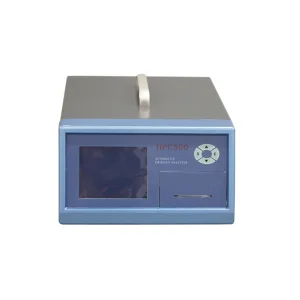
Commercial trucks, passenger buses, and logistics fleets must pass regular emission audits to maintain their operational licenses. Having on-site, rugged 5-in-1 gas analyzers and portable smoke meters allows maintenance workshops in Kuala Lumpur, Shah Alam, and Johor Bahru to pre-test vehicles and ensure immediate compliance.
Malaysia is a global leader in palm oil production. Modern Palm Oil Mill Effluent (POME) treatment processes generate significant biogas. Utilizing portable biogas analyzers (such as the S360 series) enables engineers to safely measure methane (CH4), carbon dioxide (CO2), and corrosive hydrogen sulfide (H2S) levels before boiler injection or flaring.
For semiconductor fabs in Penang and chemical processing plants in Kerteh, monitoring exhaust stacks and surrounding ambient air for Nitrogen Dioxide (NO2), Sulfur Dioxide (SO2), and Particulate Matter is crucial to maintaining local air quality certifications and ensuring safe workspaces.
With busy international shipping channels in the Malacca Strait, monitoring emissions at coastal shipping docks and vessel refueling points in Port Klang and Tanjung Pelepas helps verify compliance with international MARPOL Annex VI regulations.
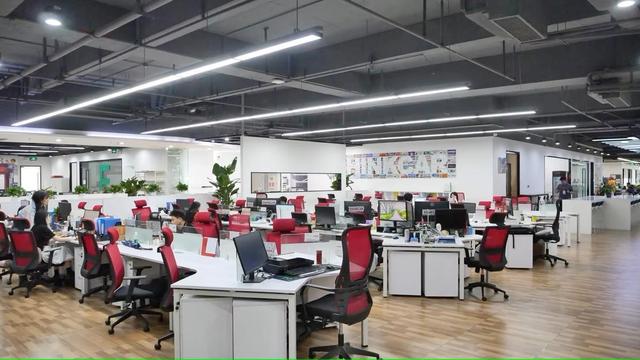
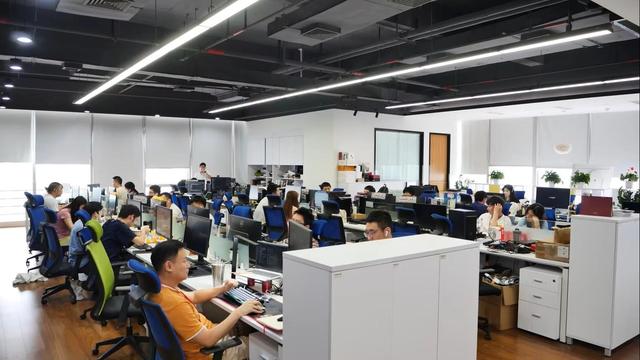
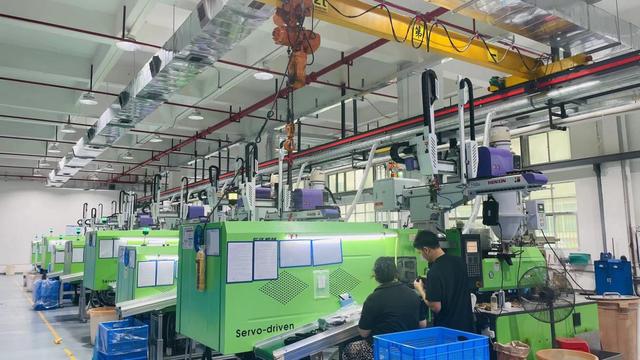
Shenzhen Kore Auto Co., Ltd. is a professional China automotive diagnostic tools manufacturer specializing in the development, production, and global supply of advanced vehicle diagnostic solutions for the automotive aftermarket industry. With extensive experience in automotive electronics and diagnostic technology, Kore Auto is committed to delivering intelligent, reliable, and high-performance diagnostic equipment to customers worldwide.
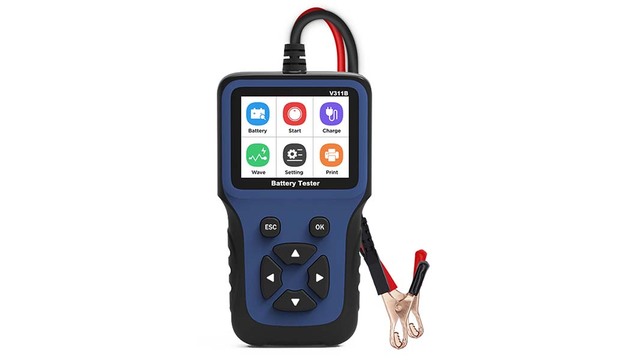
Our comprehensive product portfolio includes automotive diagnostic scanners, OBD diagnostic tools, ECU programming equipment, TPMS diagnostic systems, ADAS calibration equipment, battery testing devices, vehicle inspection systems, automotive oscilloscopes, remote diagnostic platforms, and customized diagnostic solutions. These products are widely used by automotive repair workshops, dealerships, fleet operators, vehicle inspection centers, and maintenance service providers.
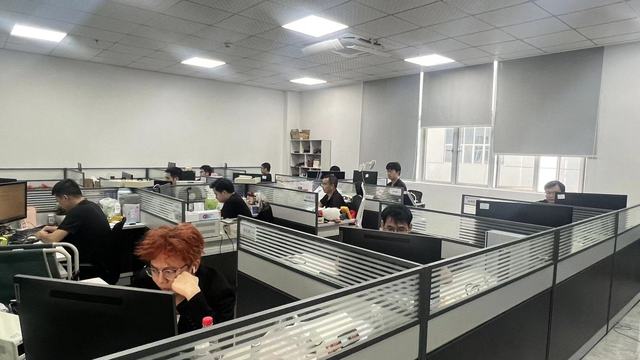
Driven by innovation, Shenzhen Kore Auto continuously invests in research and development to keep pace with the rapidly evolving automotive industry, including electric and connected vehicles. Our experienced engineering team develops cutting-edge diagnostic technologies featuring comprehensive vehicle coverage, fast data processing, intelligent fault analysis, wireless connectivity, and user-friendly software interfaces.
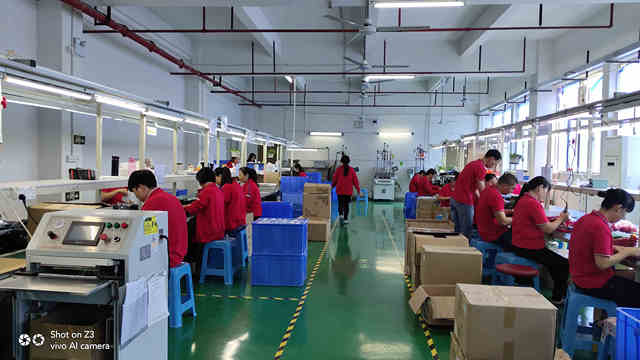
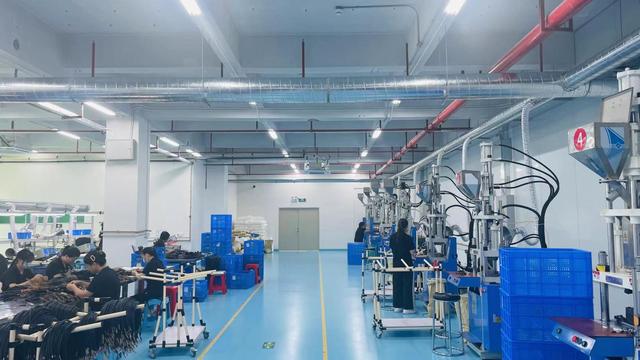
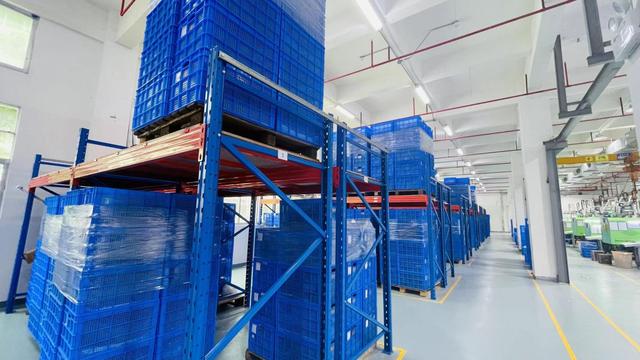
Quality and reliability are fundamental to our success. Every product is manufactured under strict quality control standards and undergoes rigorous testing procedures to ensure stable performance, accuracy, and durability in demanding workshop environments. We also provide flexible OEM and ODM services, helping customers develop customized automotive diagnostic products tailored to specific market requirements.
Serving customers throughout Europe, North America, South America, Asia, the Middle East, and Africa, Shenzhen Kore Auto Co., Ltd. has established long-term partnerships with distributors, automotive service providers, and industry professionals worldwide.
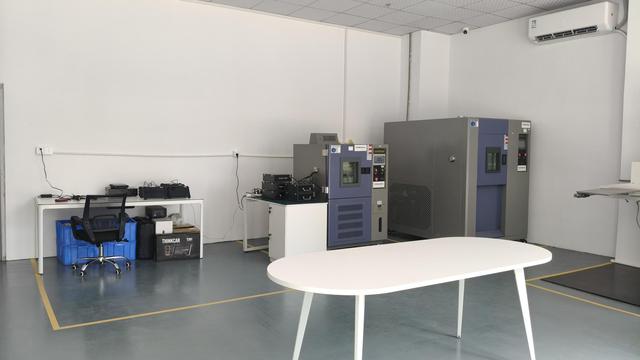
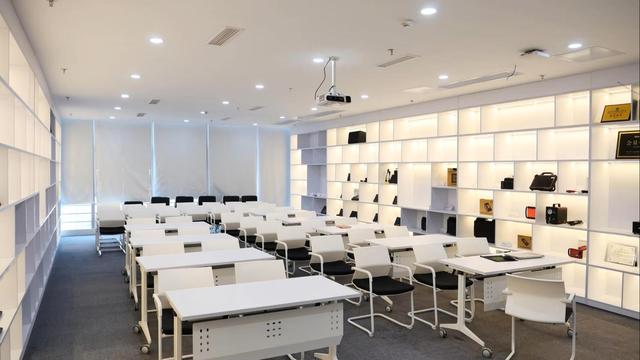
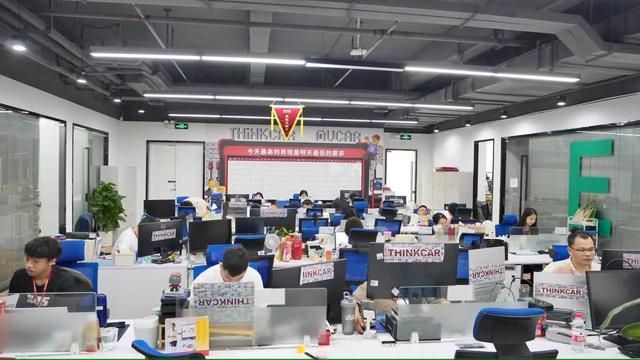
Purchasing environmental monitoring and exhaust diagnostic systems is a long-term capital investment. To maximize device lifespan and guarantee legal accuracy, procurement teams should evaluate the following key factors:
Non-Dispersive Infrared (NDIR) sensors are highly recommended for gases such as CO, CO2, and HC due to their stable operation, minimal drift, and long lifespans. Electrochemical sensors are suitable for O2 and NO, though they require routine calibration and replacement every 2 to 3 years depending on utilization rates.
Industrial CEMS installations and automotive gas analyzers require periodic calibration with certified standard gases (zero/span check). Prioritize manufacturers that supply built-in calibration software guides and standard validation kits.
Equipment deployed in tropical environments like Malaysia must operate reliably in high humidity (up to 95% non-condensing) and high ambient temperatures. Look for IP65/IP66 enclosure ratings and integrated Peltier thermoelectric coolers in gas sampling lines to remove moisture prior to sensor exposure.
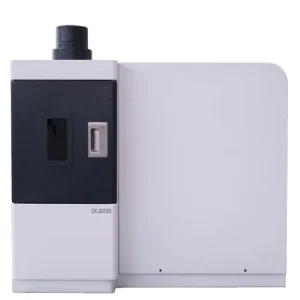
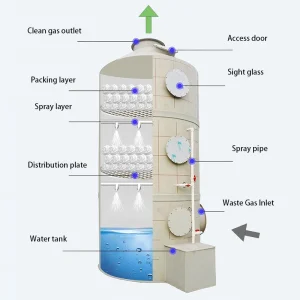
Browse our extensive selection of diagnostics, optical emission spectrometers, wet scrubbers, and environmental simulation chambers built to international compliance levels.
Our engineering team is ready to configure tailored emission diagnostic equipment to meet local guidelines.
Send Inquiry Now Kore Auto