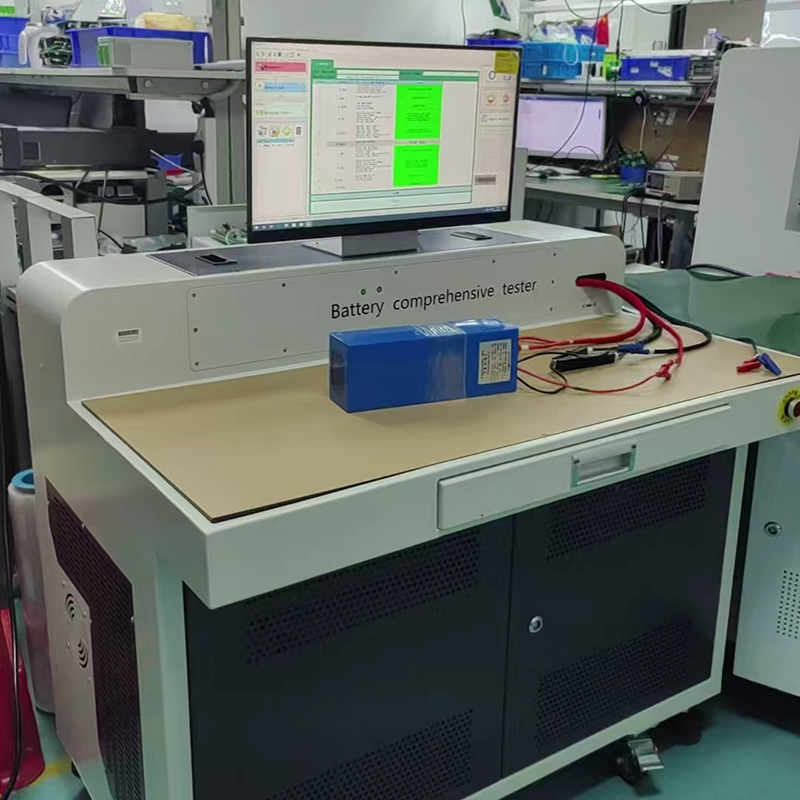
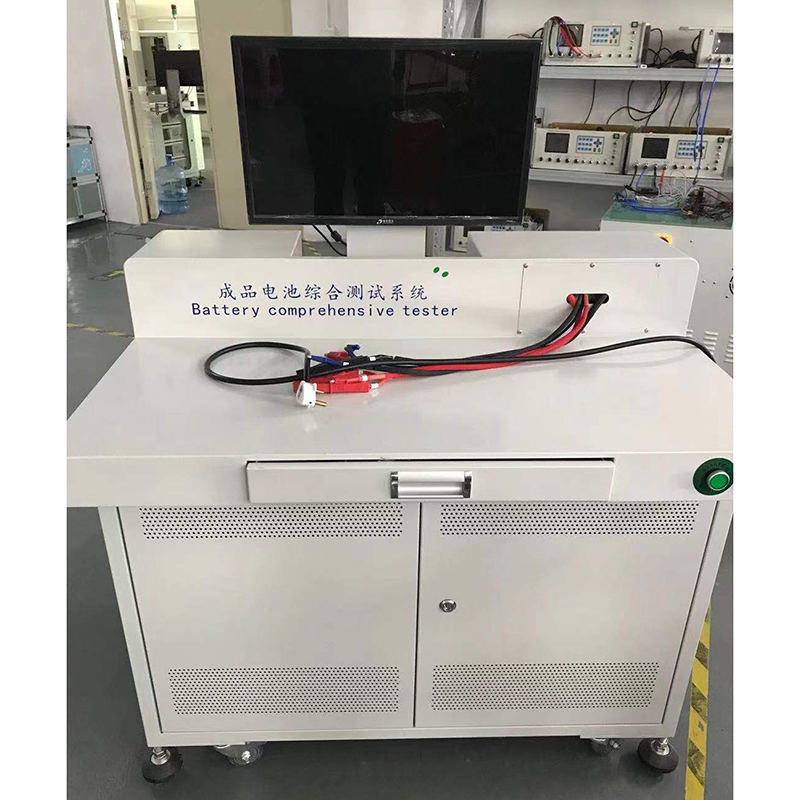
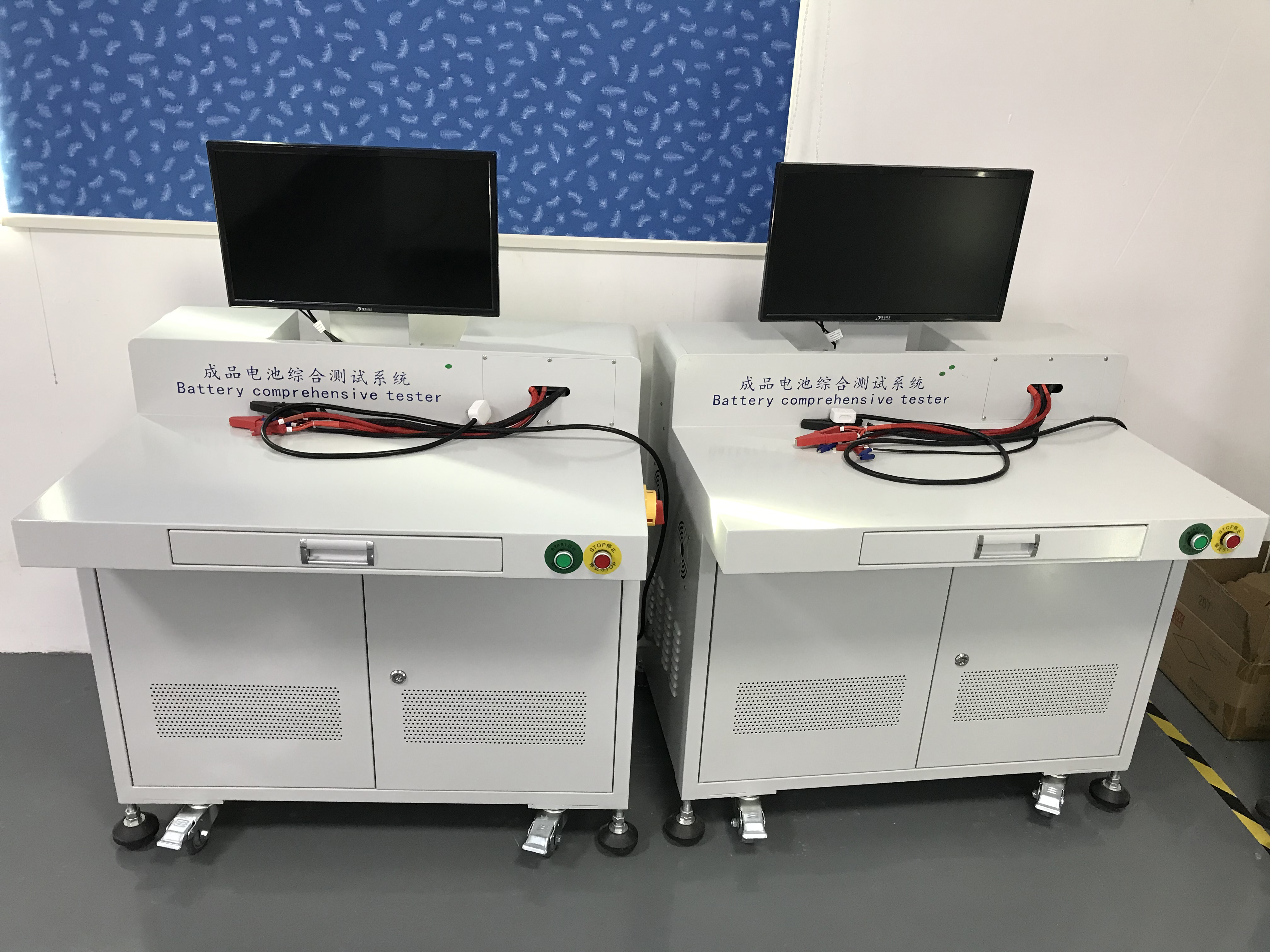
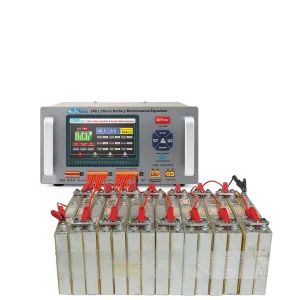
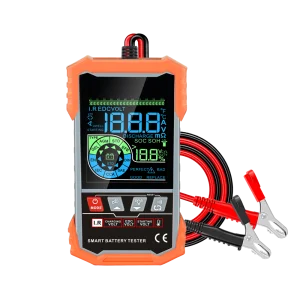
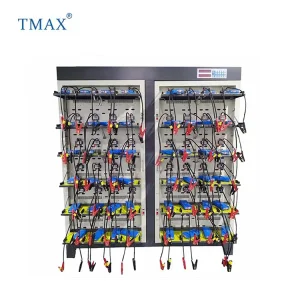
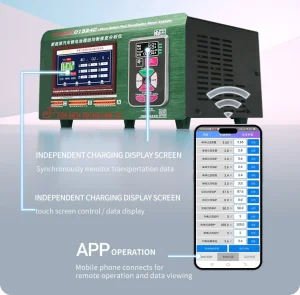
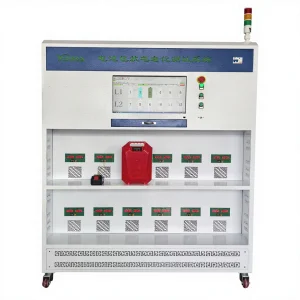
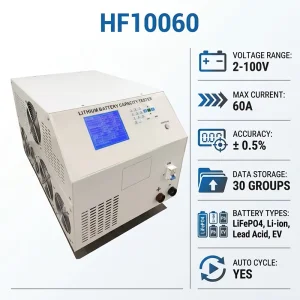
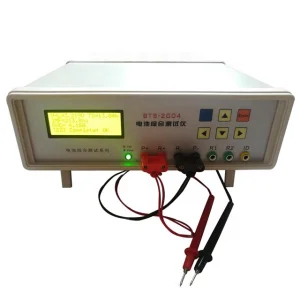
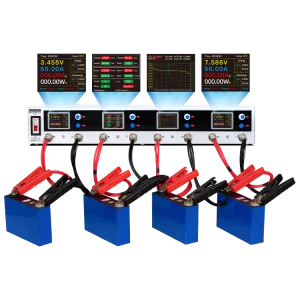
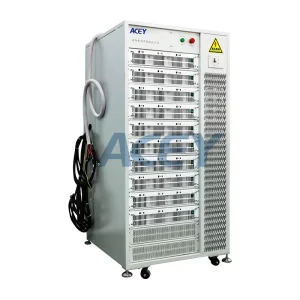
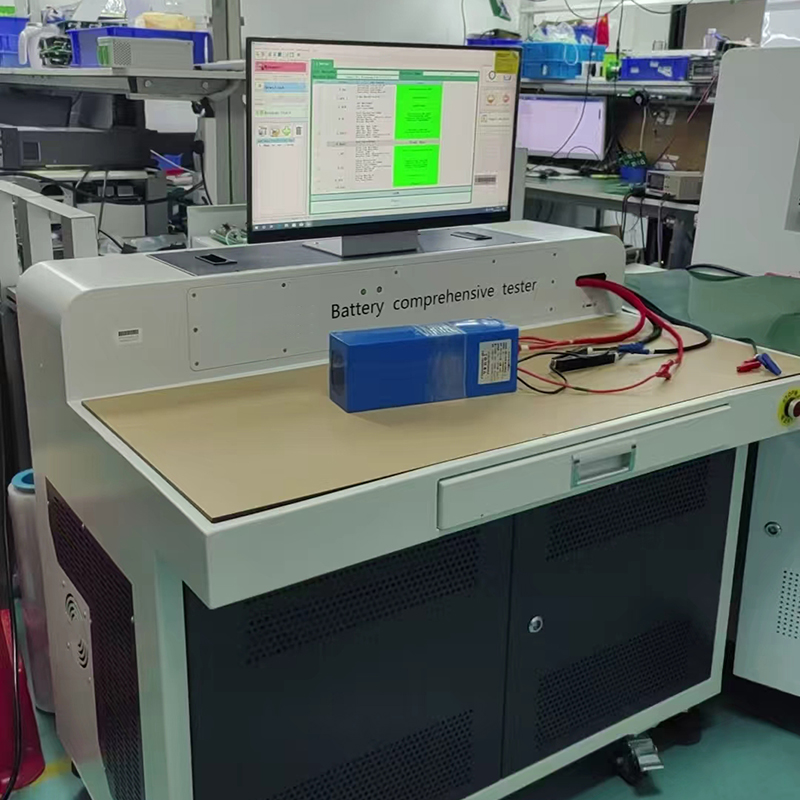
The functions of the test instrument are divided into two major parts, namely battery production test mode and calibration mode. Therefore, the equipment can be used as electronic load and comprehensive testing instrument.
The specific test items are: battery open circuit voltage, battery AC internal resistance, continuous charging current, continuous charging voltage, continuous discharge current, continuous discharge voltage, charging overcurrent protection current, discharge overcurrent protection current, short circuit protection time, overcurrent delay time, and voltage after test. The equipment adopts infrared scanning gun barcode input (SN) to start the test or automatically start the test when voltage is detected.
Scope of application: Lithium ion batteries are equipped with (CH+P+CH - P -), all series of power batteries.
1. Voltage: the test instrument tests the voltage twice, one is the no-load voltage, and the other is the voltage after all items are tested, especially after the short term protection, to ensure whether the battery is normal after the short term protection. Therefore, the two voltages are somewhat different, and the secondary voltage is smaller than the first.
2. Internal resistance: 1000 HZ AC internal resistance of the battery is tested.
3. Charging overcurrent protection current: first, confirm whether the battery has the automatic protection function after the charging current is too high. If the charging current is too high, the battery has no protection function, and it is easy to burn the protection circuit board in the battery. Therefore, it is critical to ensure whether the battery has the charging overcurrent protection current function. If not, choose the continuous charging current.
4. Continuous charging current: For the circuit board with no automatic protection function against excessive charging current, the current value of such battery is generally the same as that of the charger when charging.
5. Discharge overcurrent protection current: when the discharge current exceeds a certain value, automatic protection is generally available according to the specification parameters.
6. Continuous discharge current: refers to the discharge current of the battery during normal use. If there is a problem with the circuit board, it will not continue to discharge.
7. Short circuit protection time: If the internal resistance value of the whole circuit is too large during the short circuit, the short circuit time will be too long. Therefore, pay attention to analyze the causes when the short circuit is too long.
| Voltage range |
0-84V |
Accuracy |
1mV |
| Internal resistance range |
0-2000 mOhm |
Accuracy |
0.01 mOhm |
| Charging current |
(0-10A) or (0-30A) |
Accuracy |
0.1A |
| The discharge current |
(0-60A) is at the highest voltage, the sustainable discharge current is 60A, and the accuracy is 0.1A (customized if customers have higher current requirements). |
| Short circuit time |
0-2000uS |
accuracy |
1uS |
| Size |
86 * 67 * 92cm |
| Weight |
150 KG |
1 TG6000 host, 1 power cable, 1 serial port cable, 1 manual



Frequently Asked Questions (FAQ)
Q: What testing modes does this battery pack comprehensive tester support?
The equipment is divided into two primary modes: battery production test mode and calibration mode. It functions efficiently both as an electronic load and as a comprehensive testing instrument.
Q: How is the testing process initiated on the device?
The system supports two start methods: scanning the barcode using an infrared scanning gun (SN input) to initiate the process, or automatically starting the test as soon as voltage is detected.
Q: Why are two different voltage levels measured during testing?
The device measures no-load voltage first, followed by the voltage after all test items are finished. This is particularly crucial after short-term protection tests to confirm that the battery operates normally, which is why the second reading is usually slightly lower than the first.
Q: What is the purpose of testing the charging overcurrent protection current?
This test confirms whether the battery pack automatically halts charging when the current is too high. If the battery lacks this auto-protection function, excessive currents can easily burn out the internal protection circuit board.
Q: What types of battery packs are compatible with this tester?
The tester is suitable for all series of power lithium-ion battery packs that are equipped with (CH+P+CH- P-) ports.
 Kore Auto