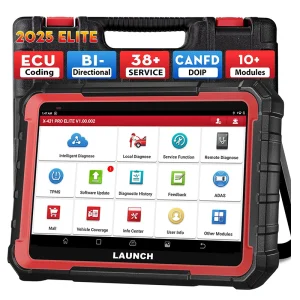
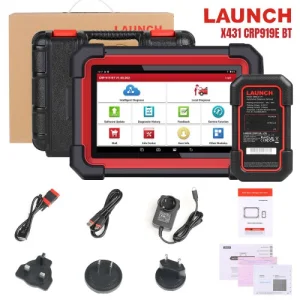
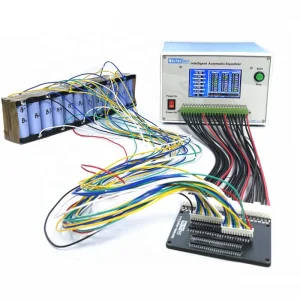
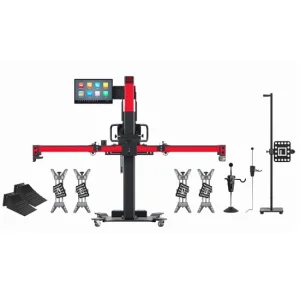
Explore our core engineering catalog engineered for precision workshop diagnostics, battery maintenance, ECU programming, and advanced calibration.
Bridging mechanical measurement accuracy with digital sensor telemetry for global automotive service providers and industrial engineering teams.
Fuel line pressure testers must handle extreme pressure pulses. Our engineering protocols incorporate dual-scale Bourdon gauges and high-frequency piezo-resistive dynamic transducers certified under NIST-traceable standards to eliminate measurement drift in high-pressure Gasoline Direct Injection (GDI) and common rail diesel setups.
As a leading international exporter, Shenzhen Kore Auto Co., Ltd. ensures all pressure testing kits meet CE, RoHS, and REACH certifications. Outfitted with fuel-resistant fluorocarbon (FKM/Viton) quick-coupling adapters, our kits withstand corrosive bio-fuels including E85 ethanol blend and B20 biodiesel.
Moving beyond standard static pressure checks, our diagnostic platforms provide real-time pulse fluctuation logging, fuel pump flow vs. pressure correlation algorithms, and deadhead pressure analysis to pinpoint internal check valve leaks or clogged pressure regulators instantaneously.
Comprehensive market intelligence analyzing regional diagnostic demands, emission standard dynamics, and technical pressures across modern fleet maintenance.
With stringently enforced Euro 6d/Euro 7 and EPA Tier 4 emission standards, automotive OEMs have aggressively transitioned toward High-Pressure Gasoline Direct Injection (HP-GDI) systems operating at pressures exceeding 200 to 350 bar. Traditional mechanical testing apparatuses operating below 100 PSI (7 bar) are inadequate for modern diagnostic routines. Service centers require dual-stage testing rigs equipped with burst-proof safety hoses, micro-bleed off valves, and digital transducer sync to safely diagnose rail pressure sensor inaccuracies without diesel effect diesel-ignition risks during bleed procedures.
Across APAC, Latin America, and Africa, heavy-duty commercial fleets and dual-fuel light vehicles dominate logistics. Multi-point fuel injection (MPFI) and common rail diesel systems (CRDI) require adaptable pressure testers compatible with diverse quick-connect terminal standards (Schrader valves, quick-release metric adapters, targeted fuel rail tap-in T-connectors). Industrial fleet operators mandate heavy-duty pressure equipment that offers long-term mechanical reliability, anti-seize quick-connect fittings, and oil-filled shock-damped gauges resistant to shop floor drops and severe vibration.
Understanding the technological evolution from traditional analog mechanical gauges to AI-integrated digital diagnostic telemetry systems.
| Diagnostic Parameter | Conventional Mechanical Testers | Digital Piezo-Resistive Systems | Kore Auto Integrated Telemetry Kits |
|---|---|---|---|
| Measurement Range | 0 - 100 PSI (0 - 7 Bar) | 0 - 500 Bar (High-Pressure GDI/Diesel) | Dual-Stage Low & Ultra-High Pressure (0-400 Bar) |
| Sensor Accuracy | ±2.5% Full Scale | ±0.5% Full Scale | ±0.1% Certified High Precision |
| Data Logging | None (Manual Visual Readout) | Internal Digital Memory | Real-time Bluetooth / OBD Oscilloscope Sync |
| Coupler Material | Standard Brass / NBR Hose | Anodized Aluminum / NBR | Solid Stainless Steel & FKM/Viton Fluoropolymer |
| Dynamic Waveform Analysis | Impossible (Damped Needle) | Numeric Min/Max Capture | High-Frequency Graphing (Pump Ripple Analysis) |
Empowering global distributors and automotive repair networks with world-class diagnostic R&D and flexible manufacturing services.
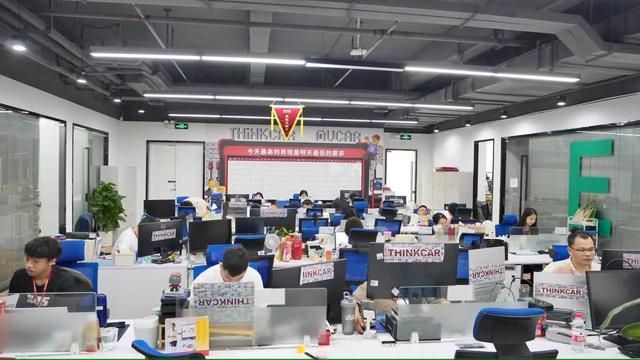
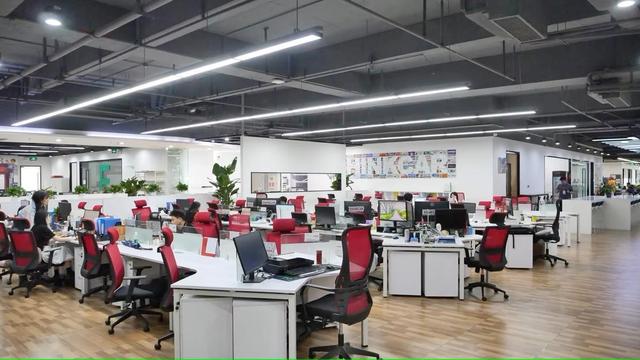
Shenzhen Kore Auto Co., Ltd. is a professional China automotive diagnostic tools manufacturer specializing in the development, production, and global supply of advanced vehicle diagnostic solutions for the automotive aftermarket industry. With extensive experience in automotive electronics and diagnostic technology, Kore Auto is committed to delivering intelligent, reliable, and high-performance diagnostic equipment to customers worldwide.
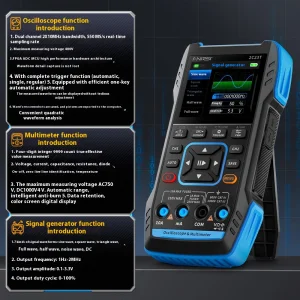
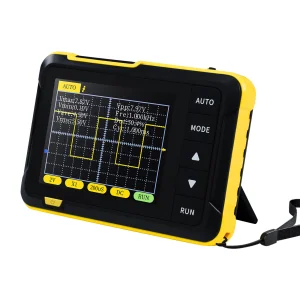
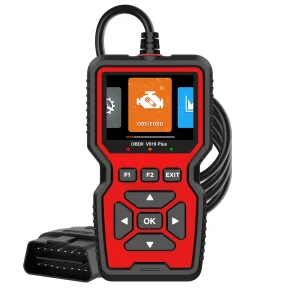
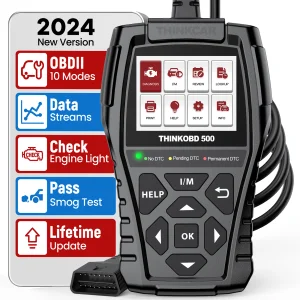
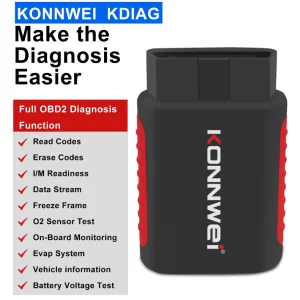
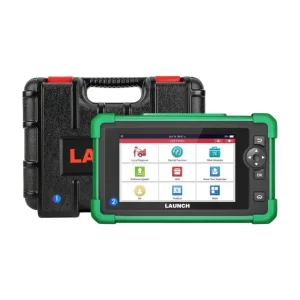
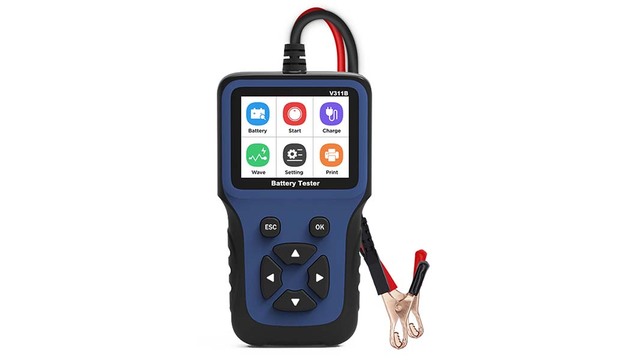
Our comprehensive product portfolio includes automotive diagnostic scanners, OBD diagnostic tools, ECU programming equipment, TPMS diagnostic systems, ADAS calibration equipment, battery testing devices, vehicle inspection systems, automotive oscilloscopes, remote diagnostic platforms, and customized diagnostic solutions. These products are widely used by automotive repair workshops, dealerships, fleet operators, vehicle inspection centers, and maintenance service providers.
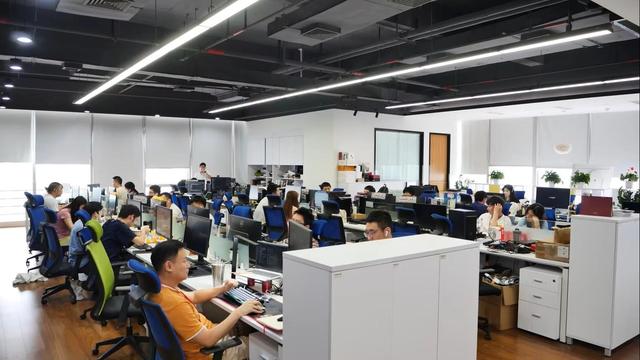
Driven by innovation, Shenzhen Kore Auto continuously invests in research and development to keep pace with the rapidly evolving automotive industry, including electric and connected vehicles. Our experienced engineering team develops cutting-edge diagnostic technologies featuring comprehensive vehicle coverage, fast data processing, intelligent fault analysis, wireless connectivity, and user-friendly software interfaces.
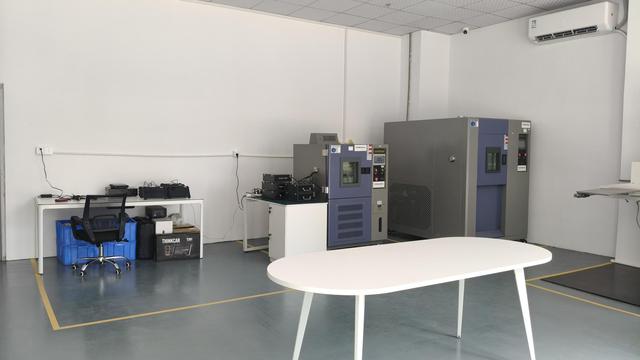
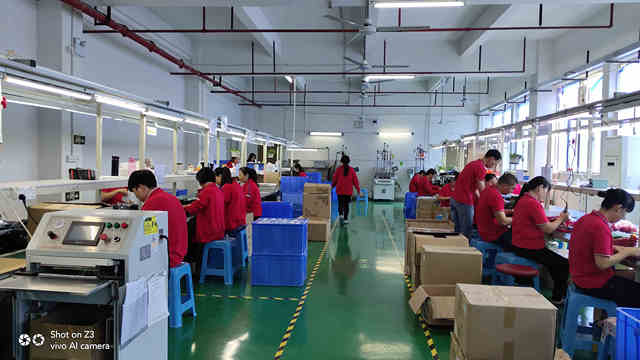
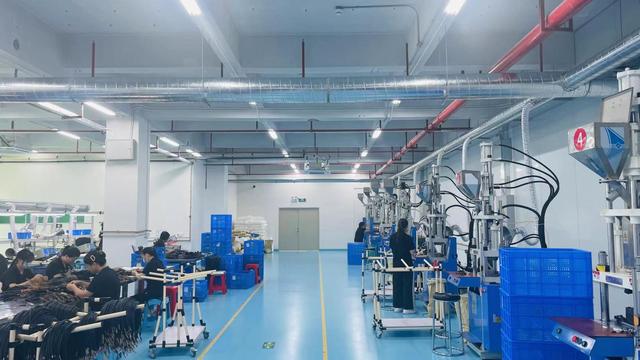
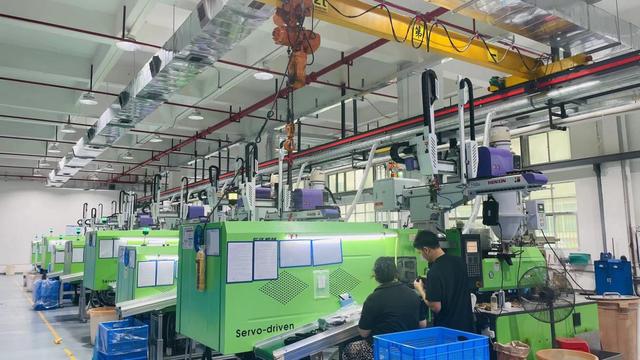
Quality and reliability are fundamental to our success. Every product is manufactured under strict quality control standards and undergoes rigorous testing procedures to ensure stable performance, accuracy, and durability in demanding workshop environments. We also provide flexible OEM and ODM services, helping customers develop customized automotive diagnostic products tailored to specific market requirements.
Serving customers throughout Europe, North America, South America, Asia, the Middle East, and Africa, Shenzhen Kore Auto Co., Ltd. has established long-term partnerships with distributors, automotive service providers, and industry professionals worldwide.

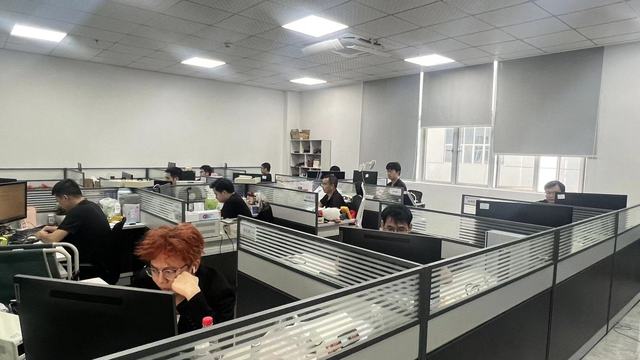
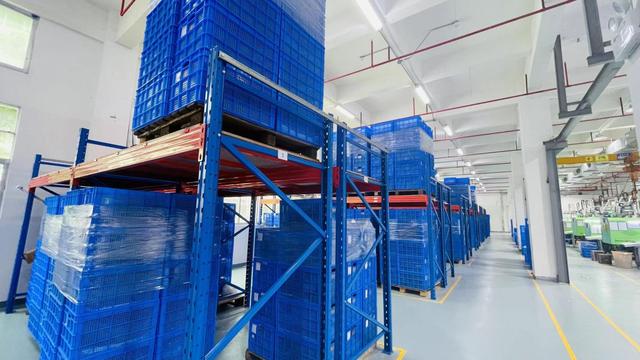
Engineered to adapt seamlessly across diverse operational environments—from professional master repair shops to heavy industrial marine setups.
For commercial truck depots managing long-haul diesel engine platforms, maintaining peak fuel pressure delivery prevents unexpected DPF clogging and injector erosion. Kore Auto's specialized diesel pressure test suites measure low-pressure supply lines and high-pressure fuel rail dampening under simulated highway engine load.
During aggressive ECU remapping and dyno runs, fuel starvation at high RPMs can trigger immediate engine failure due to lean burn conditions. Master tuners utilize Kore Auto dynamic pressure sensors to log continuous inline fuel pressure drops, verifying performance fuel pump flow rates under peak turbo boost.
Marine and agricultural powertrains operate under constant extreme duty cycles and high humidity. Our stainless steel pressure ports and anti-corrosive chemical-resistant hoses ensure long service life when evaluating fuel lift pumps, vapor separator tanks (VST), and mechanical engine injectors in remote operational environments.
A standardized troubleshooting matrix utilized by master automotive technicians to diagnose system anomalies systematically.
Diagnostic Procedure: Connect fuel line pressure gauge inline between fuel rail and pump. Prime system to maximum operating pressure, clamp supply line, and monitor drop over 10 minutes.
Root Causes Identified: Leaking fuel injector needle valve, ruptured fuel pressure regulator diaphragm, or failing check valve within the fuel pump assembly.
Diagnostic Procedure: Install inline dynamic pressure sensor with digital oscilloscope tap. Conduct road test under wide-open throttle (WOT).
Root Causes Identified: Restricted inline fuel filter, clogged fuel pump inlet strainer sock, degraded fuel pump electric motor windings, or insufficient voltage supply.
Pioneering intelligent, connected, and AI-driven diagnostic hardware to lead the transformation of global vehicle service infrastructures.
Integrating wireless IoT pressure sensors directly into standard automotive diagnostic scanners, sending high-speed hydraulic telemetry to cloud servers for instant comparative analysis against factory specification curves.
Deploying machine learning algorithms capable of detecting sub-millisecond pressure harmonic ripples caused by failing pump commutator bars or microscopic injector seat erosion before check engine lights trigger.
Developing specialized ultra-high pressure diagnostic suites supporting green hydrogen fuel cell supply rails (up to 700 bar) and liquid natural gas (LNG) cryogenic transport injection systems.
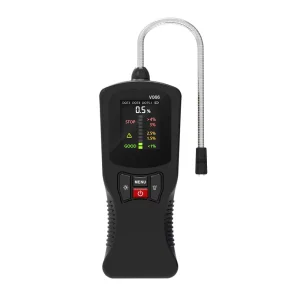
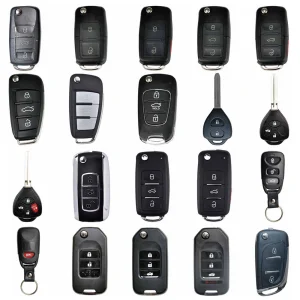
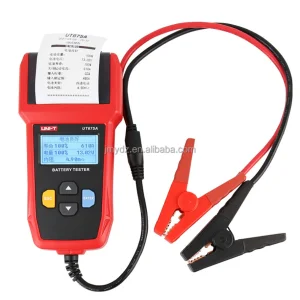
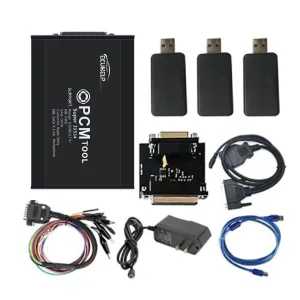
Explore additional professional diagnostic scan tools, battery balancers, brake analyzers, and key programming hardware from Shenzhen Kore Auto Co., Ltd.
Expert insights addressing common engineering queries regarding fuel line pressure testing, gauge calibration, and system compatibility.
Low-pressure Electronic Fuel Injection (EFI) systems typically operate between 30 and 80 PSI (2 to 5.5 Bar), permitting testing via standard rubber flexible hoses and brass Schrader valve adapters. Gasoline Direct Injection (GDI) systems utilize dual-stage pressure delivery: a low-pressure lift pump in the tank and a engine-driven high-pressure mechanical pump delivering upwards of 500 to 3500 PSI (35 to 250+ Bar) into the fuel rail. High-pressure GDI diagnostics demand specialized stainless steel rigid adapters, piezoresistive digital transducers, and isolated pressure release valves to prevent liquid hydraulic jet injury during testing.
To detect micro-leakage in fuel injectors, the fuel system is pressurized by cycling the ignition key (or bridging the fuel pump relay) without starting the engine. Once optimal static system pressure is achieved, the fuel line supply clamp or check valve isolate the rail. If system pressure drops rapidly while the supply line remains sealed, and no external fuel leaks are visible on the rail fittings, fuel is escaping past one or more internal injector pintles into the intake port or combustion chamber, causing hard hot-starts, oil dilution, and misfires.
Modern commercial automotive fuels contain aggressive chemical additives, oxygenates, and ethanol blends (such as E15, E85, or Flex-Fuel), as well as ultra-low sulfur diesel and biodiesel blends (B20). Standard Nitrile (NBR) rubber seals tend to swell, harden, and degrade when exposed to modern oxygenated fuels, leading to seal blowouts under elevated pressure. Viton (Fluorocarbon elastomer) exhibits superior chemical inertness, resisting thermal breakdown up to 200°C and offering near-zero degradation against synthetic fuel compounds.
Yes. Shenzhen Kore Auto Co., Ltd. provides end-to-end OEM and ODM custom manufacturing services. We support custom pressure range gauge face design, personalized blow-molded carrying cases, specialized quick-disconnect fitting engineering, private labeling, software interface customization for digital testers, and multilingual technical documentation to meet localized market specifications across Europe, North America, and beyond.
 Kore Auto