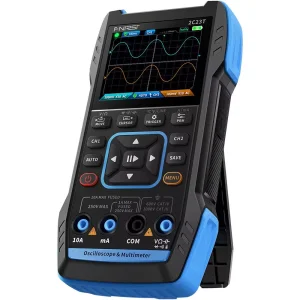
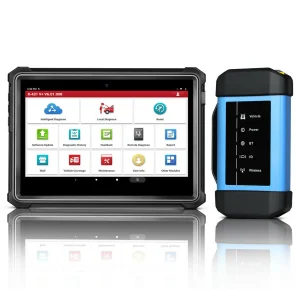
Pioneering system tools tailored for commercial workshop throughput and high-accuracy component inspection.
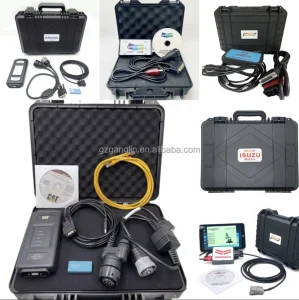
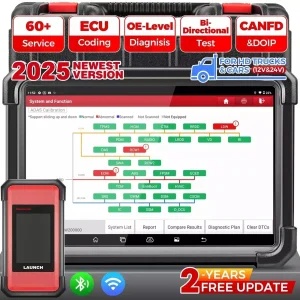
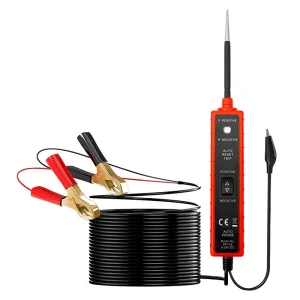
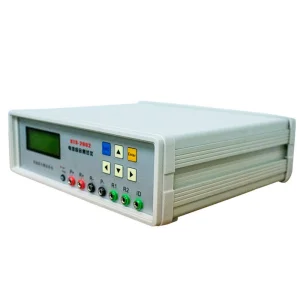
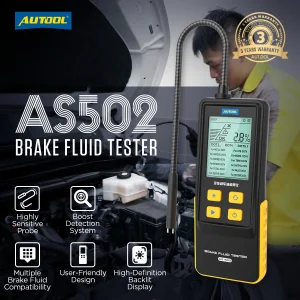
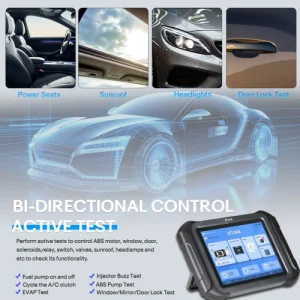
Modern vehicles are no longer simple mechanical structures; they are highly integrated cyber-physical nodes running on complex Controller Area Network (CAN) bus protocols, FlexRay, and automotive Ethernet. As a leading automotive diagnostic tools manufacturer, Shenzhen Kore Auto Co., Ltd. has witnessed this structural shift. The convergence of Advanced Driver Assistance Systems (ADAS), electric powertrains, and cloud-connected telemetry requires maintenance inspection systems to be exceptionally precise.
This technical whitepaper explores how next-generation diagnostic configurations solve complex failures. By combining advanced sensor arrays, remote cloud processing, and high-frequency electrical circuit validation, we ensure workshop technicians can diagnose issues correctly on the first attempt, preventing vehicle downtime.
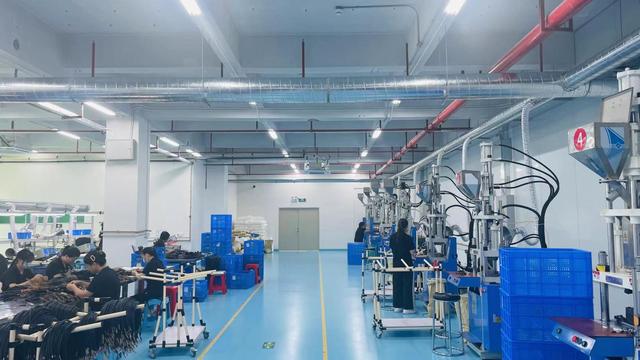
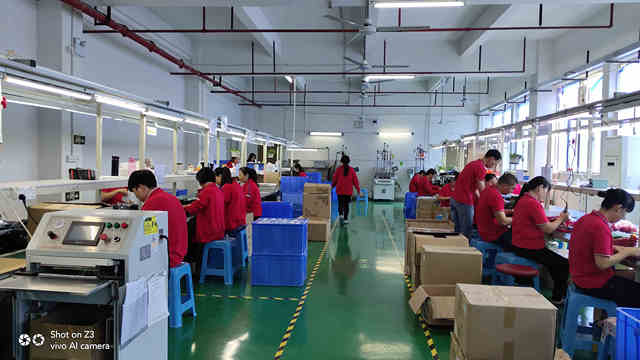
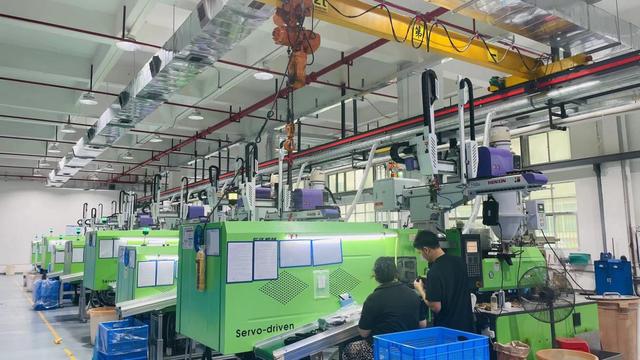
Shenzhen's industrial landscape offers key advantages for the global supply of automotive inspection systems, combining manufacturing efficiency with technological innovation.
Our proximity to top semiconductor and electronic component markets lets us prototype, refine, and deploy hardware updates much faster than Western competitors. This keeps our tools compatible with the latest vehicle models and battery designs.
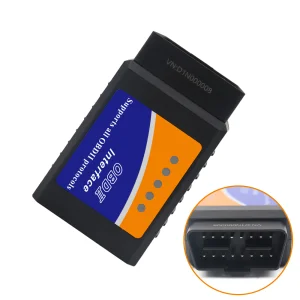
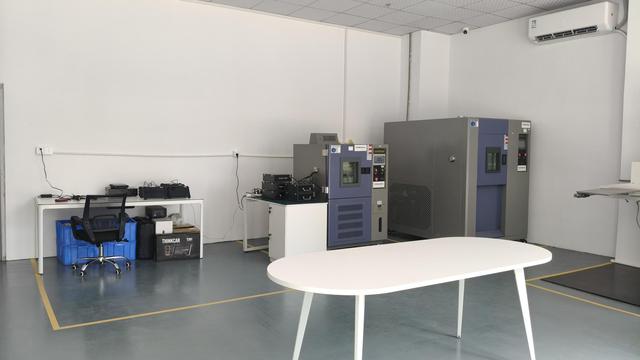
We comply with ISO 9001 and IATF 16949 standards. Each diagnostic unit undergoes automated optical inspections (AOI), environmental stress testing, and hardware-in-the-loop (HIL) simulations to guarantee stable performance in demanding workshop conditions.
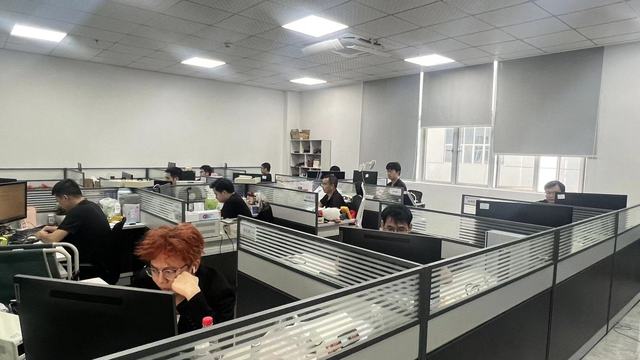
Our optimized supply chain allows us to lower production costs without compromising on quality. This financial advantage enables us to reinvest heavily in software development, offering regular database updates and diagnostic capabilities at competitive prices.
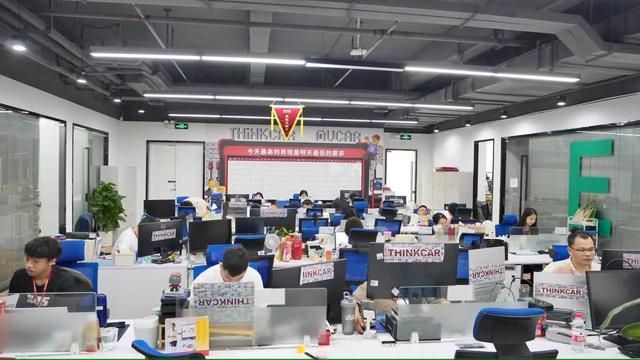
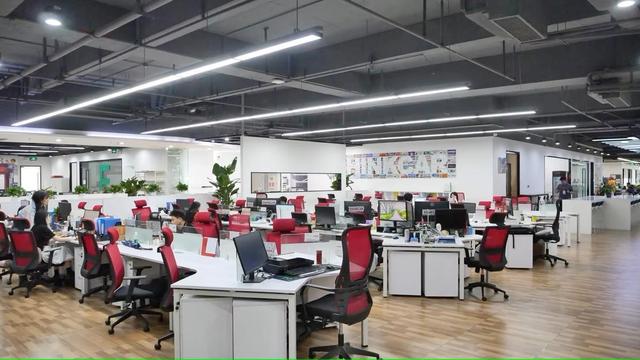
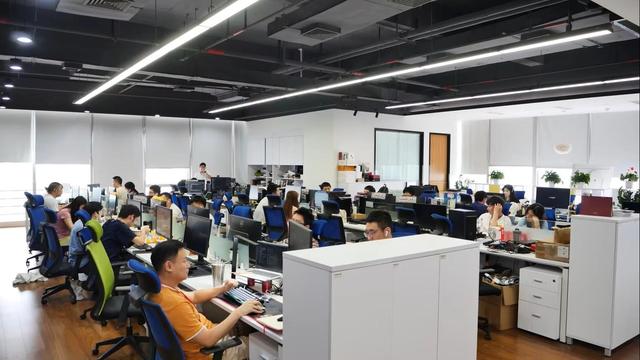
The global maintenance inspection sector is changing rapidly. The growth of Electric Vehicles (EVs) requires specialized high-voltage diagnostic tools, while Advanced Driver Assistance Systems (ADAS) demand highly accurate sensor calibration.
At Kore Auto, we design diagnostic systems that address these trends directly, helping workshops manage advanced vehicle designs efficiently and safely.
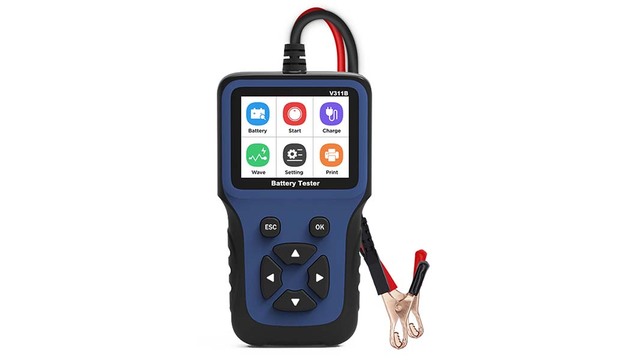
Advanced diagnostic platforms read battery degradation metrics, isolate cellular faults in lithium packs, and verify state-of-health (SoH) profiles during high-rate charge/discharge cycles.
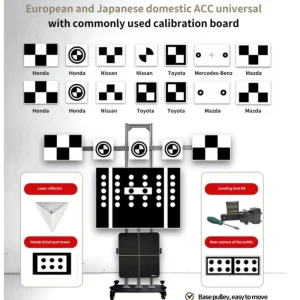
Precise calibration patterns and structural rigs ensure that lane-departure, adaptive cruise, and autonomous emergency braking systems align perfectly with real-world road conditions.
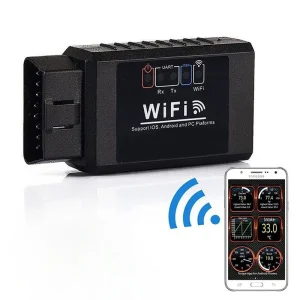
For fleet managers, state vehicle inspection centers, and multi-location workshop networks, maintenance tools must integrate smoothly into broader IT infrastructures. Kore Auto provides system setups that connect directly with ERP platforms and DMS (Dealer Management Systems), enabling automated logging of vehicle diagnostic scans.
Our solutions help organizations automate compliance reporting, reduce manual administrative tasks, and optimize resource allocation. By transitioning from reactive repairs to predictive maintenance schedules based on real-time vehicle telematics, operators can improve fleet uptime and reduce total cost of ownership (TCO).
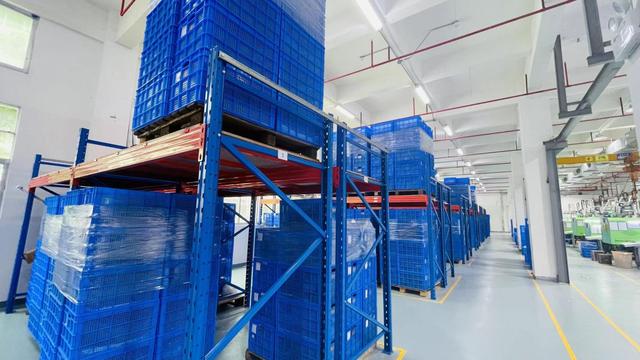
A structured checklist for procurement officers and supply chain directors evaluating international automotive diagnostic suppliers.
Automotive diagnostic systems rely heavily on software. Ensure your supplier guarantees regular firmware and software database updates to cover new vehicle releases and emerging communication protocols (such as DoIP and CAN FD).
If you need proprietary diagnostic tools or custom-branded hardware, confirm the manufacturer's capacity to adjust software UI, integrate custom APIs, and adapt hardware enclosures to your brand standards.
A reliable diagnostic provider should offer responsive technical support. Verify that the supplier can deliver real-time remote diagnostics assistance and clear documentation to help minimize downtime in your repair bays.
Before placing large orders, ensure the equipment complies with regional safety and emission standards. Look for certifications like CE, FCC, RoHS, and local calibration requirements for commercial testing bays.
Providing direct answers to technical queries from fleet managers, workshop engineers, and industrial procurement agents.
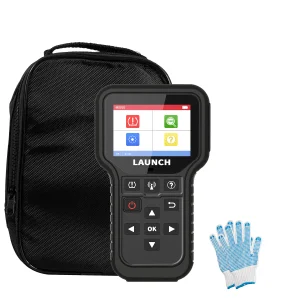
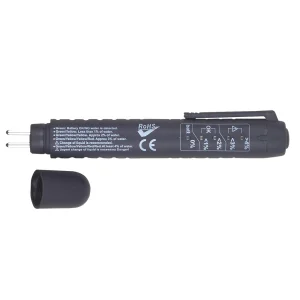
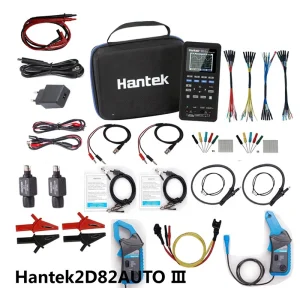
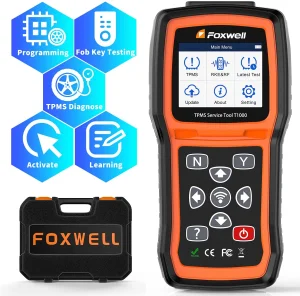
Precision electrical scopes, brake fluid testing devices, and dedicated TPMS calibration systems for auto repair workshops.
 Kore Auto